
Lutein is a carotenoid found in various fruits and vegetables, known for its significant benefits for eye health. This powerful antioxidant helps protect against age-related conditions like macular degeneration and cataracts.
Beyond vision, lutein may also play a role in cognitive function and skin protection. With a growing awareness of its importance, many are looking to incorporate lutein into their diets.
In this article, we’ll explore the benefits, side effects, food sources, functions, and recommended dosages of lutein to help you make informed choices for your health and well-being.
What is lutein?
Lutein is a carotenoid, a type of pigment responsible for the vibrant colors of many fruits and vegetables. Chemically, it is classified as a xanthophyll, characterized by its yellow hue [1].
It is a fat-soluble antioxidant that helps neutralize free radicals in the body, contributing to overall health.
In nature, lutein is primarily found in green leafy vegetables like spinach, kale, and collard greens. Other sources include yellow and orange fruits and vegetables, such as corn, carrots, and peppers.
Egg yolks also provide a good amount of lutein, as they are a dietary source that is easily absorbed by the body.
As a natural pigment, lutein accumulates in high concentrations in the retina, specifically in the macula, where it plays a critical role in protecting the eyes from harmful light exposure and oxidative stress [2].
Incorporating lutein-rich foods into your diet is a straightforward way to support your eye health and overall well-being. By focusing on a colorful, varied diet, you can ensure you’re getting enough of this vital nutrient to benefit your vision and health.
What are the benefits of lutein?
1. Supports eye health
- Prevent age-related macular degeneration (AMD) – Lutein filters harmful blue light and neutralizes oxidative stress, which protects the retina and reduces the risk of AMD.
- Reduces cataract development – By maintaining lens clarity, lutein helps lower the chances of cataracts, contributing to overall vision health.
2. Protects skin
- Shields against UV damage – Lutein protects the skin from harmful UV rays, minimizing the risk of sunburn and long-term skin damage [3].
- Enhances skin quality – Its antioxidant properties improve skin hydration and elasticity, promoting a more youthful appearance.
3. Boosts cognitive function
- Supports brain health – Adequate lutein levels are linked to improved cognitive performance, potentially slowing cognitive decline as we age.
- Enhances memory – Research indicates that lutein may protect brain cells from oxidative stress, supporting memory and overall cognitive abilities.
4. Improves cardiovascular health
- Reduces heart disease risk – Higher lutein intake has been associated with a decreased likelihood of developing heart disease.
- Combats inflammation – Lutein’s antioxidant effects help reduce inflammation and oxidative stress, improving arterial health and overall cardiovascular function [4].

Why lutein is important for the eye and the brain?
Lutein protects the eyes by filtering harmful blue light and reducing oxidative stress, which are key factors in preventing age-related diseases like macular degeneration and cataracts.
Research indicates that lutein not only benefits visual function but also supports cognitive health. It preferentially accumulates in the brain, where it may enhance cognitive performance across various life stages.
Studies show a correlation between higher lutein levels and improved cognitive function, particularly in older adults. For example, higher macular pigment optical density (MPOD) has been linked to better processing speed and memory.
Additionally, lutein appears to play a role in brain development, with evidence suggesting that adequate intake during early life may optimize cognitive function.
Infants, who benefit from lutein-rich breast milk or fortified formulas, may experience better retinal and brain development.
Overall, lutein serves as an essential nutrient for protecting both the eyes and brain, highlighting the importance of including lutein-rich foods in the diet for lifelong health benefits [5].
Lutein and zeaxanthin: Benefits and usage
Lutein and zeaxanthin are two closely related carotenoids that work synergistically to promote eye health. Both are found in high concentrations in the macula, the part of the retina responsible for central vision.
Together, they filter harmful blue light and provide antioxidant protection, helping to prevent age-related eye conditions such as macular degeneration and cataracts.
Benefits of lutein and zeaxanthin
- Enhanced vision protection – By absorbing blue light, they reduce oxidative stress in the eyes, preserving retinal health.
- Improved visual performance – These carotenoids can enhance contrast sensitivity and visual acuity, making them beneficial for activities like driving or reading.
- Cognitive support – Some studies suggest that both carotenoids may positively influence cognitive function, adding to their overall health benefits [6].
While lutein and zeaxanthin are often taken together for optimal results, it is possible to benefit from either one alone. Individuals with a specific dietary focus may choose to prioritize one over the other.
For instance, those looking primarily for protection against blue light may prefer lutein, while those seeking additional support for overall eye health might benefit from zeaxanthin.
What are the side effects of taking lutein?
Lutein is generally considered safe for most individuals when consumed through food sources or supplements.
Common side effects are rare but may include mild gastrointestinal discomfort, such as bloating or diarrhea, especially when taken in high doses.
It’s important to note that these side effects are typically not severe and can often be mitigated by adjusting the dosage.
Safety and tolerability can vary among different populations. Most studies indicate that lutein is well tolerated in adults, including older adults, who may benefit most from its protective effects on eye health.
However, pregnant or breastfeeding individuals should consult a healthcare provider before starting any supplementation to ensure it’s appropriate for their specific circumstances.
Regarding interactions, lutein is unlikely to cause significant issues with medications or other supplements. However, as with any supplement, it’s wise to discuss your full list of medications and supplements with a healthcare professional.
This is particularly crucial for those taking medications that affect fat absorption, as lutein is fat-soluble and may require dietary fats for optimal absorption.
Overall, while lutein is a beneficial addition to a health-focused diet, monitoring your intake and consulting with a healthcare provider can help ensure safe usage and maximize its benefits.
What food has the most lutein?
Incorporating lutein into your diet is both easy and delicious, as many foods are naturally rich in this vital nutrient. Some of the best sources of lutein include [7]:
- Leafy greens – Spinach, kale, and lettuce chard are excellent choices. A serving size of about 1 cup of cooked greens can provide a significant amount of lutein.
- Egg yolks – One large egg yolk contains about 200 micrograms of lutein, making eggs a convenient option for breakfast or in salads.
- Vegetables – Corn, peas, and broccoli are good sources. A serving of corn (about 1 cup) offers a healthy dose of lutein.
- Fruits – Kiwi, grapefruits, and oranges also contain lutein, adding variety to your diet. For example, half an avocado can provide a beneficial amount.
Can I take vitamin A and lutein together?
Taking vitamin A and lutein together is generally safe and may even provide complementary benefits for eye health [8].
Vitamin A is essential for maintaining good vision and plays a crucial role in the formation of rhodopsin, a protein in the retina that helps with night vision. Lutein, on the other hand, acts as an antioxidant, protecting the eyes from oxidative stress and harmful blue light.
Combining these nutrients can be particularly beneficial for overall eye function. Some studies suggest that a diet rich in both vitamin A and lutein may enhance visual acuity and reduce the risk of age-related eye conditions.
While both vitamin A and lutein can be beneficial, excessive intake of vitamin A—especially from supplements—can lead to toxicity. Consult your healthcare provider about combining these two as supplements, especially if you have specific health concerns.
Is it okay to take lutein every day?
Daily intake recommendations for lutein can vary, but health organizations generally suggest a target of approximately 6 to 10 mg per day to support eye health.
The Age-Related Eye Disease Study 2 (AREDS2) reported that a combination of lutein and zeaxanthin (10 mg and 2 mg, respectively) may help reduce the progression of age-related macular degeneration (AMD) in individuals at risk [9].
For specific health goals, the dosage may differ. If aiming for enhanced cognitive function, higher doses of around 12 mg per day have been associated with improvements in memory and processing speed, especially in older adults.
While there is limited research on lutein’s benefits for skin health, some studies suggest that adequate intake may also support skin protection against UV damage.
When considering how to meet these dosage recommendations, both supplementation and dietary sources play vital roles. Foods rich in lutein provide a natural way to increase intake.
However, many individuals do not consume enough lutein-rich foods to reach the recommended levels. Therefore, supplementation can be a practical option for those needing to boost their intake, particularly for those at higher risk for eye and cognitive health issues.
Ultimately, a balanced approach that combines lutein-rich foods with supplementation, when necessary, can help individuals achieve optimal health benefits.
At what age should you start taking lutein?
There is no specific age at which one must start taking lutein, as its benefits span across the lifespan. Incorporating lutein-rich foods into the diet is advisable from an early age, particularly during childhood and adolescence when the brain is developing rapidly.
Studies suggest that lutein may enhance cognitive function and support visual development in young individuals [5], making it beneficial for school-aged children.
As people age, especially after 50, the risk of age-related eye diseases increases. Therefore, starting to focus on lutein intake during this time is crucial.
Adults should aim for a daily intake of 6 to 10 mg to support eye health and reduce the risk of conditions like macular degeneration.
For older adults, especially those experiencing cognitive decline, higher doses around 20 mg may be beneficial [10].
Ultimately, incorporating lutein into one’s diet at any age can contribute to long-term eye and brain health, highlighting the importance of a nutrient-rich diet throughout life.
Closing thoughts
Lutein is an essential carotenoid that plays a significant role in maintaining eye and brain health throughout life. Its protective properties against oxidative stress and harmful light contribute to visual function and cognitive performance.
With dietary sources like leafy greens, corn, and eggs, individuals can easily incorporate lutein into their diets. Daily intake recommendations highlight the importance of achieving adequate levels, particularly for those at risk of age-related diseases.
Emphasizing lutein-rich foods and considering supplementation when necessary can help optimize overall well-being, supporting healthy vision and cognitive function for years to come.
FAQs
Can lutein repair eyes?
Lutein cannot repair existing damage to the eyes, but it can help protect against further degeneration. Its antioxidant properties support overall eye health and reduce the risk of age-related conditions.
Is lutein bad for high blood pressure?
Lutein is not known to negatively affect blood pressure and may even contribute to cardiovascular health. A balanced diet including lutein-rich foods is generally safe for those with high blood pressure.
Can lutein raise blood sugar?
Lutein does not raise blood sugar levels and is considered safe for diabetics. It may even provide additional health benefits due to its antioxidant properties.
What fruit is high in lutein and zeaxanthin?
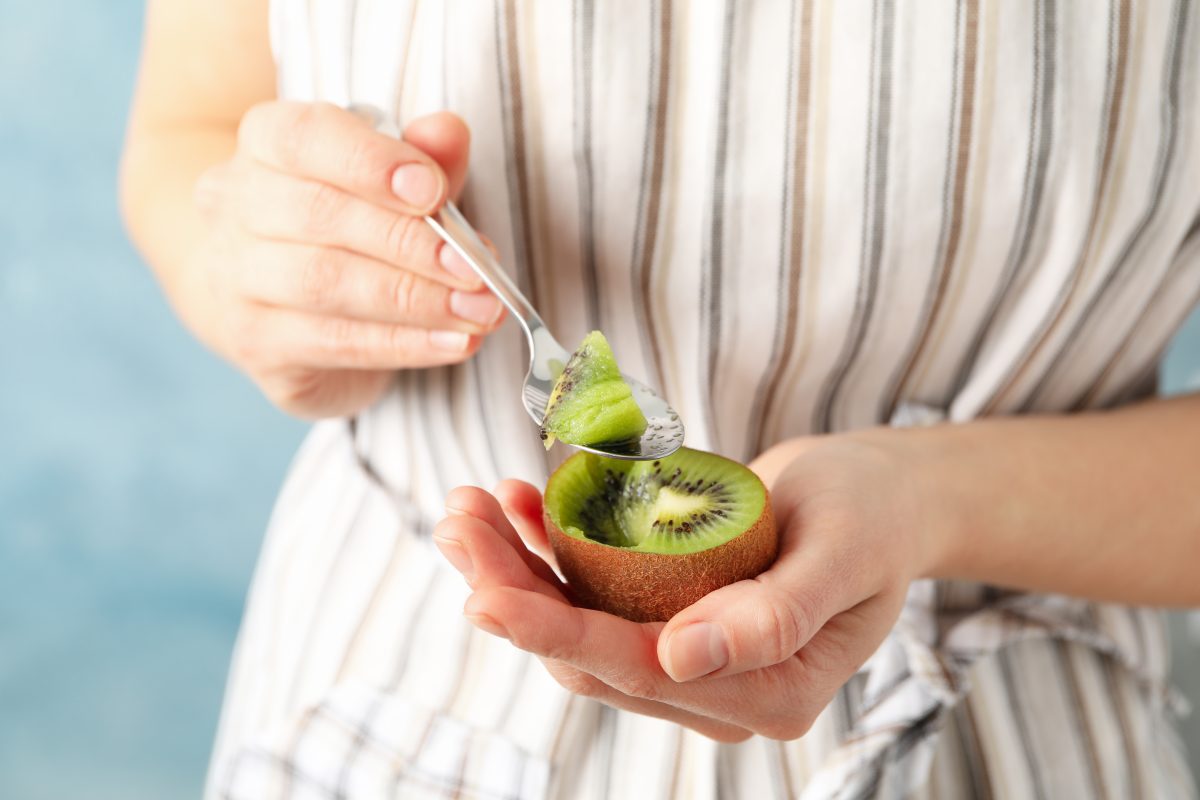
Kiwis are among the fruits high in lutein and zeaxanthin. Incorporating kiwis into your diet can boost your intake of these beneficial carotenoids.
[1] ScienceDirect. Xanthophyll
[2] Clinical Ophthalmology. Possible influences of lutein and zeaxanthin on the developing retina
[3] Journal of Functional Foods. Dietary lutein supplementation protects against ultraviolet-radiation-induced erythema: Results of a randomized double-blind placebo-controlled study
[4] The American Journal of Clinical Nutrition. The effects of lutein on cardiometabolic health across the life course: a systematic review and meta-analysis
[5] Current Developments in Nutrition. Lutein across the Lifespan: From Childhood Cognitive Performance to the Aging Eye and Brain
[6] The American Journal of Clinical Nutrition. A possible role for lutein and zeaxanthin in cognitive function in the elderly
[7] Nutrients. Dietary Sources of Lutein and Zeaxanthin Carotenoids and Their Role in Eye Health
[8] Archives of Ophthalmology. Clinical Trial of Lutein in Patients with Retinitis Pigmentosa Receiving Vitamin A
[9] JAMA Ophthalmology. Secondary analyses of the effects of lutein/zeaxanthin on age-related macular degeneration progression: AREDS2 report No. 3
[10] European Journal of Nutrition. Dietary guidance for lutein: consideration for intake recommendations is scientifically supported

