
Longevity.Technology System users:
To grasp how self-causing high blood pressure affects your health and to manage related concerns effectively:
- Download the LT System app on your Android or Apple smartphone.
- Open the LT System app and select ‘Health Insights.’
- Under ‘Heart Health,’ scroll down and find ‘Self Causing High Blood Pressure.’
- Now, scroll down to find your results and recommendations.
Not a user yet?
That’s OK; you can sign up for your Epigenetic & DNA test here.
Could your daily habits be secretly raising your blood pressure? Many people are unaware that simple lifestyle choices can significantly impact their blood pressure levels.
Commonly called the “silent killer,” hypertension is a widespread health problem with the potential to cause severe health consequences if untreated. The good news is that understanding the signs and making small changes can help you manage and even prevent high blood pressure.
What is normal BP by age?
Understanding normal blood pressure ranges across different age groups can help you maintain optimal cardiovascular health [1]. Here’s a breakdown of what is generally considered normal by age:
| Age group | Normal blood pressure (mmHg) |
|---|---|
| 18-39 years | Below 120/80 |
| 40-59 years | Below 130/85 |
| 60+ years | Below 140/90 |
It’s important to note that these are general guidelines, and individual targets may vary. Your optimal blood pressure level can vary depending on your general well-being, habits, and pre-existing health issues, including diabetes and kidney problems.
What are the signs of self-causing high blood pressure?
Many unknowingly engage in activities that can elevate their blood pressure, risking their health. We’ll explore seven key signs indicating your lifestyle choices affect your blood pressure:
1. Sedentary lifestyle
A sedentary lifestyle can significantly impact your health, increasing the risk of high blood pressure. Prolonged sitting and minimal physical activity contribute to weight gain and weaken your cardiovascular system.
Here are some key points to consider:
- Increased fat storage can result from inactivity, particularly in the abdominal region.
- A sedentary lifestyle can elevate cholesterol levels, further contributing to high blood pressure [2].
- Inactivity can reduce the efficiency of your heart and blood vessels, making it harder to regulate blood pressure.
- Simple activities may cause fatigue and shortness of breath, indicating a need for more physical exercise.
2. Unhealthy diet choices
An unhealthy diet can play a major role in raising blood pressure. Here are some key points:
- Eating salty snacks and processed foods can cause your body to retain water, increasing blood pressure.
- Sugar-filled beverages and confections have the potential to cause weight gain and insulin resistance.
- Skipping fruits, vegetables, and whole grains deprives your body of essential nutrients that help maintain healthy blood pressure levels.
- Frequent consumption of packaged and fast foods often leads to an intake of harmful additives and preservatives.
3. Excessive alcohol consumption
Excessive alcohol consumption can significantly impact your blood pressure and overall health. Regular heavy drinking raises blood pressure and contributes to heart disease. Here are some important considerations:
- Alcohol can increase blood pressure, especially in those who drink heavily.
- Consuming excessive amounts of alcohol can lead to weight gain due to its high caloric content, which may increase the risk of developing high blood pressure.
- Chronic alcoholism can weaken blood arteries and the heart muscle, making it more difficult to maintain normal blood pressure.

4. Chronic stress
Prolonged stress can negatively impact both blood pressure levels and overall health. Faced with stressful conditions, the body releases hormones like adrenaline and cortisol, which can temporarily increase blood pressure.
Crucial points to consider are:
- Constant stress can lead to long-term high blood pressure.
- Stress frequently triggers harmful habits like binge eating, smoking, or drinking too much, all of which can raise blood pressure even higher.
- Chronic stress can cause headaches, muscle tension, and fatigue, compounding its impact on your health.
5. Lack of sleep
Lack of sleep can significantly impact blood pressure and overall health. Poor sleep quality or insufficient sleep disrupts the body’s natural ability to regulate stress hormones, which can lead to elevated blood pressure. “Adequate sleep duration are important for the normal functioning of healthy life and however it can be affected by short-sleep duration and disruption of circadian rhythms” [3]. Consider the following:
- Chronic sleep deficiency can lead to a sustained increase in blood pressure, thereby elevating the likelihood of heart disease.
- Inadequate sleep affects hormones that regulate stress and appetite, contributing to weight gain and hypertension.
- Lack of sleep can cause daytime fatigue, reduced concentration, and impaired decision-making.
6. Excessive caffeine intake
Excessive caffeine intake can elevate blood pressure, particularly in sensitive individuals. Caffeine, found in coffee, tea, energy drinks, and some medications, can cause temporary spikes in blood pressure. Key points to consider include:
- Caffeine stimulates the adrenal glands, releasing stress hormones that can raise blood pressure temporarily.
- People vary in their sensitivity to caffeine; some may experience significant blood pressure changes even with small amounts.
- Coffee can interfere with sleep cycles, which prevents people from getting enough sleep and, therefore, raises blood pressure.
7. Ignoring regular health check-ups
Ignoring regular health check-ups can have serious implications for your blood pressure and overall health. Routine check-ups are essential for detecting high blood pressure early, as it often presents no symptoms. Key points include:
- Undetected high blood pressure: Many people with high blood pressure are unaware of their condition, leading to untreated risks.
- Missed monitoring opportunities: Regular check-ups allow for the monitoring of vital health metrics, including blood pressure, cholesterol, and glucose levels.
- Preventive care: Early detection of health problems through routine examinations can lower the chances of developing severe diseases like heart disease, stroke, or kidney failure.
Can I monitor my own blood pressure at home?
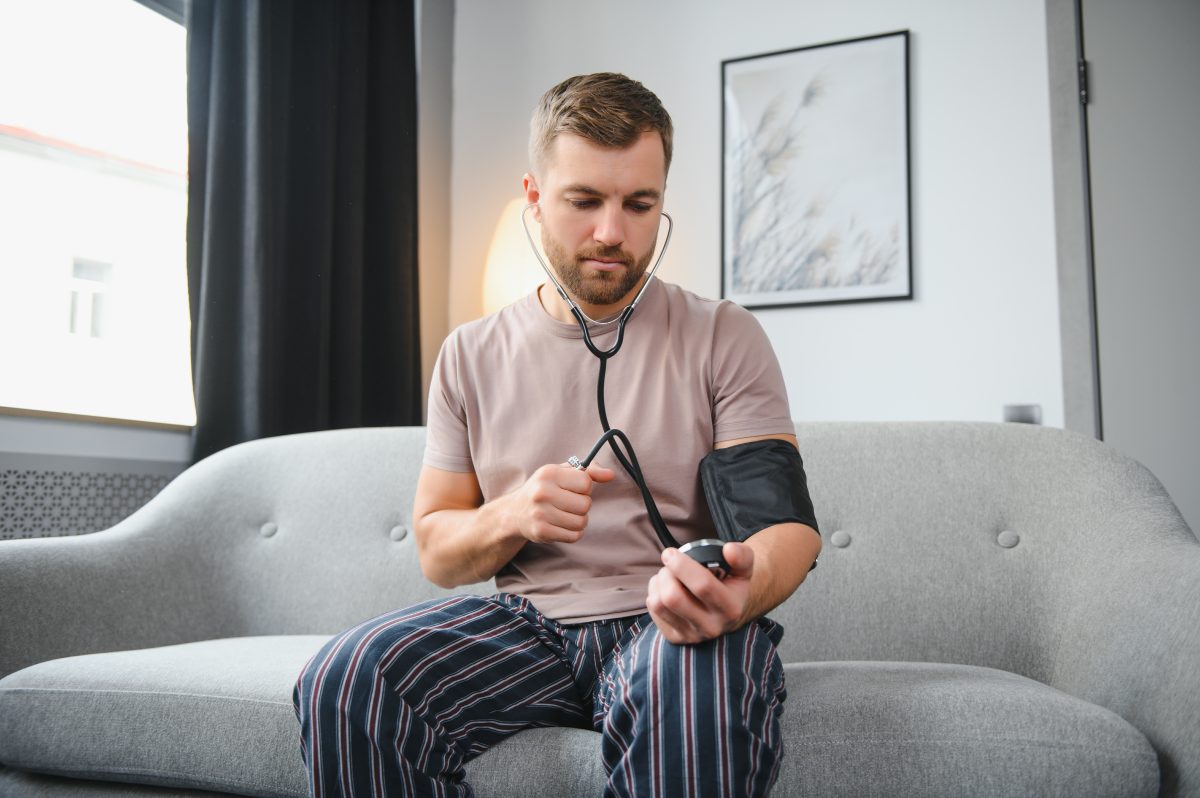
Monitoring your blood pressure at home is crucial in managing your cardiovascular health. It provides valuable insights into how your lifestyle, medications, and daily habits affect your blood pressure.
Here’s how to effectively monitor your blood pressure at home:
1. Choose a home blood pressure monitor
Choosing the right home blood pressure monitor is essential for accurate readings. Consider the following factors:
- Type of monitor: Select an automatic (digital) monitor for ease of use and reliability [4].
- Cuff type: Choose a model with an upper arm cuff, which provides more accurate results than wrist or finger monitors.
- Cuff size: To ensure the cuff fits correctly, measure the size of your upper arm.
- Features: Look for useful features like memory storage, multiple user profiles, and irregular heartbeat detection.
- Validation: To verify the monitor’s precision and dependability, confirm that it has been approved by reputable health institutions like the American Heart Association or the British Hypertension Society.
2. Measure blood pressure accurately
Accurate blood pressure measurement requires proper technique. Follow these steps:
- Preparation: Sit quietly for 5 minutes. Avoid caffeine, exercise, and smoking 30 minutes prior.
- Positioning: Sit upright in a chair with your back supported and both feet flat. Position your arm so the upper arm rests at heart level.
- Cuff placement: Securely wrap the blood pressure cuff around your upper arm, directly above the elbow. Ensure the cuff is aligned with your heart.
- Taking the reading: Note the recorded blood pressure values. A normal reading is below 120/80 millimeters of mercury (mmHg). Readings between 120-129/80 mmHg indicate elevated blood pressure, while 130/80 mmHg or higher signifies hypertension. [5].
- Repeat for accuracy: Take 2-3 readings, one minute apart, and record the average.
Considering the Longevity.Technology Epigenetic & DNA Test for managing high blood pressure
Managing high blood pressure often involves understanding the underlying causes, which can be influenced by both lifestyle and genetic factors.
The Longevity.Technology Epigenetic & DNA Test offers a comprehensive approach to uncovering these influences, providing valuable insights into your unique genetic makeup and how it interacts with your lifestyle choices.
- Convenient and non-invasive: The test is easy to administer at home with a simple saliva sample, making it hassle-free to gain valuable health information.
- Tailored lifestyle recommendations: Based on your test results, we will provide recommendations for managing your blood pressure through exercise, diet and other lifestyle modifications.
- Comprehensive health evaluation: The test offers a broad assessment of your overall health beyond blood pressure, identifying potential health risks and offering preventive strategies.
In closing
Simple steps can significantly improve your overall health. Regular home blood pressure monitoring can help you detect potential health problems early on and make informed decisions about your care.
Make it a habit to check your blood pressure regularly and stay informed about your cardiovascular health. Start now and monitor your blood pressure to make sure you’re on the correct track!
Facing challenges with self-causing high blood pressure? The Longevity.Technology Epigenetic & DNA Test can identify lifestyle factors contributing to your condition and provide tailored strategies to help you manage and improve your blood pressure.
FAQs
What is a normal blood pressure reading?
A normal blood pressure reading is typically below 120/80 mmHg. Readings above this range may indicate elevated or high blood pressure.
Can diet affect my blood pressure?
Yes, diet plays a significant role in blood pressure management. Eating a balanced diet low in sodium and high in fruits and vegetables can help maintain healthy blood pressure levels.
Can stress cause high blood pressure?
Chronic stress can lead to temporary spikes in blood pressure and contribute to long-term hypertension. Managing stress through relaxation techniques can help control your blood pressure.
Can caffeine affect my blood pressure?
Caffeine can temporarily raise blood pressure, especially in sensitive individuals. It’s best to monitor your response to caffeine and moderate your intake if needed.
[1] American Heart Association. Understanding Blood Pressure Readings.
[2] American Heart Association. Causes of high blood cholesterol.
[3] Artery Research. Sleep restriction and its influence on blood pressure.
[4] Wiley. Thinking with Care Infrastructures: People, Devices and the Home in Home Blood Pressure Monitoring.
[5] National Institutes of Health. What is High Blood Pressure.

