
Victoria Forest on how a new longevity city in Germany is planning to innovate toward a world without aging.
Every day across the globe 150,000 people die, and about two thirds – 100,000 per day – die of age-related diseases; in developed countries this estimation is even higher and reaches a staggering 90%.
At the same time, the world population is becoming older. Already by 2030, 1 in 6 people will be aged 60 years or older – and by 2050, this number is set to double. We can only imagine the enormous pressure that will be brought to bear on social systems and government institutions the world over.
Scientists and entrepreneurs are already working on solving the problem of aging, but we need a massive coordinated effort to accelerate progress. Enter the longevity pop-up cities which offer an ideal environment for like-minded individuals to come together, share the latest discoveries, exchange new knowledge and generate innovative ideas.
Aligned against aging
With the benefits of longevity cities having been firmly established at Vitalia and Zuzalu, it is time for Germany to play host. Kicking off in October, Zelar City is where entrepreneurs, scientists, investors and forward-thinkers will congregate for six weeks to co-work, co-live and organize events aimed at unlocking a world without aging and the threat of age-related diseases.
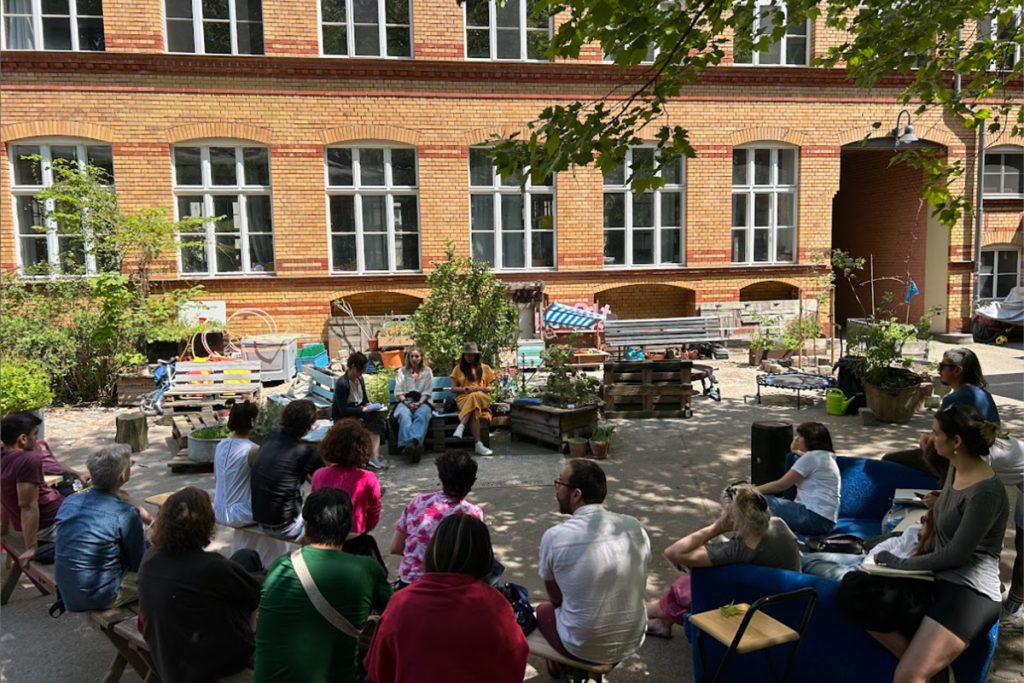
It is hoped that Zelar will inspire and foster innovative new projects that will unlock more healthy years for everyone, and the local community will also be encouraged to join in, learning more about state of the art aging research, experimenting with longevity interventions and biohacking their way to better health.
Cogitate, innovate, pollinate
Zelar will focus on longevity breakthroughs and network state innovation, offering a wide range of opportunities for building, learning, networking and prototyping. The event will be packed with presentations and workshops by leading longevity researchers and entrepreneurs who will share cutting-edge scientific discoveries. Each week is structured around a specific track, diving deep into themes like crypto and blockchain infrastructure, new governance models, longevity and biotech, DeSci, biohacking, LLM technologies and more. The pop-up will explore how blockchain technologies can support new funding mechanisms and governance frameworks, helping to decentralize research and development in the longevity space.
Residents will be able to engage in numerous activities aimed to improve health and well-being, including biomarker measurement and blood testing, a longevity health protocol, biohacking, group workouts, healthy food and personalized health advice.
Entrepreneurs will have the chance to pitch their ideas, receive mentorship and connect with potential investors, encouraging the growth of new startups dedicated to longevity.
An epicentre of longevity innovation
Inspired by the idea of a network state from Balaji Srinivasan, which was wonderfully brought to life by Vitalik Buterin in 2023 with Zuzalu in Montenegro, Zelar aims to seed a permanent longevity hub in Berlin where innovators, researchers and entrepreneurs can work together to push the boundaries of aging science. This permanent longevity hub will nurture collaboration, creating a connected community with shared goals and values. We hope to foster a network that will reach beyond typical borders. For Zelar, the guiding principle is simple: “End aging or die trying.”
Zelar pops up at the MOOS.garden, Berlin, Germany from 5th October to 17th November. Find out more HERE.
About Victoria Forest
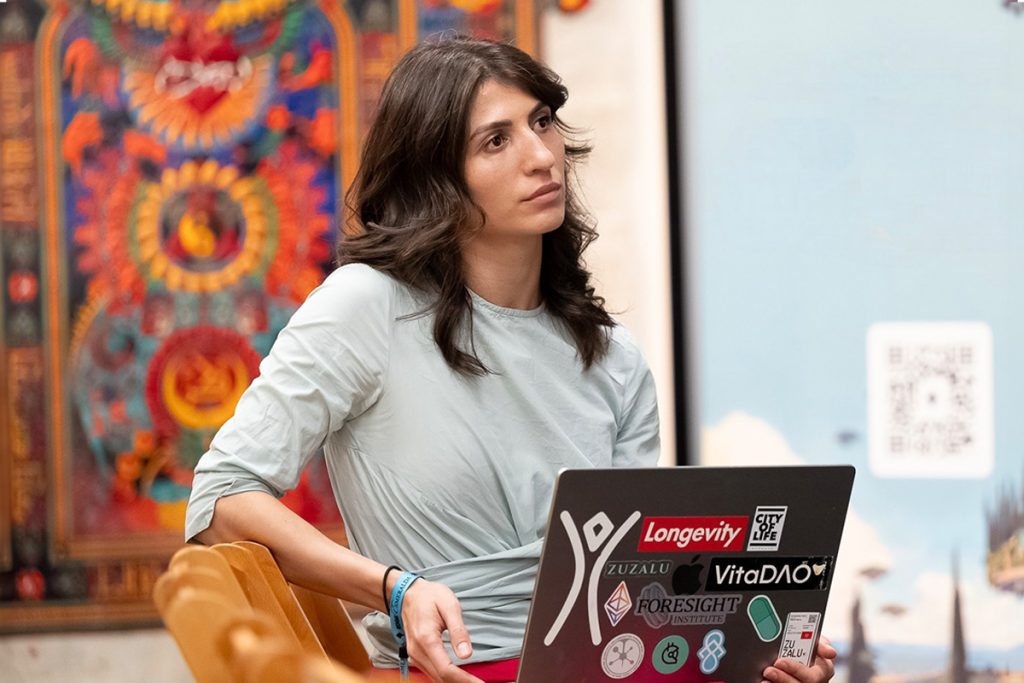
Victoria Forest is a techno-futurist and longevity maximalist. She’s a VitaDAO member and has helped curate the longevity track for multiple pop-up cities. The idea to build Zelar City came from the desire to create a Longevity Network State that will entirely solve aging.

