
Ginkgo biloba, often called a “living fossil,” is one of the oldest tree species on Earth, renowned for its health benefits that have been utilized in traditional Chinese medicine for centuries [1].
Today, Ginkgo biloba is celebrated for its potential to enhance cognitive function, support mental clarity, and improve circulation.
This ancient plant’s unique compounds, including flavonoids and terpenoids, contribute to its powerful antioxidant effects.
As modern research explores deeper into its properties, Ginkgo biloba has become a popular supplement for those seeking natural ways to boost brain health, protect against aging, and maintain overall wellness.
What is Ginkgo biloba?
Ginkgo biloba, often simply called Ginkgo, is one of the oldest living tree species, dating back over 200 million years [1]. Known as a “living fossil,” this resilient plant has withstood numerous environmental changes, symbolizing longevity and endurance in various cultures.
Key characteristics
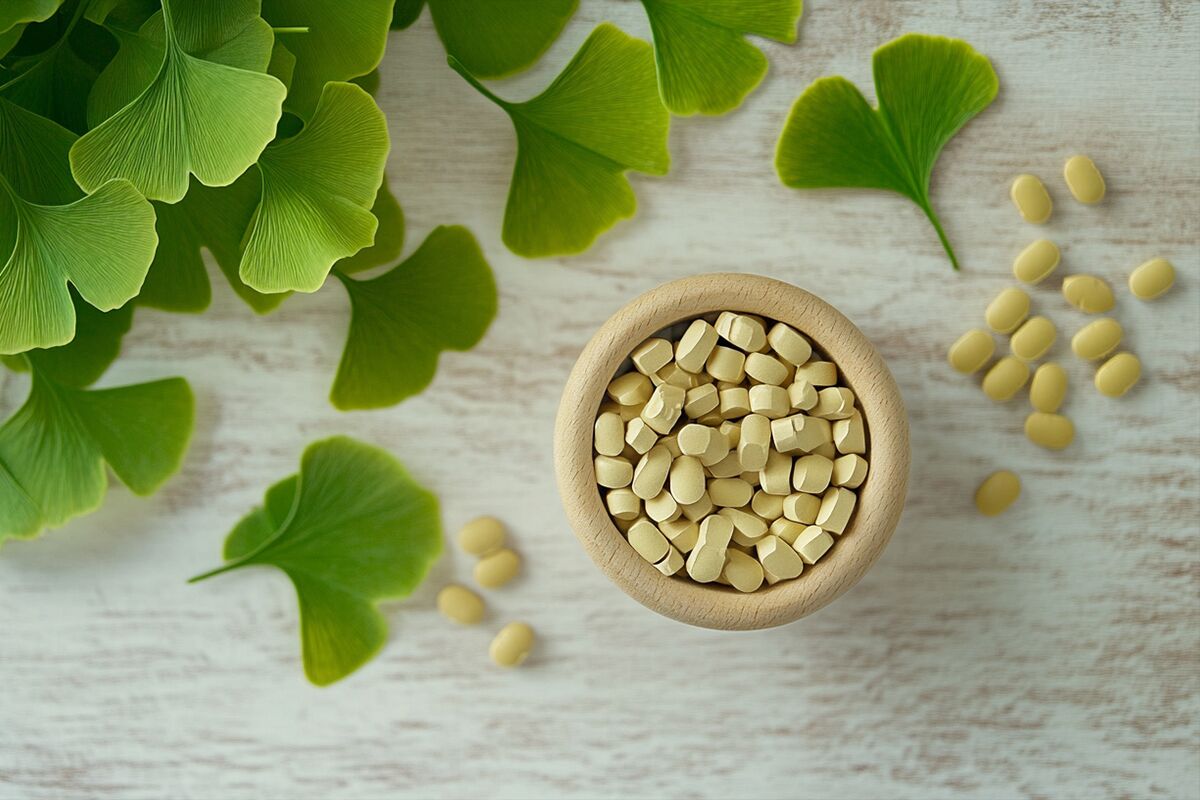
- Appearance: Ginkgo trees are easily recognized by their unique fan-shaped leaves, which are the primary source of their health benefits.
- Active compounds: Ginkgo leaves are rich in beneficial compounds, particularly:
- Flavonoids: Powerful antioxidants that protect cells from oxidative stress.
- Terpenoids: Compounds known for improving blood circulation by dilating blood vessels and reducing platelet stickiness.
Forms
Ginkgo biloba is most commonly consumed in standardized extract form, made from dried green leaves. These extracts are processed to concentrate the beneficial compounds, ensuring consistent potency. Ginkgo is available in various forms, including:
- Capsules and tablets: Convenient for daily supplementation.
- Liquid extracts: Easy to mix with beverages.
- Teas: A traditional way to enjoy the benefits of Ginkgo.
Historical and modern uses
- Traditional Chinese Medicine: Historically used to treat ailments like asthma, bronchitis, and kidney disorders.
- Modern applications: Today, Ginkgo is widely used for its potential cognitive, circulatory, and antioxidant benefits, making it a popular addition to wellness routines worldwide.

What is Ginkgo biloba good for?
Ginkgo biloba offers many health benefits, many of which are backed by both traditional use and modern scientific research. Here’s a closer look at some of the key benefits:
1. Enhances cognition
Ginkgo biloba is known for its ability to enhance memory and cognitive function. Studies suggest that Ginkgo may enhance blood flow to the brain [2], helping improve memory, especially in older adults.
It is also a popular supplement for those seeking to enhance cognitive performance in everyday tasks, as it boosts mental clarity and focus.
2. Improves mood
Ginkgo biloba has been studied for relieving anxiety symptoms due to its ability to reduce oxidative stress and improve circulation, potentially contributing to a calmer mood.
Some research suggests that Ginkgo may have a stabilizing effect on mood, which can be particularly beneficial for individuals experiencing mild depressive symptoms [3].
3. Boosts cardiovascular health
Ginkgo’s terpenoids aid in enhancing cardiovascular health by dilating blood vessels and reducing the adhesiveness of platelets, thereby improving blood circulation.
By improving circulation, Ginkgo may support heart health, potentially reducing the risk of heart-related issues [4].
4. Protects against oxidative stress and aging
Ginkgo biloba contains high levels of flavonoids, powerful antioxidants that safeguard cells from free radical-induced damage, thus helping prevent aging and various chronic illnesses.
The antioxidant properties of Ginkgo may also have anti-aging effects, helping maintain youthful skin and prevent age-related cognitive decline [5].
5. Supports eye health
Ginkgo biloba has been researched for its ability to promote eye health, especially in the prevention or deceleration of age-related macular degeneration (AMD), a major contributor to vision impairment in the elderly [6].
Does Ginkgo biloba have side effects?
Despite numerous potential benefits, Ginkgo biloba use is associated with risks and side effects [7].
Although generally considered safe for most people, certain precautions should be taken, especially if you have underlying health issues or are taking certain medications.
1. Gastrointestinal issues
Some people may experience mild digestive discomfort, like nausea, diarrhea, or stomach cramps, after taking Ginkgo biloba. These symptoms are typically short-lived but should be monitored.
2. Headaches and dizziness
Ginkgo can sometimes cause headaches or dizziness, especially when first starting the supplement. This is usually due to its effects on blood circulation.
3. Increased bleeding risk
Ginkgo biloba may increase bleeding risk, especially when used with blood-thinning meds like warfarin or aspirin or during surgeries or dental procedures.
4. Allergic reactions
Although rare, some people may experience skin itching or rashes. If you notice symptoms like these, discontinue use and consult a medical professional.
5. Seizure risk
Reports have indicated that Ginkgo biloba might reduce the seizure threshold in people with epilepsy or those prone to seizures. It’s important to refrain from using Ginkgo if you have seizure tendencies unless instructed otherwise by a healthcare professional.
Who should avoid Ginkgo biloba?
1. Pregnant and breastfeeding women
Limited research has been conducted on the safety of Ginkgo biloba during pregnancy and breastfeeding. Therefore, it is generally advisable to refrain from using it during these periods [8].
2. Individuals with bleeding disorders
Those with bleeding disorders or scheduled for surgery should avoid Ginkgo biloba due to its blood-thinning effects [9].
3. People taking certain medication
It’s important to consult your healthcare provider if you’re taking any prescription medications and considering adding Ginkgo biloba, as it can interact with various medications, including antidepressants, anticoagulants, and antiplatelet drugs [10].
How much Ginkgo biloba should you take every day?
The optimal dosage varies based on the intended use, individual health factors, and the specific product formulation.
General dosage recommendations
- Cognitive support – For memory enhancement and cognitive function, a common dosage ranges from 120 to 240 mg per day, divided into two or three doses. This dosage has been widely studied and is considered effective for supporting brain health [11].
- Anxiety and mood – To relieve anxiety symptoms or improve mood, a similar dosage of 240 to 480 mg daily is often recommended [12]. Some studies suggest that lower doses (around 80 mg) can also be effective for mood support [13].
Factors influencing dosage
- Age and health status – Older adults may require different dosages compared to younger individuals. Additionally, those with specific health conditions may need to adjust their dosage under medical supervision.
- Form of supplement – Ginkgo biloba is available in various forms, including capsules, tablets, liquid extracts, and teas. Standardized extracts are typically preferred for their consistent concentration of active compounds.
Safety and monitoring
If you’re new to Ginkgo biloba, start with a lower dose and gradually increase it to help your body adjust and minimize the risk of side effects.
Always consult your doctor before starting supplements like Ginkgo biloba, especially if you’re taking other medications or have underlying health conditions. They can help determine the right dosage for your needs.
When should you take Ginkgo biloba, morning or night?
Deciding whether to take Ginkgo biloba in the morning or at night depends on your specific health goals and how your body responds to the supplement. Here’s a guide to help you choose the best time:
Morning for a cognitive boost
Taking Ginkgo biloba in the morning is ideal if you want a boost in mental clarity, focus, and cognitive performance throughout the day.
The supplement’s effects on blood circulation and brain function can help you stay sharp and alert during work or study.
Ginkgo biloba may also provide a mild energy boost and help stabilize mood, making it a great addition to your morning routine alongside breakfast or morning supplements.
Night for relaxation
If you find that Ginkgo biloba has a relaxing effect on you, taking it at night might help ease anxiety and promote a restful sleep. However, this is less common and depends on individual responses to the supplement.
For some people, Ginkgo biloba can be stimulating, potentially interfering with sleep. If you experience this, it’s better to stick to morning or early afternoon doses.
Closing thoughts
Ginkgo biloba combines ancient wisdom with modern science, providing benefits for cognitive health, circulation, and antioxidant protection.
While it can be a valuable addition to your wellness routine, understanding the correct dosage and potential interactions is crucial.
Whether taken in the morning for mental clarity or with other supplements for enhanced effects, Ginkgo biloba requires thoughtful integration into your daily life.
Consult your healthcare provider to ensure its safe and effective use and help you harness the full potential of this remarkable supplement.
FAQs
Does Ginkgo biloba make you sleepy?
Ginkgo biloba is generally not known for causing sleepiness; instead, it may enhance mental alertness and focus. However, individual responses can vary.
Is Ginkgo biloba safe for the liver?
Ginkgo biloba is generally safe for the liver, but high doses or prolonged use may pose risks. Always consult a healthcare professonal before use, especially with pre-existing conditions.
Is Ginkgo biloba good for studying?
Yes, Ginkgo biloba may improve cognitive function, memory, and focus, making it beneficial for studying. Its effects are most effective with consistent use over time.
Is Ginkgo biloba safe on empty stomach?
Ginkgo biloba can be taken on an empty stomach, but some people may experience mild digestive discomfort. Take it with food to help reduce potential side effects.
[1] Wikipedia. Ginkgo
[2] Neuroradiology. Effects of Ginkgo biloba on cerebral blood flow assessed by quantitative MR perfusion imaging: a pilot study
[3] Current Drug Metabolism. Ginkgo biloba as an Alternative Medicine in the Treatment of Anxiety in Dementia and other Psychiatric Disorders
[4] Biology. Cardiovascular Activity of Ginkgo biloba—An Insight from Healthy Subjects
[5] Springer Link. Effect of the antioxidant action of Ginkgo biloba extract (EGb 761) on aging and oxidative stress
[6] Asia-Pacific Journal of Ophthalmology. Ginkgo Biloba Extract in Ophthalmic and Systemic Disease, With a Focus on Normal-Tension Glaucoma
[7] StatPearls. Ginkgo Biloba
[8] ResearchGate. Safety and efficacy of Ginkgo (Ginkgo Biloba) during pregnancy and lactation
[9] Journal of General Internal Medicine. Spontaneous Bleeding Associated with Ginkgo biloba
[10] Drugs.com. Ginkgo Drug Interactions
[11] Human PsychoPharmacology. Modulation of cognitive performance following single doses of 120 mg Ginkgo biloba extract administered to healthy young volunteers
[12] Journal of Psychiatric Research. Ginkgo biloba special extract EGb 761 in generalized anxiety disorder and adjustment disorder with anxious mood: a randomized, double-blind, placebo-controlled trial
[13] BMC Complementary Medicine and Therapies. Ginkgo biloba induced mood dysregulation: a case report

