
Ever wondered if a cup of green tea or a green tea extract supplement provides better health benefits? Both options are popular, but which one truly stands out in terms of health perks?
A staple for centuries, green tea offers a natural source of antioxidants. For those seeking a more potent dose, green tea extract provides a concentrated form of these beneficial compounds.
Looking at green tea and green tea extract side-by-side reveals interesting differences in their health benefits [1].
Although they differ in form and efficacy, both provide strong antioxidants, assist with weight loss, and offer advantages for heart health. You can choose more wisely for your health objectives if you know these distinctions.
Antioxidant power
Green tea and its concentrated form, green tea extract, are well-known for their ability to combat free radicals. However, there are important differences to consider when choosing between the two.
| Green tea | Green tea extract |
|---|---|
| Provides antioxidants in their natural form | Contains a concentrated dose of antioxidants, often equivalent to several cups of tea |
| Rich in catechins, particularly EGCG, which combat oxidative stress | Offers a more powerful punch of catechins, especially EGCG |
| Offers a steady supply of antioxidants when consumed daily | Available in capsules, powders, and liquids for easy consumption |
| Suitable for those who prefer a gradual intake of beneficial compounds | Ideal for those seeking immediate benefits from high antioxidant levels |
Choosing between green tea and green tea extract depends on your preference for a natural, gradual intake versus a concentrated, potent dose.
Both provide excellent antioxidant support, but green tea extract may offer faster and more pronounced effects due to its higher concentration.
Weight loss and metabolism
Because green tea and green tea extract include the active chemicals EGCG and caffeine, which improve fat burning and boost metabolism, they are well-known for their potential weight loss effects.
| Green tea | Green tea extract |
|---|---|
| Regular consumption helps increase energy expenditure and fat oxidation | Offers a concentrated dose of EGCG, potentially enhancing fat burning more effectively |
| Consuming green tea around mealtimes might support healthy weight control over time | Higher level of active compounds may contribute to a quicker boost in metabolic rate |
| Suitable for those who prefer a traditional and steady approach to weight loss | Ideal for those who want a potent, easy-to-take supplement without needing multiple cups of tea daily |
If you’re looking for a natural approach to weight loss, green tea could be a helpful addition to your routine. It contains properties that can boost your metabolism.
Meanwhile, green tea extract, with its concentrated potency, may be more suitable for individuals seeking faster and more significant results in their weight loss journey.

Heart health
Consuming green tea, and especially green tea extract, can provide substantial advantages for your heart. The concentrated form of green tea provides a higher level of its beneficial properties, which may improve heart health and reduce the risk of developing heart disease.
| Green tea | Green tea extract |
|---|---|
| Helps lower LDL (bad) cholesterol and increase HDL (good) cholesterol levels | Offers a higher dose of heart-healthy catechins, providing more potent effects on cholesterol and blood pressure |
| Can help reduce blood pressure, promoting heart health | May yield faster results in improving cardiovascular markers |
| The catechins in green tea protect blood vessels and reduce oxidative stress, supporting overall cardiovascular health [2] | Easy to incorporate into a daily routine, especially for those who may not consume multiple cups of tea daily |
| Supports heart health and may lower the risk of heart attacks and strokes over time | Can significantly improve heart health metrics, offering a powerful option for those with higher cardiovascular risk |
Both green tea and green tea extract are excellent choices for supporting heart health. Regular green tea provides a steady, enjoyable way to protect your heart, while green tea extract offers a potent, convenient alternative for those seeking quicker, more pronounced benefits.
Cognitive function
Green tea and green tea extract both contribute positively to brain health, enhancing cognitive function and protecting against neurodegenerative diseases.
| Green tea | Green tea extract |
|---|---|
| The combination of caffeine and L-theanine improves focus and alertness while encouraging relaxation without causing sleepiness. | Contains higher levels of EGCG and other catechins, providing more potent neuroprotective effects |
| Regular consumption can improve mood and mental clarity | Can lead to more significant improvements in focus and mental clarity |
| Helps protect brain cells from oxidative stress and damage | Ideal for those seeking immediate cognitive benefits |
| May reduce the risk of Alzheimer’s and Parkinson’s diseases | Easy to incorporate into daily routines, especially for individuals with busy schedules |
Green tea offers a natural and enjoyable way to support cognitive health, making it a great option for daily use.
With its concentrated form, green tea extract may provide more immediate and pronounced cognitive benefits, making it suitable for those looking for a quick boost in brain function.
Anti-inflammatory properties
Green tea and green tea extract both possess strong anti-inflammatory properties, making them valuable for managing inflammation and promoting overall health.
| Green tea | Green tea extract |
|---|---|
| Contains polyphenols that inhibit the production of inflammatory molecules, reducing overall inflammation | Offers a higher concentration of anti-inflammatory compounds, providing more potent relief |
| Can help manage chronic inflammatory conditions like arthritis and inflammatory bowel disease | Can reduce inflammation more quickly and effectively, making it suitable for acute inflammatory conditions |
| Provides a consistent, gentle anti-inflammatory effect that supports long-term health | Available in capsules, powders, and liquids, allowing for easy and flexible consumption |
| Ideal for those who prefer a natural and gradual method to reduce inflammation | Especially beneficial for individuals seeking immediate and focused anti-inflammatory effects |
Both green tea and green tea extract effectively reduce inflammation, but the choice depends on individual needs. Green tea provides ongoing, gentle relief, while green tea extract offers a powerful, concentrated option for those needing quicker results.
While green tea and green tea extract offer numerous health benefits, it’s important to be aware of their potential side effects and risks. Below is a comparison of the possible issues associated with each:
| Aspect | Green tea | Green tea extract |
|---|---|---|
| Caffeine content | Can cause headaches, insomnia, and jitteriness in sensitive individuals. | Higher concentration can lead to more pronounced caffeine-related side effects. |
| Digestive issues | May cause stomach upset or acid reflux if consumed in large amounts. | Higher doses can lead to significant digestive discomfort and nausea. |
| Liver toxicity | Generally safe, but excessive consumption (more than 5 cups per day) can strain the liver. | Risk of liver toxicity if taken in high doses or on an empty stomach. |
| Nutrient absorption | Can inhibit iron absorption if consumed with meals. | May interfere with certain medications and reduce nutrient absorption. |
| Allergic reactions | Rare, but possible in individuals sensitive to tea components. | Possible allergic reactions due to higher concentrations of compounds. |
| Pregnancy and breastfeeding | Should be consumed in moderation due to caffeine content. | Higher risk due to concentrated caffeine and other compounds; consult a doctor. |
When deciding whether to include green tea or green tea extract in your daily routine, it can be helpful to be aware of these possible adverse effects. Before making any major dietary or supplementation changes, always get medical advice.
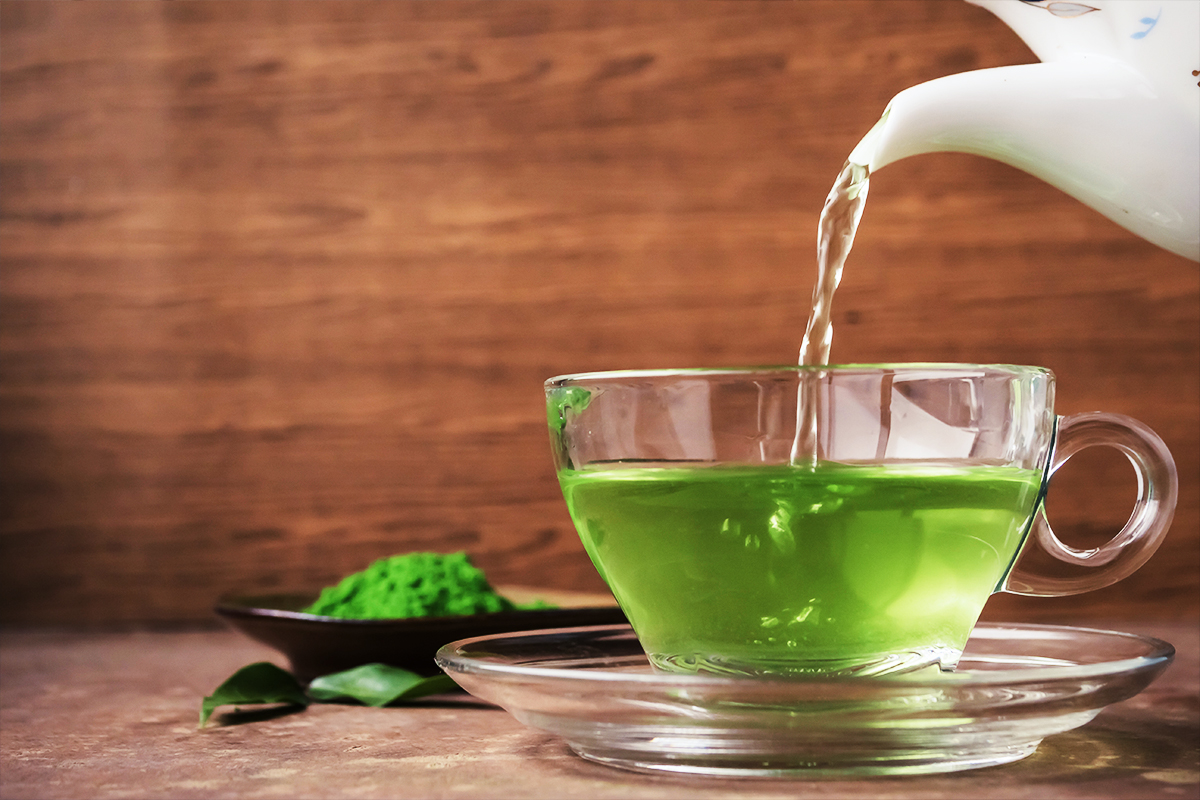
What is the proper consumption of green tea?
From brewing a cup of tea to using concentrated extracts, green tea offers a range of ways to experience its potential health benefits.
Green tea
- Brewing: Traditional and simple. Steep tea leaves in hot water for 3-5 minutes. Matcha, a powdered form, can be whisked into hot water or milk for a rich, frothy drink.
- Types: Explore different varieties like sencha, gyokuro, and matcha for unique flavors and benefits.
- Timing: Ideal to drink in the morning or afternoon for a gentle energy boost and relaxation.
- Capsules: Convenient and easy to take with water, ideal for those with busy schedules.
- Powders: Mix into smoothies, shakes, or water for a quick antioxidant boost.
- Liquids: Add to beverages or take directly for a concentrated dose of health benefits.
Both forms offer flexibility to fit into your lifestyle, providing a convenient way to enjoy the health benefits of green tea.
In closing
Depending on your dietary habits and health objectives, you can choose between green tea and green tea extract. Choosing what best suits your daily schedule will help you make the appropriate decision.
Whether you prefer the traditional brewing method or the convenience of supplements, incorporating green tea into your daily routine can offer benefits.
FAQs
What are the main health benefits of green tea?
Green tea provides powerful antioxidants that reduce oxidative stress and support overall health. It also aids in weight management, improves heart health, and enhances cognitive function.
How does green tea extract differ from regular green tea?
Green tea extract is a concentrated form of green tea, offering a higher dose of beneficial compounds. It provides quicker and more potent effects compared to regular green tea.
Can green tea help with weight loss?
Green tea contains compounds like EGCG and caffeine that boost metabolism and enhance fat burning. Regular consumption can aid in weight management and support weight loss efforts.
Which is better for heart health, green tea or green tea extract?
Both support heart health by lowering cholesterol and reducing blood pressure. Green tea extract offers a more concentrated dose, potentially providing faster benefits.
[1] Chinese Medicine. Beneficial effects of green tea: A literature review.
[2] Current Medicinal Chemistry. Green Tea Catechins and Cardiovascular Health.

