
Hevolution joins investors backing biotech that aims to harness the power of the epigenome to treat chronic diseases and improve healthspan.
Epigenome editing company Tune Therapeutics has secured more than $175 million in Series B financing to advance its “genetic tuning” platform and associated therapeutic programs. Founded in 2021, the company’s approach is focused on “activating, silencing, and fine-tuning the output of specific genes to reverse cellular dysfunction and disease.”
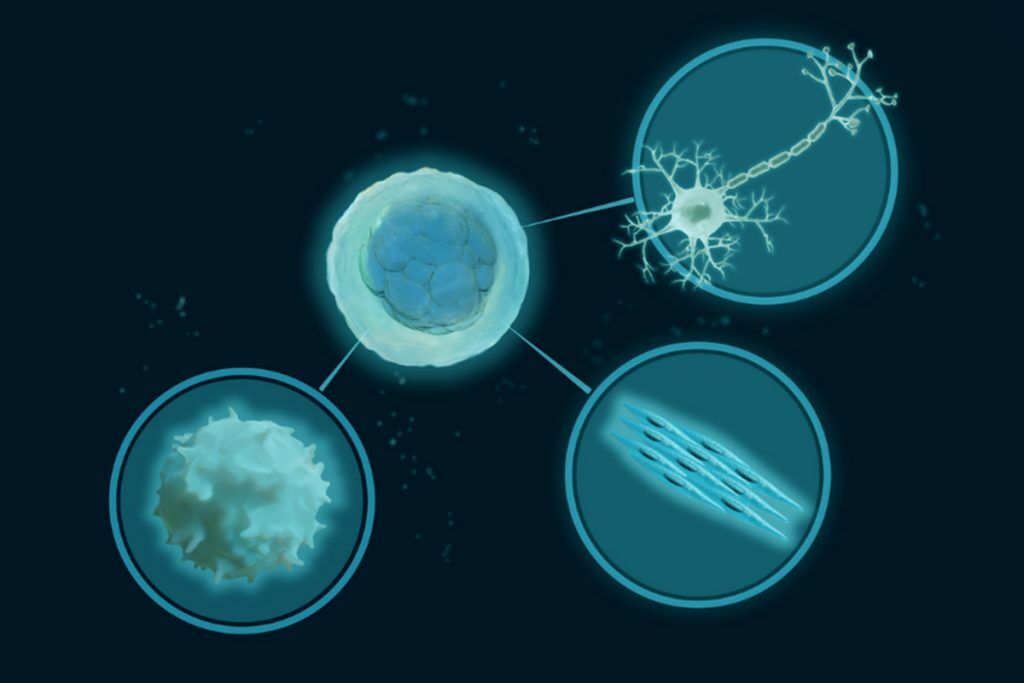
Unlike gene-editing technologies that cut or replace DNA, Tune aims to tackle common chronic diseases by targeting epigenomic controllers to precisely regulate gene activity, leaving the DNA sequence intact. The approach is intended to minimize risks associated with DNA damage and off-target effects, while enabling the modulation of multiple genes simultaneously – particularly relevant in complex, age-related diseases. The company claims its technology has the potential to replace cells lost to aging and disease, facilitate the repair of age-damaged tissues and organs, mitigate chronic inflammation and immune dysfunction, and reverse or reset the gene dysregulation patterns that drive many chronic, late-onset diseases.
The Series B round was led by investors including healthspan-focused nonprofit Hevolution Foundation, alongside New Enterprise Associates, Regeneron Ventures and Yosemite.
“To date, modern medicine and pharmacology has done much to extend our lifespans, but far less for our active healthspans,” said William Greene, Hevolution’s Chief Investment Officer. “Chronic diseases of aging are accelerating in incidence, prevalence, and severity, and current approaches are simply inadequate. It is our belief that epigenetic editing may prove to be the transformative modality we need to enable a new era of regenerative medicine.”
The new funding will accelerate development of Tune’s pipeline, including its flagship program, Tune-401, an epigenetic silencer for chronic Hepatitis B (HBV), a condition impacting millions worldwide and the leading cause of liver cancer. The company’s first clinical-stage program, Tune-401 silences key DNA structures required for infection persistence, using lipid nanoparticle technology provided by Acuitas Therapeutics. The therapy is currently undergoing clinical trials in New Zealand and Hong Kong.

Tune co-founder, Dr Charles Gersbach, whose research at Duke University formed the basis for Tune’s platform, said: “It is deeply gratifying to have seen this platform and company evolve so far. Tune has already achieved a global landmark in the field, in the clinical application of epi-editing to a common and chronic disease.”
Tune’s platform, called TEMPO, employs a modular design comprising DNA-binding domains (DBDs) and effectors. The DBDs guide the system to specific genomic regions, including enhancers and repressors, to finely tune gene activity. Effectors then modify local epigenetic marks, adjusting gene accessibility and transcription.
Depending on therapeutic needs, TEMPO can upregulate or silence genes with specificity and durability, leveraging the cell’s innate epigenetic memory for lasting effects from transient interventions. At the 2023 ASGCT conference, Tune demonstrated durable repression of the PCSK9 gene in non-human primates, resulting in a sustained reduction of LDL cholesterol levels nearly two years after a single treatment.

