
Following last weekend’s Roundtable, LCW’s Manjit Sareen reflects on a defining moment for standards, science and global alignment.
The Roundtable of Longevity Clinics at the Buck Institute convened an exceptional group of physicians, scientists, academics, investors, and operators – individuals whose collective work is shaping the trajectory of human health and longevity. The depth and quality of discourse across diagnostics, epigenetics, therapeutics, behavioral science, computational biology, and AI made this one of the most substantive gatherings in our field to date.
A central theme emerged throughout the discussions: the scientific and technological foundations of longevity medicine are advancing at a pace that far exceeds the standards and frameworks required to support them. As Peter Diamandis noted, computational capacity is accelerating so rapidly that biology is shifting from something largely mysterious to something increasingly computable. As continuous diagnostics, AI-driven interpretation, and predictive models mature, the next 10 to 15 years may fundamentally redefine human healthspan – positioning chronic disease not as an inevitability but as a preventable systems failure.
These possibilities bring extraordinary promise, but they also highlight the urgency of shared definitions, transparent frameworks, and rigorous standards of practice. Longevity Clinics World sits at this intersection as a connector and credibility engine for the sector. We serve as a gateway for consumers, a vetting mechanism for clinics, and an advocate for the clarity and accountability that will determine the legitimacy and maturity of longevity medicine.
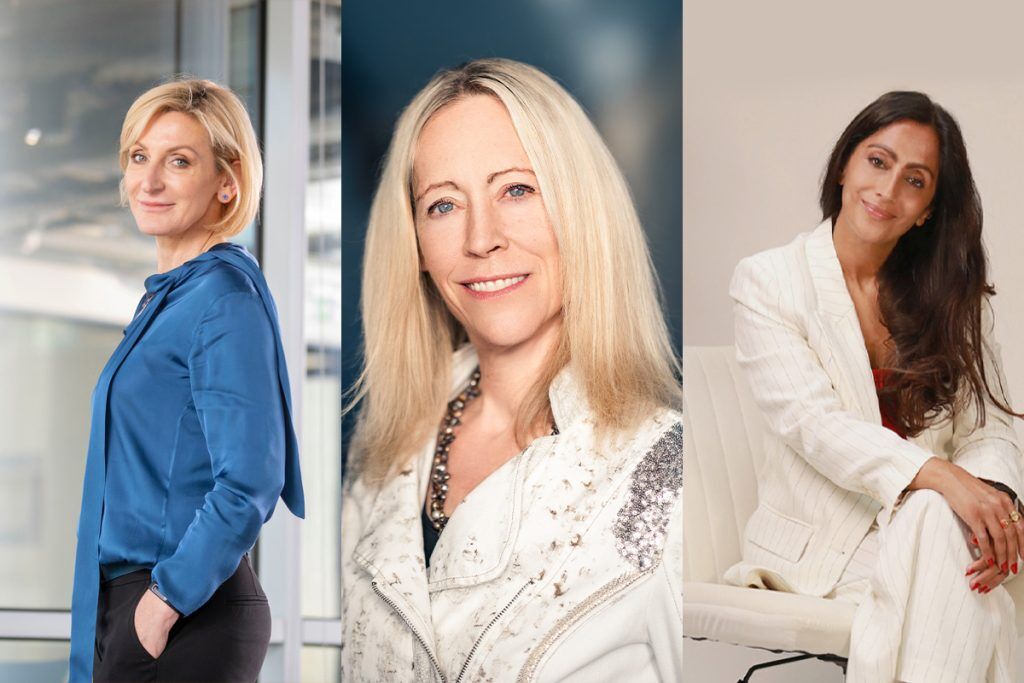
This is why our collaboration with the International Institute of Longevity – led by Joanna Bensz and Tina Woods – and with HLMS and their international team is so critical. Each organization brings distinct strengths, and together we are committed to developing the foundational language, classifications, and evidence-based standards that clinics around the world can align with. Professor Andrea Maier, representing HLMS and present at the conference, underscored this collective effort by highlighting Longevity Clinics World on stage and drawing attention to the grid of standards we are developing collaboratively. Her remarks reinforced both the urgency and the shared momentum behind this work, and the recognition that standards must evolve in tandem with scientific progress.
Our aim is to advance this work as soon as possible, with the ambition to showcase the first collaboratively developed standards at the earliest viable opportunity – offering clear definitions for consumers, coherent guidance for clinics, and a unified framework that elevates credibility and transparency across the sector.
As computational biology, AI, and continuous monitoring systems reshape what is possible, the responsibility of clinics grows in equal measure. Healthy longevity is no longer a niche concept; it is rapidly becoming a global imperative. Those leading this movement now hold both the responsibility and the privilege of shaping how society experiences aging in the decades ahead. Establishing shared, credible standards is not simply an operational necessity; it is the foundation upon which trust, coherence, and long-term impact will be built.

