
Abu Dhabi partners with IHLAD and HLMS to establish standards for longevity clinics and licenses IHLAD as healthy longevity medicine center.
Abu Dhabi has taken a significant step in advancing healthcare by establishing the world’s first evidence-based clinical guidelines for healthy longevity medicine. Through collaboration with the Department of Health Abu Dhabi (DOH), the Institute for Healthier Living Abu Dhabi (IHLAD), and the Healthy Longevity Medicine Society (HLMS), this initiative aims to transform healthcare provision by integrating preventive and longevity-focused care. This framework sets a new benchmark, particularly in the Middle East, for clinical guidelines that support healthy aging and enhance quality of life.
In addition, the DoH has announced the licensing of IHLAD as the first specialised healthy longevity medicine center (HLMC) in the world. In a statement, DoH said that “as the world’s first regulated longevity medicine facility, it will contribute to establishing new global standards in healthy longevity medicine, promising a future where optimal health and enhanced longevity becomes the new standard of living.”
The HLMCs will be equipped to address various aspects of care, including lifestyle, medications and therapeutics, mental well-being, social and environmental factors. This includes diagnostic and interventional services designed to prevent and treat age-related conditions, enhance physical fitness and improve rehabilitation outcomes.
Longevity.Technology: As longevity science advances, the focus within longevity medicine is increasingly on clinical standards, prioritizing disease prevention and extended healthspan. This rapid development signals an urgent need for healthcare systems to adapt, centering on prevention and promoting healthy aging. Establishing standards and fostering global collaboration will be essential for the implementation of best practices, and to ensure that the benefits of longevity science reach as many as possible. Next month’s Roundtable on Longevity Clinics will also focus on standardizing clinical practices across the field, underscoring a growing commitment to integrating longevity-focused practices into mainstream clinical care.
The guidelines, effective from April 2025, set licensing criteria for facilities in Abu Dhabi and establish comprehensive standards for what constitutes a ‘Healthy Longevity Clinic’; this covers aspects such as advanced diagnostics, personalized interventions and rigorous clinical governance. This structure is designed to provide a clear and consistent approach to treating aging as a primary medical focus, and offers a roadmap for other countries to adopt similar practices in the future.
The DOH Scope and Standards for Healthy Longevity Medicine Facility Working Group is made up of various longevity experts, including Nicole Sirotin, CEO of IHLAD and council member of HLMS, and chaired by Andrea Maier (President, Healthy Longevity Medicine, Oon Chiew Seng Professor in Medicine, National University of Singapore), Evelyne Bischof (Professor of Medicine, longevity physician), Louis Island (Director, Healthy Longevity Medicine Society), Eric Verdin (CEO and President, Buck Institute for Research on Aging) and Thomas Rando (Director, Broad Stem Cell Research Center, UCLA).
“The UAE steps up as the global trailblazer leading the Healthy Longevity revolution: it is the first country to set standards for the ‘Longevity Clinic’ by defining comprehensive clinical practice guidelines,” said Dr Nicole Sirotin.
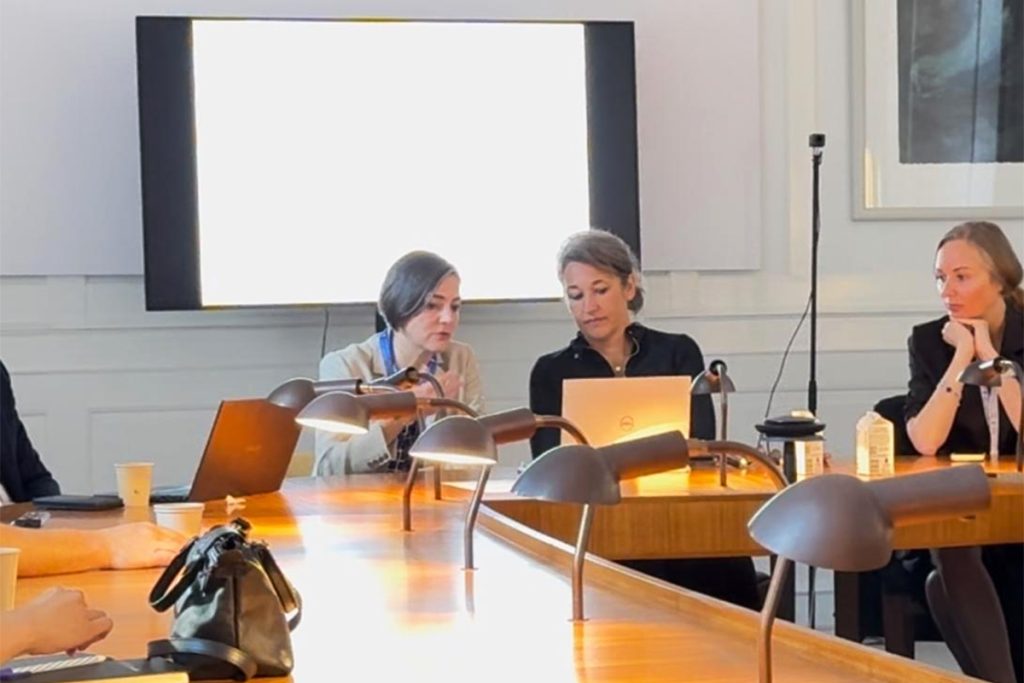
Sirotin emphasized the innovative collaborative effort with DOH and HLMS, which has resulted in “the world’s first evidence-based guidelines to set the standards for Healthy Longevity Medicine.”
“This achievement reinforces UAE’s leadership in redefining the next era of precision healthcare,” she added.
The growing impact of non-communicable diseases (NCDs) was central to this initiative. These diseases account for the majority of healthcare burdens globally, with aging populations increasing demand on medical systems.
Professor Andrea Maier, Chair of the DOH Scope and Standards Working Group, emphasized the strategic importance of prevention-focused frameworks: “Non-communicable diseases, accounting for the majority of disease burden, are on the rise as nations age. In response, healthcare systems need to reshape and focus on prevention and healthy aging, empowering citizens to manage their health proactively with support from general and specialized practices.” This structured approach offers healthcare providers a clear framework for integrating preventative strategies into medical services.
A benchmark for healthy aging
The partnership’s model emphasizes several key components: advanced diagnostics, lifestyle medicine, personalized interventions and multidisciplinary care teams trained in longevity medicine. Diagnostic standards include detailed medical histories, physical examinations and biomarker testing to assess patients’ biological age and overall health status. This evidence-based approach is designed to assess aging-related risks comprehensively and initiate interventions that target aging processes directly.
Under the Healthy Longevity Medicine framework, diagnostic assessments are complemented by individualized care programs, including lifestyle modifications across nutrition, physical activity, cognitive health and therapeutic options. These interventions are tailored to support patients’ longevity and healthspan, ensuring that longevity care is personalized and rooted in evidence.
The initiative is particularly relevant as healthcare systems worldwide adapt to aging populations and growing rates of chronic diseases. Through these new guidelines, the UAE positions itself as a leader in longevity-focused healthcare, setting an example that could encourage other nations to adopt similar standards.
Maier added: “This strategic collaboration culminates in the development of the world’s first formalized document providing evidence-based standards for healthy longevity medicine. This pioneering framework establishes the UAE as the first nation to clearly define the scope and services required within a ‘Healthy Longevity Clinic,’ underscoring the UAE’s role in shaping global healthcare.”
Fostering proactive health management
Healthy Longevity Medicine emphasizes lifestyle interventions and preventive care. To support this, the initiative integrates educational programs for clinicians, quality assurance measures and ethical protocols. Continual training programs ensure that healthcare professionals remain current with advancements in longevity science, reinforcing patient safety and aligning with global best practices. These measures aim to safeguard patient welfare, ensuring that care models are governed by stringent oversight and current scientific knowledge.
The project’s comprehensive care model is designed to foster a proactive health management culture where individuals are encouraged to make lifestyle adjustments that promote well-being throughout the aging process.
Moreover, the governance and clinical care model provide operational consistency, supported by a standardized approach in clinical procedures, safety measures and ethical care practices. This model is underpinned by detailed facility design and infrastructure standards, ensuring the physical environment of these clinics aligns with the unique requirements of Healthy Longevity Medicine.
Setting the stage for future longevity clinics
The broader implications of this collaboration extend beyond Abu Dhabi. This partnership serves as a model for longevity medicine that other healthcare systems may soon consider. By promoting evidence-based practices, the DOH, HLMS and IHLAD are not only addressing the needs of an aging population but also shaping the future of preventive healthcare on a global scale.
This pioneering framework serves as a model for longevity medicine that other healthcare systems may consider, aiming to standardize clinical practices, diagnostic procedures and quality control measures across the field. The UAE’s leadership in Healthy Longevity Medicine is further reinforced by multidisciplinary, expert-led teams, which ensure that high standards of care are maintained consistently across facilities.
The clinic model, supported by experienced physicians trained in longevity medicine, incorporates advanced diagnostics, targeted lifestyle interventions, and personalized care, making it well-suited to address both immediate and long-term health needs. Through these standards, Abu Dhabi hopes to influence the future of longevity clinics and healthcare delivery around the world, potentially paving the way for regulatory frameworks that prioritize preventive care and the optimization of healthspan.
Maier told Longevity.Technology: “It is so exciting to have government that is now embracing the idea that prevention should be the key and supporting a scope of practice for healthy longevity medicine physicians. It’s a huge milestone in the field to see a country wanting to improve and optimize health and healthspan, because they see that otherwise healthcare costs are going to rise significantly with lots of consequences.”
The implementation of these guidelines could lead to improved population health outcomes, a reduction in the prevalence of age-related diseases, and a more efficient allocation of healthcare resources. With a robust clinical model, encompassing advanced diagnostic standards and a clear governance structure, this initiative positions the UAE at the forefront of medical innovation. The collaborative efforts of DOH, IHLAD, and HLMS reflect a mission to set new benchmarks in longevity-focused clinical care, paving the way for a healthier future.

