
Generous offer means donors have opportunity to double contributions to cutting-edge research aimed at extending healthspan and lifespan.
The Longevity Escape Velocity (LEV) Foundation has introduced an exciting opportunity for supporters of longevity science. In an effort to accelerate the development of treatments that could extend healthy human lifespan, LEV has launched its October 2024 Matching Challenge. This initiative was made possible through an initial generous donation of €200,000 from Didier Coeurnelle. During the challenge, all donations made to the foundation will be matched up to an additional €200,000 – offering a significant boost to funding for research projects that aim to slow down and reverse the aging process. This initiative marks a critical moment for the longevity community, as it emphasizes the urgent need for financial backing in this rapidly evolving field.
The challenge comes at a time when the global conversation surrounding aging and lifespan extension is gaining momentum as the global population continues to age, and the need for breakthroughs in longevity research is becoming more urgent. The potential for matched donations to have a substantial impact on longevity research is obvious – by doubling the value of each contribution, donors have a unique opportunity to amplify their financial support, aiding research efforts that could lead to breakthroughs in age-related diseases, rejuvenation therapies, and methods to enhance overall healthspan.
Longevity.Technology: The matching challenge could play a pivotal role in encouraging further public engagement with longevity research. By matching contributions, the LEV Foundation not only doubles the financial impact of each donation but also underscores the importance of community involvement in the future of health and aging science. As noted by Fight Aging!: “large matching funds have a way of persuading fence-sitters to donate, boosting overall funding for high-impact research.”
This effort represents more than just a financial campaign – it is an invitation to participate in shaping the future of medicine, one where aging could be delayed, managed, or even reversed through scientific advancement. By making donations more impactful, LEV’s initiative could help overcome the funding gaps that often slow down progress in experimental and innovative fields like longevity research.
According to the LEV Foundation, all matched funds will be channeled directly into scientific studies that align with the organization’s mission. These projects include Robust Mouse Rejuvenation (RMR), a research initiative focused on significantly extending the lifespan and healthspan of middle-aged mice through the combination of multiple rejuvenation therapies. The goal is to demonstrate a measurable increase in both healthy and total lifespan, with a focus on repairing the biological damage that accumulates with aging. RMR aims to serve as a proof-of-concept that such approaches can also be applied to humans, potentially leading to therapies that combat age-related diseases and extend human lifespan.
Didier Coeurnelle says that the RMR investigations are poised to transform public understanding of the possibilities of treatments to extend healthspan and lifespan, not only in mice, but in humans.
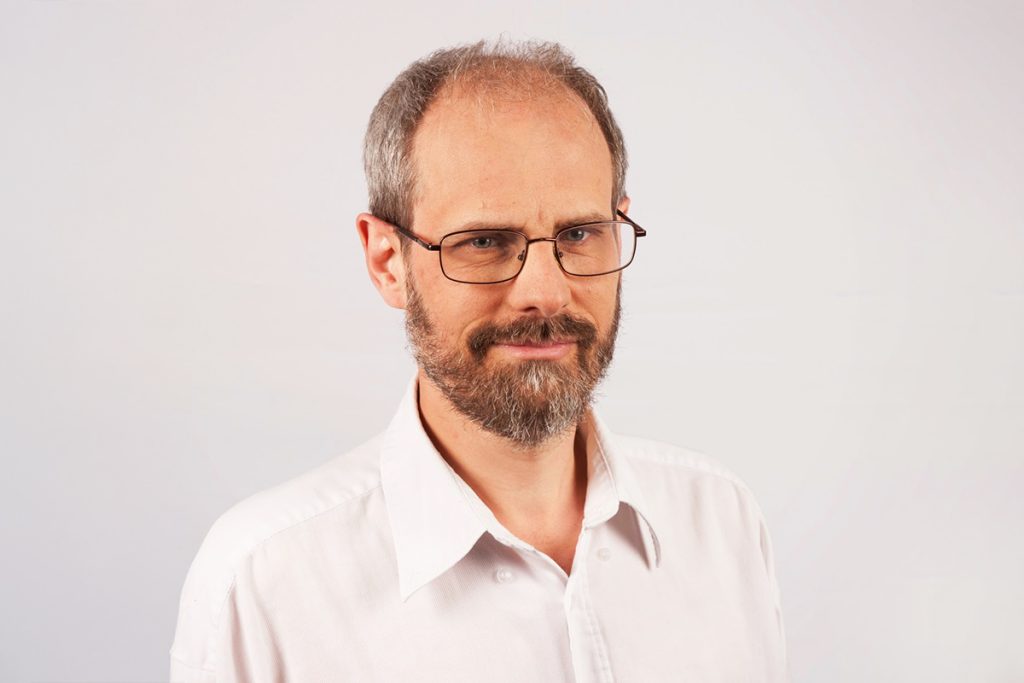
“These investigations particularly deserve financial support, from anyone who shares my conviction that treating aging is a profoundly urgent humanitarian task … I hope my own donations can inspire others to consider how they, too, can best help to accelerate the defeat of aging [1].”
With the first phase of the study nearly complete, Coeurnelle told Longevity.Technology that is crucial to confirm the results and go further in the search of combined effects of therapies.
“My contribution will enable a preliminary part of the second phase of the study, but I also hope to make people and organizations willing to support more,” he said. “Honestly, I do not understand why so few people, organizations and public institutions support research for healthy longevity – it should be a no-brainer!”
LEVF’s President & Chief Science Officer Aubrey de Grey told us that it “completely vital” to combine different damage-repair interventions in achieving meaningful life extension.
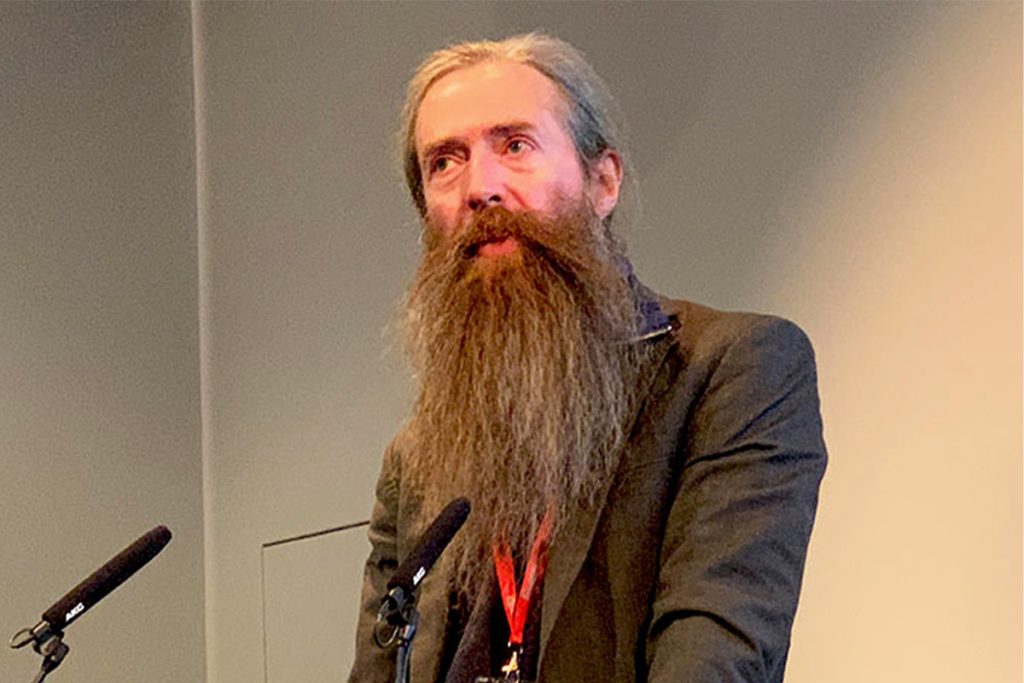
“No single intervention, nor even a combination of mere damage-slowing interventions, has any hope of doing better than what we can already do with calorie restriction – which, remember, is far less for long-lived species like humans than for mice.”
The money raised will help support the integration of multiple strategies within LEV Foundation’s work, and de Grey tells us they have a “clear idea” of how to deploy the money they are currently raising.
“Even though our planned next study (RMR2) is budgeted at a few million dollars, we have a bunch to do with six-digit money: there’s followup work to complete RMR1, in the form of analysis of the tissues we’ve been storing, and there are several pilot studies (with just a dozen or so mice) that we want to do to optimise the protocols for RMR2.
“But I must also stress, conversely, that what we REALLY need is eight-digit money, because then we can move on to studies that combine maybe eight interventions. That’s critical-path to RMR, because one thing we can fairly strongly conclude from RMR1 is that four is probably not enough.”
RMR could something innovative combination therapies that could repair the biological damage that accumulates with aging and vastly reduces incidences of age-related diseases, and Coeurnelle makes the point that even in the poorest countries of the world, diseases related to old age are the first cause of mortality.
“We should start now – more precisely, we should have been starting with proper support earlier, me included.”
For Coeurnelle, the additional funding could help LEV Foundation make progress in overcoming the “significant scientific barrier” of maximum lifespan.
“Despite all extraordinary scientific progress, the maximal lifespan of mice or humans is barely progressing,” he explains. “The oldest woman ever lived to be 122 years old; she died more than 25 years ago and nobody is approaching her lifespan. The oldest mouse lived 5 years and no mouse is approaching this lifespan today. We have to break this glass ceiling as soon as possible – it is a human duty to improve the right to health. The LEVF is the only organization attempting this on a large scale.”
Coeurnelle acknowledges this will not be an easy task, and success is by no means guaranteed.
“But we ought to try it if we respect that people advancing in age and frailty,” he says, adding that there are aspects of psychology at play as well.
“At the moment, only a minority believes longevity therapies will be possible soon. Once significant progress will be done for mice, millions and later billions of people will understand that a radical longevity progress becomes possible.”
Aubrey de Grey told us that community support plays a vital role in longevity research.
“It comes down to three words – every dollar counts! Throughout my two decades of leadership in this movement, I have focused squarely on doing with philanthropic support that cannot be done by those who are funded by investors or by peer review, and that hasn’t changed. It remains the case that a large proportion of absolutely vital longevity research is unaligned with the incentives of industry or academia, and we’re still the only people who are getting that research done.”
Initiatives like this one can influence public perception and involvement in the longevity field, especially among those unfamiliar with life extension science, and de Grey describes this as “the most important motivation for this research program – even more important than what we learn about what will work in humans.”
“The impact on public attitudes to the defeatability of aging that will result from reaching the RMR threshold, i.e. extending the healthy and total lifespan of middle’aged mice by a whole year (three times what anyone has done in the past), will be truly seismic,” he explains. “It will be THE thing that brings about a true war on aging.”
Amplifying impact
By providing a mechanism for doubling contributions, LEV Foundation’s October Matching Challenge serves as a crucial catalyst for funding the research needed to develop therapies that could improve both lifespan and healthspan. The potential benefits of such therapies are wide-reaching – extending not only the lives of individuals but also reducing the healthcare burdens associated with aging populations.
Something something requires more than scientific ambition – it demands the backing of donors who are willing to invest in a future where aging is no longer inevitable. By participating in this matching challenge, donors can make a meaningful contribution to this mission, potentially changing the course of human health for generations to come.
Find out more about donating to LEVF and helping to launch RMR2 – click HERE.

