
Prenuvo study links Type 2 diabetes to reductions in brain volume, particularly in areas essential for visual processing and memory.
A study presented this week at the Radiological Society of North America 2024 Annual Meeting, has revealed a significant link between Type 2 diabetes and brain volume loss. Conducted by whole-body MRI technology company Prenuvo, the study aims to highlight the potential role that proactive screening can play in understanding and addressing chronic health conditions.
While the connection between diabetes and cognitive decline is well-established, Prenuvo’s study sheds new light on the link between the conditions, leveraging the company’s whole-body MRI technology, which scans the entire body in under an hour. The study examined data from over 650 participants, analyzing 96 regions of the brain with a particular focus on gray and white matter.
Study findings revealed that individuals with Type 2 diabetes experience notable reductions in brain volume, particularly in white matter within the occipital lobe, suggesting a heightened risk of brain aging. This brain region, essential for visual processing, memory and spatial reasoning, was significantly affected, suggesting diabetes-driven structural changes independent of other factors such as age, BMI and visceral fat levels. As an example, Prenuvo highlighted a comparison between two 60-year-old women in the study, each with similar BMIs and low visceral fat, with the diabetic participant exhibiting a 21% decrease in brain volume.
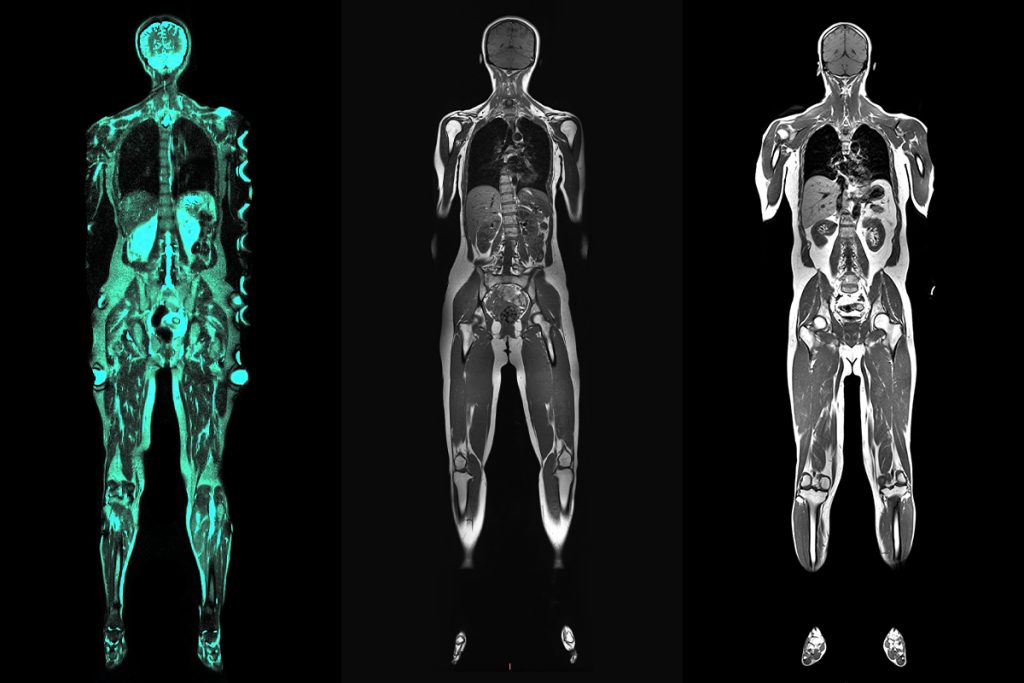
Unlike traditional MRIs, which focus on specific areas of the body, Prenuvo’s scans generate over a billion data points and produce ten times the number of clinical-grade images, offering insights previously unattainable through conventional diagnostic methods. The study leveraged AI to analyze the high-resolution images generated by Prenuvo’s technology, revealing subtle organ-level changes that often go unnoticed with traditional methods.
By correlating these changes with chronic conditions like diabetes, the researchers uncovered novel insights into disease progression and its systemic effects. They suggest that the structural brain changes, observed independently of visceral fat levels, suggest a strong association between diabetes and cognitive decline, including potential memory impairment.
In addition, by uncovering compelling evidence of diabetes-driven reductions in brain and white matter volume, the researchers said that the study provides deeper understanding of the condition’s impact on specific brain regions and underscores the importance of holistic management strategies that extend beyond blood sugar control. Prenuvo suggests its study adds urgency to the development of new interventions, such as GLP-1 therapies, to preserve brain health and reduce dementia risk in diabetic populations.
“This is the first time that we’ve been able to pinpoint the areas of the brain most impacted by diabetes, so physicians and patients can take specific actions to enhance those brain areas by doing cognitive exercises,” said Sam Hashemi, head of AI and research at Prenuvo. “These results also provide evidence that we should not limit screening for this chronic disease to blood and organ-specific tests, and instead perform a more comprehensive screening.”
This study is the latest in Prenuvo’s ongoing research to demonstrate the potential of whole-body MRI and AI-driven diagnostics to provide deeper insights into cross-organ disease correlations. Earlier this year, Prenuvo launched a new clinical research study that will follow 100,000 participants over a decade to identify new disease biomarkers and assess the diagnostic and clinical outcomes of whole-body MRI screening.

