
New study highlights potential treatment for extending ovarian function and improving women’s health.
A new study has identified a treatment that could delay ovarian aging and improve reproductive and overall health in women. The study, conducted on mice, shows potential for future applications in humans, specifically targeting ovarian fibrosis – a condition that leads to ovarian scarring and hormone decline as women age. Though the treatment, involving the drug Pirfenidone, is not yet ready for clinical use in women due to side effects, it opens doors to a novel approach in maintaining ovarian health as women age.
Longevity.Technology: While not widely discussed, ovarian aging is an essential issue in women’s health, as it is intricately linked to declining hormone levels that affect everything from fertility to bone density and cardiovascular health. While women now live longer than ever before, their ovaries begin to lose function well before the end of their lifespan, resulting in years or even decades of reduced quality of life. Many women enter menopause in their early 50s, but as life expectancy has increased, they often spend many years dealing with the health consequences of ovarian aging battling comorbidity and poor health. Addressing ovarian aging not only benefits fertility but is crucial to extending healthspan, ensuring women live healthier lives for longer.
In a study published in GeroScience, researchers led by Francesca Duncan, associate professor of obstetrics and gynecology at Northwestern University Feinberg School of Medicine, explored the potential of Pirfenidone – a drug commonly used to treat pulmonary fibrosis – in reversing ovarian fibrosis in mice. The study demonstrated that reducing scarring in ovaries could extend their functional lifespan, potentially keeping hormone production stable for longer and mitigating the decline in overall health that often accompanies menopause [1].
“We’ve changed the landscape of how we live, and our ovarian function needs to catch up so that we have an organ that functions proportionately to maintain women’s healthspans longer,” Duncan said [2].
The researchers’ key finding was that reducing ovarian fibrosis could improve follicle numbers, enhance ovulation and preserve hormone levels, offering a comprehensive solution to age-related ovarian decline [1]. Duncan explained: “If you fix the ovarian environment, you solve all the problems because you have follicles and eggs that can contribute to fertility and hormone production. It’s fixing the root of the issue [2].”
While current fertility treatments, such as egg freezing, address only the short-term goal of preserving fertility, they do not tackle the broader issue of hormonal decline that results from aging ovaries. Egg freezing is a stopgap measure that does not address the underlying condition of ovarian aging, but the new research goes beyond this, aiming to preserve ovarian health and the production of vital hormones like estrogen and progesterone, which are crucial for maintaining bone density, heart health and cognitive function.
“Right now, our solutions for the age-related decline in fertility, such as freezing one’s eggs, are a Band-Aid,” Duncan pointed out. “You’re still going to be transferring those embryos into an older woman, which has its own risks [2].”
The significance of preserving ovarian health extends far beyond fertility. As estrogen and progesterone levels drop post-menopause, women face a higher risk of osteoporosis, cardiovascular disease and cognitive decline; the potential to extend the hormonal function of ovaries could therefore have widespread benefits.
“We’re likely going to push the fertile window, but that is not the ultimate goal of the study,” Duncan noted. “Not everyone is concerned about having children [2].”
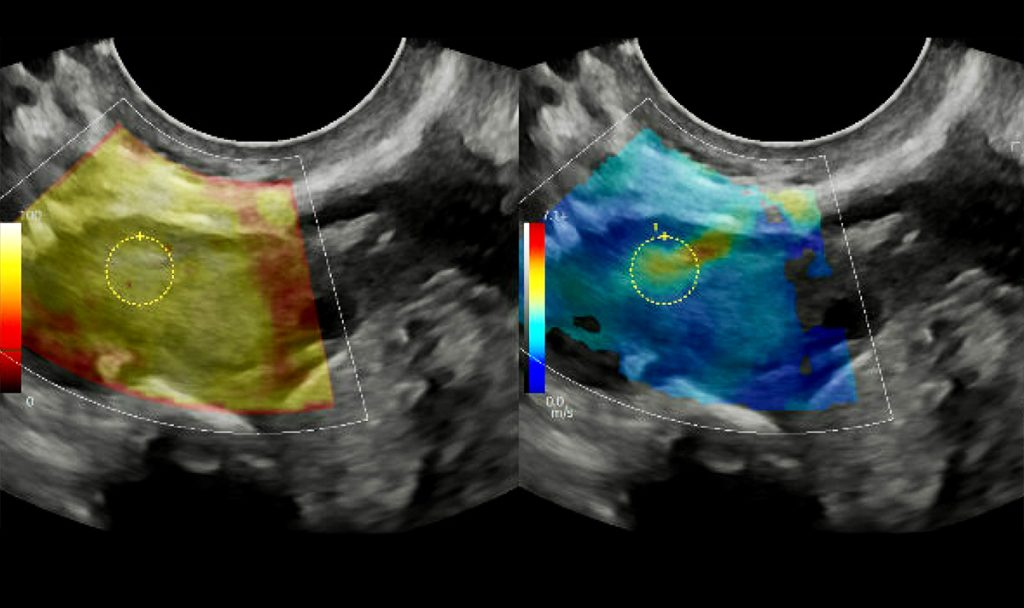
The study also addresses the broader issue of ovarian fibrosis, which makes the ovaries stiffer as they age – an environment conducive to cancer cell proliferation. By reducing scarring in the ovaries, researchers hope to decrease the risk of ovarian cancer, a disease that often thrives in the collagen-rich environments created by fibrotic tissues. Previous research by Duncan’s team revealed that aged ovaries become excessively inflamed and fibrotic, similar to other tissues in the body that suffer from fibrosis with age [3]. These findings suggest that targeting fibrosis could not only improve ovarian health but also reduce cancer risk.
Although Pirfenidone has shown promise in reversing ovarian fibrosis in mice, it is not without its challenges; Duncan highlighted that the drug has significant side effects in humans, including liver toxicity, which renders it unsuitable for clinical use at this stage.
However, the researchers are now focusing on identifying safer alternatives that could offer the same benefits without harmful consequences. “This drug is not one that can be used in a clinical setting for this purpose because it has significant side effects, like liver toxicity, although we didn’t see that in mice,” said Duncan. “However, we demonstrated proof-of-concept: we can modulate ovarian fibrosis and improve outcomes [2].”
The next steps in this research will involve finding safe, effective treatments for humans and conducting clinical trials to validate the findings observed in mice. Although the clinical application of this treatment may still be some years away, the study represents an important step in addressing ovarian aging at its source rather than merely alleviating its symptoms.
As women live longer, the importance of understanding and mitigating ovarian aging grows. Treatments that target the root causes of ovarian decline – such as fibrosis – could play a critical role in ensuring that women’s healthspans match their longer lifespans. By addressing the hormonal imbalance caused by menopause and reducing the risk of related comorbidities, this new line of research holds promise for improving the quality of life for millions of women.
[1] https://link.springer.com/article/10.1007/s11357-024-01322-w
[2] https://news.northwestern.edu/stories/2024/september/new-treatment-extends-ovarian-function-in-older-mice/?fj=1
[3] https://rep.bioscientifica.com/view/journals/rep/152/3/245.xml

