
Biotech commences first-in-human clinical trial targeting atherosclerosis and announces closure of first tranche of Series A funding round.
Cyclarity Therapeutics, a biotech headquartered at The Buck Institute in California, has secured regulatory approval to initiate its first-in-human clinical trial. The study will be conducted at CMAX, a prominent clinical research facility in Australia, in collaboration with Monash University, and led by Dr Stephen Nicholls of the Victorian Heart Institute, a distinguished figure in cardiovascular medicine.
In a second piece of good news for Cyclarity, the biotech also announced the closing of the first tranche of its Series A funding round, led by Ki Tua Fund LP and Starbloom Primrose L and comprising approximately US$6.4 million.
The company will use the funds for the above-mentioned trial of its investigational drug, UDP-003, which employs rationally-designed cyclodextrin molecules to target and eliminate oxidized cholesterol – specifically 7-Ketocholesterol (7KC). 7KC is implicated in the formation of atherosclerotic plaques, and by removing these toxic compounds, the therapy aims to restore the functionality of macrophages, the immune cells responsible for clearing arterial debris, thereby facilitating the natural regression of this harmful plaque.
Tranche 2, which Cyclarity expects to raise approximately US$2.6–5.6 million will fund the patient portion of the trial; that tranche is partially committed and is expected to close soon.
Longevity.Technology: Atherosclerosis, characterized by the accumulation of plaque within arterial walls, significantly contributes to cardiovascular diseases (CVD) and stroke. These conditions collectively represent the leading cause of mortality worldwide, a clear imperative for innovative therapeutic approaches. Traditional treatments have focused on managing lipid levels, but addressing the underlying causes of plaque formation remains a critical unmet need.
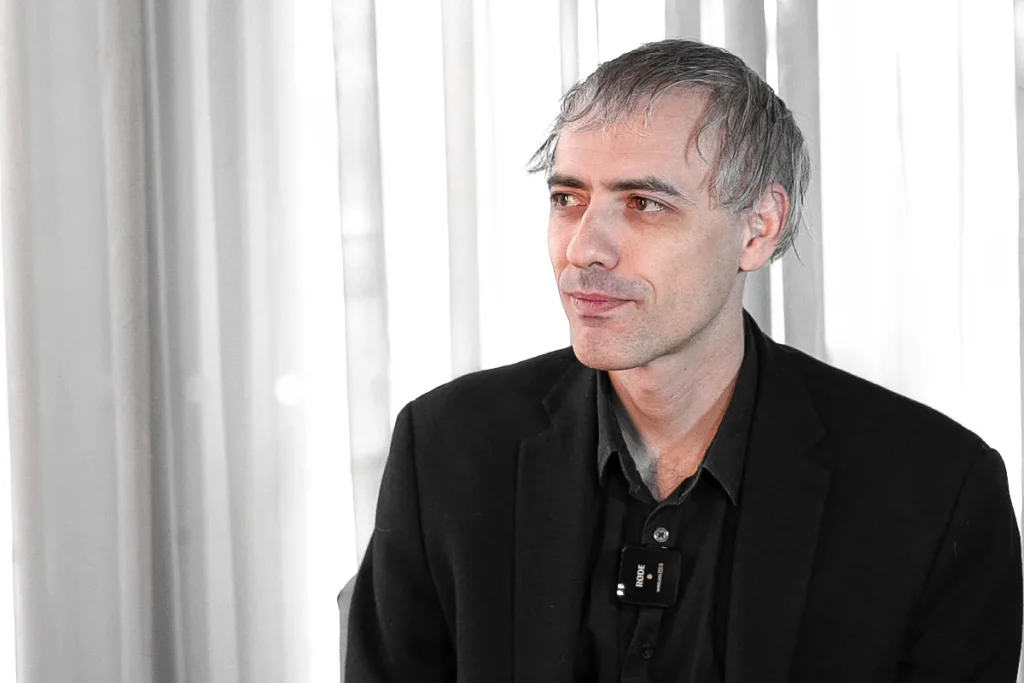
“We’re in the clinic,” noted Matthew O’Connor, CEO of Scientific Affairs, “with a drug that has the potential not only to treat atherosclerosis, but to reverse and repair it. It’s a first, and we’re very proud of this step.”
The forthcoming clinical trial will encompass a traditional single ascending dose/multiple ascending dose (SAD/MAD) Phase 1 component, alongside an innovative segment involving 12 patients diagnosed with Acute Coronary Syndrome (ACS). This design aims to evaluate the safety profile of UDP-003 in individuals with existing plaque accumulation and to gather preliminary data on its therapeutic efficacy.
Nicholls, who will oversee the trial, brings considerable experience from previous landmark studies, including the SATURN trial for Crestor and the CLEAR Outcomes trial introducing bempedoic acid as a statin alternative. His involvement can be seen as speaking to the potential significance of Cyclarity’s approach in the evolving landscape of cardiovascular therapeutics.
O’Connor said: “We are excited to be working with Dr Nicholls on a groundbreaking advancement in cardiovascular care. As we advance into being a clinical stage company, Cyclarity is focused on bringing truly disease-modifying treatments for the world’s deadliest disease into reality.”
The company has completed the manufacture of clinical trial material, with UDP-003 prepared for administration to human participants. Comprehensive investigational new drug-enabling studies have been finalized, revealing no anticipated toxicological concerns and providing a secure pathway for clinical progression. All requisite materials for clinical trial authorization have been submitted and approved, positioning Cyclarity to commence the trial imminently.
Cyclarity’s therapeutic strategy represents a shift from conventional lipid management to directly addressing the pathological accumulation of oxidized lipids within arterial walls. By focusing on the root cause of plaque formation, the company aims to offer a disease-modifying treatment that could transform the management of atherosclerosis and reduce the global burden of cardiovascular diseases. The forthcoming trial should pave the way for subsequent trials and, ultimately, the introduction of a novel treatment modality for atherosclerosis.

