
The network state concept could give longevity biotech the impetus to enable ‘warp speed’ development of age-reversing therapeutics.
This weekend a new longevity hub opens its doors, as Berlin plays host to Zelar City, a six-week long pop-up initiative for people working on solving aging. Longevity enthusiasts, entrepreneurs, scientists and investors are set to gather in the German capital to live and work together as they seek answers to the threat of aging and age-related diseases.
Aiming to foster collaboration and experimentation within the fields of biotechnology, governance models, blockchain and beyond, each week at Zelar will feature a unique theme, exploring the intersections of cutting-edge technologies and health sciences. With a focus on longevity and technological innovation, participants will engage in a variety of activities, from biomarker measurement to biohacking, while also having opportunities to network, attend workshops and receive entrepreneurial mentorship.
Longevity.Technology: The longevity cities concept is inspired by the so-called “network state”, an idea first proposed by tech entrepreneur and investor Balaji Srinivasan. The network state describes the creation of highly aligned online communities with a capacity for collective action that eventually establish their own territory and gain diplomatic recognition from pre-existing nation states.
To learn more about how the network state concept could help combat aging, we caught up with Laurence Ion, a founding steward of longevity-focused decentralized organization VitaDAO and an organizer of several longevity cities.

When VitaDAO first emerged back in 2021, the idea that it could one day become a community in the real world may have sounded fanciful at the time. And yet, just a few years later, with thousands of members signed up, millions of investment dollars raised and more than 25 longevity science projects funded, longevity cities are now starting to emerge around the world.
Longevity hubs around the world
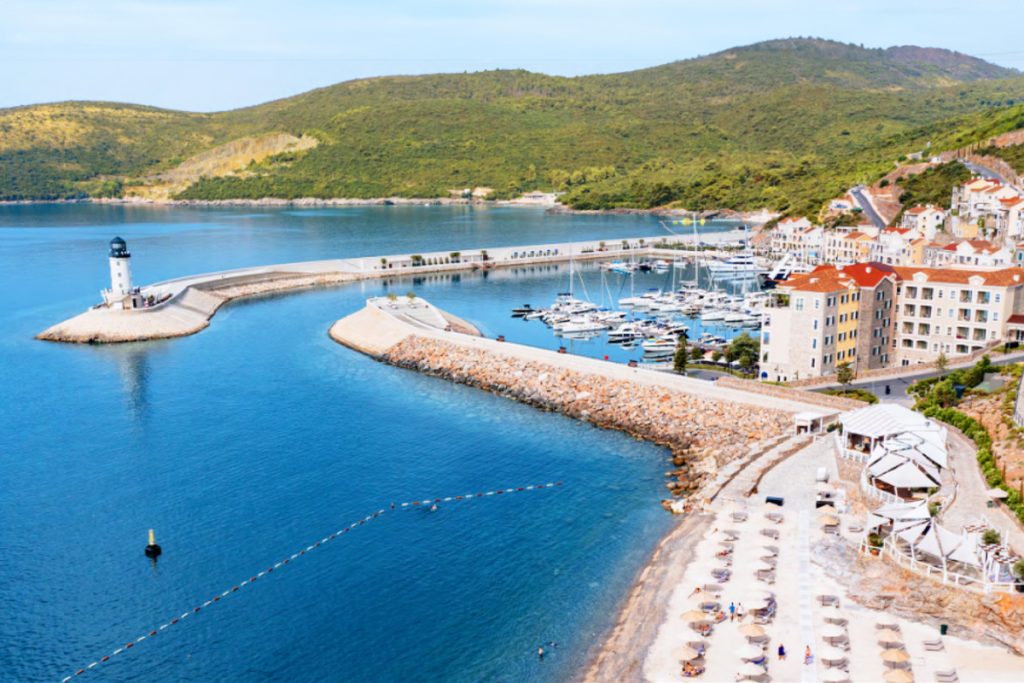
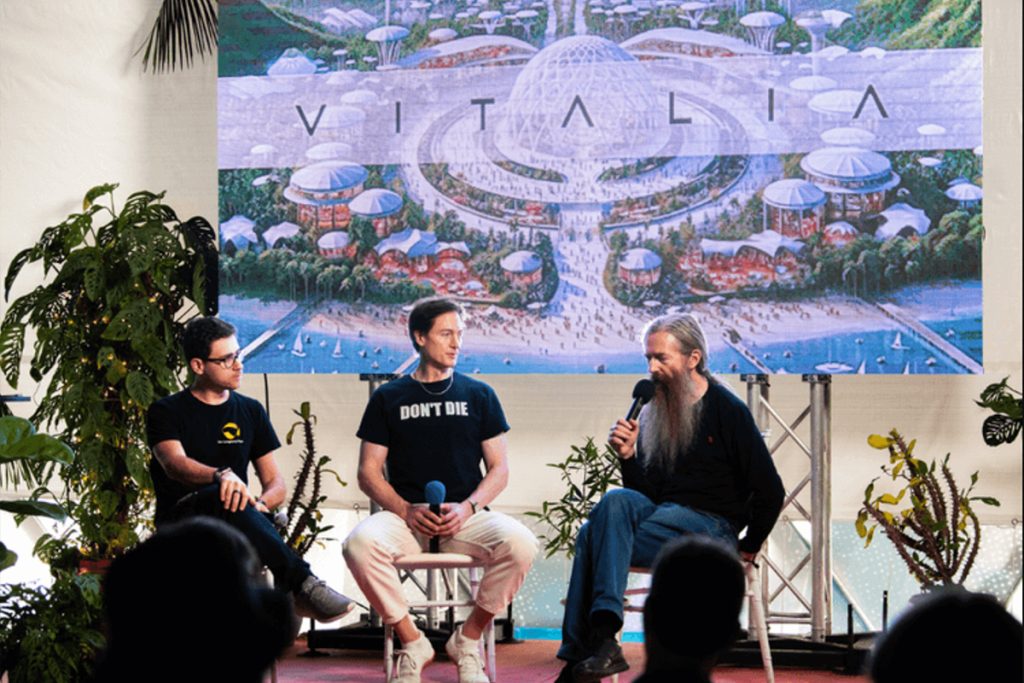
Following the success of similar projects like Vitalia in the Caribbean and Zuzalu in Montenegro, this is the first time that the longevity city concept will take place in a major urban center, and Ion hopes that Zelar will eventually lead to the creation of a permanent longevity hub in Berlin.
“I’m very excited, because Berlin is different from what has been done before,” he says. “It’s still a community where you have all these great things happening, but it’s in a major city versus being on an island, which can be hard for people to get to. So, establishing a permanent hub in Berlin where people can always go is super interesting to me.”
Berlin may be the first of many urban longevity hubs, with pop-ups in other major cities expected in 2025, including Los Angeles and in the San Francisco Bay area.
“I want to see way more pop-up cities being built,” says Ion. “I see them as a seed to creating something bigger – they give people a chance to experience what life in a longevity community is like, without having to make a huge commitment.”
Special economic zones
One of Ion’s primary objectives is to scour the world, looking for new locations for potential longevity hubs, but also for the potential creation of “something bigger” – special economic zones – designated areas that offer economic and regulatory benefits to attract investment, promote innovation and stimulate growth. The idea is that a special economic zone would offer a more relaxed regulatory environment, which would allow research and clinical trials to be conducted more efficiently, leading to faster development and approval of longevity therapeutics.
“For me, the most important objective for this initiative is to achieve that special jurisdiction where you can accelerate biotech innovation,” says Ion. “This is where we would have a lot of legal autonomy to create a different regulatory environment where we can create drugs at warp speed, not just for Covid, but for Alzheimer’s and heart disease and aging itself – a new paradigm of medicine.”
Overcoming the “monoculture” of current regulation is a key objective for Ion, which he likens to setting a country’s road speed limit to four miles per hour. “Sure, no one dies on the road, but the wider impact on society would be disastrous,” he says.
“In an effort to be safe, I think our regulatory systems are moving at four miles per hour, and this is ultimately harmful – there is an invisible graveyard of people dying too soon every day, waiting for life-saving medicine that may already exist. Look at the GLP-1 inhibitors that are saving lives today. They were invented in the early ‘90s. How many millions of people have died each year since then that could have been saved?”
Longevity needs an Operation Warp Speed
Of course, regulators have proven to be capable of moving quickly in certain situations, and Ion is quick to highlight the global response to COVID-19.
“So, there was a new virus and suddenly we could move at warp speed to approve these vaccines,” he says. “But many more people are dying of age-related diseases. In fact, the chronic, fatal condition is aging – we all have it – so why aren’t we moving at warp speed on that?”
From a practical perspective, the initial formation of a longevity state would be primarily focused on ensuring its medical capabilities were up to scratch.
“The establishment of a top tier hospital would be one of the first objectives, which would allow us to start conducting trials in the safest and most responsible way,” says Ion, who stresses that proper oversight and regulation is in place to protect patient safety.
“It wouldn’t be anarchy, of course, just much less bureaucracy, more like Operation Warp Speed, because there needs to be a better balance between safety and speed,” he adds, referencing the public–private partnership initiated by the US government to accelerate the development and distribution of COVID-19 therapeutics.
Longevity state is a win-win
While the benefit of a longevity state would primarily appear to be to those that want to be able to access treatments that they would otherwise be unable to, Ion argues that society as a whole stands to gain from it as well.
“Everyone wins when there’s more medical innovation, and if there is a zone where treatments get innovated faster, eventually they’re going to come to your jurisdiction too,” he says. “So, ultimately, everyone benefits.”
Over the next few years, Ion hopes that tens of millions of people will become part of an online longevity community like VitaDAO, with a million or so living in dedicated longevity hubs around the world, and thousands living in an established longevity state or special economic zone.
“Inevitably, the special economic zone is going to be on an island, a smaller country, or a less developed country,” he says. “We’re not going to move the needle enough for large, developed countries to be interested, but bringing a billion dollars of investment and talent is significant for a small or developing country.”

