
What if you could dramatically boost your endurance by improving one key fitness factor? How far and fast you can go depends largely on your VO2 Max or the maximum amount of oxygen your body can consume during exercise.
Whether you’re an athlete looking to enhance performance or simply aiming to stay fit, working on your VO2 Max can improve your stamina.
VO2 Max is like a window into your body’s ability to use oxygen efficiently. The more oxygen you can deliver to your muscles, the longer and harder you can push yourself during exercise.
It doesn’t just benefit your workout performance — it also has significant implications for overall heart and lung health. This makes it an essential focus for anyone serious about improving endurance.
How can I increase my VO2 max and endurance?
Bagging your VO2 Max is one of the most effective strategies for increasing endurance. Here are seven workouts proven to help improve your VO2 Max, whether you’re an athlete aiming to enhance performance or simply want to improve overall fitness:
1. Interval sprints
Performing interval sprints is one of the best methods to increase your VO2 Max and strengthen your endurance [1]. They involve short bursts of high-intensity effort followed by rest or light activity periods. Here’s how to do them:
- Warm up with 5–10 minutes of light jogging or cycling.
- Sprint at maximum effort for 20–30 seconds.
- Follow with 90 seconds to 2 minutes of slow jogging or walking for recovery.
- Repeat this 8–10 times.
- Finish with a 5–10 minute cool-down.
These sprints push your cardiovascular system to its limits, improving your body’s ability to use oxygen efficiently. It’s a quick, powerful workout that delivers excellent results for fitness enthusiasts and athletes alike.
2. Long-distance runs
Running long distances is crucial for increasing VO2 Max and constructing endurance. These steady, moderate-paced runs strengthen your cardiovascular system, training your body to use oxygen more efficiently over time. Here’s how to incorporate them into your routine:
- Start with a 10-minute warm-up, lightly jogging to prepare your muscles.
- Run at a consistent, moderate pace for 45 minutes to an hour. You should be able to maintain a conversation but still feel challenged.
- Finish with a 10-minute cool-down to help your body recover.
Long runs help increase your aerobic capacity, making them a critical workout for anyone aiming to improve stamina. Over time, they’ll make you stronger and able to sustain higher-intensity efforts for longer durations.
3. High-intensity interval training (HIIT)
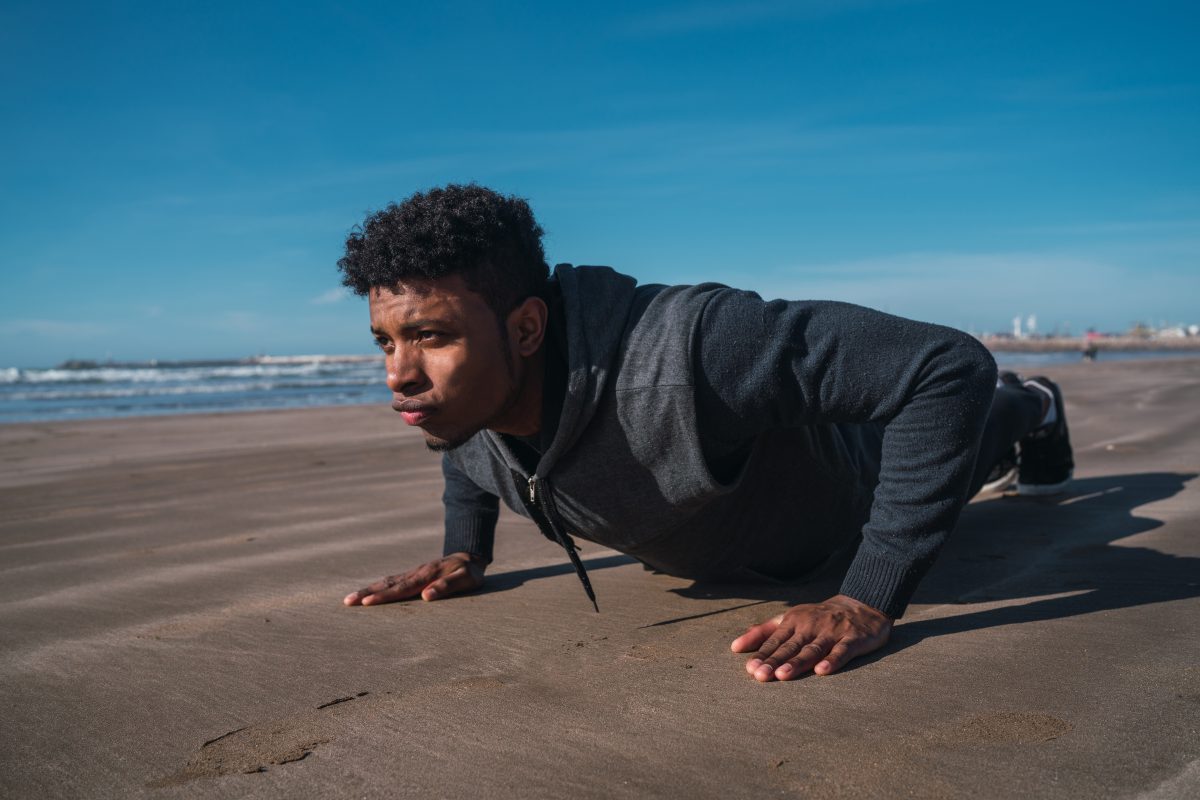
High-intensity interval training (HIIT) is a powerful way to improve your VO2 Max and overall fitness [2]. It combines short bursts of maximum effort with brief recovery periods, pushing your body to use oxygen more efficiently. Here’s how to structure a typical HIIT session:
- Warm up with 5–10 minutes of light cardio.
- Perform 30 seconds of maximum effort (running, cycling, or bodyweight exercises).
- Rest or move slowly for 1 minute.
- Repeat for 20–30 minutes.
- Finish with a 5–10 minute cool-down.
HIIT sessions are versatile and can be customized for different activities, making them ideal for all fitness levels. This high-effort workout is an efficient way to improve endurance, burn calories, and boost overall cardiovascular health.
4. Cycling intervals
This workout alternates between high-intensity cycling and recovery periods, challenging your cardiovascular system while reducing the strain on your joints. Here’s how to perform cycling intervals:
- Warm up for 10 minutes with easy cycling.
- Pedal at maximum effort for 1 minute.
- Follow with 2 minutes of slow, relaxed cycling to recover.
- Repeat this cycle 10–12 times.
- Finish with a 5–10 minute cool-down at an easy pace.
Cycling intervals improve oxygen efficiency and cardiovascular health, making them perfect for joint-friendly workouts that still deliver impressive results. They are ideal for both beginners and experienced cyclists!
5. Hill repeats
The hill repetition is a great exercise that increases VO2 Max and develops strength and endurance. Running or cycling uphill forces your cardiovascular system to work harder, making it a great way to boost oxygen efficiency. Here’s how to do hill repeats:
- Warm up for 10 minutes with light jogging or cycling.
- Sprint or cycle uphill at maximum effort for 30 seconds to 1 minute.
- Walk or cycle slowly back down for recovery.
- Repeat this 8–10 times.
- Finish with a 5–10 minute cool-down.
Hill repeats challenge your aerobic capacity and strengthen your legs and core, enhancing overall fitness. They’re a great addition to any endurance-focused workout routine, pushing you to new performance levels.
6. Fartlek training
Fartlek training, meaning “speed play” in Swedish, is an unstructured form of interval training that mixes bursts of fast running with periods of slower recovery. This flexible workout helps improve VO2 Max and endurance while keeping things interesting. Here’s how to do it:
- Warm up for 10 minutes with light jogging.
- During your run, alternate between sprinting or running fast for 1–5 minutes and jogging or walking for recovery.
- The intervals don’t need to be timed — adjust based on how you feel.
- Continue for 30–45 minutes.
- Finish with a 5–10 minute cool-down.
Fartlek training is ideal for those who prefer a less structured workout. It keeps your body guessing, making it a fun way to improve fitness and stamina [3].
7. Rowing intervals
A full-body workout great for raising VO2 Max and developing strength and endurance is rowing interval training. This high-intensity exercise engages your arms, legs, and core while maximizing oxygen usage. Here’s how to structure a rowing interval session:
- Warm up with 5–10 minutes of easy rowing.
- Row at maximum effort for 1 minute.
- Follow with 2 minutes of slow rowing or rest for recovery.
- Repeat this cycle 8–10 times.
- Finish with a 5–10 minute cool-down at a relaxed pace.
Rowing intervals are an effective way to boost cardiovascular fitness while also strengthening major muscle groups. It’s a versatile and joint-friendly workout that suits people at all fitness levels, from beginners to seasoned athletes.
What are the benefits of VO2 max training?
VO2 Max training goes beyond just boosting endurance—it provides several benefits for overall health. When you train to improve your VO2 Max, you’re not only enhancing your ability to perform longer workouts but also strengthening your heart and lungs.
Here are some key health benefits of VO2 Max training:
- Improved cardiovascular health: Regular VO2 Max training helps lower blood pressure and strengthens the heart, reducing the risk of heart disease [4].
- Increased lung capacity: Your body becomes better at using oxygen, making everyday tasks easier and reducing breathlessness.
- Better metabolic function: Higher VO2 Max levels can improve calorie burning, supporting weight management and overall metabolic health.
VO2 Max training positively impacts both fitness and long-term health, making it an essential component of a well-rounded workout routine.
How do I calculate my VO2 max?
Measuring your VO2 Max might sound complex, but it’s more straightforward than you think. The greatest quantity of oxygen your body can use when exercising is known as your VO2 Max, and there are a few methods to determine where you stand.
Laboratory test
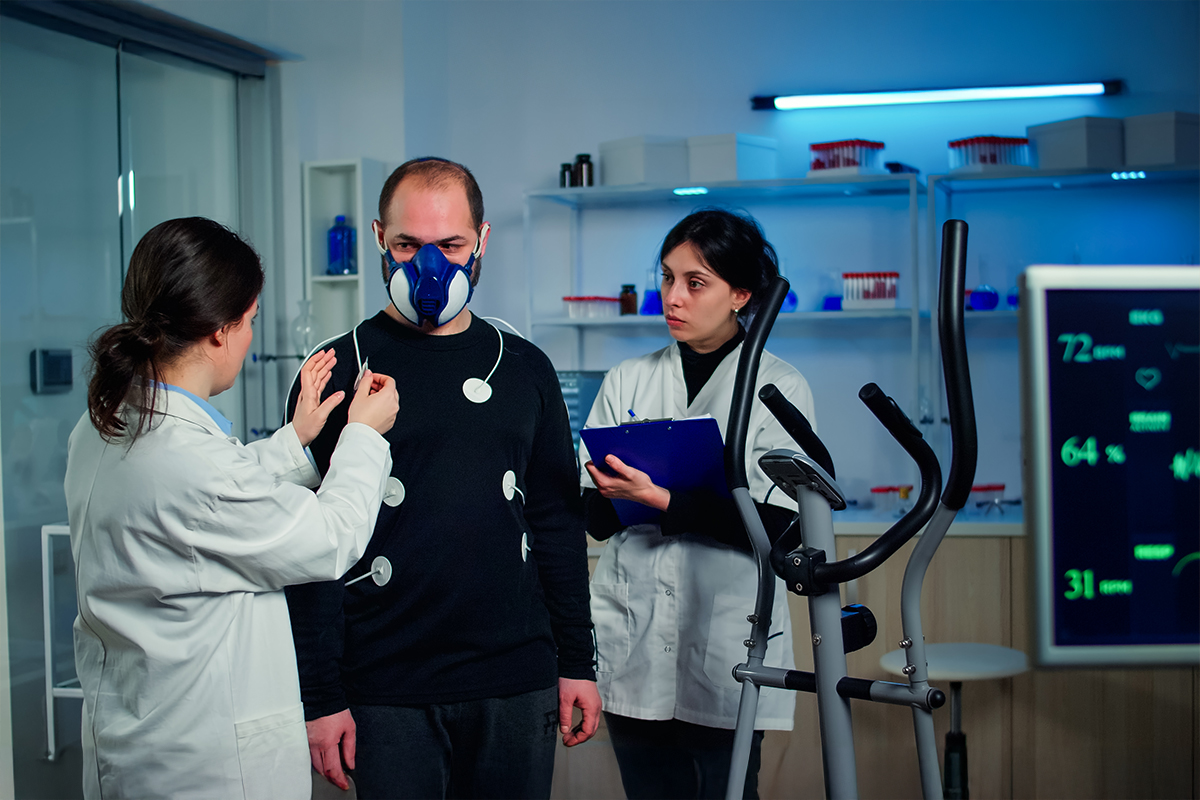
A laboratory test is the most accurate way to measure VO2 Max. Wearing a face mask attached to a machine that analyzes your carbon dioxide emission and oxygen intake while exercising—typically on a stationary bike or treadmill—this test is conducted in a controlled environment.
The workout gradually rises in intensity until you exert your full effort. The data collected precisely measures how much oxygen your body uses during peak activity.
Although highly accurate, this test requires specialized equipment and can be costly, making it ideal for athletes and serious fitness enthusiasts.
Field tests
Without the need for pricey equipment, field testing offers an accessible and useful method of estimating your VO2 Max. While not as precise as lab tests, they offer a good estimate of your aerobic capacity and can be done almost anywhere.
Here are some popular field tests:
- 1.5-mile run test: Time yourself running 1.5 miles as fast as possible. Use an online VO2 Max calculator to estimate your score based on your time and weight [5].
- Beep test (multi-stage fitness test): Run between two markers set 20 meters apart, matching the pace of timed beeps. When you cannot continue, the test terminates, and your final level is used to calculate your VO2 Max.
- Step test: Step up and down on a bench at a set pace for 3 minutes. Measure your heart rate afterward and use a formula to estimate VO2 Max.
Wearable devices
These devices use heart rate data, activity levels, and sometimes GPS to calculate your oxygen consumption during exercise. While not as precise as lab tests, wearables like the Apple Watch, Garmin, and Fitbit are accessible for tracking fitness progress.
Wear your device during high-intensity workouts to get the most accurate results and ensure it’s properly calibrated.
Regular use helps monitor improvements over time, making tracking your VO2 Max as you train easy. Thanks to technology, you no longer need costly testing equipment to keep you informed and motivated.
Closing thoughts
Increasing your VO2 Max can profoundly impact your general health and fitness. It’s not just about being able to run faster or cycle longer — it’s about making your body more efficient at using oxygen, which boosts your stamina and strengthens your heart and lungs. VO2 Max training can benefit anyone looking to enhance their health or become more athletic.
Getting started doesn’t require anything fancy. Add interval sprints, long-distance runs, or cycling intervals to your routine. These workouts are simple yet effective ways to raise your VO2 Max.
You don’t need a gym membership or expensive equipment — just consistency and a commitment to challenge yourself a little more each time.
FAQs
How often should I do VO2 Max workouts?
Incorporate VO2 Max training 2–3 times per week for best results. Balance with rest and lower-intensity exercises to avoid overtraining.
Can beginners benefit from VO2 Max training?
Yes, beginners can benefit from VO2 Max workouts by starting at their own pace. Gradually increasing intensity helps build endurance safely.
Is VO2 Max training only for runners?
No, VO2 Max can be improved through various activities like cycling, rowing, or swimming. Any cardio exercise that challenges your heart and lungs works.
How long does it take to see improvements in VO2 Max?
Noticeable improvements can occur after a few weeks of consistent training. Progress depends on factors like fitness level, workout intensity, and frequency.
[1] RunKeeper. How to Boost Your VO2 Max
[2] ScienceDirect. VO2max (VO2peak) in elite athletes under high-intensity interval training: A meta-analysis
[3] Australian Fitness Academy. What is Fartlek Training?
[4] Frontiers in Cardiovascular Medicine. Effects of Exercise to Improve Cardiovascular Health
[5] Trainer Metrics. VO2Max: 1.5 Mile Run

