
Longevity.Technology System users:
To check your risks of cataracts as you age:
- Download the LT System app on your Android or Apple smartphone.
- Open LT System app and select ‘Health Insights.’
- Under ‘Eye Health,’ scroll down and find ‘Cataracts Risk.’
- Now, scroll down to find your results and recommendations.
Not a user yet?
That’s OK; you can sign up for your Epigenetic & DNA test here.
Ever wonder how your daily habits might be silently increasing your risk of developing cataracts? Cataracts, a leading cause of vision impairment, can sneak up on you if you’re not careful about certain lifestyle choices.
Understanding the risk factors is essential to maintaining healthy vision as you age, and knowing these habits and their impact on eye health are the first steps toward prevention. Simple changes can make a significant difference.
What increases cataracts?
Cataracts cloud the eye’s lens, leading to blurry vision and, if untreated, eventual blindness [1]. While age is a significant factor, certain habits can accelerate their development. Here’s a look at six habits that could be putting your eye health at risk:
1. Smoking
Smoking ranks high as a major risk factor for cataracts. The toxins in cigarette smoke contribute to oxidative stress, damaging the eye’s lens and leading to its clouding.
Chemicals in cigarette smoke create free radicals that harm the proteins and fibers in the lens, making smokers up to three times more likely to develop cataracts than non-smokers.
Quitting smoking can significantly reduce your risk. Seek support through programs or medications designed to help you quit, and consider adopting healthier habits like regular exercise to replace smoking. This change can lead to better overall health and protect your vision from the damaging effects of smoking.

2. Excessive sun exposure
Spending long hours under the sun without adequate eye protection can increase cataract risk. UV rays from the sun damage the eye’s lens, accelerating the formation of cataracts. UV radiation causes changes in lens proteins, leading to clumping and clouding, which doubles the risk of developing cataracts.
Protecting your eyes from UV exposure is crucial. When outside, wear sunglasses that block 100% of UV rays and a wide-brimmed hat. This simple practice shields your eyes and reduces the likelihood of cataracts.
Consistent eye protection can make a significant difference in maintaining long-term eye health and preventing vision impairment caused by excessive sun exposure.
3. Poor diet
A poor diet significantly impacts eye health, increasing the risk of cataracts. Diets lacking essential nutrients and antioxidants, such as vitamin C, vitamin E, and carotenoids, fail to protect the lens from oxidative damage.
Antioxidants prevent oxidative stress and inflammation, key factors in cataract development [2]. Studies show that diets rich in these nutrients are associated with a lower risk of cataracts.
Incorporate more fruits, vegetables, nuts, and seeds into your diet to boost eye health. Spinach, kale, citrus fruits, and almonds are excellent choices. Adopting a nutrient-rich diet supports overall well-being and helps maintain clear vision by reducing the risk of cataract formation.
4. Chronic alcohol consumption
Chronic alcohol consumption negatively impacts eye health, increasing the risk of cataracts. Excessive drinking disrupts the absorption of essential nutrients and antioxidants needed for a healthy lens, leading to oxidative stress and inflammation.
Regular drinkers face a higher risk of cataracts compared to moderate or non-drinkers. Moderating alcohol intake is crucial for maintaining eye health. If you drink, do so in moderation—no more than one drink per day for women and two for men.
Consider healthier alternatives like water or herbal tea. Reducing alcohol consumption can protect your vision and support overall eye health, significantly lowering your risk of cataract development.
5. Neglecting regular eye exams
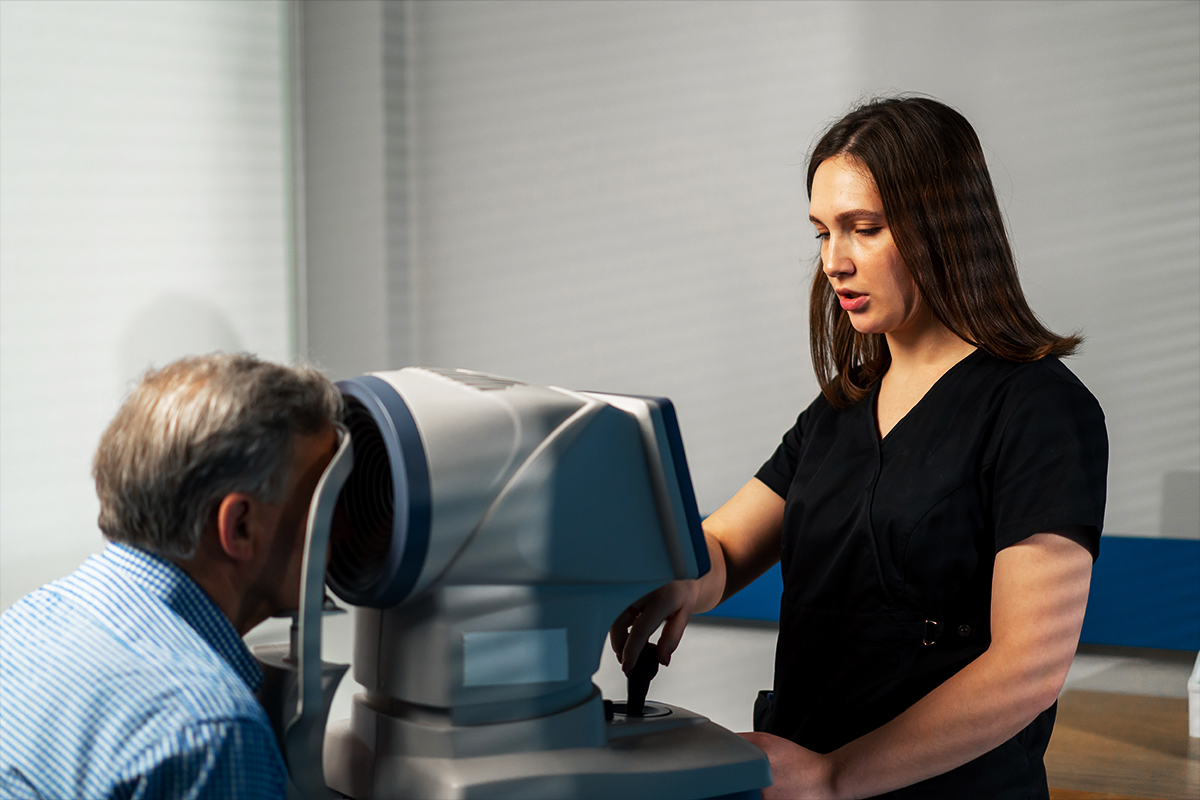
Neglecting regular eye exams can significantly increase your risk of cataracts and other eye conditions. Routine eye exams allow for early detection of cataracts, enabling timely intervention to prevent progression and severe vision loss.
Eye exams can catch problems before they become serious, ensuring better long-term eye health. Regular check-ups are especially important for individuals over 40 or those with a family history of eye conditions.
Schedule annual eye exams to stay proactive about your eye health. This simple habit can make a substantial difference in preserving your vision and preventing cataract-related complications. Consistent monitoring by an eye care professional helps maintain clear vision and overall eye well-being.
6. Poor diabetes management
Poor diabetes management can lead to cataracts, as consistently high blood sugar levels damage the eye’s lens over time [3]. Elevated blood sugar causes sugar to build up in the lens, converting to sorbitol, which leads to lens opacity and clouding.
Proper diabetes care is essential for maintaining eye health; blood sugar levels should be consistently monitored, a balanced diet and exercise program should be followed, and prescription medications should be followed.
Working closely with your healthcare provider to maintain stable blood sugar levels can significantly reduce the risk of cataracts. Effective diabetes management supports overall health and protects your vision from diabetes-related complications.
How do you detect cataracts early?
Cataracts can sneak up on you, often developing slowly and causing subtle changes in vision at first. Recognizing the early signs and symptoms of cataracts can help you seek timely treatment and maintain clear vision. Here’s what to watch for:
Blurry vision
Blurry or cloudy vision is a common early sign of cataracts. Objects may appear hazy, and you might feel like you’re looking through a fogged-up window. This blurriness can affect one or both eyes, making it difficult to read, drive, or recognize faces. If you notice persistent blurriness, consider scheduling an eye exam.
Increased sensitivity to light
Increased sensitivity to light and glare often signals early cataracts. Bright sunlight or headlights can become particularly bothersome, making you squint or wear sunglasses more frequently.
This discomfort can affect daily activities, especially driving at night. If light sensitivity becomes a regular issue, it’s wise to consult an eye doctor for a thorough check-up.
Difficulty seeing at night
Driving after dark may become challenging due to increased glare from streetlights and headlights. Low-light conditions can worsen the cloudy vision caused by cataracts, making it harder to see clearly.
Consider scheduling an eye exam to address potential cataract development if night vision issues persist.
Fading or yellowing of colors
Cataracts can cause colors to fade or take on a yellowish tint. You might notice that whites appear more yellow, and bright colors seem less vibrant. This change can affect your ability to distinguish between colors and enjoy activities that rely on color perception [4].
If you experience color changes, an eye exam can help determine if cataracts are the cause.
Frequent changes in prescription
As cataracts develop, they cause vision fluctuations, leading to the need for stronger or different lenses more often. If you visit the eye doctor regularly for new prescriptions, let’s discuss the possibility of cataracts affecting your vision.
How can you prevent cataracts?
Taking proactive steps to reduce your risk of cataracts can help maintain clear vision and improve overall eye health. Here are practical measures you can incorporate into your daily routine to protect your eyes:
Quit smoking
The toxins in cigarette smoke cause oxidative stress, damaging the eye’s lens and leading to cloudiness. Smokers are up to three times more likely to develop cataracts compared to non-smokers.
Getting rid of the habit is one of the best things you can do for your eye health. Look for help from support groups, medications, or cessation programs. Swapping smoking for healthier habits like regular exercise improves your general health and preserves your vision.
Wear sunglasses
Wearing sunglasses that block 100% of UV rays is crucial for protecting your eyes and reducing the risk of cataracts. UV radiation can damage the lens, leading to cloudiness and vision impairment.
Choose sunglasses labeled for UV protection and wear them whenever you’re outdoors, even on cloudy days. A wide-brimmed hat can provide additional protection. Consistently shielding your eyes from harmful rays helps maintain long-term eye health and prevent cataract formation.
Maintain a healthy diet
Maintaining a healthy diet rich in antioxidants is vital for eye health and reducing the risk of cataracts. Include a variety of fruits and vegetables, focusing on those high in vitamins C and E and carotenoids like lutein and zeaxanthin [5].
Spinach, kale, citrus fruits, and almonds are excellent choices. These nutrients help protect the lens from oxidative damage and inflammation, key factors in cataract development.
A balanced, nutrient-rich diet supports overall well-being and plays a crucial role in maintaining clear vision and preventing cataracts. Make healthy eating a priority for your eye health.
Moderate alcohol consumption
Moderating alcohol consumption is essential for eye health and reducing cataract risk. Excessive drinking disrupts the absorption of vital nutrients and antioxidants, leading to oxidative stress and inflammation in the lens.
Stick to moderate drinking guidelines: no more than one drink per day for women and two for men. Opt for healthier alternatives like water, herbal tea, or other non-alcoholic beverages to replace alcohol.
By reducing alcohol intake, you support your vision and overall health, significantly lowering the chances of cataract development. Prioritizing moderation in alcohol consumption can protect your eyes and maintain clear vision.
Schedule regular eye exams
Scheduling regular eye exams is crucial for early detection and prevention of cataracts and other eye conditions. Routine check-ups allow your eye doctor to monitor your vision and catch any changes early on.
Aim for annual eye exams, especially if you’re over 40 or have a family history of eye issues. Regular visits help identify and treat problems promptly, maintaining your eye health and preventing vision loss.
Prioritize these appointments to protect your vision and enjoy better long-term eye health. Regular eye exams are a simple yet effective step in maintaining clear vision.
Prevent cataract risks with insights from Longevity.Technology Epigenetic & DNA Test
Your genetic predispositions can play a vital role in preventing cataract risks. The Longevity.Technology Epigenetic & DNA Test analyzes your DNA to identify specific genetic markers associated with eye health.
It offers tailored recommendations based on your genetic makeup. Here’s how it can help you prevent cataract risks:
- Identify genetic predispositions: Discover if you have a higher genetic risk for cataracts and other eye conditions.
- Personalized lifestyle recommendations: Receive customized advice on diet, exercise, and other lifestyle factors to support your eye health.
- Targeted supplement suggestions: Based on your unique genetic profile, learn which supplements can benefit your vision and overall health.
With the insights from your Epigenetic & DNA Test, you can take specific actions to reduce your cataract risks.
Closing thoughts
Protecting your eyes from cataracts involves a few simple yet powerful habits. These steps help maintain eye health and can significantly reduce your risk of cataracts. Share this information with family and friends to help them protect their vision, too.
Let’s work together to keep your vision clear and healthy for years.
Ready to take charge of your eye health as you grow older? The Longevity.Technology Epigenetic & DNA Test offers tailored recommendations to help you protect your vision and see clearly
FAQs
What causes cataracts?
Age is a major factor, but other causes include UV exposure, smoking, poor diet, and chronic health conditions like diabetes. Genetics also play a role.
Can cataracts be prevented?
While you can’t completely prevent cataracts, you can reduce your risk through healthy habits. Quit smoking, wear UV-protective sunglasses, and eat a balanced diet.
What are the early signs of cataracts?
Early signs include blurry vision, increased light sensitivity, and difficulty seeing at night. Fading colors and frequent prescription changes are also common.
Are cataracts treatable?
Yes, cataracts are treatable with surgery. The clouded lens is replaced with a clear artificial lens, restoring vision effectively.
[1] Sightsavers. Cataracts: causes, symptoms and treatment.
[2] National Institutes of Health. Antioxidant Nutraceutical Strategies in the Prevention of Oxidative Stress Related Eye Diseases.
[3] National Institutes of Health. Diabetic Eye Disease.
[4] Eye Consultants of ND. Do Cataracts Make Colors Look More Faded?
[5] American Optometric Association. Diet and Nutrition.

