
Are you getting enough Vitamin B6 from your vegetarian diet? This vital nutrient is frequently disregarded, especially by vegetarians, despite the fact that it is vital to maintaining optimal bodily function.
Pyridoxine, or vitamin B6, is a B vitamin that affects over 100 enzyme activities in your body, ranging from immune system function to brain health. It’s a key player in metabolizing proteins, fats, and carbohydrates, which are vital for energy production and overall well-being.
Vegetarians, in particular, need to pay extra attention to their vitamin B6 intake. Since this vitamin is predominantly found in animal products, getting enough through a plant-based diet alone can be challenging.
However, several vegetarian-friendly foods are packed with this vital nutrient, and incorporating them into your meals can help ensure you’re meeting your daily needs.
What vegetarian foods have vitamin B6?
This necessary nutrient is critical for energy metabolism, immunological support, and brain health [1]. Discover ten delicious and vegetarian-friendly foods that can help you meet your daily B6 needs.
1. Chickpeas
Garbanzo beans, sometimes referred to as chickpeas, are a nutritional powerhouse that supplies a substantial amount of vitamin B6. Just one cup meets over 55% of your daily requirements. These adaptable legumes are a mainstay of vegetarian diets because they are high in fiber and protein.
Whether added to salads, blended into hummus, or roasted for a crunchy snack, chickpeas are an easy and delicious way to enhance your vitamin B6 intake. Their mild flavor pairs well with various dishes, allowing you to incorporate them effortlessly into your meals.
2. Potatoes
Potatoes are an often-overlooked source of vitamin B6, with a medium-sized potato providing around 30% of your daily requirement. These versatile tubers are rich in vitamin B6 and packed with essential nutrients like potassium and fiber.
Enjoy them baked, mashed, or roasted, and be sure to keep the skin on to maximize their nutritional benefits. Potatoes can easily be incorporated into various meals, from hearty stews to simple side dishes. Their mild taste and satisfying texture make them a staple in many diets, providing both comfort and nutrition.
3. Bananas
A convenient and delicious source of vitamin B6, with a medium-sized banana providing about 20% of your daily needs. This popular fruit is great for a quick energy boost and supports brain health and metabolism [2].
Enjoy bananas on their own, sliced into your porridge in the morning, blended into smoothies, or used as a natural sweetener in baked goods. They are so flexible. All ages love them as a snack because of their natural sweetness and creamy texture, and their nutritional profile makes it easy to get your recommended daily intake of vitamin B6.
4. Avocados
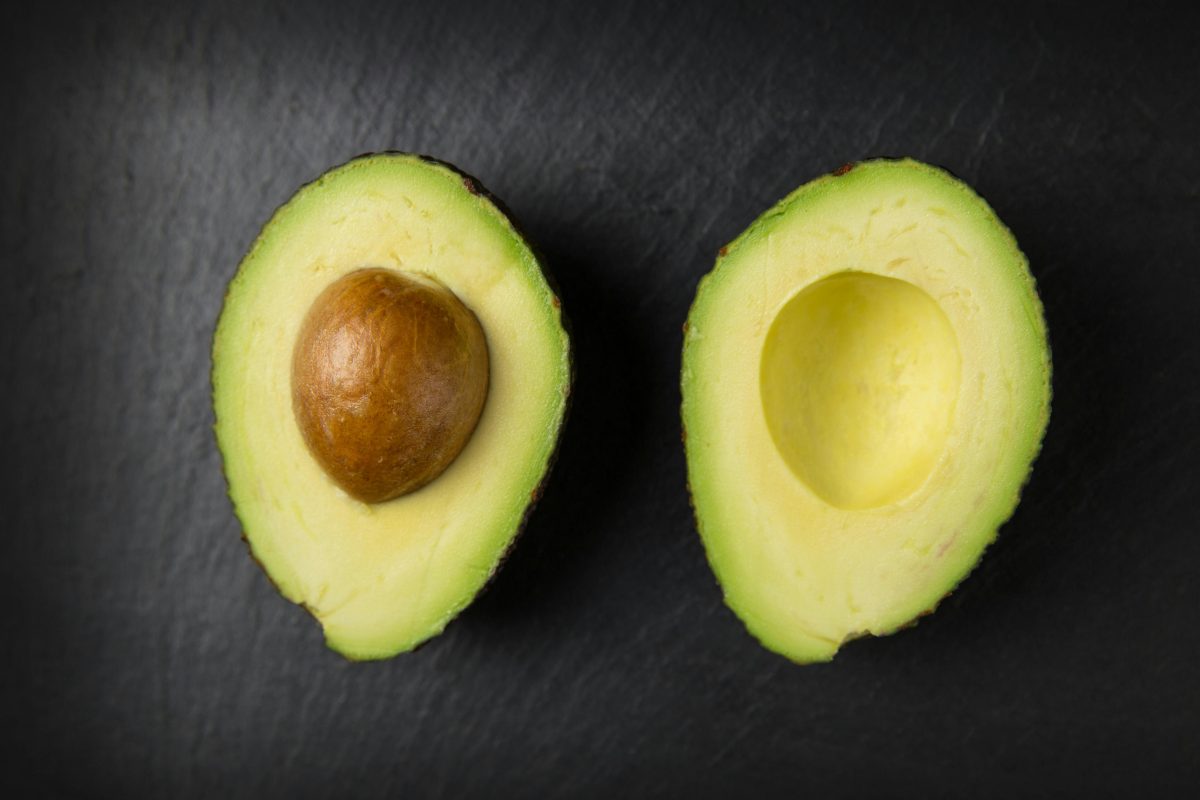
Vitamin B6 is abundant in avocados; half an avocado supplies approximately 15% of your daily needs.
Avocados, which are prized for their creamy texture and good fat content, are not only delicious but also beneficial to brain health and energy metabolism. Incorporating avocados into your diet is easy; enjoy them sliced on toast, added to salads, blended into smoothies, or mashed into guacamole.
Avocados are a nutrient-dense addition to any meal, thanks to their high fiber and heart-healthy monounsaturated fat content in addition to their B6 concentration. Their versatility and health benefits make avocados a standout choice for vegetarians.
5. Spinach
Spinach is a nutrient-dense leafy green that provides around 13% of your daily vitamin B6 needs per cup of cooked spinach. This versatile vegetable is not only a great source of B6 but also packed with iron, calcium, and antioxidants, making it a powerhouse for overall health.
Spinach can be easily incorporated into your diet—toss it into salads, blend it into smoothies, or cook it into soups, stir-fries, or pasta dishes. Its mild flavor and high nutritional value make spinach an essential staple in vegetarian diets, supporting everything from energy production to immune function.
6. Tofu
A staple in vegetarian diets, is an excellent source of plant-based protein and vitamin B6, with half a cup providing about 10% of your daily needs. Tofu, which is made from soybeans, is incredibly adaptable and goes well with many other foods, including smoothies, scrambles, and stir-fries.
Its ability to absorb flavors makes it a favorite in many cuisines. Tofu helps boost your B6 intake and contributes to heart health and muscle maintenance. Whether grilled, baked, or blended, tofu is a nutritious and adaptable choice for vegetarians.
7. Sunflower seeds
Sunflower seeds are a small but powerful source of vitamin B6, with just a quarter-cup serving providing about 8% of your daily needs. These nutrient-dense seeds are a great complement to any diet because they are also high in protein, healthy fats, and antioxidants.
As an easy snack, sunflower seeds can be added to salads, yogurt, or oatmeal. They can also be converted into homemade granola or energy bars. Their crunchy texture and mild, nutty flavor make them a versatile ingredient that adds both nutrition and taste to your meals, helping you easily boost your B6 intake.
8. Nuts
Nuts, especially pistachios, are a great source of vitamin B6, with a one-ounce serving providing about 5% of your daily requirement. These nutrient-dense snacks complement a balanced diet because they are high in fiber, protein, and healthy fats [3].
Nuts add a delightful crunch to baked goods, salads, and yogurt. Including a variety of nuts like almonds, walnuts, and pistachios in your daily diet offers numerous health benefits and helps boost your intake of vitamin B6.
9. Fortified cereals
If you’re a vegetarian, fortified cereals are a quick and simple way to increase your consumption of vitamin B6. Many cereals are enriched with essential vitamins, including B6, providing up to 100% of your daily requirement in a single serving.
When choosing a fortified cereal, opt for those low in added sugars and high in fiber to maximize nutritional benefits. Enjoy them with plant-based milk for a quick breakfast, or mix them with yogurt and fresh fruit for a more filling option. Fortified cereals offer a convenient way to start your day with a healthy dose of essential nutrients.
10. Garlic
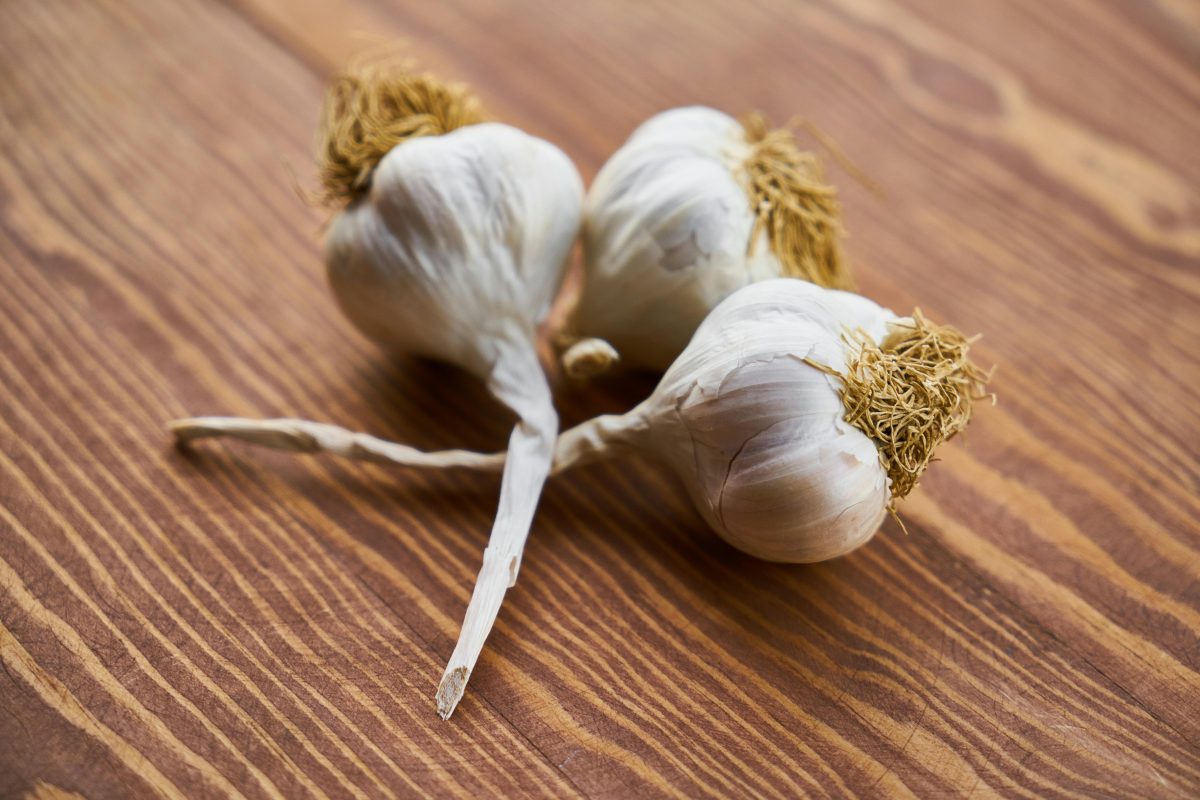
Garlic, a kitchen staple known for its bold flavor and health benefits, also provides a modest amount of vitamin B6. Although it doesn’t contribute as much B6 as some other foods on this list, its frequent use in cooking makes it a valuable addition to your diet.
A few cloves of garlic can add depth to dishes while supporting your B6 intake. Use garlic in soups, sauces, stir-fries, or roasted vegetables to enhance both flavor and nutrition. Garlic has other health benefits beyond just its B6 level. It also has anti-inflammatory and antioxidant qualities that make it a potent addition to meals.
What is the benefit of taking vitamin B6?
It’s involved in over 100 enzyme reactions, making it indispensable for various physiological processes that keep the body running smoothly. Here’s a closer look at the key functions of vitamin B6 and why it’s so vital for your health [4].
Brain health and cognitive function
Because it is crucial for the synthesis of neurotransmitters, vitamin B6 is also necessary for brain health and cognitive function.
These chemical messengers regulate mood, memory, and overall mental health.
- Serotonin: Supports mood regulation and emotional well-being.
- Dopamine: Enhances focus, motivation, and learning.
- GABA: Promotes relaxation and reduces anxiety, contributing to better sleep.
Energy metabolism
Vitamin B6 is essential for energy metabolism and helps your body use the energy you eat. It helps to ensure that your body has a constant supply of fuel by assisting in the breakdown of proteins, lipids, and carbohydrates.
- Amino acid metabolism: Supports muscle growth and repair by processing proteins.
- Glycogenolysis: Helps release stored glucose from glycogen, providing quick energy during physical activity.
Immune system support
Vitamin B6 is vital for a strong immune system. It plays a key role in the production of antibodies that help the body fight infections. It promotes red blood cell synthesis, which guarantees effective oxygen delivery to tissues—a prerequisite for immune system performance.
- Antibody production: Helps neutralize harmful bacteria and viruses.
- Red blood cell production: Ensures tissues receive adequate oxygen to support immune responses.
- Immune cell function: Enhances the activity of T cells and other immune cells.
Hormonal balance
For instance, vitamin B6 regulates neurotransmitters and hormones that affect mood, stress response, and sleep patterns [5], all of which are critical for preserving hormonal balance.
- Melatonin production: Supports the synthesis of melatonin, the hormone responsible for regulating sleep cycles, ensuring restful sleep.
- PMS relief: Helps alleviate premenstrual syndrome (PMS) symptoms, such as mood swings and irritability, by balancing hormonal fluctuations during the menstrual cycle.
Cardiovascular health
For cardiovascular health, vitamin B6 is crucial because it helps control blood homocysteine levels.
A higher homocysteine level increases the risk of heart disease; however, homocysteine can be reduced by vitamin B6, folate, and vitamin B12.
- Homocysteine regulation: Lowers the risk of heart disease by reducing harmful homocysteine levels.
- Heart health support: Works with other B vitamins to protect against cardiovascular issues.
These key functions highlight the critical role vitamin B6 plays in overall health. Ensuring adequate intake through diet or supplements is essential for maintaining optimal bodily functions and preventing deficiencies that could lead to health problems.
In closing
Ensuring you get enough vitamin B6 is crucial for maintaining overall health. This nutrient is critical for maintaining optimal bodily functions, including brain function, energy metabolism, immune system function, and heart health.
Adding extra B6 to your diet in little increments can make a big difference in your general health. Start with one or two of the foods mentioned and gradually build from there.
Whether you’re aiming to improve your mood, boost your energy, or protect your heart, paying attention to your vitamin B6 intake is a smart, proactive step towards better health.
FAQs
Why is vitamin B6 important for vegetarians?
Vegetarians may need to pay extra attention to their B6 intake since it is commonly found in animal products. Including B6-rich plant foods ensures adequate levels for overall health.
Can you get enough vitamin B6 from food alone?
Yes, many foods are rich in vitamin B6, such as chickpeas, bananas, and fortified cereals. A balanced diet usually provides sufficient amounts.
Can vitamin B6 improve mood and reduce stress?
Yes, vitamin B6 helps produce neurotransmitters like serotonin and dopamine, which regulate mood and reduce stress. Adequate levels can contribute to better mental health.
Does cooking affect the vitamin B6 content in food?
Cooking can reduce the vitamin B6 content in some foods, but many still retain significant amounts. Opt for methods like steaming or microwaving to preserve nutrients.
[1] Nutrients. Vitamins and Minerals for Energy, Fatigue and Cognition: A Narrative Review of the Biochemical and Clinical Evidence
[2] Food Chemistry. Bioactive compounds in banana and their associated health benefits – A review
[3] Natural Product Research. Health benefits of pistachios consumption
[4] National Institutes of Health. Vitamins B6
[5] Nutrients. B Vitamins and the Brain: Mechanisms, Dose and Efficacy—A Review

