
Longevity.Technology System users:
To discover how understanding your likelihood of freckles can help you protect your skin and maintain a healthy, radiant complexion:
- Download the LT System app on your Android or Apple smartphone.
- Open the LT System app and select ‘Health Insights.’
- Under ‘Skin Health,’ scroll down and find ‘Likelihood of Freckles.’
- Now, scroll down to find your results and recommendations.
Not a user yet?
That’s OK; you can sign up for your Epigenetic & DNA test here.
Ever wondered why some people have freckles while others don’t? Freckles are unique skin features that often spark curiosity and admiration. While some embrace their freckles as a distinctive trait, others might be puzzled by their appearance or wonder why they don’t have them at all.
The truth is that freckles are more than just a cosmetic quirk; they are a blend of genetics, melanin, and environmental factors, particularly sun exposure. Understanding why freckles appear on some individuals and not others involves diving into the complex interplay between our genes and the environment.
What is the scientific reason for freckles?
Freckles are small, flat, pigmented spots that typically appear on sun-exposed areas of the skin, such as the face, shoulders, and arms [1].
These tiny brown or tan marks are most common in individuals with lighter skin tones, but they can occur in people of all skin types. There are two main types of freckles: ephelides and solar lentigines.
- Ephelides: The classic freckles that often appear in childhood and become more prominent with sun exposure. They are usually smaller and lighter in color, fading somewhat in winter when sun exposure is reduced.
- Solar lentigines: Larger, darker spots typically appear with age and are often referred to as age spots or sunspots. Unlike ephelides, solar lentigines are more permanent and do not fade in the winter.
The pigment melanin, which gives our skin, hair, and eyes their color, is also involved in developing freckles. Melanin is made by special cells called melanocytes, located in the skin’s deepest layer. The amount and kind of melanin these cells produce determine our skin tone and whether we get freckles.
Sunlight can harm the skin. To protect itself, the skin produces more melanin, a pigment that helps absorb harmful UV rays. In some individuals, however, this response leads to the concentrated production of melanin in small clusters, resulting in freckles.
Freckles are more likely to develop in people who have a specific type of melanin known as pheomelanin. This form of melanin is less effective at protecting the skin from UV damage than eumelanin, the darker form of melanin [2].
This is why individuals with lighter skin tones, who produce more pheomelanin, are more prone to developing freckles when exposed to the sun.
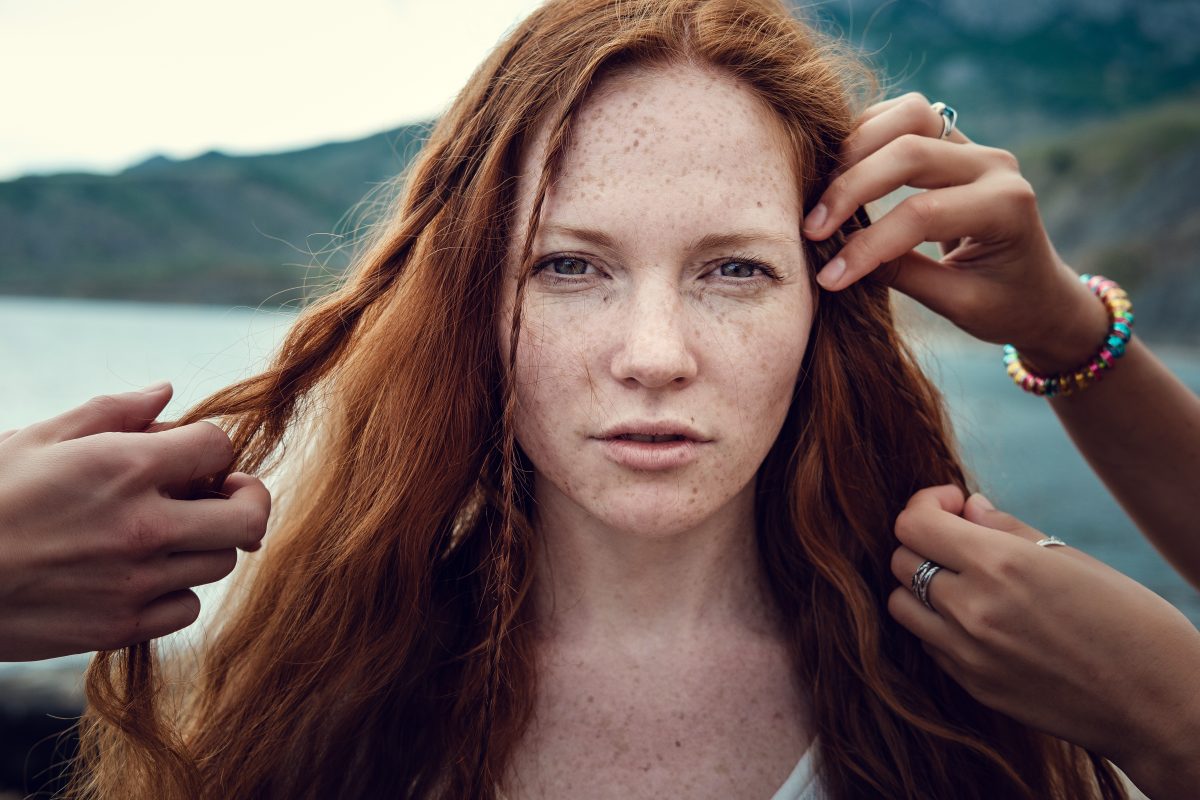
What causes people to have freckles?
Freckles are a unique and intriguing skin feature that often prompts the question: why do some people have freckles while others don’t? The answer lies in a combination of factors:
1. Genetic factors
Freckles are not just a result of sun exposure; they’re also deeply rooted in your genetic makeup. While sun exposure can trigger freckle development, your DNA ultimately determines how your skin responds to UV light and whether those tiny spots will appear.
Understanding the genetic factors behind freckles helps explain why they’re a common trait for some and completely absent in others. Here’s how genetics influence freckle formation:
MC1R gene and its role
The MC1R gene is the key player in freckle development [3]. This gene controls the type of melanin produced by your body. There are two types of melanin: eumelanin (darker pigment) and pheomelanin (lighter pigment).
People with variations in the MC1R gene are more likely to produce pheomelanin, which is linked to lighter skin and a higher likelihood of developing freckles.
Genetic inheritance
Freckles are inherited in an autosomal dominant pattern, meaning if one of your parents has freckles, you’re likely to have them, too. However, the exact pattern of inheritance can be complex, as multiple genes may be involved.
Skin types and freckles
Due to their genetic makeup, individuals with fair skin, particularly those with red or blonde hair, are more prone to freckles. When exposed to sunlight, these skin types often produce more pheomelanin, leading to a higher risk of freckle formation.
Ethnic background
Freckles are more common in individuals of European descent, particularly those from Celtic backgrounds. However, depending on their genetic predisposition, freckles can appear in people of any ethnicity.
Why some people don’t get freckles
People with a genetic predisposition to produce more eumelanin (the darker type of melanin) are less likely to develop freckles. These individuals may tan more evenly and have skin that is better protected against UV radiation, reducing the likelihood of freckle formation.
2. Environmental influences
While genetics lay the foundation for whether or not you’re predisposed to freckles, environmental factors, particularly sun exposure, play a crucial role in your actual development. Here’s how the environment influences the appearance of freckles:
Sun exposure and UV radiation
- Triggering freckle formation: Freckles often become more visible and prominent after exposure to sunlight. UV radiation from the sun stimulates melanocytes, the cells responsible for producing melanin, to increase melanin production as a protective response. In individuals with a genetic predisposition, this surge in melanin leads to the appearance of freckles.
- Seasonal changes: Freckles tend to darken and multiply during the summer when sun exposure is more intense. When UV exposure is reduced in the winter, freckles may fade or become less noticeable, but they typically don’t disappear entirely.
- The role of skin type: People with lighter skin are more susceptible to the effects of UV radiation, making them more likely to develop freckles when exposed to the sun. Conversely, individuals with darker skin, who produce more eumelanin are less likely to develop freckles, as their skin is better equipped to handle UV exposure.
Impact of lifestyle and location
- Geographical influence: Where you live can impact the likelihood of developing freckles. People living closer to the equator, where UV radiation is stronger year-round, may notice more freckles than those living in regions with less intense sun exposure. Altitude also matters—higher altitudes have stronger UV radiation, increasing the chance of freckle formation.
- Lifestyle factors: Outdoor activities and hobbies that involve prolonged sun exposure, like beach outings, hiking, or gardening, can increase the number and visibility of freckles. Conversely, regular use of sunscreen and protective clothing can reduce the likelihood of freckle formation, even in the genetically predisposed.
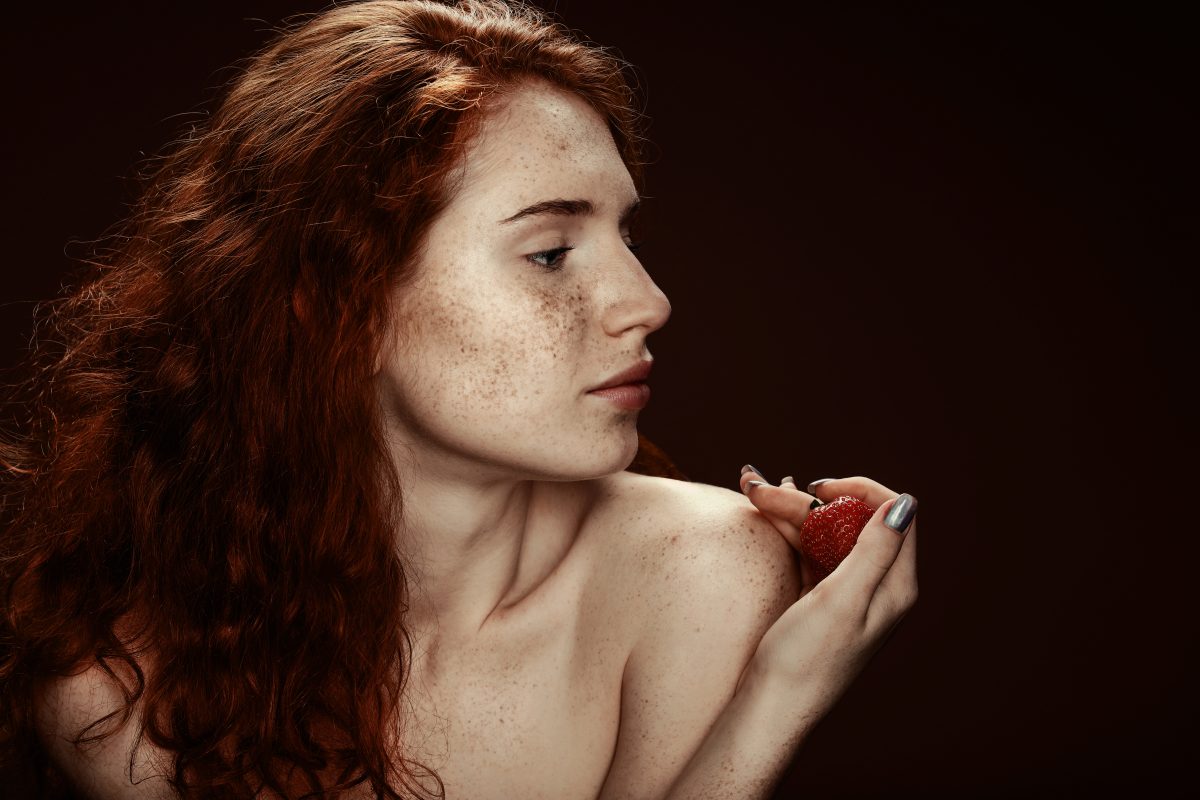
Other environmental factors
- Pollution and skin health: Environmental pollutants can exacerbate skin conditions and increase sensitivity to UV radiation, potentially leading to more freckles. Maintaining good skin care practices and protecting your skin from environmental stressors can help manage freckle appearance.
- Diet and nutrition: While not a direct cause, certain nutrients, like antioxidants from certain foods, can help protect your skin from UV damage, potentially reducing the intensity or number of freckles.
While genetics determine your susceptibility to freckles, environmental factors—especially sun exposure—are the key triggers that bring them to the surface. Understanding the influence of your environment can help you manage and protect your skin, whether you embrace your freckles or prefer to minimize their appearance.
Are freckles a sign of unhealthy skin?
Freckles can also raise questions about overall skin health. Understanding the relationship between freckles and skin health is important for anyone who has them or is prone to developing them. Here’s what you need to know:
Freckles vs. sun damage
Freckles themselves are not harmful or a sign of skin damage. They are simply areas of increased melanin production in response to sun exposure. However, freckles can indicate that your skin has been exposed to significant UV radiation, which is a risk factor for sun damage and other skin issues.
Freckles and UV sensitivity
People who develop freckles easily often have a higher sensitivity to UV radiation, meaning their skin is more vulnerable to the sun’s harmful effects. This increased sensitivity can make them more prone to sunburn, premature aging, and, in some cases, skin cancer.
While freckles themselves are benign, any sudden changes in their appearance, such as rapid growth, darkening, or irregular borders, should be monitored closely. It’s important to differentiate between freckles and other pigmented spots like moles or sunspots, which could be signs of skin conditions requiring medical attention.
In closing
Freckles are generally a harmless and natural response to sun exposure, but they do indicate that your skin has been exposed to UV radiation.
To keep your skin healthy and beautiful, taking care of it is important. Freckles are a unique part of your appearance. You can protect your freckles and your skin by checking your skin regularly and taking steps to prevent sun damage.
Wondering how your likelihood of freckles impacts your skin and aging? The Longevity.Technology Epigenetic & DNA Test provides personalized recommendations for keeping your skin healthy and luminous.
FAQs
Are freckles genetic?
Yes, freckles are strongly influenced by genetics, particularly by the MC1R gene.
Are freckles a sign of skin damage?
No, freckles themselves are not a sign of skin damage, but they do indicate that your skin has been exposed to UV radiation.
Can freckles turn into skin cancer?
Freckles are generally harmless, but any changes in their appearance should be monitored, as they can sometimes be confused with other skin conditions.
Do freckles fade over time?
Freckles can fade or become less noticeable with reduced sun exposure, especially during the winter months, but they typically do not disappear completely.
[1] i-Perception. Naturalistic face adaptation: How we adapt to freckles fast and sustainably
[2] ScienceDirect. Pheomelanin
[3] Journal of Investigative Dermatology. A Gene for Freckles Maps to Chromosome 4q32–q34

