
Southern California initiative to focus on early intervention, aging subtype research and translation of preventative longevity therapies.
The field of longevity science continues to edge into public discourse and policy relevance with the steady cadence of private initiative. The latest signal comes from Southern California, where R Rex Parris, Mayor of Lancaster and co-founder of regenerative medicine company ReParris, has committed $10 million to the University of Southern California to launch a new longevity accelerator.
The USC Parris Longevity Accelerator will sit within the university’s multidisciplinary research ecosystem, aiming to identify biological drivers of aging and develop therapies to delay or prevent age-related disease. The focus is not merely on extending lifespan, but on early intervention and clinical translation – approaches increasingly viewed as essential to managing the spiraling cost and burden of degenerative illness.
Longevity.Technology: The $10 million donation from Mayor Rex Parris to establish the USC Parris Longevity Accelerator is more than an act of philanthropy – it is another sign that private individuals are stepping in where public funding is faltering. As Peter Diamandis recently noted in the context of the XPRIZE Healthspan competition: “prizes are typically funded by individuals,” reflecting a growing trend of private capital underwriting high-risk, high-reward biomedical innovation. With the NIH facing increasing scrutiny and uncertainty under the current administration, especially around its aging and translational research portfolios, the Accelerator exemplifies how the longevity field is adapting – forging ahead not just with science, but with alternative funding models that can sustain it. That this effort is emerging from a civic leader, rather than a biotech mogul, underscores how longevity is expanding into new spheres of influence – local governance, education and even community health planning.
What sets the USC initiative apart is its integrated focus on prevention, personalization and scalability – hallmarks of modern geroscience. Targeting aging subtypes and identifying high-risk profiles before pathologies emerge reflects a precision medicine approach, but applied upstream in the disease cascade. This shift – from reactive treatment to proactive intervention – is both scientifically ambitious and urgently necessary if we are to flatten the growing burden of age-related disease. The promise of the Accelerator will rest not only on its discoveries, but on its ability to translate those into practical, deployable solutions. Industry partnerships and translational pipelines are no longer optional – they are essential to moving longevity science from lab bench to health system. If successful, the USC Parris Longevity Accelerator may not just extend lifespan – it could help redefine how we invest in, deliver and think about healthcare itself.
The first major research initiative of the Accelerator will involve analyzing large-scale data to identify aging subtypes and at-risk individuals – a move intended to support personalized care pathways and earlier intervention. “Age-related diseases continue to cost our healthcare system trillions of dollars. Now is the time to act to not only help people live longer but also to improve their quality of life,” said Parris. “The USC Parris Longevity Accelerator will provide the critical resources needed to unite experts from various disciplines, foster innovation and pave the way for new therapies targeting the root causes of aging and its prominent role in disease progression.”
Reflecting on the motivation behind the gift, he added: “It’s really pretty simple – I’m afraid of dying, as most of us are. My wife Carrol and I are proud to back science that can help people to live longer, healthier and more fulfilling lives. USC has the talent, leadership and infrastructure to lead this important work.”
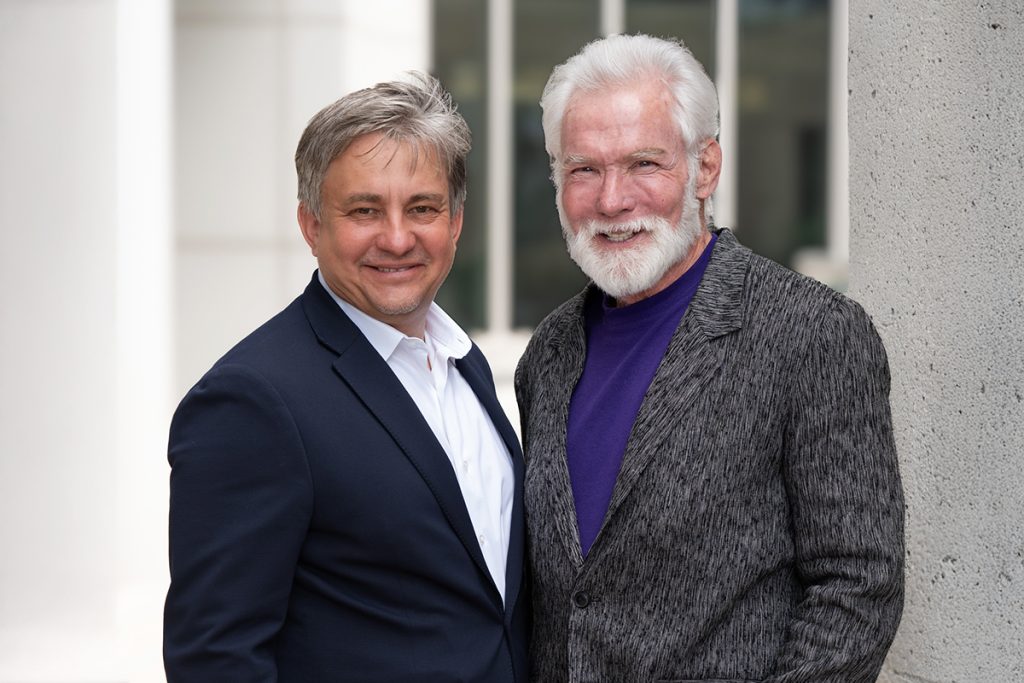
That multidisciplinary emphasis is a cornerstone of the program; researchers from AI, engineering, regulatory science, gerontology and clinical medicine will collaborate to translate laboratory insights into clinically relevant strategies. Dr Denis Evseenko – professor at USC and co-founder of ReParris – will serve as founding director.
“For far too long, we’ve thought about and approached age-related diseases at the point of crisis with expensive, late-stage interventions,” he said. “Our team already has a well-documented track record of successful translation of scientific breakthroughs into the early stage preventive therapeutics and clinical trials. The Accelerator is shifting that mindset by investing in the science needed to detect the earliest biological signs of aging, understand why some people decline faster than others and develop targeted strategies to intervene before disease takes hold.”
Alongside its academic aims, the Accelerator will develop partnerships with industry to fast-track the deployment of therapeutics – an increasingly vital bridge between lab and market in a field still grappling with scale and access. ReParris itself, the regenerative medicine company co-founded by Parris and Evseenko, is focused on inflammation-driven conditions such as pulmonary fibrosis and sepsis, and has also begun longevity studies in canine models.
Southern California may not yet be known as a longevity capital – but with this combination of institutional credibility, civic commitment and translational ambition, that may be about to change.

