
Longevity.Technology System users:
To discover your risk for knee injuries:
- Download the LT System app on your Android or Apple smartphone.
- Open the LT System app and select ‘Health Insights.’
- Under ‘Injury Risk,’ scroll down and find ‘Knee Injury.’
- Now, scroll down to find your results and recommendations.
Not a user yet?
That’s OK; you can sign up for your Epigenetic & DNA test here.
Knee injuries can affect anyone, from athletes to individuals with sedentary lifestyles. Whether caused by a sudden impact, overuse, or age-related wear, knee issues can lead to pain, swelling, and restricted movement.
Understanding the different types of injuries, causes, and signs can help identify problems early. Equally important is knowing how to treat and prevent these injuries to maintain knee health.
This guide covers essential information on knee injury types, what causes them, common symptoms, treatment options, and preventive strategies to keep your knees strong and healthy.
What are the types of knee injuries?
Knee injuries can take various forms, affecting different structures within the joint. They can range from mild to severe and often require different levels of care and treatment.
1. Traumatic injuries
a. Anterior Cruciate Ligament (ACL) Tears
ACL injuries are among the most common knee injuries [1], often caused by sudden stops, pivots, or changes in direction during sports. These injuries can result in pain, swelling, and instability.
b. Medial Collateral Ligament (MCL) Injuries
The MCL is typically injured when a blow to the outer side of the knee causes the inner ligament to stretch or tear. Pain and swelling on the inside of the knee are common symptoms.
c. Meniscus tears
The meniscus acts as a cushion between the thighbone and shinbone [2]. A sudden knee twist while bearing weight can tear the meniscus, leading to pain, swelling, and difficulty moving the knee.
d. Fractures
Fractures of the patella (kneecap) or femur (thigh bone) are usually the result of high-impact trauma, such as a fall or collision. These injuries require immediate medical attention and often involve surgery.
2. Overuse injuries
a. Patellar tendinitis (jumper’s knee)
This condition occurs when the kneecap’s tendon to the shinbone becomes inflamed due to repetitive stress, typically from jumping or running. Pain is usually felt at the front of the knee.
b. Iliotibial Band Syndrome
Often seen in runners, this condition involves irritation of the iliotibial band, a thick band of tissue running along the outer thigh. It causes pain outside the knee, especially after physical activity.
c. Bursitis
Bursae are fluid-filled sacs that cushion the knee. Frequent kneeling or trauma can lead to inflammation, causing pain and swelling around the knee.
d. Runner’s knee (chondromalacia)
This condition involves the softening and breakdown of cartilage on the underside of the kneecap, leading to pain, particularly during activities like running or climbing stairs.
3. Degenerative injuries
a. Osteoarthritis
Osteoarthritis is a common degenerative condition that occurs when the cartilage in the knee gradually wears down over time. It leads to pain, stiffness, and swelling, especially in older adults.
b. Degenerative meniscal tears
Unlike acute meniscus tears caused by trauma, degenerative tears occur over time as the cartilage weakens with age, often leading to persistent pain and swelling.
What causes knee injuries?
Knee injuries can result from various causes, ranging from acute trauma to long-term wear and tear. Understanding these causes can help prevent injuries and promote better knee health.
1. Traumatic injuries
Sudden impacts
A direct blow to the knee, such as in car accidents, falls, or sports collisions, can lead to fractures, ligament tears, or dislocations [3]. Sports like football, soccer, and skiing carry a higher risk of knee trauma due to rapid changes in movement or unexpected impacts.
Twisting movements
Abrupt twisting or pivoting of the knee, especially when the foot is firmly planted, can cause significant damage. These movements often result in anterior cruciate ligament (ACL) tears, common in sports like basketball, tennis, and soccer.
2. Overuse and repetitive stress
Repetitive movements
Repeated stress on the knee joint from activities like running, cycling, or jumping can cause overuse injuries [4]. This strain can lead to conditions like patellar tendinitis (jumper’s knee), where the tendon connecting the kneecap to the shinbone becomes inflamed.
Improper technique
Incorrect form during exercises or physical activities can stress the knee joint unnecessarily. For instance, poor running posture or improper squat technique can lead to a runner’s knee or iliotibial band syndrome. Even routine activities like lifting heavy objects with poor form can strain the knees.
Muscle imbalances
Weakness or tightness in the muscles surrounding the knee, such as the quadriceps, hamstrings, or calves, can lead to increased pressure on the knee joint. These imbalances affect how forces are distributed through the knee, increasing the risk of injury.
3. Degenerative causes
Aging
As we age, the cartilage that cushions the knee gradually wears down, leading to osteoarthritis. This degenerative condition is one of the most common causes of chronic knee pain in older adults [5].
Previous injuries
A history of knee injuries can make the joint more susceptible to further damage. Scar tissue, weakened ligaments, or previous surgeries may increase the likelihood of re-injury.
Obesity
Carrying excess weight increases the load on the knee joint, accelerating cartilage wear and increasing the risk of conditions like osteoarthritis. Even modest weight gain can significantly impact knee health over time.
4. Poor flexibility and lack of strength
Weak muscles
Strong muscles surrounding the knee, particularly the quadriceps and hamstrings, play a crucial role in stabilizing the joint. When these muscles are weak, the knee is more vulnerable to injury. Regular strengthening exercises can help mitigate this risk.
Tight muscles
Tight muscles, especially in the calves or hamstrings, can limit the knee’s range of motion and increase stress on the joint. Stretching and flexibility exercises are essential to maintaining knee health and preventing injuries.
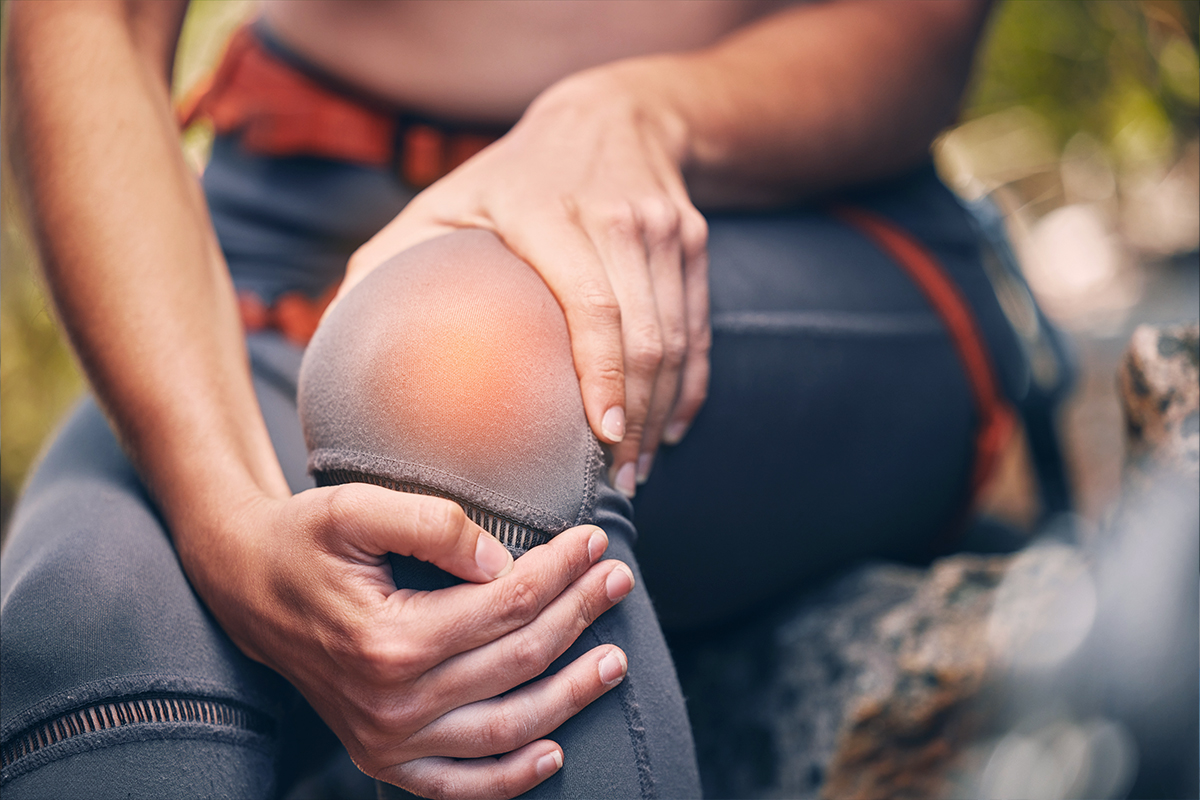
What are the signs and symptoms of knee injuries?
Knee injuries present a range of signs and symptoms that vary depending on the type and severity of the injury. Recognizing these symptoms early is key to getting proper treatment and preventing further damage.
1. Pain
Many knee injuries, especially traumatic ones like ligament tears or fractures, are characterized by immediate, intense pain [6]. This pain is often felt during the injury, such as a sudden twist or impact, and can worsen with movement.
Overuse injuries, such as patellar tendinitis or osteoarthritis, often result in a dull, aching pain. This discomfort develops gradually and may worsen, especially during or after physical activity.
2. Swelling
In cases of traumatic injuries like ACL or meniscus tears, swelling may occur quickly due to internal bleeding within the knee joint. This rapid swelling is often accompanied by stiffness and difficulty moving the knee.
Overuse injuries, such as bursitis or osteoarthritis, may cause swelling that develops more slowly. The knee may feel puffy or tight, particularly after extended periods of activity or standing.
3. Limited range of motion
Stiffness in the knee is a common symptom following both traumatic and overuse injuries. This can make it difficult to fully straighten or bend the knee, limiting mobility and everyday activities.
If the knee feels “locking” or catching during movement, it may signify a meniscus tear. This occurs when the torn cartilage interferes with the smooth motion of the knee joint.
4. Instability
Ligament injuries, particularly to the ACL or MCL, often cause knee instability [7]. Individuals may feel that the knee is unstable or giving way, especially when putting weight on it. This can make walking, climbing stairs, or running difficult and risky.
Knee buckling, or a sudden loss of support from the joint, is another common sign of ligament or cartilage damage. It can lead to falls or difficulty maintaining balance.
5. Audible sounds
A popping sound at the time of injury often signals a ligament tear, such as an ACL rupture. Clicking or grinding sounds, on the other hand, may indicate issues like runner’s knee or degenerative changes in the joint.
Grinding sensations, especially when moving the knee, can point to cartilage damage, like osteoarthritis or chondromalacia. This is often accompanied by pain and stiffness.
6. Redness and warmth
The knee may become red and warm to the touch in cases of inflammation, such as bursitis or tendinitis. These symptoms are signs of increased blood flow and swelling in response to irritation or injury.
How is a knee injury diagnosed or assessed?
Proper diagnosis of knee injuries is essential for determining the right course of treatment. A comprehensive assessment usually begins with a detailed medical history, followed by a physical examination and imaging tests if needed.
1. Medical history
The first step in diagnosing a knee injury involves discussing the patient’s symptoms, recent activities, and past injuries.
Understanding the circumstances surrounding the injury, such as whether it occurred during physical activity or developed gradually over time, helps the doctor narrow down potential causes.
2. Physical examination
During the physical exam, the doctor will check for signs of swelling, bruising, or deformity around the knee. They will also assess the range of motion by asking the patient to bend, straighten, and rotate the knee.
Specific tests may be performed to check for ligament stability, such as the Lachman test for ACL tears or the McMurray test for meniscus tears. Tenderness along certain areas of the knee can help pinpoint the location of the injury.
3. Imaging tests
- X-rays – These are commonly used to check for fractures or dislocations in the knee bones. X-rays can also show signs of degenerative conditions like osteoarthritis.
- Magnetic Resonance Imaging (MRI) – An MRI provides a detailed view of the soft tissues in the knee, including ligaments, tendons, cartilage, and muscles. This test is especially useful for diagnosing ligament tears, meniscus injuries, or other soft tissue damage.
- Ultrasound – In some cases, an ultrasound may examine soft tissues around the knee, such as tendons and bursae, especially if inflammation is suspected.
How do you know if a knee injury is serious?
It’s important to recognize when a knee injury requires immediate medical attention. Some signs indicate a more serious condition needing professional evaluation or intervention.
1. Severe pain and swelling
If the pain is intense and doesn’t improve with rest, ice, or over-the-counter pain relief, this could be a sign of a serious injury. Rapid swelling, especially within the first few hours of the injury, may suggest damage to ligaments or a fracture.
2. Inability to bear weight
If you’re unable to put any weight on the affected leg or if the knee feels like it might collapse when standing, this could indicate a ligament tear, such as an ACL or MCL injury. The inability to walk without significant pain or limping also points to a more severe issue.
3. Visible deformity
A noticeable deformity, such as an out-of-place kneecap or a misshapen knee joint, could indicate a dislocation or fracture. These injuries require urgent medical treatment to prevent long-term damage.
4. Locking or instability
If your knee feels like it’s locking in place, consistently unstable or gives way, this could be a sign of torn meniscus or ligament damage.
What are the treatment options for knee injuries?
The treatment for knee injuries varies depending on their severity and type. Options range from conservative care to surgical intervention.
1. Rest and home care
The RICE method (Rest, Ice, Compression, and Elevation) is often the first line of treatment for mild knee injuries.
Resting the knee, applying ice to reduce swelling, using a compression bandage, and keeping the knee elevated can help recovery.
Over-the-counter pain relievers like ibuprofen or acetaminophen may also alleviate pain and inflammation.
2. Physical therapy
Physical therapy is a common treatment for both mild and moderate injuries. A physical therapist will guide you through exercises to strengthen the muscles surrounding the knee, improve flexibility, and restore mobility.
Therapy is essential for injuries like patellar tendinitis, runner’s knee, and post-surgery recovery.
3. Medications
In cases of inflammation, medications such as nonsteroidal anti-inflammatory drugs (NSAIDs) or corticosteroid injections may be recommended to reduce swelling and pain.
4. Surgical intervention
More severe injuries, like ACL tears, meniscus tears, or fractures, may require surgery.
Arthroscopy is a minimally invasive procedure commonly used to repair ligament or cartilage damage [8].
A total knee replacement may be necessary in extreme cases, such as advanced osteoarthritis.
Can knee injuries heal on their own?
Some knee injuries, particularly mild ones, can heal independently with proper care [9]. Minor strains, sprains, and overuse injuries often respond well to rest and the RICE method.
These injuries may heal within a few days to a few weeks, depending on the severity and the individual’s overall health.
However, more severe injuries, such as ligament tears (ACL or MCL), meniscus tears, or fractures, generally do not heal on their own.
These injuries often require medical intervention, such as physical therapy, bracing, or surgery, to fully recover and regain function.
Ignoring severe knee injuries or delaying treatment can lead to long-term complications, including chronic pain, instability, or reduced mobility.
It’s essential to monitor symptoms. If pain, swelling, or instability persists after a few days of home care or you cannot bear weight on the knee, it’s important to seek medical advice to avoid further damage.
What not to do after a knee injury?
After a knee injury, avoiding actions that can worsen the condition or delay healing is important. Here’s what you should avoid:
1. Ignoring the pain
Continuing to push through pain after a knee injury can lead to further damage. Rest and listen to your body’s signals. Pain is a warning sign that something is wrong.
2. Skipping rest
Rest is critical for recovery. Avoid returning to physical activity too soon, as it can strain the knee further and prolong healing. Follow your doctor’s recommendations for rest and activity.
3. Avoiding medical attention
Some knee injuries, like ligament tears or fractures, require professional treatment. If swelling, instability, or severe pain persists, see a doctor for proper evaluation and care.
4. Relying solely on pain medications
While over-the-counter pain relievers can reduce discomfort, they don’t treat the underlying injury. Use medications as part of a broader recovery plan that includes rest and rehabilitation.

Can knee injuries be prevented?
Preventing knee injuries requires strengthening exercises, proper technique, and attention to overall joint health. The following strategies can reduce the risk of both traumatic and overuse injuries.
1. Strengthening exercises
Building strong muscles around the knee helps provide stability and support. Focus on strengthening the quadriceps, hamstrings, calves, and glutes. Exercises such as lunges, squats, leg presses, and hamstring curls can improve knee strength and stability.
2. Flexibility and stretching
Keeping the muscles around the knee flexible reduces strain on the joint. Stretching before and after physical activities is essential. Incorporate stretches for the hamstrings, quadriceps, calves, and hip flexors to maintain a good range of motion in the knee joint.
3. Proper warm-up
A proper warm-up before engaging in sports or exercise prepares your muscles and joints for activity. Dynamic stretching and light aerobic exercises help increase blood flow and loosen the muscles, reducing the risk of injury.
Wearing supportive shoes that fit well and are appropriate for the activity can significantly reduce the risk of knee injuries. Shoes that provide good cushioning and arch support help maintain proper alignment during movement.
5. Practice good technique
Using correct form during exercises, especially when running, jumping, or lifting, is crucial to avoid putting unnecessary strain on the knees. If unsure about proper technique, consider working with a trainer or physical therapist to ensure safe movement.
How long does it take for a knee injury to heal?
The healing time for a knee injury depends on the type and severity of the injury, the individual’s age, overall health, and the treatment received.
1. Minor injuries
With proper care, mild knee injuries, such as minor strains or sprains, typically heal within a few days to two weeks.
Using the RICE method, gentle stretching, and strengthening exercises can speed up recovery.
2. Moderate injuries
Injuries like partial ligament tears, meniscus tears, or moderate overuse injuries may take longer to heal, typically four to eight weeks. During this recovery period, physical therapy is often necessary to restore strength and mobility.
3. Severe injuries
Severe injuries, including complete ligament tears or fractures, may require surgical intervention and a longer rehabilitation process. Depending on the procedure and the individual’s response to treatment, recovery from surgery can take three to six months or more.
Identify your knee injury risks with the Longevity.Technology Epigenetic & DNA Test
The Longevity.Technology Epigenetic & DNA Test offers valuable insights into your genetic predisposition for knee injuries.
Analyzing your DNA can reveal whether you’re more likely to experience conditions like ligament tears, osteoarthritis, or other joint-related issues. Understanding these genetic risks enables you to take preventive steps early on.
If you are more likely to develop cartilage degeneration or weaker ligament structure, you can adopt targeted strengthening exercises, focus on flexibility, and adjust your physical activities accordingly to reduce stress on your knees.
Additionally, the test helps identify inflammation markers that may contribute to overuse injuries. With this information, you can work with healthcare professionals to create a personalized plan that strengthens your knees and protects them from future damage.
Don’t wait for a knee injury to impact your mobility. Take control of your joint health with the Longevity.Technology Epigenetic & DNA Test. Discover your genetic risk factors and start implementing preventive measures today.
Closing thoughts
Knee injuries can significantly impact daily life, but understanding their types, causes, and signs can help you manage and prevent them.
Whether dealing with traumatic injuries, overuse conditions, or degenerative issues, early diagnosis and the right treatment are key to recovery.
By incorporating prevention strategies and using tools like the Longevity.Technology Epigenetic & DNA Test, you can identify genetic risks and take proactive steps to protect your knees.
Maintaining strong, healthy knees is essential for long-term mobility and an active lifestyle. Take action now to safeguard your joint health for the future.
FAQs
What is the fastest way to heal a knee injury?
Resting, applying ice, and compression are key to speeding up recovery. Physical therapy and avoiding strain on the knee also promote faster healing.
Is walking ok for a knee injury?
Walking can be safe for mild knee injuries, but avoid it if there is significant pain or swelling. Consult a doctor before continuing any activity with a knee injury.
Is heat good for an injured knee?
Heat is beneficial after reduced swelling, as it helps relax muscles and increase blood flow. Ice is used initially to reduce inflammation and manage pain.
How do you identify the type of knee injury?
Identifying a knee injury requires considering symptoms like pain, swelling, and instability. A doctor may perform physical exams and use imaging tests like X-rays or MRIs to make an accurate diagnosis.
[1] OrthoInfo. Anterior Cruciate Ligament (ACL) Injuries
[2] Penn Medicine. Meniscus Tear
[3] John Hopkins Medicine. Kneecap Fractures (Patella Fractures)
[4] PM&R Knowledge NOW. Knee Overuse Disorders
[5] National Library of Medicine. Knee Osteoarthritis
[6] MSD Manual. Overview of Fractures
[7] Proliance Puget Sound Orthopaedics. The Difference Between MCL and ACL Tears
[8] The Ochsner Journal. Minimally Invasive Orthopedic Surgery: Arthroscopy
[9] Better Health Channel. Knee injuries

