
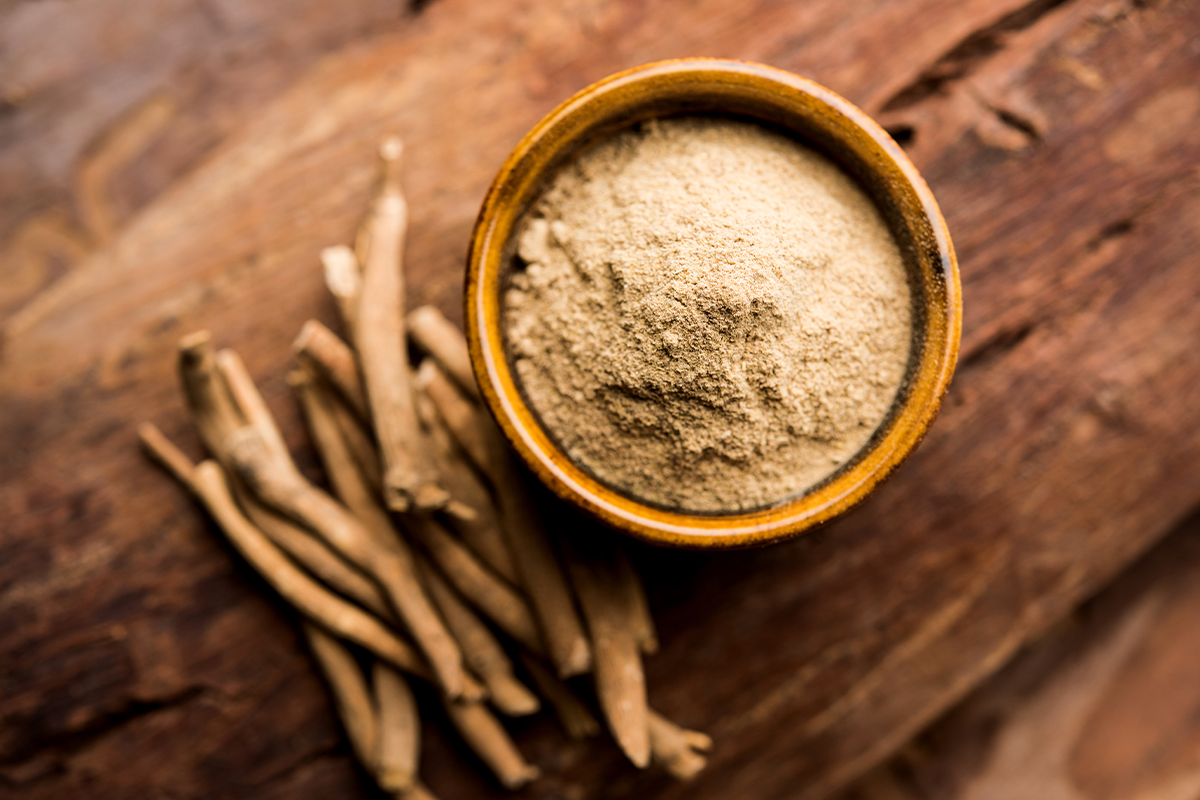
Ashwagandha, scientifically known as Withania somnifera, is an adaptogen [1]. Adaptogens are natural substances believed to help the body manage stress. They support the adrenal glands, which regulate your body’s response to stress and fatigue.
This means ashwagandha may help you feel calmer, more energized, and better equipped to handle daily challenges.
Despite its many benefits, it’s important to use ashwagandha responsibly. It is crucial to understand its potential side effects, interactions with other medications, and proper dosages.
What is ashwagandha mainly used for?
Traditionally, ashwagandha has been employed to rejuvenate the body and mind, enhancing both physical and mental health.
Its adaptogenic properties are especially beneficial for managing stress and anxiety, as they help stabilize the body’s stress response and enhance overall resilience. Additionally, it is commonly used to increase energy levels and enhance concentration.
In modern health practices, ashwagandha’s scope extends even further, with uses ranging from improving sleep patterns to enhancing sexual health and boosting immune function.
Its application in supporting better cognitive function and combating the effects of aging illustrates its versatile nature.
With its grounding in both anecdotal evidence and an increasing body of research, ashwagandha continues to be a cornerstone supplement for holistic health enthusiasts seeking to balance their body systems.
What common health issues can ashwagandha help with?
Are you grappling with stress, anxiety, fatigue, or insomnia? Ashwagandha might be the remedy you’re seeking. This ancient herb is renowned for its stress-relieving properties and its ability to enhance overall vitality and promote restful sleep.
Stress and anxiety
Ashwagandha is frequently celebrated as a natural remedy for stress. It acts as an adaptogen, aiding the body in managing both emotional and physical stress [2].
Studies indicate that it can significantly reduce cortisol levels, the hormone responsible for stress, thereby alleviating anxiety symptoms.
For instance, a 60-day study involving individuals with chronic stress reported that those who took ashwagandha experienced a reduction in anxiety and insomnia compared to those who didn’t.

Fatigue
Alongside its stress-reducing capabilities, ashwagandha may combat fatigue associated with daily stress and exertion.
By stabilizing body functions and enhancing energy production at a cellular level, it helps sustain energy throughout the day without stimulating side effects.
Insomnia
The herb also appears to support better sleep. Its soothing properties help relax the mind, facilitating easier sleep onset and enhancing sleep quality.
Research supports this, noting improvements in both sleep onset and duration for those incorporating ashwagandha into their nightly routine.
When should I use ashwagandha?
Knowing when to incorporate ashwagandha into your daily routine can be crucial for optimal benefits. Here are some guidelines on how best to use this powerful herb:
Morning use for stress
- Objective: Combat daily stress and anxiety.
- Method: Take ashwagandesh in the morning to help stabilize your mood and improve resilience against day-to-day stressors.
Evening use for sleep
- Objective: Enhance sleep quality and duration.
- Method: Take ashwagandha in the evening to utilize its calming effects, which can aid in faster sleep onset and deeper sleep without morning grogginess.
During physical demands
- Objective: Support recovery and energy during intense physical activity or post-illness.
- Method: Use ashwagandha during periods of high physical demand to aid recovery and maintain energy levels. It is recommended to consult a healthcare provider for tailored advice.
What are the safety concerns of ashwagandha?
Ashwagandha has gained immense popularity for its adaptogenic properties and potential health benefits, but it’s important to be mindful of safety and potential side effects.
While generally well-tolerated, there are some potential side effects and interactions to be aware of. Let’s explore these safety concerns to ensure you make informed decisions about incorporating ashwagandha into your wellness routine.
Potential side effects
Although ashwagandha is generally well tolerated, adverse effects are possible for certain people. Here are the most common ones:
- Digestive issues: Some people report stomach upset, diarrhea, or nausea when taking ashwagandha. Starting with a lower dose can help your body adjust and minimize these effects.
- Headaches: Occasional headaches may occur, especially if the dosage is too high. Reducing the dose or taking the supplement with food might help alleviate this problem.
- Allergic reactions: Though rare, allergic reactions like rash, itching, or difficulty breathing can happen. If you notice these symptoms, stop using ashwagandha immediately and seek medical attention.
- Drowsiness: Ashwagandha’s calming properties can sometimes lead to drowsiness. If you feel overly sleepy, it might be best to take the supplement in the evening.
These side effects are usually mild and tend to go away independently. If you experience severe or persistent symptoms, stop using the product and consult a doctor. To reduce the risk of adverse effects, start with a low dose and gradually increase it.
Interactions with medications
Some medications and ashwagandha may interact, changing the medication’s effects or raising the possibility of negative side effects. Here are key interactions to be aware of:
- Thyroid medications: Ashwagandha can influence thyroid hormone levels, which may interfere with medications for hyperthyroidism or hypothyroidism. Consult your doctor if you have thyroid issues [3].
- Blood sugar medications: This herb can lower blood sugar levels, enhancing the effects of diabetes medications and potentially leading to hypoglycemia. Monitor your blood sugar closely if you take diabetes medications.
- Blood pressure medications: Ashwagandha’s ability to lower blood pressure can amplify the effects of blood pressure medications, risking hypotension. Regular monitoring of blood pressure is advised.
- Sedatives: The calming effects of ashwagandha can increase sedation when taken with sedatives, causing excessive drowsiness or sedation.
Always consult a healthcare professional before adding ashwagandha to your regimen, especially if you take any medications. Proper guidance ensures safe and effective use, minimizing the risk of adverse interactions.
Recommended dosages
Finding the correct dosage of ashwagandha is crucial for ensuring both safety and efficacy.
Typically, the recommended dosage for ashwagandha extract ranges from 300 to 600 mg daily. For root powder, a common dosage is 1 to 2 grams per day.
If you start with a lower dose and increase it gradually, your body will adjust, and the likelihood of adverse effects will decrease.
To discover the right dosage for your unique needs and medical conditions, always refer to the manufacturer’s instructions or speak with a healthcare provider.
Who needs ashwagandha?
Ashwagandha is a versatile herb that caters to a broad range of health needs. Understanding who stands to benefit the most can help you decide if it’s right for you:
- People with high stress levels – Those experiencing chronic stress or who have high-pressure lifestyles might find relief with ashwagandha. It helps to regulate stress hormones and improves resilience.
- Individuals struggling with sleep issues – If you have trouble falling or staying asleep, ashwagandha can be a natural ally. Its calming properties promote a more restful sleep cycle.
- Athletes and physically active individuals – Ashwagandha supports muscle strength, recovery, and energy levels, making it ideal for those engaged in physical training or demanding physical jobs.
- Elderly individuals – With benefits like cognitive health enhancement and improved energy levels, ashwagandha is particularly useful for the elderly, helping to mitigate the effects of aging.
- Those with mild cognitive impairments – Ashwagandha has shown promise in enhancing brain function, including memory and executive function, which can benefit individuals experiencing mild cognitive impairments.
For anyone considering ashwagandha, consulting with a healthcare provider first is crucial to ensure it’s appropriate for your specific health circumstances.
Who should avoid ashwagandha?
Even though ashwagandha has many health advantages, certain people should only use it if a healthcare professional specifically advises them to. Here’s who should be cautious:
Pregnant and breastfeeding women
There isn’t much research on ashwagandha’s safety when pregnant or breastfeeding. It’s best to avoid it to prevent any potential risks to the baby.
People with autoimmune diseases
Ashwagandha can stimulate the immune system, which might exacerbate autoimmune conditions such as lupus, rheumatoid arthritis, or multiple sclerosis [4].
Individuals with thyroid disorders
Ashwagandha can affect thyroid hormone levels. Those with hyperthyroidism or hypothyroidism should consult their doctor before using ashwagandha to avoid any adverse effects on their thyroid function.
Surgery patients
It is best to cease taking ashwagandha at least two weeks before surgery because it may harm the central nervous system and cause issues with anesthesia.
Speak with a healthcare provider to ensure safe usage and to help prevent any possible problems or negative effects from ashwagandha.
In closing
Ashwagandha offers many health benefits, from reducing stress and anxiety to improving sleep, cognitive function, physical performance, and immune health. Although adding this effective adaptogen to your wellness regimen might be beneficial, it’s important to utilize it sensibly and be aware of any possible drug interactions or negative effects.
You can improve your general health and well-being by including ashwagandha in your everyday routine.
Ashwagandha can be a useful ally if you’re trying to lower stress, strengthen your immune system, increase cognitive function, improve sleep, or improve physical performance.
FAQs
Does ashwagandha heal the body?
Ashwagandha might support healing, but it’s not a replacement for medical treatment.
Should a healthy person take ashwagandha?
Ashwagandha is being studied for various benefits, but consult a doctor before use, especially if it is healthy.
Is it safe to take ashwagandha for normal people?
Generally safe for most people, but discuss it with your doctor first due to potential side effects.
Which disease is cured by ashwagandha?
Ashwagandha isn’t currently proven to cure any specific disease; it isn’t a cure-all but may help manage some conditions.
[1] https://www.ncbi.nlm.nih.gov/pmc/articles/PMC3252722/
[2] https://www.nytimes.com/2023/04/05/well/mind/ashwagandha-supplement-benefits.html
[3] https://www.medicinenet.com/does_ashwagandha_affect_thyroid_hypothyroidism/article.htm
[4] https://www.webmd.com/vitamins/ai/ingredientmono-953/ashwagandha

