
Company lands $21m for ‘human-first’ drug discovery that replaces preclinical animal models with 3D immune organoids made from human tissue.
US biotech Parallel Bio has secured $21 million in Series A funding to accelerate development of its human-first approach to drug discovery that seeks to provide a more ethical, accurate and efficient alternative to animal testing. The company aims to replace traditional animal-based preclinical models with immune organoids – three-dimensional, self-assembling human tissue models that mimic lymph nodes – that are designed to replicate human immune responses at scale and across diverse populations.
Founded in 2021 and headquartered in Cambridge, Massachusetts, Parallel Bio describes immunotherapies as “the most effective drugs ever developed” but says their application has been limited due to the use of models that do not accurately reflect the human immune system. The company’s platform enables what it calls “Clinical Trial in a Dish,” a technology designed to predict the safety and efficacy of immunotherapies before they enter human trials, targeting long-standing inefficiencies in pharmaceutical development, where the vast majority of drugs tested in animals fail when transitioning to human trials.
Parallel’s chief scientific officer Juliana Hilliard told us that the company’s technology has “huge potential” in the aging field.
“We are creating an entirely new platform that cuts across disciplines and areas of focus – not developing one drug in a single shot on goal,” she explained. “Aging and the decline of the immune system are intricately linked. In fact, evidence now suggests that aging well – or poorly – could be directly controlled by the immune system, indicating that a healthy immune system could be the key to longevity. By focusing on the immune system’s role in aging, we can uncover how the immune system controls the aging process and ultimately improve the quality of life at any age.”
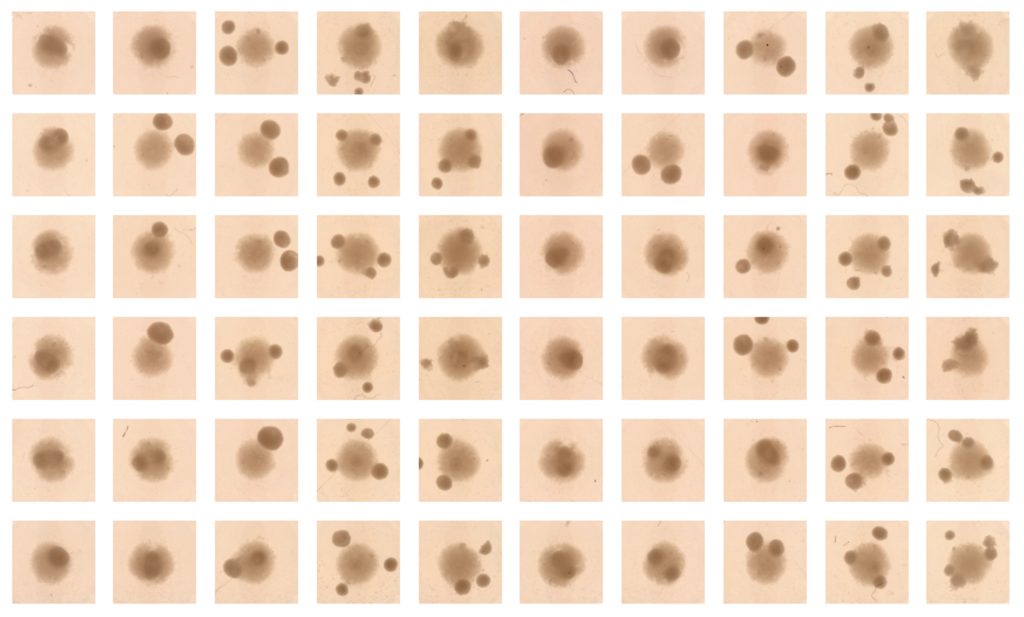
Combining its organoid technology with AI allows Parallel Bio to generate novel immune training data, feeding back into the discovery pipeline to enhance the predictive capabilities of future models. The company suggests this cyclical data enrichment enables drug candidates to be designed, tested and verified using only human-relevant data, which should lead to clinical trials with a higher likelihood of success.
“For too long, the reliance on lab mice to model human biology has come at a high cost: 95% of drugs fail in human trials even after succeeding in animal studies,” said Parallel CEO Robert DiFazio. “We’re turning that on its head by using organoids and AI to discover drugs in true-to-life human models from the start.”
According to Parallel Bio, the typical drug development cycle consumes an estimated $2.5 billion, spans more than a decade and often involves the sacrifice of many animals. The company, which claims eight pharma companies are already engaged in testing more than 50 drug and immunotherapy candidates on its platform, says it can dramatically reduce cost and development time, while eliminating unnecessary risk, improving therapeutic accuracy and sparing animal lives.
“Starting with human models enables new drugs to reach the market at a pace never possible before,” said Hilliard. “We aim to slash $2 billion and 9 years from each drug candidate in development by predicting success at the earliest stages of discovery.”
The funding round, which brings the company’s total capital raised to nearly $30 million, was led by AIX Ventures and supported by investors including Amplo, Salesforce’s Marc Benioff, and existing backers including Metaplanet and Humba Ventures.

