
Hyperbaric oxygen chambers can support repair, circulation and cellular rejuvenation to improve healthspan and longevity.
Pressurized oxygen might sound futuristic, but hyperbaric oxygen therapy (HBOT) shows how science can turn something as ordinary as breathing into a tool for repair, regeneration and better performance. By delivering oxygen at higher-than-normal pressures, HBOT supercharges the body’s natural healing systems – from cellular repair and collagen production to improved circulation and immune resilience. Once reserved for hospitals and divers recovering from decompression sickness, it’s now being explored as a tool for healthspan optimization and longevity. In longevity science, every breath counts – and HBOT is about making each one count more.
What are hyperbaric oxygen chambers?
Hyperbaric oxygen therapy (HBOT) is a medical treatment in which a person breathes 100% oxygen in a pressurized chamber. The pressure is typically two to three times higher than normal air pressure.
It creates a controlled environment defined by two factors:
- Pure oxygen at 100% concentration (compared to 21% in normal room air).
- Increased pressure, usually 2 to 2.5 times higher than standard atmospheric pressure.
The combination of high oxygen concentration and increased pressure allows the lungs to absorb far more oxygen than normal. This oxygen dissolves not only into red blood cells but also into plasma and other body fluids, reaching tissues with poor circulation or injury [1].
On a molecular level, HBOT raises tissue oxygen tension. In simple terms, the therapy acts as a metabolic catalyst – signaling the body to regenerate faster and function more efficiently. This triggers controlled increases in reactive oxygen species (ROS) and reactive nitrogen species (RNS), which act as signaling molecules. They stimulate the release of growth factors, promote new blood vessel formation, and modulate immune activity.
HBOT is already approved for a number of medical uses, including:
- Traumatic wounds
- Thermal burns
- Diabetic and vascular ulcers
- Radiation-induced tissue injury
- Skin grafts
- Necrosis and reperfusion injuries [2]
These established medical uses provide the foundation for exploring HBOT’s wider potential in longevity – from improving circulation and collagen synthesis to slowing cellular aging
How does the procedure work?
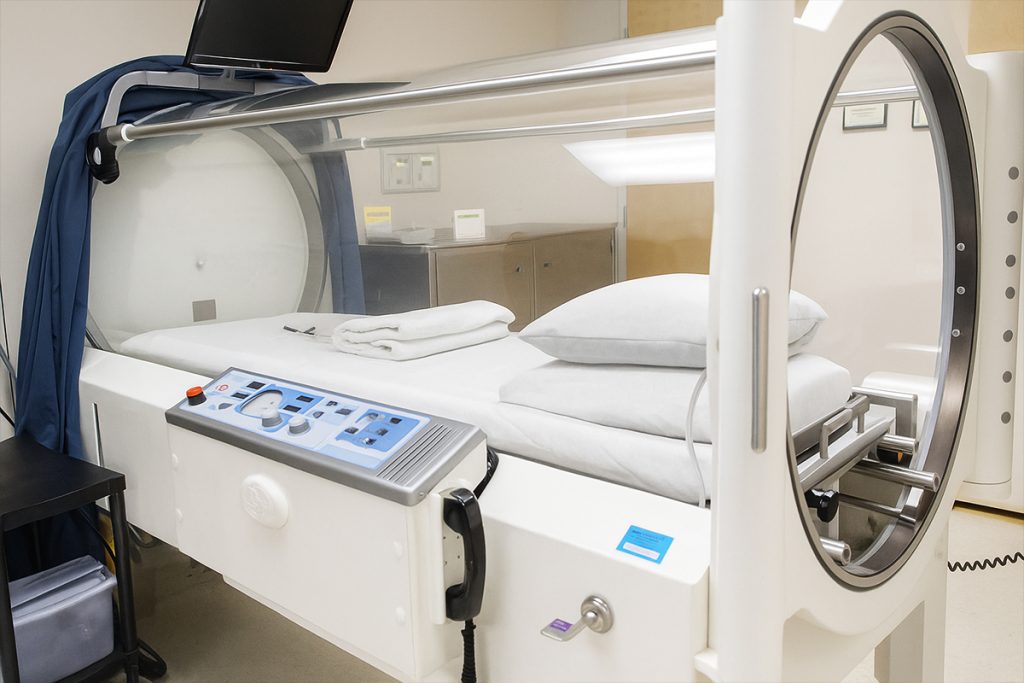
A typical HBOT session lasts 1 to 2 hours.There are two main types of hyperbaric chambers:
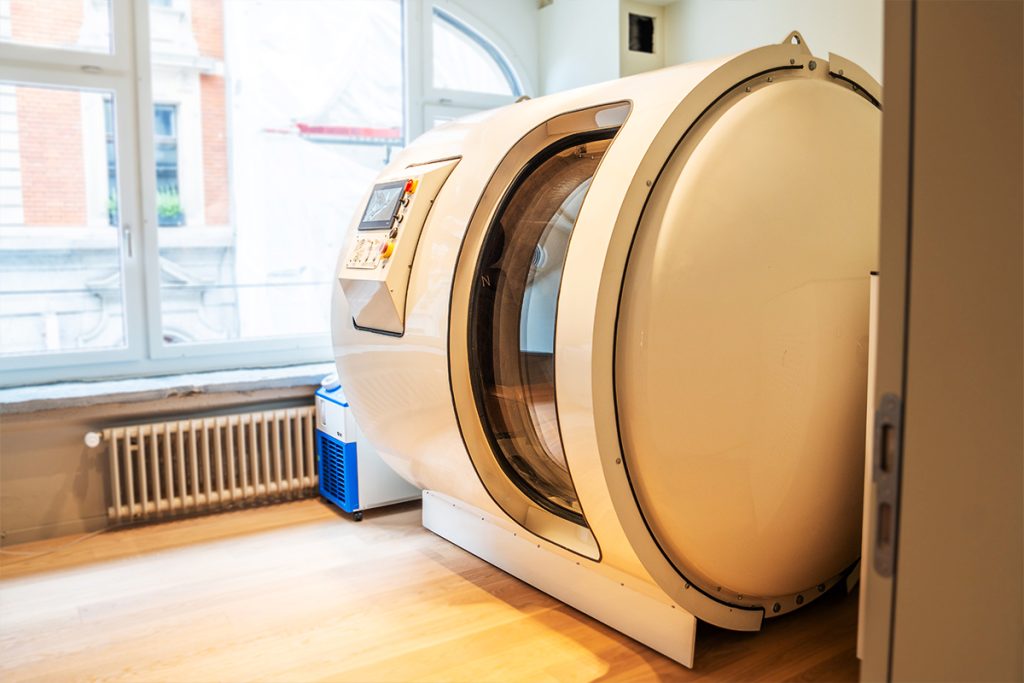
Mono-place chamber
A transparent tube designed for one person lying down. Its design allows close monitoring by the operator, although the enclosed space can sometimes trigger claustrophobia in sensitive individuals.
Multi-place chamber
A larger room that can accommodate several people at once, sometimes including a technician inside. In these chambers, patients usually breathe pure oxygen through a hood or mask.
Both chamber types deliver the same therapeutic principle: oxygen under pressure. The choice depends on the treatment facility, the medical purpose, and individual patient needs. They differ mainly in structure, oxygen delivery method, and preparation requirements.
In the clinic
A hyperbaric oxygen therapy session feels more like quiet time than a medical procedure. After entering a transparent chamber – either a single-person capsule or a larger shared space – you’ll recline while the environment slowly pressurizes. As you breathe pure oxygen, you may notice a gentle “ear-popping” sensation, similar to taking off in an airplane. Sessions typically last 60 to 120 minutes, during which most people read, nap or simply relax. Afterwards, there’s no downtime, just a refreshed, clear-headed feeling as oxygen-rich plasma continues circulating to nourish tissues and kickstart repair.
What can hyperbaric oxygen therapy do for me?
HBOT has been studied as a potential tool for longevity and antiaging effects. Research is exploring its impact on two key factors in the aging process: telomere shortening and cellular aging [3].
Some of the positive effects of HBOT include:
- Boosts oxygenation and improves blood circulation
The elevated pressure inside the HBOT chamber allows the body to absorb significantly more oxygen into the plasma. This promotes the growth of new, healthy cells and blood vessels while enhancing overall oxygen circulation. HBOT can also help treat conditions like carbon monoxide poisoning by improving oxygen delivery throughout the body [4].
- Reduces pain and swelling
HBOT has been shown to decrease chronic and musculoskeletal pain, raise the pain threshold, and improve physical functionality. By increasing oxygen-rich plasma to injured tissues, it reduces inflammation, accelerates healing, and may improve recovery from wounds such as diabetic foot ulcers, potentially lowering the risk of major amputations.
- Supports collagen production and skin health
HBOT stimulates collagen synthesis, the protein essential for skin, muscles, tendons, and ligaments. By enhancing collagen production, it can help reverse signs of skin aging and support the health of connective tissues.
- Strengthens the immune system
Elevated oxygen levels help the immune system function more efficiently. HBOT has been associated with alleviation of autoimmune symptoms and enhanced immune response, improving overall health resilience.
- Assists in cancer treatment
Some studies suggest that HBOT can slow tumor growth and may reduce the side effects of chemotherapy and radiation therapy, supporting overall treatment outcomes [4].
Discover clinics offering science-based longevity interventions in our Longevity Clinics Directory – CLICK HERE.
READ MORE: Hyperbaric oxygen therapy – a patient’s perspective
[1] https://pmc.ncbi.nlm.nih.gov/articles/PMC8465921/
[2] https://www.sciencedirect.com/science/article/pii/S2213231722001240
[3] https://www.nature.com/articles/s41598-024-53091-3
[4] https://sportsmedicine-open.springeropen.com/articles/10.1186/s40798-021-00403-w

