
Norwegian partnership positions NAD+ precursor as a promising potential disease-modifying treatment for Parkinson’s.
Niagen Bioscience has secured exclusive global rights to develop its patented nicotinamide riboside (NR) molecule Niagen as a potential treatment for Parkinson’s disease, marking a significant step from supplement science toward regulated pharmaceutical development. This agreement, forged with Haukeland University Hospital in Bergen, Norway, is underpinned by years of collaborative research and data from multiple clinical trials, including the recently concluded Phase III NOPARK study.
The NOPARK trial, a randomized, double-blind, placebo-controlled study, enrolled 400 individuals with early-stage Parkinson’s disease across 12 sites in Norway. Participants received either 500 mg of NR twice daily or a placebo over a 52-week period, with the primary endpoint being the change in the Movement Disorder Society-Unified Parkinson’s Disease Rating Scale (MDS-UPDRS) total score – a standard measure of disease progression. Results from this study are anticipated to be published by the end of 2025.
Longevity.Technology: This development could a pivotal moment for the longevity field – the moment when a molecule long used in consumer supplements steps into the high-stakes world of regulated therapeutics. Nicotinamide riboside, familiar to biohackers and longevity enthusiasts as a NAD+ booster, is now being positioned as a potential disease-modifying treatment for Parkinson’s – and could warrant a sea change. The supplement-versus-drug dichotomy has always been something of an uneasy coexistence; yet with this agreement and the serious regulatory ambitions behind it, Niagen Bioscience appears to be straddling that divide with purpose. If successful, it could create a model for other longevity interventions to follow suit – a path from dietary support to disease indication, via the rigors of clinical science.
The NOPARK trial, which sits at the heart of this effort, is no small academic curiosity; it is large, placebo-controlled and Phase III – that last point alone making it rather unusual in the longevity space. What’s more, it reflects a maturation of the field itself – from in vitro optimism and murine test runs to well-powered, human studies designed to answer real-world questions. The fact that this project grew from an academic–industry collaboration also gives it weight; too often we see early-stage findings languish in postdoc purgatory or repackaged for consumer sales rather than pushed toward therapeutic translation. That this one has made it all the way to a formal license and a commercial pathway is both rare and encouraging – and perhaps could be seen as a proof-of-concept for applying NAD+ biology to neurodegeneration more broadly.
From supplement to potential therapy
Nicotinamide riboside, a form of vitamin B3, functions as a precursor to nicotinamide adenine dinucleotide (NAD+), a coenzyme involved in cellular energy metabolism. Previous studies have suggested that boosting NAD+ levels may have neuroprotective effects, and the NOPARK study builds upon earlier trials, including the Phase I NADPARK and NR-SAFE studies, which demonstrated that high-dose NR supplementation was safe and well-tolerated in individuals with Parkinson’s disease, with some indications of clinical improvement.
Professor Charalampos Tzoulis, who leads the NOPARK study at Haukeland University Hospital, said the agreement marked an important milestone in the team’s efforts to bring a potentially disease-modifying treatment for Parkinson’s closer to patients. “We are fully committed to advancing knowledge and developing treatments that can truly benefit patients with PD and other neurodegenerative disorders,” he said.
Strategic collaboration and future prospects
The partnership between Niagen Bioscience and Haukeland University Hospital is a good example of a translational pipeline from academic research to commercial drug development; it is a model that could serve as a blueprint for future collaborations aiming to bring scientific discoveries to clinical application.
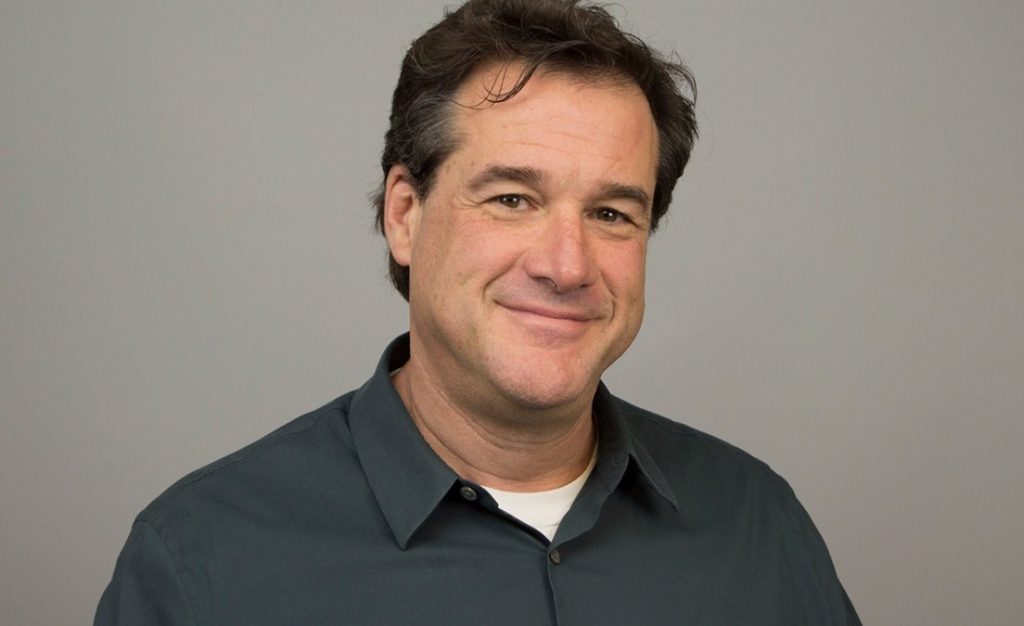
Rob Fried, CEO of Niagen Bioscience, said: “This milestone underscores our long-term commitment to translating scientific innovation into meaningful therapeutic solutions. Through our partnership with Haukeland and its world-renowned researchers, we are taking bold steps into bringing NAD+-boosting therapies to address clinical unmet needs.”
From aisle to approval
Should the NOPARK study results prove favorable, Niagen Bioscience plans to pursue regulatory approval through pathways such as Conditional Marketing Authorization and Accelerated Approval under European Medicines Agency guidelines. The company’s exclusive rights position it strongly in the longevity biotech space, potentially attracting further investment and scientific interest.
As the field of geroscience continues to evolve, the transition of compounds like nicotinamide riboside from supplements to regulated therapeutics may become increasingly common, reflecting a broader shift towards evidence-based approaches to healthy aging.

