
Supporting earlier and more precise detection, Cogniclear VR boasts potential to identify cognitive decline at the subjective stage.
Virtual reality technology firm Virtuleap has introduced Cogniclear VR, a new cognitive assessment and screening tool. The company, which specializes in merging VR with neuroscience, has developed the product to improve the detection and monitoring of cognitive impairments through gamified scenarios that analyse cognitive and behavioral functions.
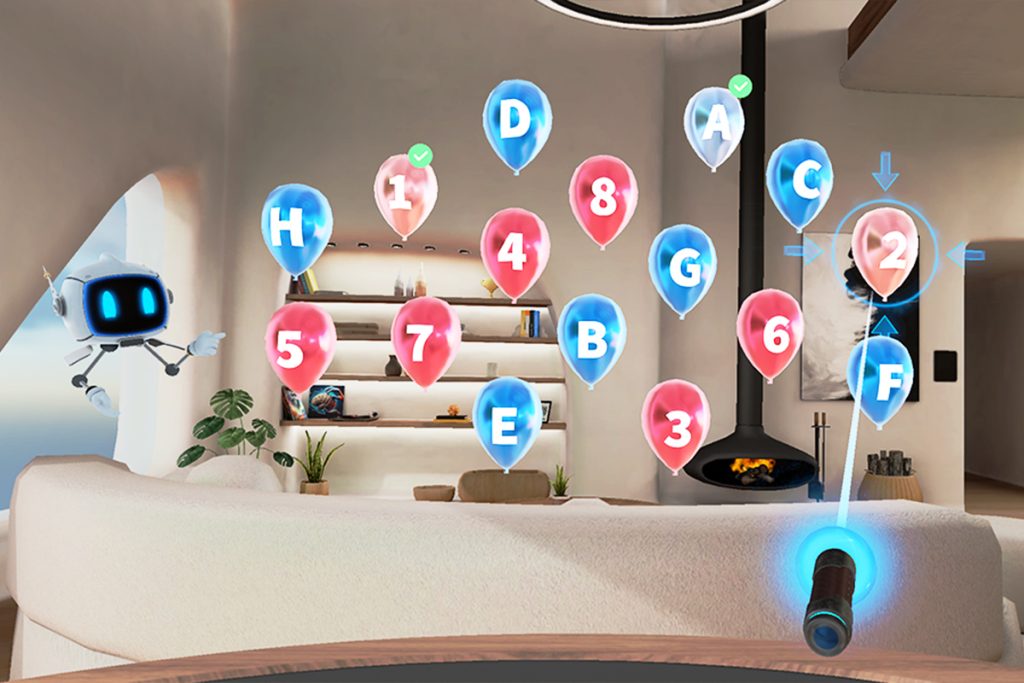
In a departure from pen-and-paper assessments, Cogniclear VR provides ecologically valid virtual environments that mirror real-world tasks, which Virtuleap claims result in more accurate and objective cognitive evaluations. The company suggests that traditional cognitive function assessments can be subjective and often fail to identify subtle early-stage impairments.
“Cogniclear VR combines psychometric measures with physical cues, such as posture, gestures, as well as physiological signals like pupil dilation and heart rate variability, all on a single platform, and so gathers an order of magnitude more data about the human condition,” Virtuleap CEO Amir Bozorgzadeh told us. “This depth of data supports earlier and more precise detection, potentially identifying cognitive decline at the subjective stage, years before traditional tests detect mild cognitive impairment. By feeding this volumetric data into AI-learning algorithms, we go beyond real-time calculations of cognitive load and stress levels to uncover deeper patterns that emerge only when a test captures and engages with the tapestry of embodied data.”

Developed over two years as part of Roche’s “Building Together Tomorrow” dementia initiative, Cogniclear VR features fourteen interactive exercises spanning cognitive domains, including memory, attention, motor control, problem-solving, and more. The tasks simulate everyday challenges and are designed to make the assessments more relevant to real-life.
By engaging the entire body and using a multisensory approach, Cogniclear VR captures observational data that traditional methods often overlook, offering a more holistic view of a person’s cognitive health. The system also provides clinicians with the ability to monitor cognitive changes over time, potentially allowing for earlier and more effective intervention strategies.
“Alongside our clinical partners, we are building prototype algorithms that can serve in the direction of this next generation of digital health biomarkers, the sort that can become possible only when we can dig into this treasure trove of multilayered datasets (roughly 250K data points every 3 minutes),” added Bozorgzadeh.
Psychologist Dr Albert “Skip” Rizzo is Director of Medical Virtual Reality at USC’s Institute for Creative Technologies, where he specializes in research on the use of VR in clinical assessment, treatment rehabilitation and resilience.
“When I began developing clinical VR applications in the mid-90s, the first area where I recognized its immense potential was in neurocognitive assessment and rehabilitation,” said Rizzo. “Since then, research, science, and development in this field have steadily progressed, addressing the needs of individuals with central nervous system damage or dysfunction. Nearly 30 years later, Virtuleap embodies what makes sense in this area.”

