
Leading thinkers and innovators gather to explore the future of healthspan and aging at Tech for Longevity.
Paris will soon play host to an event that is a welcome addition to the longevity space. Happening on 20th November at Station F, Tech for Longevity is set to attract a diverse audience of scientists, technology developers, healthcare professionals and policy experts who will discuss and demonstrate the latest in fields such as AI-driven personalized medicine, cellular reprogramming, and biotech innovations. This interdisciplinary event is emblematic of Paris’s growing influence in health and technology, supported by the city’s rich scientific community, a flourishing tech ecosystem and an emphasis on quality of life. Set against the backdrop of Paris – a city already known for its high centenarian ratio – this event will highlight not only technological breakthroughs but also France’s potential as a European longevity blue zone.
Longevity.Technology: As longevity gains traction globally, an increasing number of events dedicated to extending healthspan are fostering significant advancements in research, policy and investment; the acceleration of this field is especially pertinent given the demographic shifts toward aging populations across the globe. These gatherings offer an invaluable platform for collaboration and discussion, addressing complex societal and ethical issues while propelling practical, impactful solutions into mainstream health systems.
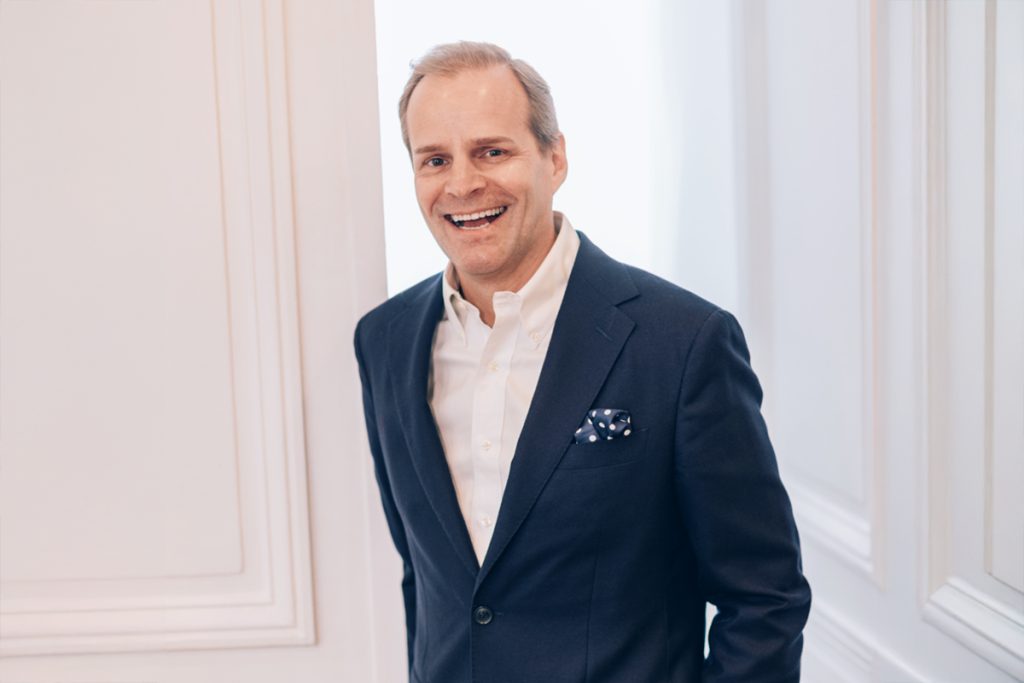
The event, which offers a European perspective, will also engage attendees in discussions on ethical and regulatory concerns, including fair access to longevity technologies and the societal implications of life extension. We sat down with Henri-Nicolas Olivier, the CEO and cofounder of Maison Epigenetic, one of Tech for Longevity’s Founding Partners.
Highlights from the event’s lineup include sessions such as Philippe Dewost’s provocative Dictatorship of the Immortals, which explores the societal impact of life extension, insights into the $600 billion longevity market from leading investors, discussions on AI’s role in personalized aging management and pioneering approaches to aging-related health with neuroscience, senolytics and microbiota research.
Paris serves as a compelling backdrop to Tech for Longevity, combining cultural, scientific and logistical strengths, but it also has an extra zesty reason, as Olivier explains.
“The French philosophy of joie de vivre aligns well with the goals of longevity research, focusing on not just extending life, but improving its quality,” he says, adding that Paris boasts a strong scientific community, with world-class institutions contributing expertise in biotechnology and health sciences. This, coupled with the city’s burgeoning tech ecosystem, fosters an environment that supports cutting-edge innovation and attracts health-tech startups from around the world.
“As a global hub, Paris can attract diverse participants,” Olivier explains, creating a melting pot of ideas and fostering cross-cultural collaboration. He even suggests that the concentration of centenarians in France hints at what could be considered a “French paradox of longevity,” where the country may serve as Europe’s own blue zone, similar to the areas of the world with unusually high life expectancy.
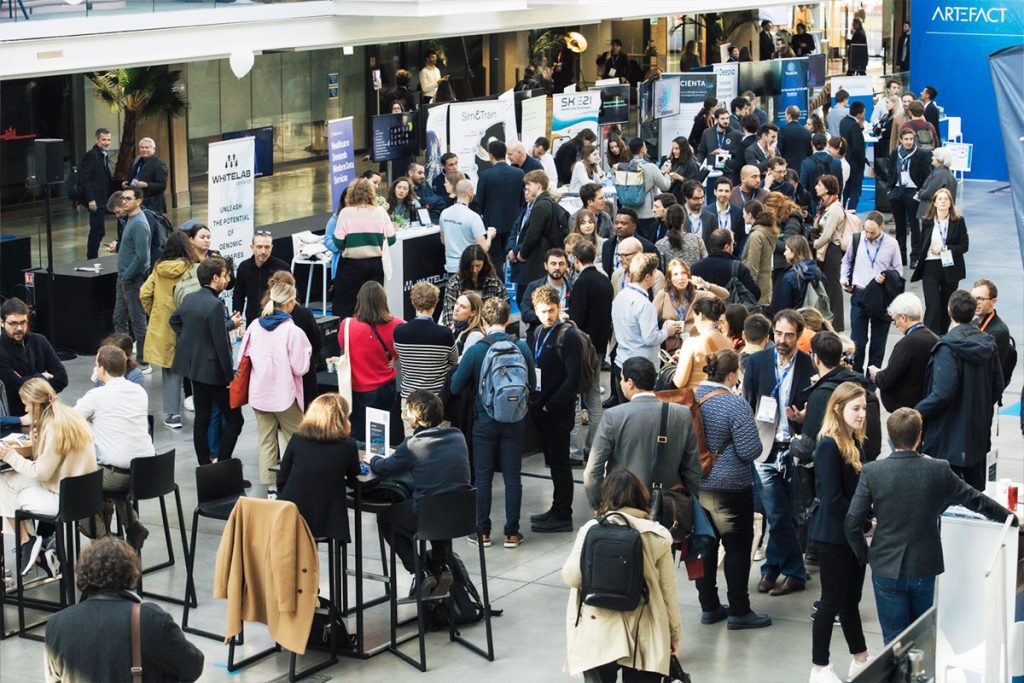
Tech for Longevity has interdisciplinary approach, bringing together technology, healthcare and wellness sectors. “Health and longevity must be de-siloed,” Olivier states, emphasizing that the event’s framework supports innovative cross-sector collaborations. Rather than focusing solely on research, Tech for Longevity prioritizes real-world applications, that showcase innovative collaborations and highlight practical outcomes. “The event also has a distinctly European perspective, contributing insights from the continent’s advancements and regulatory frameworks and serving as a unique counterpart to similar gatherings elsewhere,” says Olivier.
The event’s commitment to showcasing technological advancements covers a range of pioneering areas, including AI in personalized medicine. “Artificial intelligence can tailor health interventions based on individual genetic and lifestyle factors,” Olivier notes, outlining AI’s potential to revolutionize healthcare by offering personalized solutions. Attendees will also see advances in biotech, specifically in gene therapies and cellular rejuvenation techniques such as Yamanaka factors, which hold promise for reversing aspects of cellular aging. “Plus, the latest wearable health monitoring devices that track biomarkers associated with aging will be featured, showing how this technology can enable real-time tracking and potentially preemptive interventions.”
Highlighting key trends in the longevity sector, Olivier discusses epigenetic reprogramming technologies aimed at “resetting cellular age at the epigenetic level” as an area of intense interest. “Preventive health strategies will also be a key focal point, with innovations targeting early detection and intervention for age-related diseases,” he says. “It’s about increasing the period of healthy, active life rather than just lifespan,” he explains, illustrating a shift in longevity science towards extending healthspan, keeping individuals vibrant and engaged as they age. He emphasizes the importance of finding ways to integrate these longevity technologies into existing healthcare systems to promote their acceptance and widespread implementation.
Yet Olivier is quick to acknowledge the ethical dimensions of longevity innovation, particularly issues of accessibility and equity. “We’re exploring ways to ensure longevity technologies are not limited to the wealthy,” he says, pointing to potential socioeconomic disparities that could arise if these advancements aren’t widely accessible.
“Tech for Longevity will delve into the need for global regulatory frameworks to ensure safe, fair access to these therapies – inclusivity is key,” he explains, adding that ethical discussions will also examine the broader societal impact of extended lifespans. “This event will prompt attendees to consider resource allocation, environmental implications and the potential cultural shifts that a longer-living population might entail.”
Olivier also has an eye on the future, planning to scale the event next year.
“Tech for Longevity in Paris will contribute significantly to the global dialogue on ethical, accessible, and innovative approaches to extending human healthspan and potentially healthy lifespan,” he said. “We are already planning for next year, and in 2025, the next edition of Tech For Longevity will happen on 25-27 September at the newly reopened Grand Palais, meaning we can accommodate an even larger international audience!”
Tech for Longevity happens on 20 November 2024 at Station F, Paris. For more information, CLICK HERE.

