
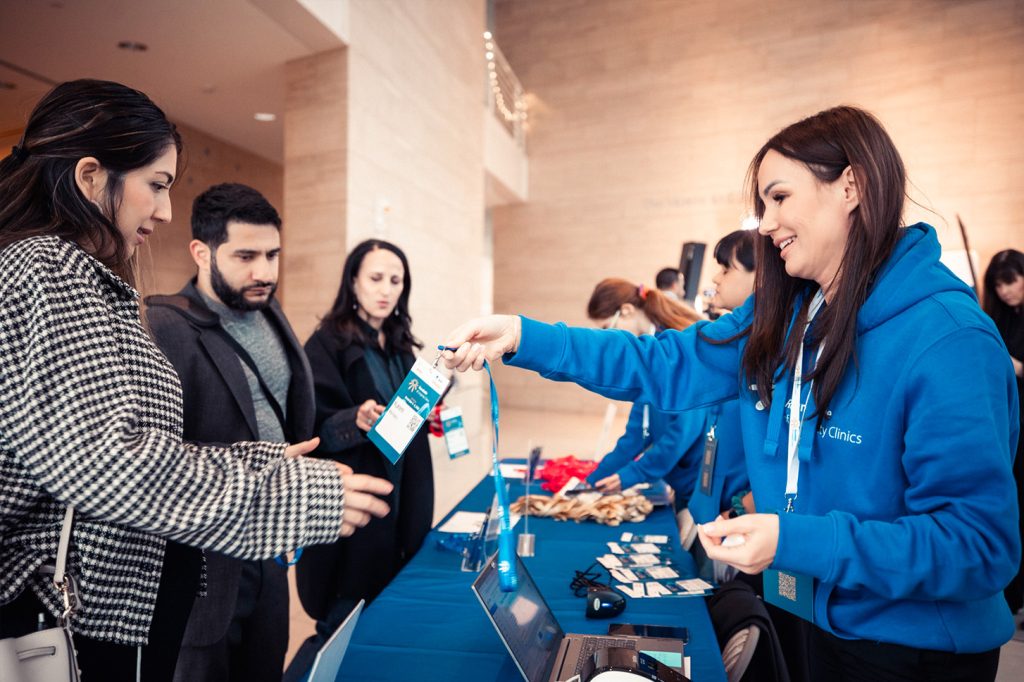
Now in its third year, the Roundtable of Longevity Clinics is a must-attend event for longevity-focused clinics, practitioners, businesses, and investors interested in exploring and implementing the latest longevity trends and solutions.
Longevity clinics are no longer a fringe curiosity; they are rapidly becoming the front door to a new kind of medicine – and that is precisely why this weekend’s roundtable meeting opened with a call for guardrails as well as growth.
Conference opens on a booming, blurry market
Welcoming delegates, Joanna Bensz, founder and organizer of the event, set the tone by acknowledging that the “clinic” label is being stretched by a fast-moving marketplace in which spas, wellness hubs and non-medical operators are increasingly positioning themselves as longevity providers.
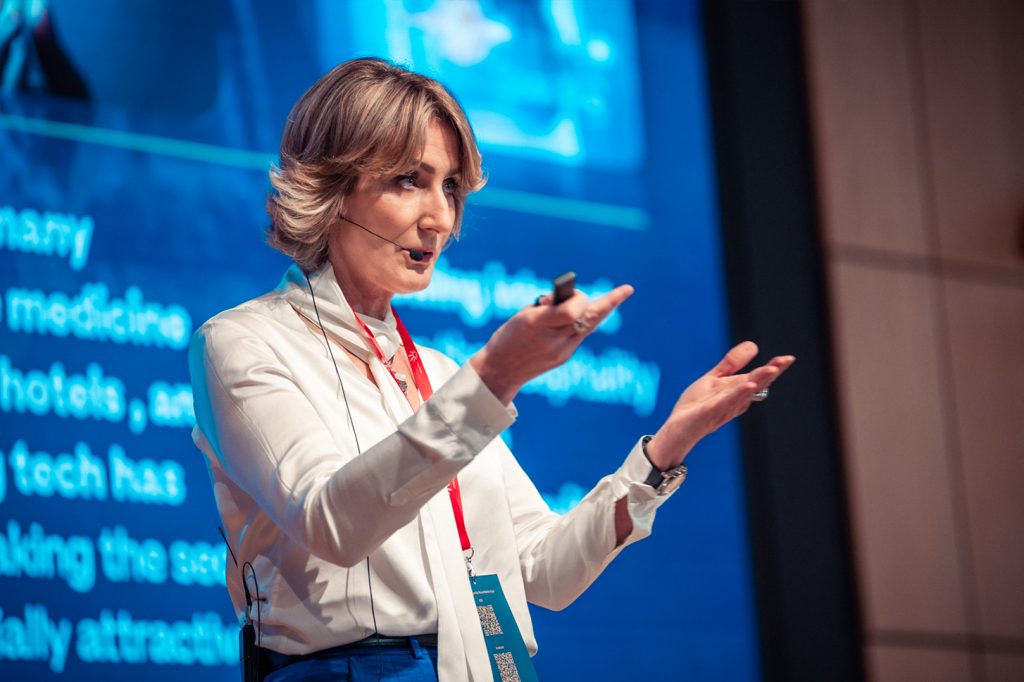
She noted that in this evolving environment “many non-medical solutions and centers are being called clinics”, with “so many new players, developers and spas” entering the field and natural medicine gaining visibility in different regions of the world. At the same time, she highlighted an explosion of new biomarkers, both B2B and B2C, alongside a proliferation of fitness and “longevity spa” concepts in office buildings and mixed-use developments, describing the sector as “booming” but still struggling to explain to the general public what longevity actually is.
Bensz warned that the growth comes with “a lack of control” as new clinics appear, often with very different standards and capabilities, which is why this three-day meeting is designed to allow operators and experts to interrogate models ranging from hotel-based offerings through to clinics embedded in existing hospitals. She pointed to emerging niches such as preventive dentistry as examples of how longevity thinking is starting to penetrate traditional healthcare silos, but emphasized that without a more coherent narrative and shared expectations, the term “longevity clinic” risks dilution.
Responsible longevity and the case for standards
Picking up the theme, Tina Woods, Executive Director of the International Institute of Longevity (ILOL), framed the current moment as both an opportunity and a “huge risk” as a wave of new players enters the longevity space. She referenced the Global Health, Wellness and Longevity Survey, which underscores a “critical need for industry standardisation” at a time when regions such as APAC and the Middle East are “galloping at pace” in their build-out of clinics and programs.
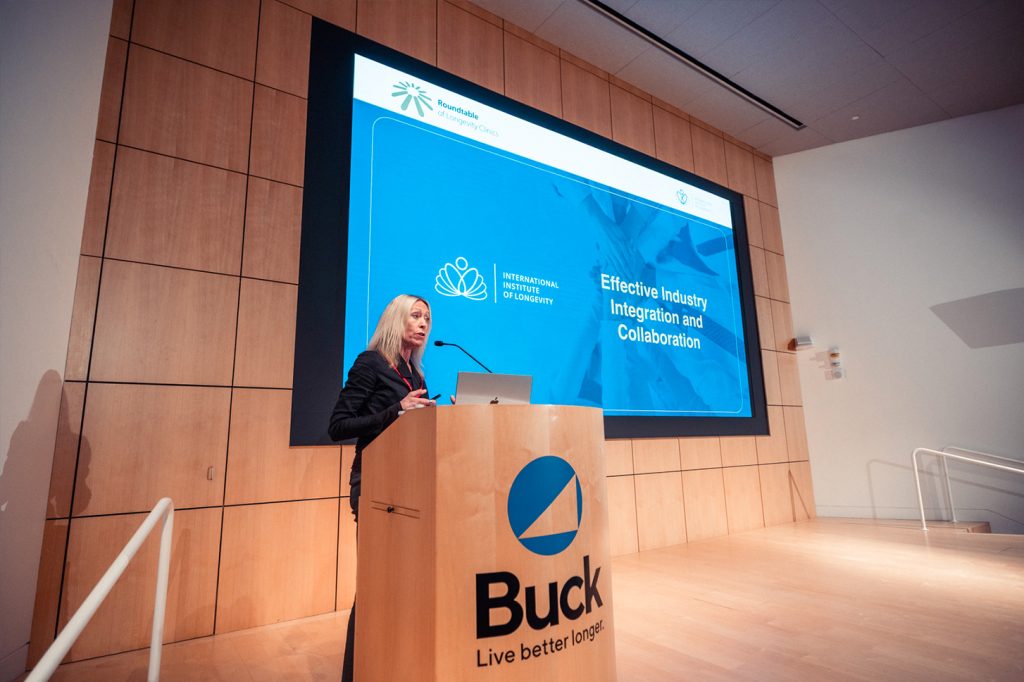
For Woods, IIOL’s “heart, soul and mission” is “responsible longevity”, which she argued will depend on shared protocols, common metrics and coordinated education efforts that help clinics align practice with evidence rather than hype.
Woods positioned the Roundtable and associated initiatives as a bridge between global enthusiasm for healthspan and the sober work of defining what quality looks like in a heterogeneous ecosystem of medical centers, wellness hubs and technology-led offerings. Shared frameworks, she suggested, will become the backbone of public trust, giving patients and investors a way to distinguish rigorous, outcomes-focused clinics from more experimental or purely commercial operators.
Rebranding a field: a new “brand of medicine”
The opening panel, chaired by Eric Verdin, MD, President and CEO of the Buck Institute, explored how longevity clinics might collectively “rebrand” their work as longevity medicine in order to compare notes and build a coherent discipline.
Verdin described enormous public interest paired with deep discontent about the performance of conventional health systems, arguing that this combination makes it an exciting time “to rebrand as a new brand of medicine” – but also raises the stakes for getting definitions and standards right. He cautioned that novelty attracts “unsavoury characters riding the wave”, reinforcing the need to “set the standards to define what is longevity” rather than letting the market decide by default.
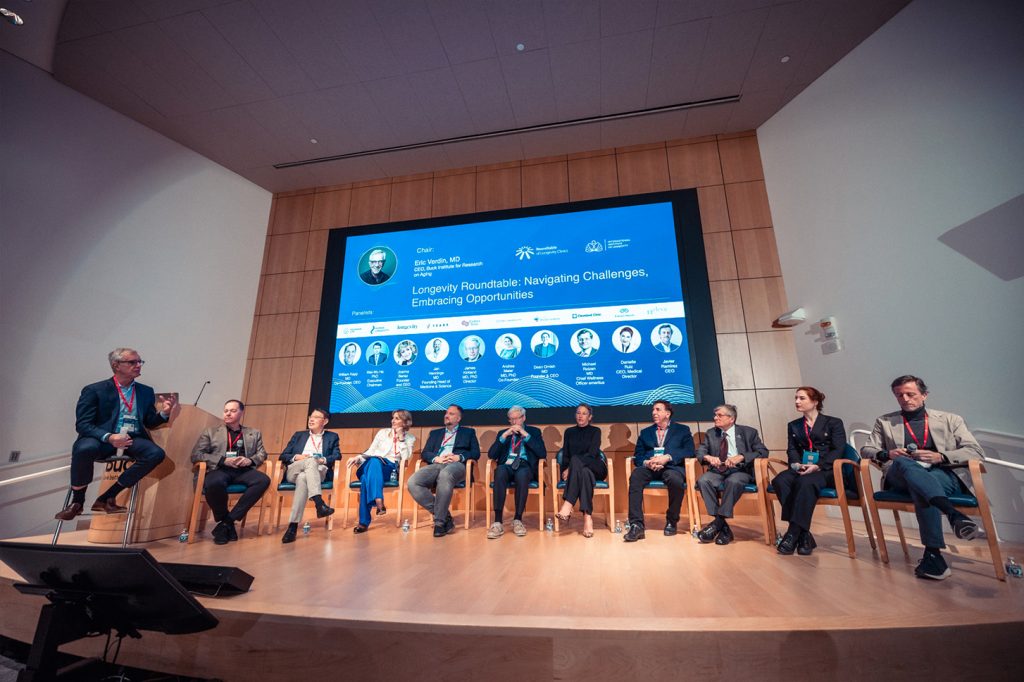
Panelists agreed that terminology is not a semantic afterthought but a foundation for regulation, reimbursement and public understanding. Andrea Maier, MD, PhD, highlighted work in Abu Dhabi, where authorities have begun to codify longevity medicine through government-backed standards in collaboration with high-level medical stakeholders, underlining how quickly some regions are formalizing the space. Joanna Bensz added that standardization becomes particularly urgent as AI-driven information flows change patient expectations, with more informed clients both empowering themselves and challenging clinicians in ways that are reshaping clinic dynamics.
AI, risk and the empowered patient
Artificial intelligence ran as a live wire through the discussion: a powerful accelerant, but also a potential amplifier of misinformation and inequity.
Dean Ornish, MD, reminded the room that “everything has a dark side”, stressing that AI’s ubiquity in health advice and risk prediction will require careful oversight to avoid reinforcing harmful patterns. Verdin described a new class of “empowered patients” who listen to podcasts, consume medical content online and buy supplements on social media, arguing that AI will be essential to managing the resulting data flows while also acknowledging that these patients will challenge clinics – a dynamic he views as healthy if systems can respond responsibly.
Several panelists focused on how to channel this empowerment constructively. William Kapp, MD, of Fountain Life, said his organization “embraces” the idea that each person should be “CEO of their own health”, but insisted that clinicians must still review AI-generated insights before sharing them, keeping “guardrails” in place even as the body becomes “no longer a black box” to the motivated patient.
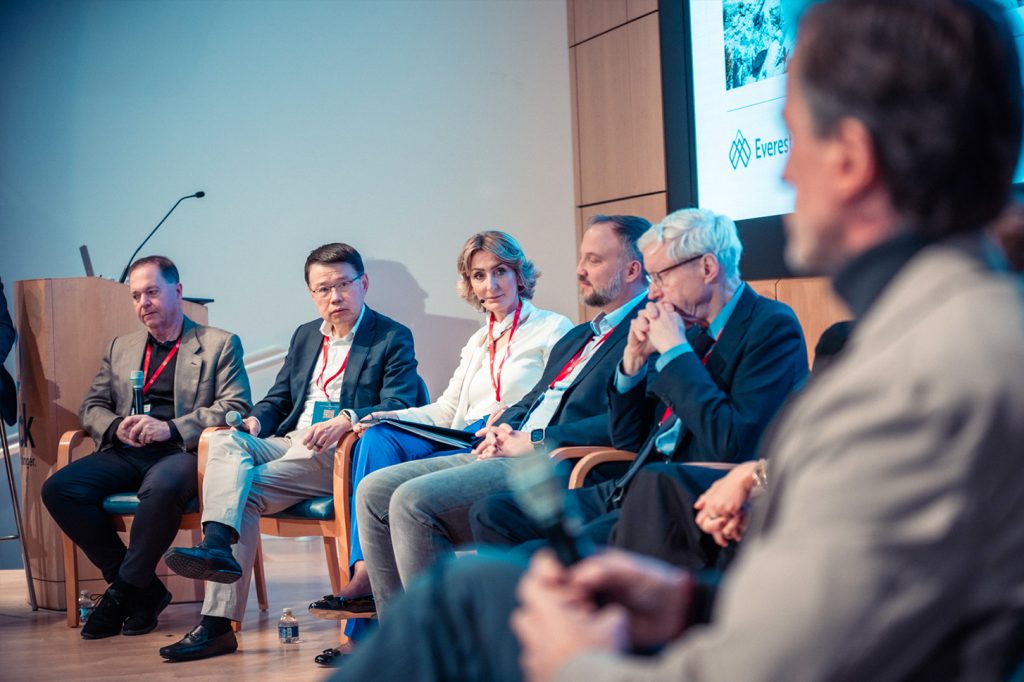
Wei-Wu He, PhD, of Human Longevity, argued that AI is “clearly leading the revolution” by offering, for the first time, a realistic path to holistic longevity medicine, while others, including Jan Hennigs, MD, cautioned that open models still hallucinate and should be used primarily to trigger positive behavioural change rather than to deliver definitive medical guidance.
Standardization as defence against fragmentation
Across the panel, there was consensus that the longevity label is being adopted faster than the underlying science is being embedded, increasing the importance of defensible standards. Javier Ramírez of Clinica Neleva observed that what excites him most is that longevity is becoming more visible to society and younger people, but warned that “every clinic is marketing themselves as a longevity clinic”, often on the back of experimental approaches that make robust, “standard care” pathways even more important.
James Kirkland, MD, PhD, pointed to a coming wave of interventions that could address conditions once considered untreatable, such as aspects of spinal cord paralysis, suggesting that the biotech pipeline is strong – but that without carefully defined clinical pathways, promising tools could be misapplied.
Hennigs noted that while longevity is a “broad term”, standardisation is already taking place and now needs to be “wrapped” in a more positive, accessible narrative, since “people think prevention is boring”. For him, making longevity meaningful means translating complex biomarkers and geroscience concepts into everyday benefits and clearly defined goals, anchored by shared frameworks that clinics can adopt and patients can understand.
When discussion turned to adherence, the panel converged on a simple truth: data alone does not change behaviour.
Verdin asked how clinics move from empowered patients to patients who comply and sustain change, emphasizing that knowledge must be converted into “actionable behaviours” if longevity medicine is to deliver on its promise. Ornish drew a distinction between fear-based motivation and what he called the “joy of living”, arguing that fear of dying may trigger short-term change but is rarely sustainable, whereas framing interventions around positive gains – from intimacy and vitality to emotional connection – helps patients stick with lifestyle and therapeutic programs.
Other speakers described how their clinics are operationalizing this insight. Andrea Maier explained that Chi Longevity tailors programs to individual “personal types” and key performance indicators, linking each patient’s motivations to biomarker trajectories and delivering real-time feedback through software platforms and coaches. Danielle Ruiz from Everest Health described programmes built around coaching and motivational interviewing rather than “black and white thinking”, while Javier Ramírez stressed the importance of setting achievable goals and dedicating sufficient time to explain plans, ensuring that empowerment is matched with understanding.
Building the clinic of the future
A recurring theme was that great tech is necessary but not sufficient; clinics also need the right teams, services and human touch. Bensz pointed out that many longevity clinics still “lack other services and experts” needed to motivate people to act, from mindfulness and mental health support to family-based interventions such as the “longevity for kids” initiatives that introduce concepts like the microbiome early in life. She and others emphasized blended models that use apps and wearables for follow-up while preserving human contact for those who value it, enabling personalized approaches to exercise and lifestyle that create an easy “first step”.
Wei-Wu He reminded delegates that, despite proliferating devices and datasets, “people need to be patient” and “stick to fundamentals”, while Kapp described AI-assisted “digital twin” concepts as a way of translating complexity into a sense of control without removing professional oversight.
Michael Roizen, MD, noted that empowered patients often push clinicians to advance treatments faster, and several panelists argued that well-designed AI coaching could help surface individual motivators and “nudge” patients in ways that align with both their biology and their values.
A sector at an inflection point
By the close of the session, a clear picture had emerged of a sector at inflection: booming demand, accelerating science and a swelling ecosystem of clinics, spas and hubs that risk outpacing their own foundations. From Woods’ call for “responsible longevity” and shared protocols to Bensz’s reminder that the public still struggles with the basic definition of longevity, the message was that the coming years will be defined as much by standard-setting and education as by new biomarkers and AI-enabled algorithms. If this weekend is any indication, the leaders of longevity medicine are determined to turn a dispersed marketplace into a credible “new brand of medicine” – one in which ambition, accountability and the joy of living grow side by side.

