
Longevity.Technology System users:
To check your risks of iron deficiency:
- Download the LT System app on your Android or Apple smartphone.
- Open LT System app and select ‘DNA Results’
- Under ‘Vitamins,’ scroll down and find ‘Iron Deficiency’
- Now, scroll down to find your results and recommendations.
Not a user yet?
That’s OK; you can sign up for your Epigenetic & DNA test here.
Iron deficiency affects millions worldwide, but did you know its impact differs between men and women? Iron is a vital mineral that supports various bodily functions, including oxygen transport and energy production.
Without enough iron, our bodies struggle to perform these essential tasks, leading to fatigue, weakened immunity, and impaired cognitive function.
Men and women have different iron requirements and face unique risk factors. For instance, women often experience iron loss through menstruation, pregnancy, and breastfeeding.
These life stages increase their need for iron, making them more susceptible to deficiency. On the other hand, men are less likely to experience such rapid iron depletion but may still face risks due to dietary habits or underlying health conditions.
Does iron deficiency affect men and women differently?
Iron deficiency affects both men and women, but the causes, symptoms, and treatment approaches can differ significantly between the sexes [1]. Understanding these differences helps in tailoring effective strategies for prevention and management.
1. Biological differences
Men and women exhibit distinct biological differences affecting iron metabolism. Due to their lack of regular blood loss, men typically have higher iron stores and hemoglobin levels.
Women’s iron levels fluctuate more due to menstruation, pregnancy, and breastfeeding, which increase iron demands. These physiological processes in women necessitate greater dietary iron intake and higher susceptibility to deficiency.
Men generally have stable iron levels and can face iron deficiency from factors like gastrointestinal bleeding or intense physical activity. Understanding these differences is crucial for tailoring iron intake recommendations and treatment strategies effectively for each sex.
2. Risk factors
Iron deficiency risk factors differ notably between men and women due to their unique physiological and lifestyle aspects.
Men
- Gastrointestinal bleeding: Conditions like peptic ulcers, gastritis, and colorectal cancer can lead to significant blood loss and depleting iron stores.
- Dietary choices: Men with diets low in iron-rich foods, especially those following vegetarian or vegan diets [2], may not get enough iron. The non-heme iron in plant-based foods is less efficiently absorbed than the heme iron in animal products.
- Physical activity: High-intensity sports can increase iron loss through sweat and the breakdown of red blood cells, raising the risk of deficiency.
Women
- Menstruation: Regular menstrual blood loss is a leading cause of iron deficiency in women. Heavy periods exacerbate this issue, making adequate iron intake crucial.
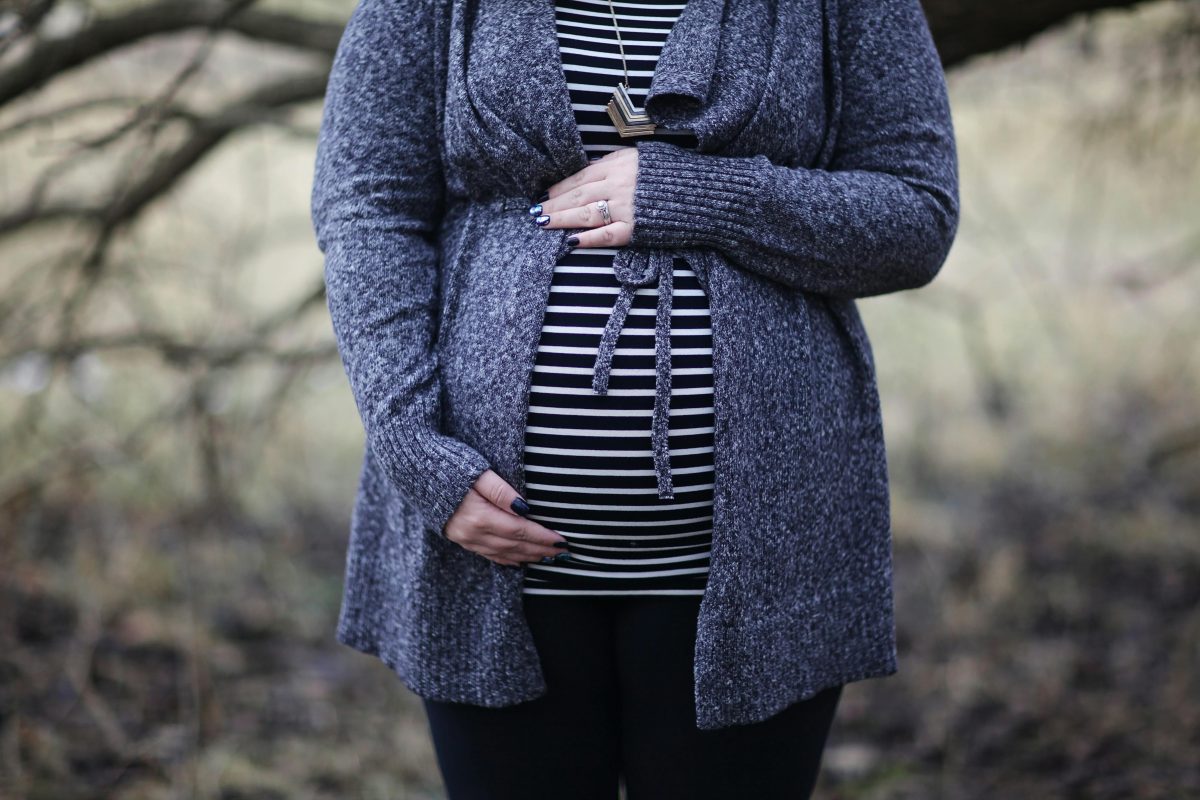
- Pregnancy and childbirth: Pregnancy significantly increases iron demands to support the developing fetus and placenta, along with the mother’s expanded blood volume. Childbirth can involve considerable blood loss and further depleting iron levels.
- Breastfeeding: Nursing mothers need additional iron to compensate for the iron used in producing breast milk.
Both men and women must be mindful of these risk factors to effectively manage and prevent iron deficiency. Addressing these risks through diet, lifestyle adjustments, and medical intervention when necessary is key to maintaining optimal iron levels.
3. Symptoms
Iron deficiency manifests through various symptoms that can significantly impact daily life. While some symptoms are common to both men and women, others may present differently due to physiological differences.
Common symptoms include:
- Fatigue and weakness: Persistent tiredness and lack of energy are hallmark signs, often making routine tasks challenging.
- Pale skin: A noticeable pallor, particularly in the face, inner eyelids, and nails, indicates low hemoglobin levels.
- Shortness of breath: Reduced oxygen-carrying capacity can cause difficulty in breathing, especially during physical exertion.
- Dizziness or lightheadedness: Insufficient oxygen supply to the brain leads to frequent dizzy spells or feeling lightheaded.
- Cold hands and feet: Poor circulation due to low iron levels can result in cold extremities.
- Brittle nails and hair loss: Iron deficiency affects keratin production, leading to brittle nails and hair thinning or loss.
Men-specific symptoms
- Reduced athletic performance: Men may notice a decline in stamina and endurance.
- Gastrointestinal issues: Symptoms related to underlying conditions causing blood loss, like ulcers or gastritis.
Women-specific symptoms
- Restless legs syndrome: An uncomfortable urge to move the legs, particularly at night.
- Heavy menstrual bleeding: Exacerbated menstrual symptoms, including severe cramps and prolonged periods.
Recognizing these symptoms early can lead to prompt diagnosis and effective treatment, improving overall health and quality of life.
4. Health implications
Iron deficiency can have serious health implications for both men and women, affecting overall well-being and daily functioning.
Men
- Iron deficiency can reduce muscle strength and endurance, impacting physical performance and daily activities.
- In men, iron deficiency might mask underlying health issues like gastrointestinal bleeding or chronic diseases, delaying appropriate treatment.
- Reduced iron levels can impair cognitive function, leading to difficulties with concentration, memory, and mental clarity.
Women
- Severe iron deficiency during pregnancy increases the risk of preterm delivery, low birth weight, and postpartum depression. It can also affect the baby’s development.
- Chronic iron deficiency can lead to irregular menstrual cycles, exacerbating premenstrual symptoms and causing heavier, prolonged periods [3].
- Long-term iron deficiency can contribute to osteoporosis, particularly in postmenopausal women who are already at higher risk for bone density loss.
Common to both
- Low iron levels weaken the immune system, making the body more susceptible to infections.
- Persistent fatigue and weakness can affect work productivity and quality of life.
- Severe iron deficiency anemia can lead to heart problems, including an increased risk of heart failure.
It is imperative to address iron deficiency rapidly to avert severe health consequences and preserve a good standard of living. A balanced diet and routine examinations are essential for efficient treatment.
How can I prevent iron deficiency?
Iron deficiency can be managed and prevented with a few proactive steps. Implementing these strategies can help maintain healthy iron levels and overall well-being.
1. Dietary changes
Incorporating iron-rich foods into your daily diet can help prevent iron deficiency. Consider adding the following:
- Red meat: Beef, lamb, and pork are excellent sources of heme iron.
- Poultry and fish: Chicken, turkey, and fish like salmon and tuna.
- Leafy greens: Spinach, kale, and Swiss chard provide non-heme iron.
- Legumes: Beans, lentils, chickpeas, and peas are high in iron.
- Nuts and seeds: Pumpkin seeds, sunflower seeds, and almonds.
- Fortified foods: Breakfast cereals, breads, and pastas with added iron.
- Vitamin C-rich foods: Bell peppers, tomatoes, and citrus fruits to enhance iron absorption.
2. Epigenetic test
The Longevity.Technology Epigenetic & DNA Test offers an advanced understanding of your genetic makeup. This test analyzes your DNA to identify any genetic predispositions to iron deficiency.
With these insights, you can proactively manage your iron levels more effectively:
- Personalized insights: The test provides detailed information about your genetic risk factors for iron deficiency. Understanding these factors helps you anticipate and address potential issues before they become serious.
- Tailored prevention strategies: Based on your genetic profile, you can receive customized recommendations for dietary choices, supplements, and lifestyle adjustments. This personalized approach ensures that your prevention strategies are more effective.
Using the Epigenetic & DNA Test helps you understand your body better and supports a more precise and personalized approach to maintaining optimal iron levels and overall health.
3. Iron supplements
Iron supplements can effectively boost iron levels when dietary changes aren’t sufficient. It’s important to consult a healthcare provider before starting supplements to determine the right dosage and monitor for side effects like constipation or stomach upset.
These supplements come in several forms, including ferrous fumarate, ferrous gluconate, and ferrous sulfate. Your healthcare professional can suggest the ideal choice for your needs [4].
Taking vitamin C supplements can enhance absorption, but avoid taking them with calcium or dairy products, which can inhibit iron absorption. Regular follow-up tests are essential to track progress.
4. Managing blood loss
Managing blood loss, especially in women, is crucial for preventing iron deficiency. Options include:
- Oral contraceptives: Birth control pills can reduce menstrual flow.
- Hormonal treatments: IUDs and hormone therapies help regulate or decrease menstrual bleeding.
- Medical interventions: Procedures like endometrial ablation or hysterectomy may be necessary for severe cases of heavy bleeding.
Consult a healthcare provider to determine the best approach for managing blood loss. Addressing this issue can significantly improve iron levels and overall health, helping to prevent chronic iron deficiency. Regular monitoring and appropriate treatments are essential.
5. Lifestyle adjustments
Adopting healthy lifestyle habits can support your efforts to prevent iron deficiency:
- Regular exercise: Moderate physical activity is recommended for better general health and nutrient absorption [5].
- Balanced diet: Keep a balanced diet high in iron and other necessary elements.
- Limit NSAID use: Avoid excessive use of nonsteroidal anti-inflammatory drugs like ibuprofen, which can cause gastrointestinal bleeding.
- Stay hydrated: Proper hydration supports blood circulation and overall bodily functions.
- Reduce tea and coffee intake: These beverages contain compounds that can inhibit iron absorption, so consume them between meals rather than with meals.
- Avoid smoking: Smoking can interfere with nutrient absorption and overall health.
- Monitor alcohol consumption: Excessive alcohol intake can damage the gastrointestinal tract and interfere with iron absorption.
- Stress management: Practice stress-reducing techniques like meditation, yoga, or deep breathing exercises to maintain overall health.
6. Monitoring and regular check-ups
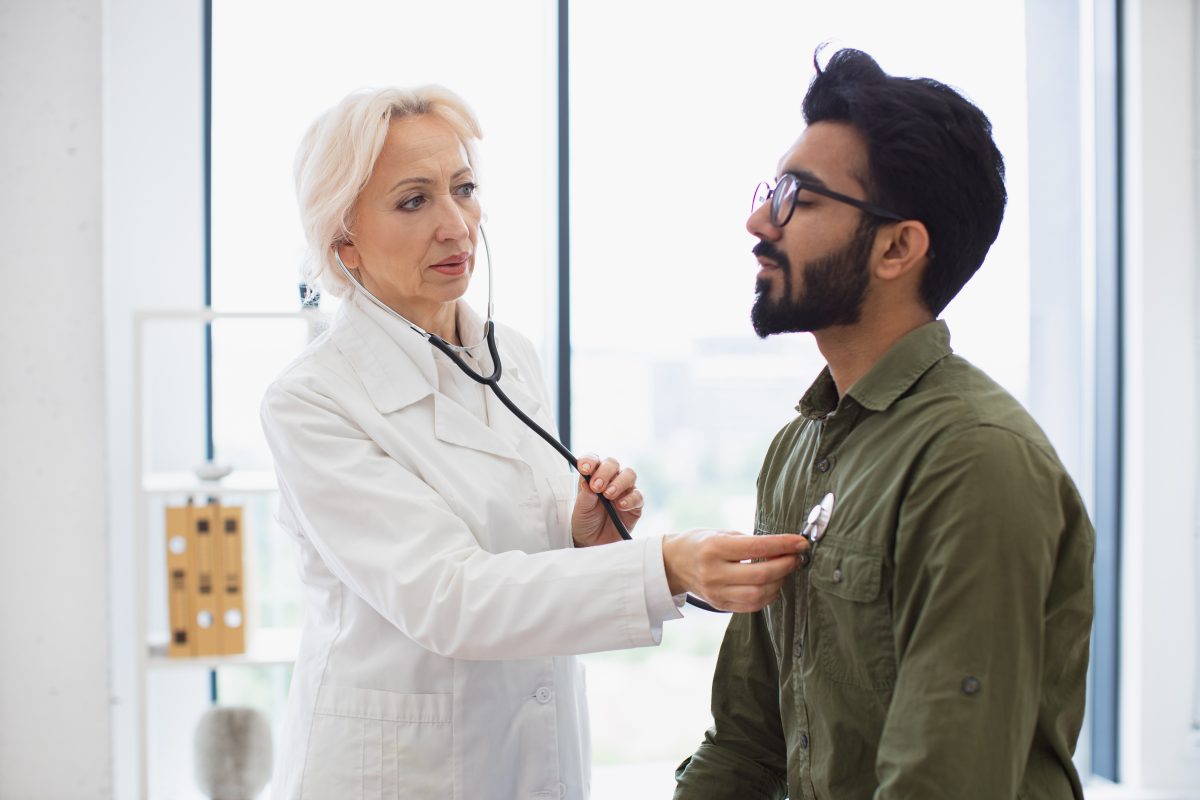
Regular monitoring and check-ups are crucial for preventing iron deficiency. Schedule routine blood tests to check your iron levels, especially if you belong to higher-risk groups such as pregnant women, athletes, or individuals with chronic health conditions.
Regular consultations with your healthcare provider ensure early detection and effective treatment of deficiencies.
This proactive approach helps maintain optimal iron levels, supporting overall health and preventing complications associated with untreated iron deficiency.
Stay vigilant about your health and prioritize regular medical evaluations to keep iron levels in check.
Proactively manage iron deficiency risk with Longevity.Technology’s DNA and Epigenetic Test
Preventing iron deficiency is essential for maintaining good health, and the Longevity.Technology Epigenetic & DNA Test can help you achieve this goal with personalized insights.
This advanced test analyzes your genetic makeup to determine your predisposition to iron deficiency, providing you with tailored recommendations to keep your iron levels optimal.
Here’s an illustrative sample to show what you can expect from the test when you check your iron deficiency status. Remember, this is only a sample and may differ from your personal results:
DNA results
Your genetic profile shows no increased risk for iron deficiency.
Recommendations
Therefore, a diet that is balanced, rich in dark green vegetables and a variety of foods will be enough to maintain iron levels. A lack of iron in the diet can cause:
- Fatigue
- Decreased performance (energy/ATP production)
- Concentration and learning weakness
- Sensitivity to cold
- Pale skin
- Hair loss
- Brittle nails
- Palpitations
- Dizziness
- Increased susceptibility to infections
For athletes:
- Increased pulse and lactate levels
- Decreased aerobic capacity
This test empowers you with knowledge about your genetic predisposition to iron deficiency, allowing you to make informed decisions about your diet and lifestyle.
If the test indicates a higher risk, you can take proactive steps such as incorporating more iron-rich foods into your meals or considering supplements under medical guidance.
Closing thoughts
Iron deficiency is a common but manageable condition that affects both men and women. Understanding the causes, symptoms, and prevention strategies is key to optimal health. Taking proactive steps can make a significant difference in preventing and treating iron deficiency.
Taking these steps can help you maintain healthy iron levels, improve energy, enhance cognitive function, and support overall well-being. Don’t wait until symptoms become severe. Act now to prevent iron deficiency and enjoy a healthier, more vibrant life.
Maintain ideal iron levels and boost your overall wellness with the Longevity.Technology Epigenetic & DNA Test. It offers personalized insights to help you customize your diet and take control of your health!
FAQs
What are the common symptoms of iron deficiency?
Fatigue, weakness, and pale skin are common symptoms. You may also experience shortness of breath, dizziness, and cold hands and feet.
How can I increase my iron intake through diet?
Eat more iron-rich foods like red meat, poultry, fish, leafy greens, and legumes. Pair these with vitamin C-rich foods to enhance iron absorption.
Should I take iron supplements?
Consult with a healthcare provider before starting iron supplements. They can recommend the right type and dosage for your needs.
Why is iron deficiency more common in women?
Women experience regular menstrual blood loss, which depletes iron stores. Pregnancy and breastfeeding also increase iron demands.
[1] https://www.ncbi.nlm.nih.gov/books/NBK448065/
[2] https://www.betterhealth.vic.gov.au/health/healthyliving/vegetarian-and-vegan-eating
[3] https://www.ncbi.nlm.nih.gov/pmc/articles/PMC8439022/
[4] https://www.ncbi.nlm.nih.gov/books/NBK557376/
[5] https://www.ncbi.nlm.nih.gov/pmc/articles/PMC10329914/

