
Are you concerned about the safety of dihydroquercetin and its potential side effects? As a naturally occurring flavonoid, dihydroquercetin is gaining attention for its antioxidant and anti-inflammatory properties.
Found in certain foods and available as a dietary supplement, it’s touted for its potential health benefits, including cardiovascular support and immune system enhancement.
However, as with any supplement, it’s essential to understand its safety profile before incorporating it into your routine.
Is dihydroquercetin safe?
Dihydroquercetin (DHQ), or taxifolin, is generally considered safe for most people, but individual responses can vary, and certain groups should approach its use with caution.
According to a comprehensive review, DHQ has a high safety profile, with no significant toxic effects observed even at high doses in animal studies.
The review also indicates that DHQ does not exhibit mutagenicity, embryotoxicity, or immunotoxicity, making it a promising candidate for widespread use in various therapeutic applications [1].
However, certain populations, such as pregnant women, individuals with specific health conditions, or those on particular medications, should consult a healthcare provider before using DHQ.
Additionally, DHQ’s low bioavailability might limit its efficacy, and higher doses may be necessary to achieve therapeutic effects, which could increase the risk of side effects in sensitive individuals [1].
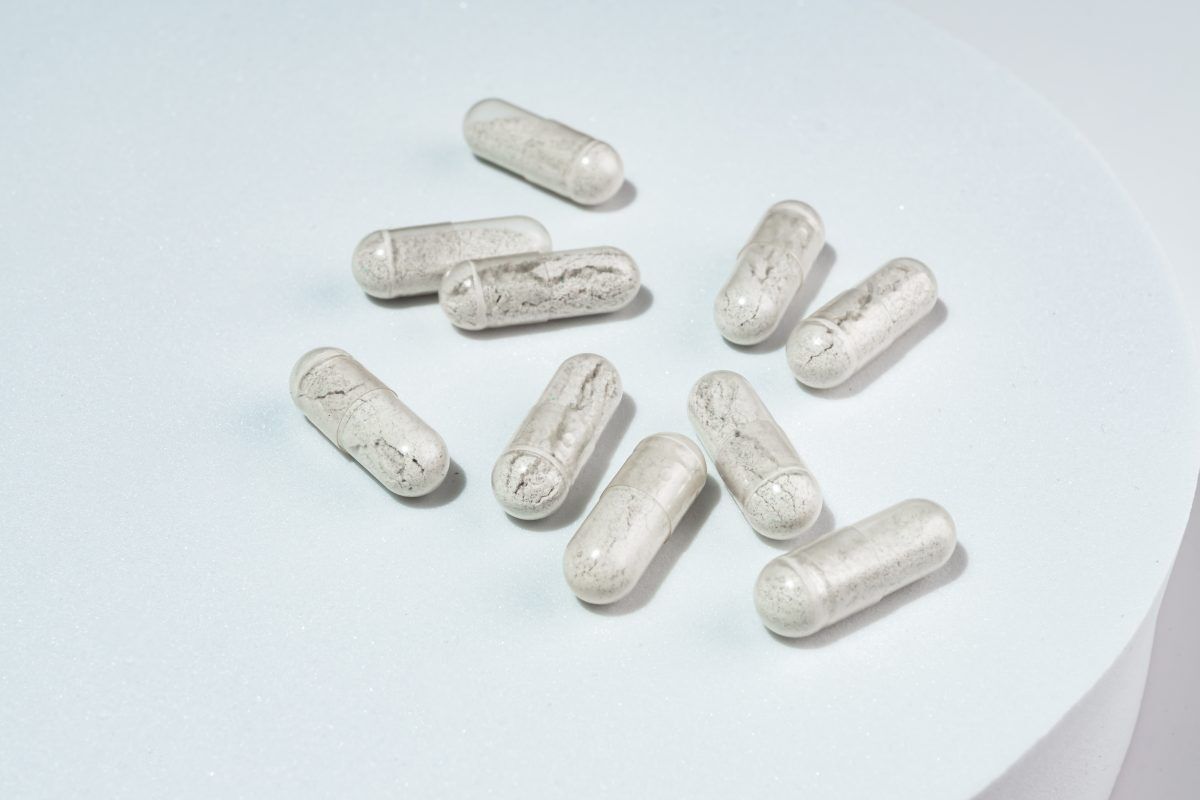
What are the side effects of dihydroquercetin?
Dihydroquercetin is generally well-tolerated, but like any supplement, it can cause side effects in some individuals. The most commonly reported side effects are mild and tend to resolve independently without needing medical intervention.
Gastrointestinal discomfort
Gastrointestinal discomfort is a potential side effect of dihydroquercetin, particularly when taken on an empty stomach or in higher doses. This discomfort may include symptoms such as nausea, bloating, or mild stomach cramps.
The discomfort can be linked to DHQ’s interaction with the gastrointestinal lining, which may be sensitive to the compound’s antioxidant activity.
Interestingly, studies have shown that DHQ can protect the stomach lining under certain conditions. For example, research on rats indicated that taxifolin could reduce aspirin-induced gastric damage by protecting the stomach’s mucosal lining from oxidative stress [2].
However, for some individuals, especially those with a sensitive digestive system, DHQ might still cause mild gastrointestinal upset. Taking DHQ with food and starting with a lower dosage may help alleviate these symptoms.
Headaches
Headaches are a potential side effect of dihydroquercetin supplementation, though relatively rare. This symptom may arise due to the body’s response to the potent antioxidant activity of DHQ, which can influence various physiological processes, including blood pressure regulation and neurotransmitter activity.
The occurrence of headaches might be linked to the flavonoid’s effects on calcium regulatory proteins such as calmodulin, which is involved in various cellular functions, including muscle contraction and neurotransmitter release
Moreover, DHQ’s ability to interact with enzymes and modulate oxidative stress could trigger headaches, especially in individuals who are sensitive to changes in their body’s oxidative balance.
While these headaches are typically mild and transient, adjusting the dosage or timing of DHQ intake, such as taking it with food or reducing the amount consumed, might help alleviate this issue.
Drowsiness or fatigue
Drowsiness or fatigue is a less common but possible side effect of dihydroquercetin (DHQ) supplementation. The antioxidant properties of DHQ, which contribute to its ability to modulate oxidative stress and enhance immune function, may also influence energy levels.
Research indicates that DHQ can significantly impact cellular and immune activities, which might lead to an overall feeling of tiredness in some individuals
This drowsiness or fatigue may be the body’s response to DHQ’s shift in oxidative balance and immune modulation. As DHQ works to reduce oxidative stress and enhance immune function, the body may temporarily experience a drop in energy levels as it adjusts to these changes.
This side effect is mild for most individuals and tends to diminish as the body acclimates to the supplement. If you experience persistent fatigue, adjusting the timing of your DHQ intake or consulting a healthcare professional to ensure it’s the right supplement for you might be helpful.
Rare but serious side effects of dihydroquercetin
While dihydroquercetin is generally considered safe and well-tolerated by most people, some rare but potentially serious side effects have been reported, particularly in individuals with specific health conditions or sensitivities.
These side effects are uncommon, but it’s important to be aware of them, especially if you are considering long-term or high-dose supplementation:
Allergic reactions
Although rare, allergic reactions to dihydroquercetin can occur in some individuals. These reactions may manifest as skin rashes, itching, swelling, dizziness, or even difficulty breathing.
Given DHQ’s widespread use in various therapeutic and cosmetic applications, individuals with a history of allergies to flavonoids or related compounds should exercise caution when supplementing with DHQ.
According to research, DHQ has shown promise in treating various skin conditions due to its anti-inflammatory and antioxidant properties, but its strong biological activity could potentially trigger allergic responses in sensitive individuals
Blood pressure fluctuations
Dihydroquercetin has been shown to influence blood pressure, particularly in individuals with hypertension. The compound’s hypotensive effects are primarily attributed to its ability to reduce blood viscosity and promote vasodilation.
In studies involving hypertensive rats, DHQ administration significantly decreased mean blood pressure, reduced blood viscosity, and improved blood rheology
For those with pre-existing cardiovascular conditions, these effects could be either beneficial or risky, depending on the individual’s overall health and concurrent treatments.
Liver toxicity
While dihydroquercetin is generally considered safe, there have been some concerns regarding its potential for liver toxicity, particularly at high doses or with prolonged use.
Liver toxicity can manifest as an adverse reaction when the liver is unable to adequately process or detoxify the compound, leading to liver damage. However, recent studies suggest that DHQ may actually have a protective effect on the liver rather than causing harm.
Research has demonstrated that DHQ can effectively prevent and treat various forms of liver injury by reducing oxidative stress, modulating inflammation, and enhancing the liver’s antioxidant defense mechanisms
However, caution is still advised for individuals with pre-existing liver conditions or those taking other medications that affect liver function.
How can you minimize the side effects of dihydroquercetin?
Taking steps to minimize potential side effects can help ensure a safer experience with the supplement. Here are some strategies to reduce the risk of adverse effects:
1. Start with a low dose
If you’re new to DHQ, it’s advisable to start with the lowest recommended dose and gradually increase it as your body adjusts. This can help minimize the likelihood of gastrointestinal discomfort, headaches, or other mild side effects.
2. Take DHQ with food
Taking DHQ with meals can help reduce gastrointestinal discomfort, such as nausea or stomach cramps. Food can act as a buffer, making it easier for your digestive system to process the supplement.
3. Stay hydrated
Headaches and fatigue can sometimes be linked to dehydration. To mitigate these symptoms, ensure you are drinking enough water throughout the day, especially when taking DHQ.
4. Monitor your body’s response
Pay close attention to how your body reacts to DHQ, particularly in the first few weeks of use. If you experience any side effects, such as drowsiness or unusual fatigue, consider adjusting the timing of your doses or reducing the dosage.
5. Consult a healthcare provider
Before starting DHQ, particularly if you have pre-existing health conditions or are taking other medications, consult with a healthcare provider. They can provide personalized advice on safe dosage levels and monitor for potential drug interactions or side effects.
6. Avoid high doses
While DHQ has a favorable safety profile, taking very high doses can increase the risk of side effects, including potential liver toxicity. Stick to the recommended dosage unless advised otherwise by a healthcare professional.
By following these guidelines, you can enjoy the potential health benefits of DHQ while minimizing the risk of adverse reactions.
Final takeaways
Dihydroquercetin is a powerful flavonoid with numerous potential health benefits. However, its use should be approached with caution and awareness of possible side effects.
To safely incorporate DHQ into your wellness routine, it’s crucial to start with a low dose, take it with food, and monitor your body’s response. By being informed and cautious, you can harness the benefits of DHQ while safeguarding your health.
Ultimately, DHQ holds significant promise as a supplement, but responsible usage is essential to maximize its benefits and minimize any potential downsides.
FAQs
Is taking dihydroquercetin safe?
Generally, yes. DHQ is well-tolerated by most people, but it’s important to start with a low dose and consult a healthcare provider if you have any health concerns.
What are the common side effects of dihydroquercetin?
Common side effects include mild gastrointestinal discomfort, headaches, and occasional fatigue.
How can I minimize the side effects of dihydroquercetin?
Start with a low dose, take DHQ with food, stay hydrated, and monitor your body’s response. Consult your healthcare provider for personalized advice.
Is dihydroquercetin suitable for everyone?
DHQ is generally safe, but pregnant women, individuals with specific health conditions, and those on certain medications should seek medical advice before use.
[1] Pharm Chem J. Bioavailability and Safety of Dihydroquercetin (Review)
[2] Experimental Animals. Effects of taxifolin on aspirin-induced gastric damage in rats: macroscopic and biochemical evaluation
[3] Internet Journal of Medical Update. Quercetin: a versatile flavonoid
[4] Fish & Shellfish Immunology. Effects of dihydroquercetin obtained from deodar (Cedrus deodara) on immune status of gilthead seabream (Sparus aurata L.)
[5] Molecules. Research Progress of Dihydroquercetin in the Treatment of Skin Diseases
[6] Bulletin of Experimental Biology and Medicine. Modes of Hypotensive Action of Dihydroquercetin in Arterial Hypertension

