
Karl Pfleger calls time on the aging debate, and advocates for focus on aging’s indication status, subpathologies and clinical significance.
Is aging a disease? Debate continues, with both good and flawed arguments, but progress is needed, so here are three ways to move discussions forward.
First, this is the wrong question. The right question is what regulatory framework optimizes long term health? Second, aging isn’t one thing, but multiple distinct pathological processes. Third, there were analogous debates on obesity – it wasn’t a disease but now is. A new proposal to distinguish clinical obesity could be copied.
The wrong question
Aging, an overloaded term, here means adult biological aging, not childhood development nor just time passing. Semantics is the root of much of the disagreement but should be irrelevant. Advocates rightly see disease status as a path towards trials for aging interventions using aging itself as primary endpoint instead of an individual chronic disease. Opponents rightly worry that labeling everyone past a certain age as ‘diseased’ loses a meaningful distinction versus current clinical illness thresholds. The real question is whether aging should be a clinical indication for trials.
Indication and disease differ. Disease implies illness, but for many valid indications, such as hair loss and acne, sufferers are not considered sick. More broadly, what regulatory framework optimizes long term health of society? It isn’t optimal to give little incentive for interventions that treat multiple diseases, such as by judging initial make-or-break trials only by efficacy on one disease.
All aged adults are meaningfully biologically less robust when compared with young adults; age is by far the top risk factor for all age-related diseases, and intervening to mitigate this difference is no less valid a medical goal than reducing hair loss or acne, and arguably much more beneficial to society, both economically and ethically.
Should aging therefore be an indication? If not, what changes can incentivize development of therapies to mitigate multiple aging diseases? The TAME trial demonstrates one model but is too long and expensive to be a practical general solution for new aging therapies. Loyal showed a path to conditional approval for longevity in veterinary trials, but there’s no clear way for trials of longer-lived humans to follow the same path. A4LI and others have proposed regulatory reforms like accelerated approvals pathways, voucher systems, and patent reforms. Biomarkers work continues towards estimates of biological age good enough for use as surrogate endpoints, notably by the Biomarkers of Aging Consortium and ARPA-H’s PROSPR program. The disease debate should move on to discussion of these and other regulatory reform ideas to capture some of the benefits imagined for classifying aging as a disease.
Aging is multifactorial
Adult biological aging consists of several interacting but distinct pathological molecular processes. The exact list is debated, and some may remain unknown, but there’s broad consensus that there are roughly 7-15 subareas that together cause the degeneration leading to all age-related disease and the majority of the world’s death and suffering. They are largely separately targetable for intervention, and effective therapies for any one should mitigate multiple chronic diseases. For example, 4 subareas common to the most popular breakdowns – mitochondria dysfunction, cellular senescence, proteostasis loss, and stem cell degeneration– each have therapies targeting them in development by multiple biotech companies for different aging diseases. In each case the clinical program is targeted at a single disease first. As for aging as a whole, could each of these subpathologies be individually debated on whether it should be a disease, or as above an indication?
For each subarea, the quality of evidence that it’s a risk factor for multiple aging diseases and evidence of causality could be evaluated. Then the same regulatory reform proposals above could be applied to worthy subareas. Shifting to the subareas changes the nature of biomarker development, possibly making it easier to find surrogate endpoints. Some of the aging-as-disease (or indication) debate should focus on aging subareas.
Is obesity a disease?
Obesity went through analogous debates for years. Like aging, obesity is a risk factor for and plays a direct causal role in many diseases. Over many years, more and more important organizations classified obesity as a disease including the WHO, NIH, CMS and AMA – but this remains controversial. The history of arguments on both sides are worth reading and mirror much of the aging-as-disease debate.
Recently, the 56-doctor Lancet Commission published a consensus proposal, endorsed by 76 leading health organizations, to distinguish more severely pathological obesity, labeled clinical obesity, from less significant pre-clinical obesity. They propose that clinical obesity is a disease, and while they admit obesity and its consequent increased disease risk exist on a continuum, they consider illness to be a meaningful binary state. Clinical obesity implies illness and requires objective signs of reduced function or other pathology (they define 18 precise criteria). Pre-clinical obesity merely increases risk of clinical obesity. Regardless of whether one dislikes drawing thresholds on a continuum, it’s useful to distinguish the different sides of this one.
Aging is analogous, both overall and its subpathologies. There’s a clear continuum with a severe region that even without clinically diagnosable chronic diseases is clinically significant enough based on dysfunction of organs or tissues or functional decline to warrant treatment, before progression to outright age-related diseases. An analogous esteemed commission of aging experts should define criteria for this.
Flawed arguments
In moving forward along the above lines, we should dispense with flawed but common arguments, such as:
Aging brings knowledge, wisdom, or experience. Many good things that take time necessarily happen simultaneously with biological aging, but these benefits of living are not tied to or dependent on aging’s pathological degenerative molecular processes.
Aging is natural. This is an example of the appeal-to-nature fallacy. Many natural things are bad (such as most diseases), and we shouldn’t welcome or tolerate aging any more than we do cancer.
Something that happens to everyone can’t be a disease. This is untrue; if a new virus was so contagious it infected everyone, we wouldn’t declassify it as a disease as the final few percent became infected. Arguably, many existing diseases are or were virtually universal but still considered diseases, such as the common cold and chicken pox before its vaccine. Switching to indication instead of disease avoids this objection.
Classifying aging as a disease would immediately speed clinical trials. This is too simplistic; human lifespan studies are too long and expensive, and we don’t yet have biomarkers trustworthy enough to be surrogate endpoints. Focusing on subpathologies of aging might help here.
Labeling aging a disease could cause stress/depression. There are two problems with this. First, hiding truths from patients isn’t the best way to optimize societal health; we don’t tell stage 1-2 cancer patients that it’s not cancer until stages 3-4. Second, the cat is already out of the bag. People know aging is bad. Everyone knows it will surely kill them eventually if something else doesn’t first, and virtually everyone has seen what it does to the elderly. Labeling it a disease provides no new information. If anything, it may give some hope that treatments are being sought. Also, switching to indication instead of disease mitigates this risk. Both focusing on aging subareas and focusing on clinically-significant aging limit potential stress to the most appropriate subpopulations.
The future
The German National Academy of Sciences Leopoldina just published recommendations advocating a shift towards “Geroscience-driven clinical trials”. Even though it doesn’t directly tackle the issue of aging’s disease status, it exemplifies the perceived need to change existing systems that motivates advocates to call for labeling aging a disease. It also makes several suggestions on clinical trials. We need more thinking on how to change current research and regulatory systems.
It’s time to move on past the is-aging-a-disease debate towards constructive changes that can accelerate progress to mitigate all age-related pathologies. Aging is too big and urgent a problem to repeat the decades of analogous is-obesity-a-disease debates. Focusing on whether aging should be an indication instead of a disease, considering subpathologies of aging instead of the entire thing, and/or distinguishing clinically significant aging can all help.
About Karl Pfleger
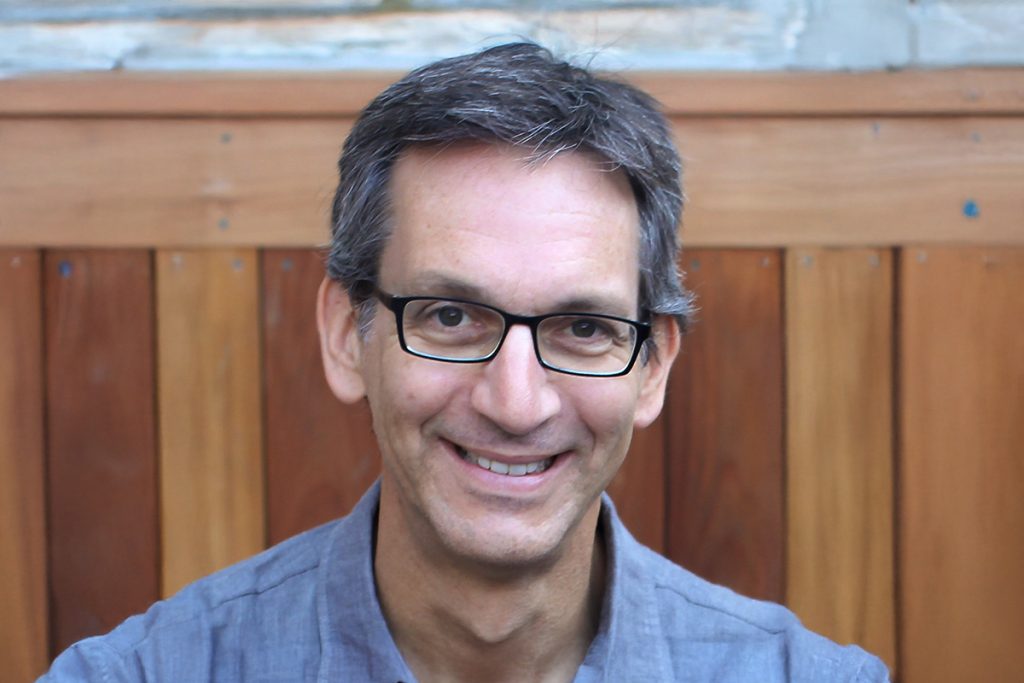
Karl Pfleger is the founder of AgingBiotech.info, a non-commercial, pro-bono resource supporting the aging and longevity community. He is an active investor in rejuvenation biotech startups, focusing on damage-repair approaches like senolytics and partial epigenetic reprogramming. Karl is also involved in philanthropy and advocacy aimed at accelerating progress in the fight against aging. He does not invest outside the aging biotech space – and definitely not in movies.

