
Longevity.Technology System users:
To check the status of beta-alanine in your body:
- Download the LT System app on your Android or Apple smartphone.
- Open the LT System app and select ‘DNA Results’
- Under ‘Exercise,’ scroll down and find ‘Physical Decline With Age’
- Now, scroll down to find your results and recommendations.
Not a user yet?
That’s OK; you can sign up for your Epigenetic & DNA test here.
Ever wondered why some people seem to age gracefully while others struggle with the signs of getting older? The secret lies in understanding how to slow physical decline with age.
Innovations in longevity technology offer new ways to support a healthy aging process. Products like the Longevity.Technology Epigenetic & DNA Test provide personalized insights into your health, enabling you to make informed decisions about your wellness.
Preventive health measures, such as regular medical check-ups and staying updated on vaccinations, also play a critical role in aging gracefully. Combining these strategies can create a comprehensive plan for slowing physical decline and living a longer, healthier life.
What is the physical decline as we age?
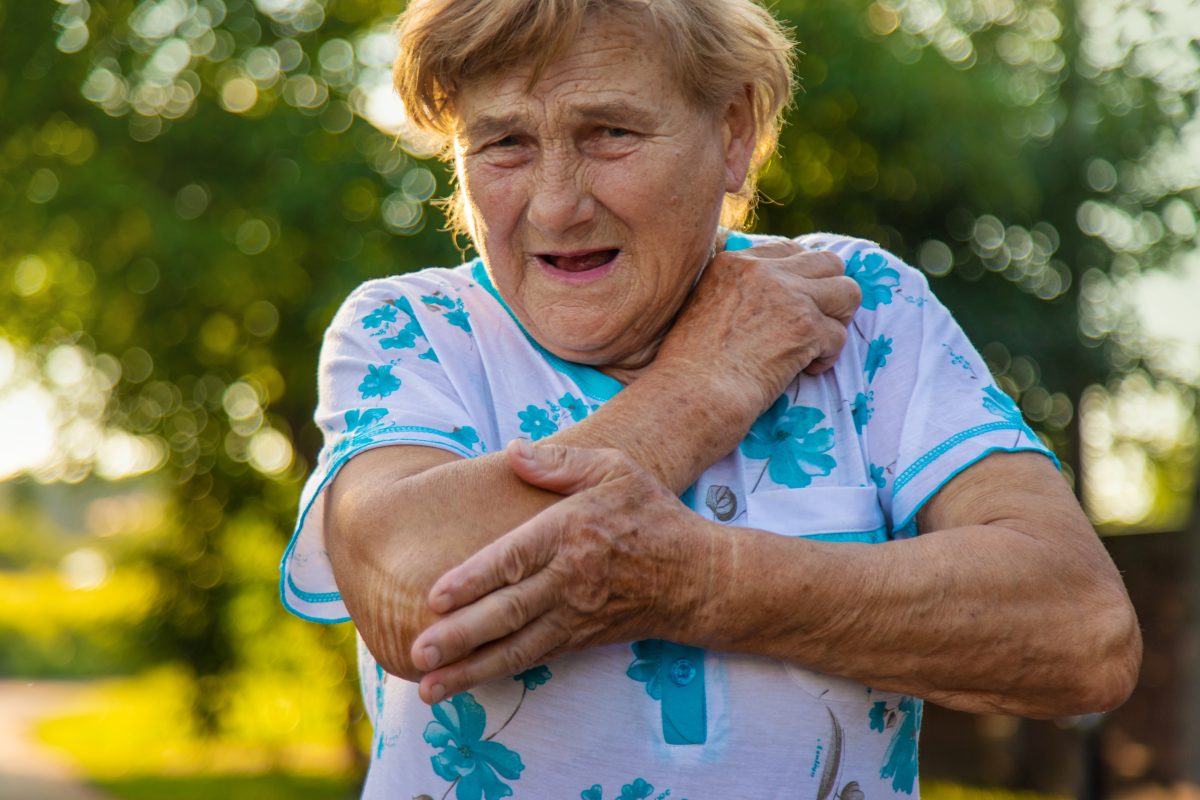
Aging causes changes to our bodies that can affect physical capabilities. Understanding these changes helps us take proactive steps to slow the decline [1].
- Muscle loss: Age-related declines in muscle mass result in a loss of strength and mobility. Regular strength training can mitigate this.
- Bone density: Fractures are more likely as bones grow less thick and more brittle. It’s important to perform weight-bearing workouts and consume enough calcium and vitamin D.
- Joint health: Joint stiffness and pain often increase due to wear and tear. Some of these problems can be resolved by keeping an appropriate weight and exercising regularly.
- Metabolism: The metabolic rate slows down, leading to weight gain if dietary habits are not adjusted accordingly. Include reasonable portion sizes and a well-balanced diet high in whole foods.
Recognizing these aspects of physical decline empowers you to make informed decisions about your health and well-being, ensuring a more active and fulfilling life.
What is the secret to aging slower?
Living longer and healthier often boils down to a few key lifestyle choices. These factors are within your control and can significantly impact your overall well-being as you age. Let’s explore the most influential ones:
Quality sleep
During sleep, your body repairs tissues, strengthens the immune system, and processes memories and information. Quality sleep is essential for maintaining overall health and well-being. It’s not just about the number of hours spent in bed but the quality.
Tips for better sleep:
- Set aside time each day, even on the weekends, to go to bed and get up. This helps regulate your body’s internal clock.
- Create a calm, comfortable sleep environment by keeping your bedroom cool, dark, and quiet.
- Develop a relaxing pre-sleep routine. Before bed, avoid bright lights and devices, as these can disrupt your body’s melatonin production.
- Steer clear of nicotine, coffee, and large meals right before bed.
Making sleep a priority will help you age well by enhancing your overall quality of life, mental and physical well-being, and overall quality of life.
Stress management
Stress management is essential for good physical and mental health [2]. Numerous health problems, including heart disease, high blood pressure, and compromised immune system function, can be brought on by prolonged stress.
Stress management techniques:
- Practicing mindfulness or meditation daily can help calm the mind and reduce stress.
- Activities such as walking, jogging, yoga, or any form of physical activity you enjoy can release endorphins and improve mood.
- Engaging in activities you love can provide a mental escape and relaxation – whether painting, gardening, reading, or playing a musical instrument.
- Speaking with loved ones might make you feel connected and offer emotional support.
- Set priorities for your projects and divide them into doable chunks.
Incorporating these stress management techniques into your daily routine can enhance your resilience, promote relaxation, and improve your quality of life.
Social connections
Strong social connections are vital for a long, healthy life. They provide emotional support, reduce feelings of loneliness, and can even boost your immune system.
Ways to strengthen social connections:
- Schedule regular get-togethers with friends and family.
- Join clubs, volunteer groups, or community organizations. These activities offer opportunities to meet new people and build meaningful relationships.
- Use technology to maintain relationships, especially with loved ones who live far away.
- Participate in activities that interest you, like sports teams, book clubs, or hobby groups.
- Build a support network you can rely on during challenging times.
Investing time and effort in social connections can lead to a happier, healthier, and longer life.
Healthy diet
A balanced, nutritious diet is fundamental to slowing physical decline and promoting longevity. The right food choices can enhance vitality, support bodily functions, and reduce the risk of age-related diseases.
Dietary tips:
- Strive to eat a range of vibrant fruits and vegetables. These foods promote general health and fight aging since they contain vitamins, minerals, and antioxidants [3].
- Prioritize whole, minimally processed foods. Essential nutrients can be obtained from whole grains, lean proteins, and healthy fats.
- Incorporate foods like avocados, almonds, seeds, and olive oil, which are good fat sources.
- Eat enough protein to keep your muscles strong. Lean meats, beans, lentils, and dairy products are excellent sources.
Epigenetic test
The Longevity.Technology Epigenetic & DNA Test provides personalized insights into your genetic makeup and epigenetic markers, revealing how your body is aging compared to your chronological age.
How it works:
- Collect your DNA sample using the simple, at-home test kit provided.
- Your sample is analyzed to identify key genetic and epigenetic markers.
- Receive a comprehensive report detailing your biological age, health risks, and personalized recommendations.
- Implement the tailored advice into your daily routine to optimize your health and slow physical decline.
Taking proactive steps and utilizing advanced tools like the Epigenetic & DNA Test can significantly slow the aging process, helping you maintain a vibrant and healthy life for years to come.
Does regular exercise reduce aging?
A healthy lifestyle is based on regular exercise, especially as we get older. Exercise improves daily function and lowers the risk of chronic diseases by maintaining our bodies resilient, strong, and flexible.
Benefits of regular exercise
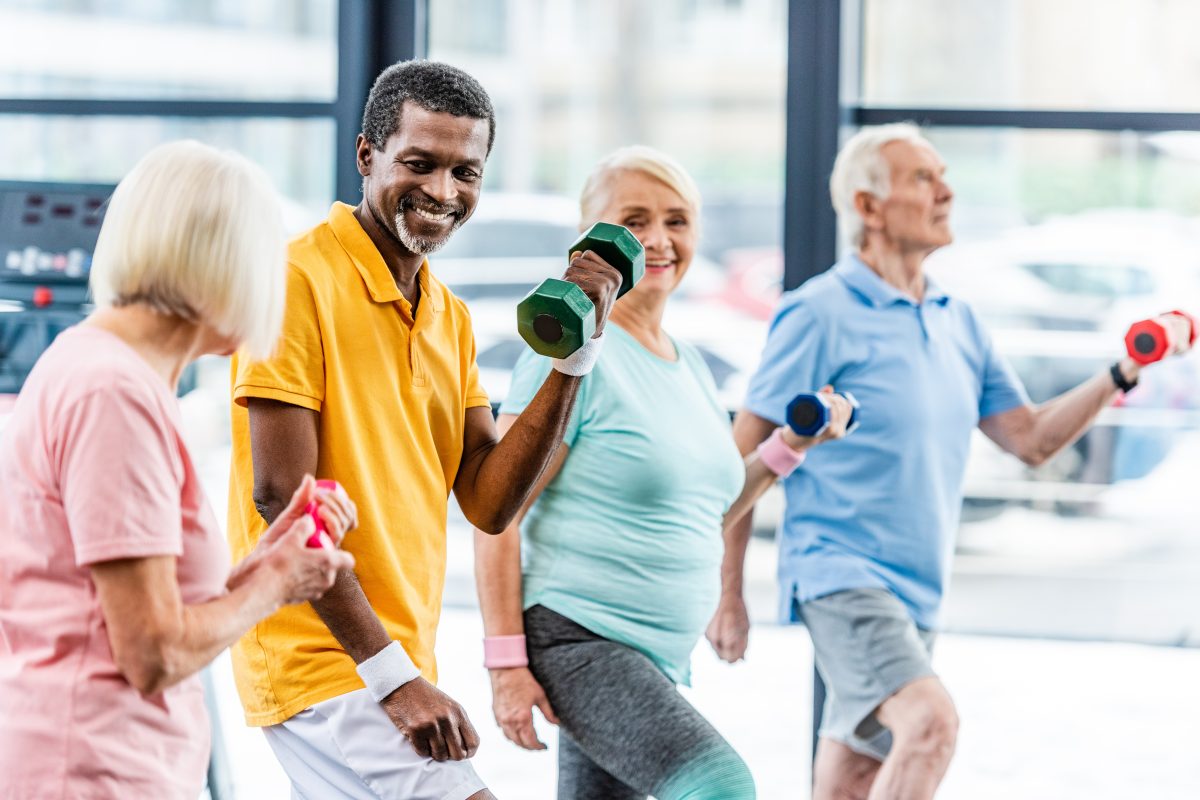
Regular exercise offers numerous benefits that enhance physical and mental well-being. Consistent physical activity helps maintain strength, flexibility, and cardiovascular health, all essential for graceful aging.
- Strength and muscle maintenance: Weight-bearing exercises, like lifting weights or bodyweight routines, help preserve muscle mass and bone density.
- Heart health: Exercises like running, cycling, and walking can help improve heart health and reduce the risk of developing high blood pressure and heart disease.
- Flexibility and balance: Yoga and stretching improve flexibility and balance, which reduces the chance of accidents and falls [4].
- Mental well-being: Exercise releases endorphins, which uplift mood and reduce symptoms of anxiety and depression. It also improves sleep and cognitive function.
- Weight management: Staying active helps control weight, preventing obesity-related issues like diabetes and joint problems.
Incorporating exercise into daily life
Fitting exercise into your daily routine can be simple and rewarding. Here’s how to make it a seamless part of your life:
- Mix it up: Engage in various activities to keep things interesting. Exercises for flexibility, strength, and cardio should be alternated.
- Set realistic goals: Start with achievable targets and gradually increase the intensity and duration.
- Stay consistent: Aim for 150 or 75 minutes a week of strenuous or moderate aerobic activity. Divide this up into doable chunks.
- Functional movements: Incorporate exercises that mimic daily activities. Squats, lunges, and step-ups improve strength and coordination.
- Active lifestyle: Include physical activity in everyday tasks. Take the stairs, walk during breaks, or bike to work.
These strategies help integrate exercise effortlessly into your daily life, promoting a healthier, more active lifestyle.
Slow physical decline with age through Longevity.Technology Epigenetic & DNA Test
Aging is inevitable, but the pace at which we experience physical decline can be influenced by our lifestyle choices and proactive health measures.
The Longevity.Technology Epigenetic & DNA Test goes beyond traditional genetic tests. It examines your epigenetic markers—changes in gene expression influenced by lifestyle and environment.
With this information, you can tailor your diet, exercise, and lifestyle choices to support your long-term health better.
Aging gracefully is about more than genetics; it’s about making informed choices that support your health and well-being. The Epigenetic & DNA Test empowers you with the knowledge to make these choices, helping you slow physical decline and enjoy your life.
Closing thoughts
Taking these actions will help you feel better now and set you up for a healthier future. Start with one small change today. Each step brings you closer to a longer, healthier, and more fulfilling life.
Commit to your health. Track your progress, celebrate your successes, and stay motivated. Embrace the journey towards longevity and enjoy the benefits of a vibrant, active life.
Ready to enhance your longevity and maintain your physical health? The Longevity.Technology Epigenetic & DNA Test provides the insights you need to optimize your habits and enjoy a more vibrant life!
FAQs
How much exercise is needed to maintain health?
Aim for at least 150 minutes of moderate aerobic activity per week. Include strength training exercises at least twice a week.
How does sleep impact aging?
Quality sleep helps the body repair and regenerate, which is essential for healthy aging. Aim for 7-9 hours of uninterrupted sleep each night.
How important are social connections for longevity?
Strong social ties boost emotional support and reduce feelings of loneliness. Engaging with the community and maintaining friendships can enhance the quality of life.
What simple exercises can improve balance and flexibility?
Yoga and tai chi are excellent for improving balance and flexibility. Incorporating these exercises into your routine can help prevent falls and injuries.
[1] https://www.msdmanuals.com/home/older-people%E2%80%99s-health-issues/the-aging-body/changes-in-the-body-with-aging
[2] https://my.clevelandclinic.org/health/treatments/6409-stress-management-and-emotional-health
[3] https://www.healthline.com/health/food-nutrition/anti-aging-foods
[4] https://www.mayoclinic.org/healthy-lifestyle/fitness/in-depth/stretching/art-20047931

