
Longevity.Technology System users:
To check your oxygen (O2) usage:
- Download the LT System app on your Android or Apple smartphone.
- Open the LT System app and select ‘DNA Results.’
- Under ‘Physical,’ scroll down and find ‘O2 Usage.’
- Now, scroll down to find your results and recommendations.
Not a user yet?
That’s OK, you can sign-up for your Epigenetic & DNA test here.
Oxygen is essential for every cell in your body, especially during exercise. It powers your muscles and fuels your endurance.
During physical activity, your body’s demand for oxygen increases, and efficient oxygen usage becomes vital. This process involves complex physiological mechanisms, but the key takeaway is simple: better oxygen usage (or O2 usage) means better performance and faster recovery.
Maximizing your oxygen usage isn’t just for elite athletes; anyone can benefit from these techniques. Whether you’re a casual gym-goer or training for a marathon, understanding how to breathe correctly and efficiently can make a significant difference.
How do you optimize oxygen levels?
Optimizing how your body uses oxygen during exercise can significantly enhance your performance and overall health. Proper breathing techniques, effective aerobic conditioning, and smart nutrition all play crucial roles in this process [1].
Let’s explore practical and effective strategies to help you get the most out of your workouts.
Proper breathing techniques
Proper breathing is essential for maximizing oxygen intake and improving exercise performance. Here are some effective breathing techniques to help you get the most out of your workouts.
Diaphragmatic breathing
- Take deep breaths from your diaphragm rather than your chest.
- This allows your lungs to fill more completely with air, increasing oxygen intake.
- Practice by lying on your back with one hand on your chest and the other on your abdomen. Take slow, deep breaths, ensuring your abdomen rises more than your chest.
Rhythmic breathing
- Synchronize your breathing with your movements to enhance efficiency.
- For runners, adopt a 3:2 ratio – inhale for three steps and exhale for two [2].
- This rhythmic pattern helps distribute the workload across your diaphragm and other respiratory muscles, reducing fatigue.
Nasal breathing
- Inhale through your nose to filter and humidify the air.
- Nasal breathing helps maintain a steady oxygen supply and can improve endurance.
- Practice nasal breathing during warm-ups and gradually integrate it into more intense workouts.
Mindful breathing
- Focus on your breath during exercise to maintain a steady rhythm.
- Mindful breathing reduces stress and increases oxygen efficiency.
- Incorporate breathing exercises or meditation into your routine to enhance overall breathing control.
Aerobic conditioning
Aerobic conditioning plays a vital role in improving your body’s ability to use oxygen efficiently. Here are two key methods to enhance your aerobic capacity:
Steady-state cardio
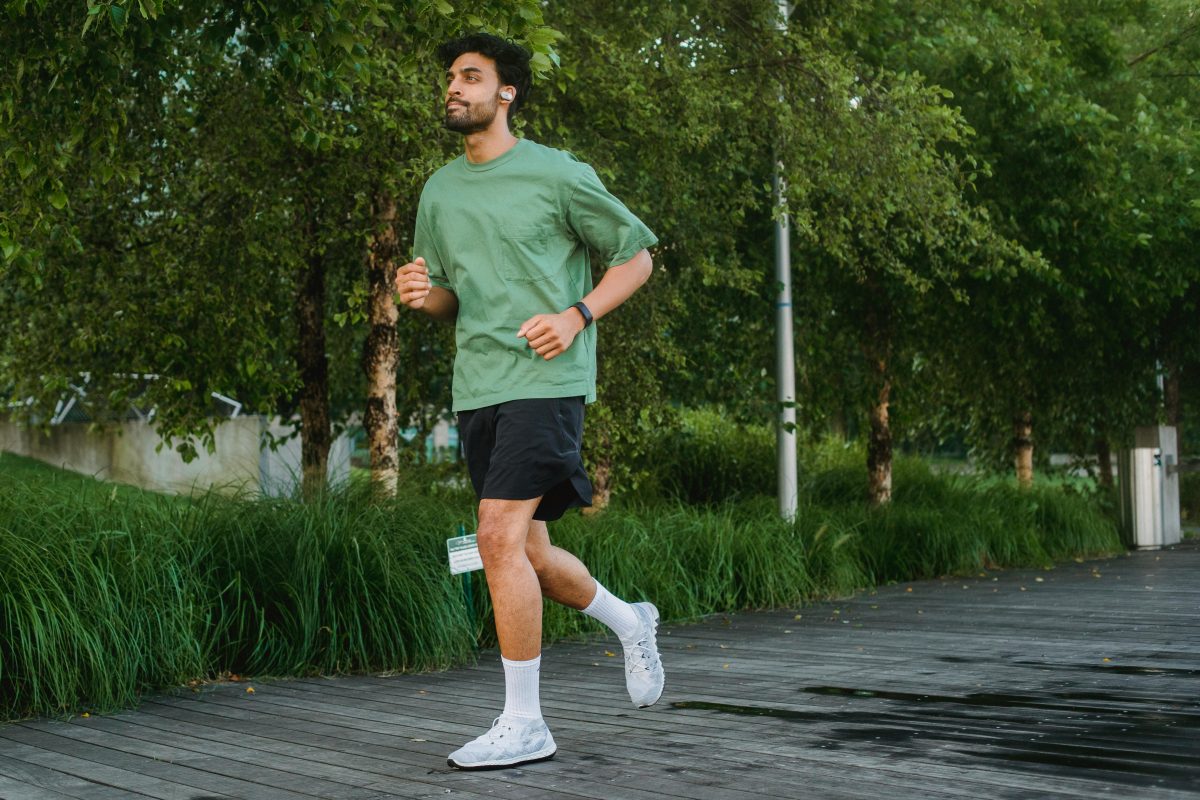
- Engage in steady-state cardio exercises such as jogging, cycling, or swimming at a moderate pace.
- These activities boost your cardiovascular endurance by consistently challenging your heart and lungs.
- To see significant improvements in your aerobic capacity, aim for at least 30 minutes of steady-state cardio 3-5 times a week.
Interval training
- Incorporate high-intensity interval training (HIIT) to push your cardiovascular system to new limits [3].
- Switch up your workouts by alternating between short bursts of high-intensity activity, like sprinting, and rest or low-intensity activities, like strolling.
- This technique helps you burn more calories in less time while raising your VO2 max.
- A typical HIIT session might include 30 seconds of high-intensity exercise followed by 1-2 minutes of low-intensity recovery, repeated for 20-30 minutes.
Consistently practicing these aerobic conditioning techniques will enhance oxygen usage, boost endurance, and improve overall fitness.
Strength training
Strength training enhances oxygen usage by building muscle and improving overall cardiovascular efficiency. Here are two key strategies:
Compound movements
- Focus on exercises that work for multiple muscle groups simultaneously, such as squats, deadlifts, and bench presses.
- These movements require more oxygen and energy, boosting your cardiovascular system’s efficiency.
- Incorporate compound movements into your routine 2-3 times a week for balanced muscle development and improved oxygen usage.
Balancing high and low-intensity workouts
- Mix high-intensity strength training sessions with lower-intensity workouts to allow your body to recover while still promoting oxygen efficiency.
- High-intensity sessions might include heavy lifting or circuit training, pushing your limits and improving muscle strength.
- To aid recovery and maintain a steady workout rhythm, follow these with low-intensity activities such as yoga, stretching, or light resistance training the next day.
Regular strength training builds muscle and enhances your body’s ability to utilize oxygen effectively, leading to better performance and quicker recovery times.
What foods increase your oxygen levels?
Proper nutrition plays a crucial role in optimizing oxygen usage during exercise. Here are some key nutritional strategies:
Iron-rich foods
- Iron is essential for oxygen transport in your blood. Include iron-rich foods like lean meats, beans, spinach, and fortified cereals in your diet [4].
- Maintaining healthy hemoglobin levels ensures efficient oxygen delivery to your muscles, enhancing performance and endurance.
Antioxidants
Beetroot
- Beetroot contains nitrates that enhance oxygen uptake and improve exercise performance.
- Add beetroot to your diet through juices, salads, or smoothies to benefit from its oxygen-boosting properties.
Implementing these nutritional strategies will help your body use oxygen more efficiently, leading to better performance and quicker recovery times.
How do you measure oxygen use?
Monitoring and measuring your oxygen usage can provide valuable insights into your fitness progress. Here are effective methods:
VO2 max testing
Undergo a VO2 max test to measure your maximum oxygen uptake. This test is typically conducted in a lab using a treadmill or stationary bike with a mask that measures your oxygen intake and carbon dioxide output [5].
Knowing your VO2 max provides a baseline for cardiovascular fitness and helps track improvements. Aim for periodic testing to monitor your progress.
Epigenetic & DNA Test
The Longevity.Technology Epigenetic & DNA Test offers personalized insights into your body’s unique needs and capabilities, including oxygen usage.
The test analyzes specific genetic markers that affect how your body uses oxygen, your cardiovascular efficiency, and your overall endurance. Based on your genetic profile, the test provides tailored recommendations for your training and nutrition, helping you optimize your oxygen usage.
Wearable technology
Utilize wearable fitness trackers and smartwatches that monitor heart rate and oxygen levels. These devices provide real-time data, allowing you to adjust your workouts for optimal oxygen usage.
Features like pulse oximetry and heart rate variability (HRV) measurements can give insights into how efficiently your body uses oxygen during different types of exercise.
Regular fitness assessments
Perform regular fitness assessments to gauge improvements in your oxygen usage. Include tests such as timed runs, cycling sessions, or swimming laps to measure endurance and performance.
Keep a record of your results to identify trends and make informed adjustments to your training routine.
These monitoring methods will help you optimize your oxygen usage, leading to better exercise performance and overall fitness.
What are the benefits of increasing oxygen levels?
Optimizing oxygen usage during exercise brings numerous benefits that can transform your workouts and overall health. Here’s how better oxygen efficiency can make a difference:
Enhanced endurance and stamina
Efficient oxygen usage allows your muscles to sustain activity longer, boosting your endurance and stamina. When your body effectively transports and utilizes oxygen, you can exercise for extended periods without fatigue.
This improvement is crucial for endurance sports like running, cycling, and swimming, where maintaining a steady pace is essential. Additionally, better oxygenation boosts cellular energy production, providing a consistent energy supply during workouts.
Faster recovery times
Efficient oxygenation speeds up the healing of micro-tears in muscles caused by intense exercise, reducing inflammation and soreness. This allows you to recover faster and get back to your training routine sooner with less discomfort.
Enhanced oxygen flow to muscles promotes quicker recovery, enabling you to maintain consistent workout schedules and achieve better overall performance. With faster recovery times, you can train harder and more frequently, leading to greater fitness gains.
Better cardiovascular health
Efficient oxygen delivery enhances blood flow and circulation, ensuring muscles receive necessary nutrients and oxygen during exercise. This process helps maintain healthy blood pressure levels and reduces the risk of heart-related diseases [6].
A strong cardiovascular system supports better endurance and performance, allowing you to engage in more intensive workouts more easily.
By focusing on oxygen efficiency, you can boost your exercise capabilities and promote long-term heart and lung health, leading to a healthier, more active lifestyle.

Reduced risk of injuries
Proper breathing techniques and efficient oxygen delivery prevent overexertion, minimizing strain on muscles and joints.
Adequate oxygenation enhances mental clarity and focus, helping you maintain proper form and technique. This heightened awareness reduces the likelihood of accidents and injuries.
Additionally, better oxygen flow reduces inflammation and promotes faster healing, keeping muscles and tissues in optimal condition.
By ensuring your body receives enough oxygen, you can train safely and effectively, reducing the chances of workout-related injuries and promoting long-term fitness.
Increased athletic performance
Athletes with efficient oxygen uptake and utilization see improvements in speed, power, and endurance, leading to better performance metrics such as faster race times and higher lifting capacities.
Regular monitoring and adjustment of breathing techniques ensure continuous progress and peak performance. Efficient oxygen usage provides a competitive edge, allowing athletes to outperform their peers and achieve higher levels of success in their sports [7].
Incorporating oxygen optimization strategies into your training routine can help you reach new performance heights and achieve your athletic goals more effectively.
Optimize oxygen usage with Longevity.Technology Epigenetic & DNA Test
The Longevity.Technology Epigenetic & DNA Test can help you optimize oxygen usage for better performance and health. Let’s look at an illustrative sample from the test results and recommendations to see how it can guide you.
DNA results
Your test shows normal genetic variants for oxygen usage. Improving your VO2 max is important for sports performance and general health. Follow the guidelines to enhance your body’s ability to utilize oxygen.
Recommendations
- Potential for improvement: You can improve your VO2 max to a very good level. Those with superior genetic variants may see slightly greater improvements, making them better suited for ultra-endurance events.
- Smart training: With a well-designed training program, you can reach a VO2 max level far above average, suitable for elite performance in mixed sports. However, other factors also influence VO2 max:
- Age: VO2 max is typically highest around age 20 and decreases by about 30% by age 65.
- Gender: Elite female athletes often have higher VO2 max values than male counterparts. However, due to differences in body composition, blood volume, and hemoglobin content, a woman’s VO2 max is generally about 20% lower than a man’s.
- Altitude: At higher altitudes, there is less oxygen, leading to a 5% decrease in VO2 max for every 5,000 feet gained.
Tips for improvement
- Yoga and breathing exercises: These practices enhance lung expansion and relaxation, posing minimal risk.
- Hydration: Staying hydrated is crucial as dehydration reduces stroke volume and VO2 max.
- Heart training: Engage in activities that increase heart rate to adapt and improve VO2 max.
- Increasing force capacity: Consider devices that make breathing harder while exercising, or try breathing through a straw for short periods to strengthen respiratory muscles. This method is specific and should be done under expert guidance.
Note: This is an illustrative sample for an average individual. Your actual results and recommendations may vary based on your unique genetic profile.
Closing thoughts
Optimizing oxygen usage during exercise can transform your workouts and overall health. Efficient oxygen usage reduces the risk of injuries and boosts athletic performance.
Incorporating the Longevity.Technology Epigenetic & DNA Test in your routine can provide personalized insights to guide your efforts – offering tailored recommendations to optimize your oxygen usage.
Start with small changes, like improving your breathing techniques and gradually incorporating more aerobic and strength training into your workouts. Regularly monitor your progress using fitness assessments, wearable technology, and detailed insights from the Epigenetic & DNA Test.
Committing to these strategies will enhance your exercise performance and support long-term health. Embrace these techniques and tools to maximize your fitness potential and achieve your health goals.
Looking to maximize your exercise performance and enhance overall health? Order the Epigenetic & DNA Test to access personalized insights and tailored recommendations, and start transforming your workouts today!
FAQs
How can I improve my breathing during exercise?
Practice diaphragmatic and rhythmic breathing techniques to increase oxygen intake. These methods ensure more efficient oxygen delivery to your muscles.
What are the benefits of optimizing oxygen usage?
Optimizing oxygen usage enhances endurance, speeds up recovery, and improves cardiovascular health. It also reduces the risk of injuries and boosts athletic performance.
How often should I do aerobic conditioning exercises?
Aim for at least 30 minutes of steady-state cardio, 3-5 times a week. Include interval training sessions for added benefits.
What foods help improve oxygen efficiency?
Iron-rich foods, antioxidants, and beetroot can enhance oxygen transport and usage. Include lean meats, beans, spinach, berries, and nuts in your diet.
[1] https://www.ncbi.nlm.nih.gov/pmc/articles/PMC4818249/
[2] https://www.lung.org/blog/breathing-basics-for-runners
[3] https://nutritionsource.hsph.harvard.edu/high-intensity-interval-training/
[4] https://www.webmd.com/diet/iron-rich-foods
[5] https://www.healthline.com/health/fitness/vo2-max-test
[6] https://www.ncbi.nlm.nih.gov/pmc/articles/PMC4551211/
[7] https://www.ncbi.nlm.nih.gov/pmc/articles/PMC10224217/

