
Longevity.Technology System users:
To check your exercise effect on weight status:
- Download the LT System app on your Android or Apple smartphone.
- Open LT System app and select ‘DNA Results’
- Under ‘Physical,’ scroll down and find ‘Exercise Effect On Weight’
- Now, scroll down to find your results and recommendations.
Not a user yet?
That’s OK; you can sign up for your Epigenetic & DNA test here.
Having trouble losing weight even with your greatest efforts? You’re not by yourself. Many people question what went wrong when they reached a brick wall in their weight loss efforts. The secret might lie in how you leverage exercise to achieve maximum weight loss.
Research shows that combining specific exercise strategies with a balanced diet can boost weight loss results by up to 30%.
Imagine transforming your body and achieving your weight loss goals more effectively by understanding and applying some proven principles.
Each type of exercise plays a crucial role, from cardiovascular exercises like running and cycling to strength training and HIIT workouts. But it’s not just about the workouts; nutrition, hydration, and recovery are equally important.
What type of exercise is best for weight loss?
Achieving maximum weight loss requires a balanced exercise routine targeting various fitness aspects [1]. By being aware of the kinds of workouts that promote weight loss, you can create a successful fitness program.
Let’s discuss the main exercise categories and how they might assist you in losing those excess weight.
1. Cardiovascular exercises
Cardiovascular workouts are vital to any weight loss program because they burn calories and strengthen the heart.
- Running: An effective calorie burner that boosts cardiovascular health. Whether you prefer outdoor trails or a treadmill, running is a versatile exercise that fits any schedule.
- Swimming: Provides a full-body workout and burns a high number of calories. Swimming is gentle on the body, making it ideal for all fitness levels.
- Jumping rope: A high-intensity workout that’s easy to do anywhere. Jumping rope helps burn calories quickly and improves coordination and cardiovascular fitness.
Aim for at least 150 minutes of moderate-intensity cardio each week for optimal results.
2. Strength training
Strength training is vital for building muscle mass, which increases your resting metabolic rate, helping you burn more calories even at rest.
- Weightlifting: Gaining muscle with free weights or weight machines. Concentrate on complex exercises like bench presses, deadlifts, and squats for optimum results. These workouts burn more calories since they work different muscle groups.
- Resistance bands: Resistance bands are a great substitute for weights in many activities. They provide constant tension on muscles, which helps build strength and muscle tone [2].
- Bodyweight exercises: Push-ups, pull-ups, squats, and lunges utilize your body weight for resistance. These exercises are ideal for at-home workouts or on-the-go because they are highly effective and portable.
3. High-intensity interval training (HIIT)
An effective training technique is high-intensity interval training (HIIT), which alternates short bursts of vigorous exercise with rest or low-intensity activity intervals. This method keeps your metabolism boosted even after the workout and burns a large number of calories quickly.
- Sprint intervals: Running, walking, and jogging in succession. You can perform this exercise on a treadmill, track, or surface level. It’s highly effective for burning calories and improving cardiovascular fitness.
- Circuit training: Combines different exercises like burpees, jumping jacks, and mountain climbers in quick succession with minimal rest. This works for numerous muscle groups while maintaining an elevated heart rate and optimizing calorie burn.
- Tabata: A type of HIIT in which you exercise vigorously for 20 seconds, rest for 10 seconds, then repeat the process for four minutes. Tabata is a quick and effective way to burn calories and improve endurance.
HIIT workouts are ideal for those with busy schedules, as they can be completed quickly while providing significant benefits for weight loss and overall fitness. Aim for at least two HIIT sessions per week for optimal results.

4. Flexibility and balance exercises
Flexibility and balance exercises are essential for overall fitness, helping to prevent injuries, improve posture, and enhance muscle function. While not primarily for weight loss, these exercises support a well-rounded fitness routine.
- Yoga: Enhances flexibility, strength, and mental well-being. Poses like downward dog, warrior, and tree pose to stretch and strengthen muscles, improve balance, and reduce stress.
- Pilates: Focuses on core strength, flexibility, and balance. Exercises like the hundred, leg circles and roll-ups target the core muscles, improve stability, and promote better posture. Pilates is gentle on the body yet highly effective for building strength and flexibility.
- Tai chi: A low-impact exercise that improves balance, flexibility, and mental focus. It is appropriate for all ages and fitness levels because it requires deep breathing and deliberate, gradual movements.
By increasing muscle function and lowering the chance of injury, adding flexibility and balancing exercises to your regimen improves overall fitness and complements other types of training. Aim for at least one to two weekly sessions to maintain flexibility and balance.
How to create an effective workout plan?
An effective exercise plan is essential for achieving your fitness and weight loss goals. A well-balanced plan incorporates different types of exercises, sets realistic goals, and ensures consistent progress.
Here’s how to create an exercise plan that works for you:
1. Set realistic goals
Setting realistic goals is crucial for maintaining motivation and achieving success in your fitness journey [3]. Start with the SMART criteria:
| SMART criteria | Description | Example |
|---|---|---|
| Specific | Clearly define your objective | Lose 10 pounds, run a 5K |
| Measurable | Track progress with specific metrics | Weight, running time |
| Achievable | Ensure goals are realistic for your level | Based on current fitness level |
| Relevant | Align goals with overall health aspirations | Improve health, enhance fitness |
| Time-bound | Set a deadline | Achieve within three months |
Using SMART goals helps create a clear, actionable plan, making it easier to stay on track and motivated.
2. Progressive overload principle
The progressive overload principle involves gradually increasing the intensity, duration, or frequency of your workouts to avoid plateaus and continue making progress. Here’s how to apply it:
- Increase weight: Gradually add more weight to your strength training exercises.
- Increase reps or sets: Add more repetitions or sets to your current routine.
- Increase duration: Extend the length of your cardio sessions.
- Increase intensity: Incorporate more challenging exercises or increase the speed/intensity of your workouts.
Progressive overload ensures continuous improvement and helps you achieve your fitness goals more effectively.
3. Incorporate epigenetic test insights
Using personalized insights from the Longevity.Technology Epigenetic & DNA Test can enhance your workout plan. The test provides tailored recommendations based on your genetic makeup, helping you optimize your exercise routine for better results.
Here’s how to integrate these insights:
- Personalized exercise recommendations: Adjust your routine based on your genetic predispositions to certain types of exercise.
- Nutrition guidance: Align your diet with your genetic profile to support your fitness goals more effectively.
- Recovery insights: Understand your body’s unique recovery needs and adjust rest days accordingly.
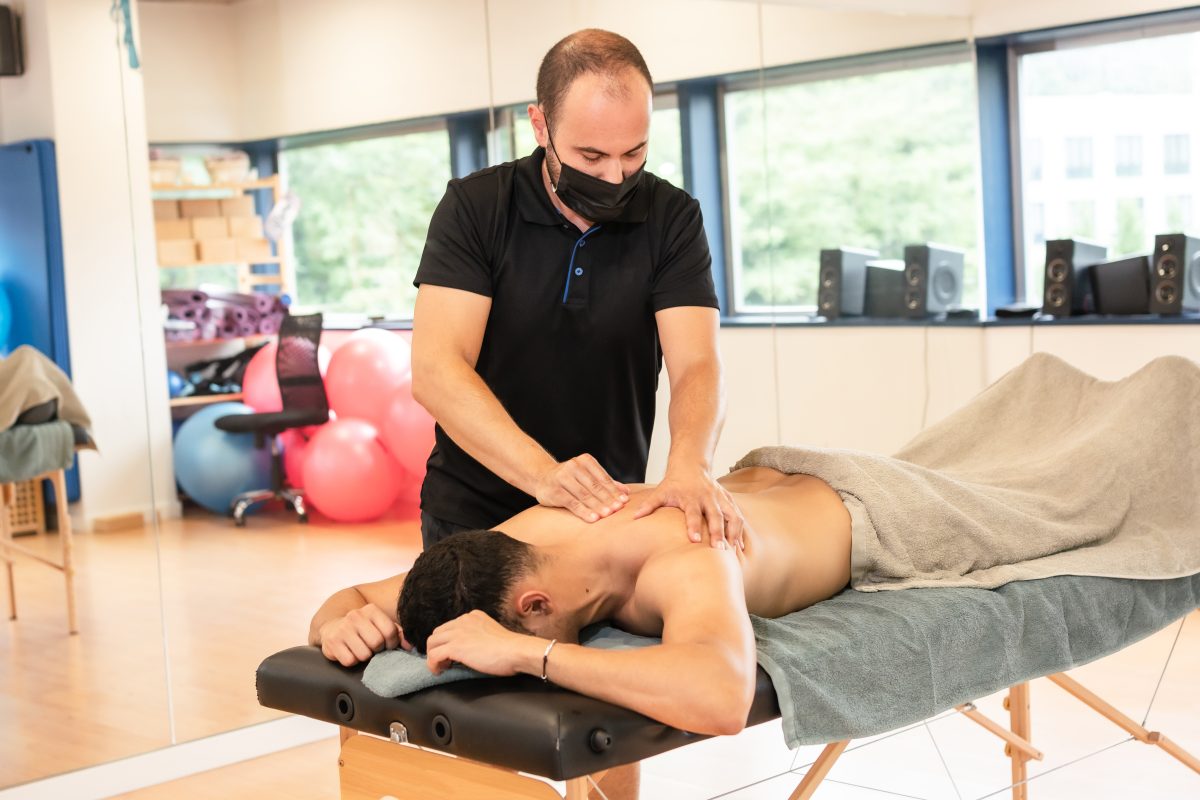
4. Importance of rest and recovery
In addition to promoting muscular growth and general health, rest and recuperation are essential for avoiding burnout and injuries. Include rest days in your schedule to give your body time to mend and rebuild [4].
Listen to your body and rest more if you feel overly fatigued or sore. Make sleep a priority. Aim for 7-9 hours of quality sleep each night to improve muscle repair and refresh your body.
Proper rest ensures sustained progress, reduces the risk of injury, and keeps you energized for future workouts, making it a vital component of any effective exercise plan.
5. Monitor your progress
Monitoring progress helps you stay motivated and adjust your exercise plan. Keep a workout journal to record exercises, weights, sets, reps, and duration.
Use fitness apps to track your workouts, monitor progress, and gain insights. Assess your progress regularly every few weeks to see what’s working and what needs adjustment.
Celebrate small milestones to stay motivated and committed to your goals. Monitoring your progress ensures you stay on track and continue to improve, helping you achieve your fitness and weight loss goals more effectively.
Sample weekly plan
A well-rounded weekly exercise plan balances various workouts to ensure comprehensive fitness and effective weight loss. Here’s a sample plan:
- Monday: Cardio – Go for a 30-minute run or cycling session. These activities boost cardiovascular health and burn calories efficiently.
- Tuesday: Strength training – Concentrate on weightlifting, using movements like squats, deadlifts, and bench presses to target major muscular areas.
- Wednesday: HIIT – Perform a high-intensity interval training session, such as sprint intervals or circuit training, for 20-30 minutes [5].
- Thursday: Flexibility and balance – Attend a yoga or Pilates class to improve flexibility, balance, and mental well-being.
- Friday: Cardio – Swim for 30 minutes or jump rope to get your heart rate up and burn calories.
- Saturday: Strength training – Use bodyweight exercises like push-ups, pull-ups, and lunges to build strength and muscle tone.
- Sunday: Rest or light activity – To aid in your body’s healing, give yourself a day off or do mild exercises like walking or moderate stretching.
This balanced approach ensures you work on all aspects of fitness, helping you achieve your weight loss and health goals effectively. Adjust the plan as needed to fit your fitness level and preferences.
Maximize weight loss with insights on exercise effect on weight with Longevity.Technology Epigenetic & DNA Test
Understanding how your body responds to exercise can significantly impact your weight loss journey.
The Longevity.Technology Epigenetic & DNA Test offers personalized insights that help you optimize your workout routine and dietary habits based on your genetic makeup. The following example shows what you can expect from the test. This sample is illustrative and may differ from your personal results:
| DNA results | Your genetic variants show that you have a normal outcome. |
| Recommendations | This means combining diet and physical activity/exercise is the best way to control weight and lose fat. This is the most common outcome, and even those with beneficial exercise variants must consider diet, but only to a lesser extent. We recommend that you look into your diet to truly understand your weight. However, exercise has multiple other benefits, which does not mean you should neglect it. |
With insights from the Longevity.Technology Epigenetic & DNA Test, you can fine-tune your approach to weight loss. Here’s how:
- Balanced exercise approach: With a normal outcome, a balanced routine that includes both cardio and strength training is essential. This combination helps burn calories, build muscle, and boost metabolism.
- Consistency: Regular exercise, at least 150 minutes of moderate-intensity cardio and two to three strength training sessions per week, supports sustained weight loss.
- Dietary adjustments: Your genetic insights suggest that diet plays a crucial role in weight management. Adopt a balanced diet rich in protein, healthy fats, and complex carbohydrates to fuel your workouts and promote fat loss.
- Monitor intake: Keep track of your caloric intake to ensure you’re not consuming more than you’re burning. Tools like food diaries or nutrition apps can be helpful.
Combining the insights from the Longevity.Technology Epigenetic & DNA Test with a consistent exercise routine and mindful eating can significantly enhance your weight loss efforts. This tailored approach ensures that you’re following a generic plan that aligns with your genetic predispositions.
Closing thoughts
Achieving weight loss through exercise requires a strategic approach. Combining different types of exercises—cardio, strength training, HIIT, and flexibility—ensures a balanced routine that maximizes results.
Setting realistic goals using the SMART criteria helps maintain focus and motivation, while the progressive overload principle keeps you progressing steadily. Start implementing these strategies today and see how they transform your weight loss efforts.
Ready to maximize your weight loss and enhance your overall health? Get the Longevity.Technology Epigenetic & DNA Test for personalized insights, optimize your exercise routine, and achieve your wellness goals today!
FAQs
What is the best type of exercise for weight loss?
A combination of cardio, strength training, and HIIT works best. This mix ensures you burn calories, build muscle, and boost your metabolism.
How can I stay motivated to work out regularly?
Set clear, achievable goals and track your progress. Find activities you enjoy and vary your routine to keep things interesting.
Is diet more important than exercise for weight loss?
Both diet and exercise are crucial for weight loss. Combining a balanced diet with regular exercise yields the best results.
Can I lose weight with just strength training?
Strength training helps build muscle, which boosts metabolism and aids in weight loss. Combining it with cardio exercises enhances overall results.
[1] https://www.healthline.com/health/exercise-and-weight-loss
[2] https://www.betterhealth.vic.gov.au/health/healthyliving/resistance-training-health-benefits
[3] https://www.circuit31fitness.com/the-importance-of-setting-realistic-fitness-goals/
[4] https://www.healthline.com/health/exercise-fitness/rest-day
[5] https://www.medicalnewstoday.com/articles/327474

