
Longevity.Technology System users:
To check your injury risk:
- Download the LT System app on your Android or Apple smartphone.
- Open LT System app and select ‘DNA Results’
- Under ‘Physical,’ scroll down and find ‘Injury Risk’
- Now, scroll down to find your results and recommendations.
Not a user yet?
That’s OK, you can sign-up for your Epigenetic & DNA test here.
Statistics reveal that injury rates increase with age. Over 30% of individuals aged 65 and older experience falls annually, with half of these falls being recurrent [1].
Approximately one in ten falls lead to serious injuries, including hip fractures, other bone fractures, subdural hematomas, or traumatic brain injuries. This highlights the importance of understanding how age influences injury risk and what steps can be taken to mitigate these risks.
Preventing injuries is possible with the right approach. Frequent physical activity, such as flexibility and strength training, is essential.
A diet high in calcium and vitamin D promotes bone health, while a diet low in inflammation can help ease stiffness and chronic pain. Regular health check-ups and screenings allow early detection of issues that may increase injury risk.
For a personalized approach, you may consider using the Longevity.Technology Epigenetic & DNA Test. This test offers insights into your genetic predispositions and can guide you in making informed decisions about your health.
What are the 5 factors that increase the risk of injury?
Our bodies change as we age, making accidents more likely. Understanding these elements is key to maintaining an active and healthy lifestyle. Let’s explore the key contributors to increased injury risk with age and offer insights on managing them effectively.
1. Biological and physical changes
Aging brings significant biological and physical changes that increase injury risk. Muscle mass and strength decline, a condition known as sarcopenia, reduces mobility and balance, making falls more likely [2].
Bone density also decreases, leading to osteoporosis and making bones more prone to fractures, even with minor impacts. Additionally, joints and ligaments lose flexibility and elasticity, resulting in stiffness and a reduced range of motion.
These changes make movements more cumbersome and increase the likelihood of strains and sprains. Understanding these changes helps in taking proactive steps, such as regular exercise and proper nutrition, to maintain strength and flexibility, thereby reducing injury risk.
2. Lifestyle and activity level changes
Lifestyle changes and reduced activity levels significantly impact injury risk as we age. Many older adults become less active, leading to weakened muscles, poor balance, and decreased overall fitness, making injuries more likely.
Conversely, some may overexert themselves in physical activities without proper conditioning, leading to injuries from overuse. Skipping warm-up and cool-down routines also contributes to muscle strains and other injuries, as the body isn’t adequately prepared for activity.
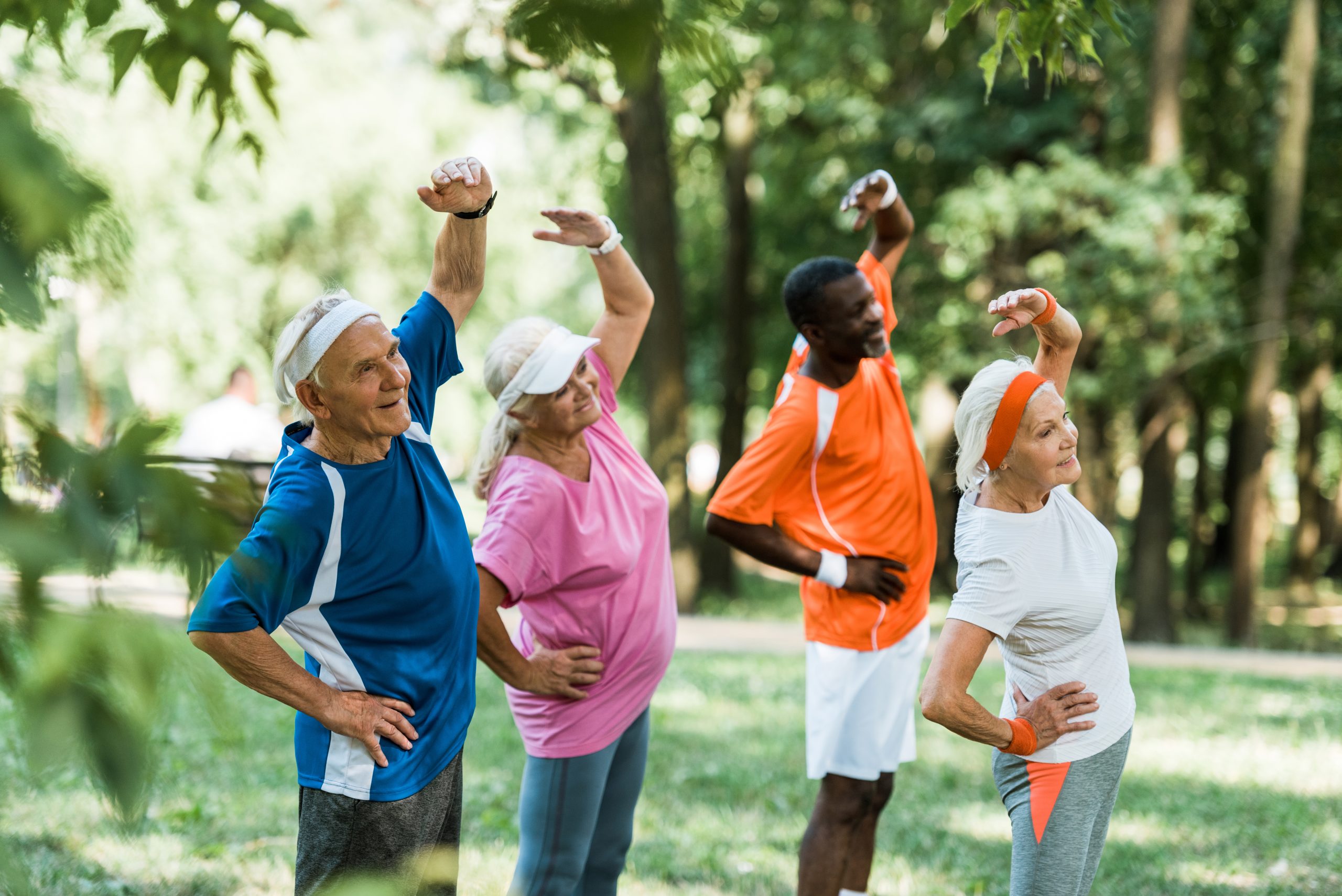
Adopting a balanced exercise routine that includes strength training, flexibility exercises, and proper warm-ups and cool-downs can help maintain physical fitness and reduce the risk of injuries. Staying active and mindful of your activity level is key to preventing age-related injuries.
3. Comorbidities and chronic conditions
Chronic conditions and comorbidities common in older adults can significantly increase the risk of injuries:
- Osteoporosis: Weakens bones, making fractures more likely.
- Arthritis: Causes joint pain and stiffness, limiting mobility and increasing the risk of falls.
- Diabetes: Can lead to neuropathy (nerve damage), especially in the feet, reducing sensation and making unnoticed injuries more likely.
- Cardiovascular disease: Poor circulation and heart disease can decrease stamina and cause dizziness, raising the risk of falls and other injuries [3].
Managing these conditions through regular medical check-ups, medication, and lifestyle adjustments can help mitigate their impact and reduce injury risk.
4. Environmental factors
Environmental factors in your living space can significantly increase the risk of injury as you age. Poor lighting can cause trips and falls, especially in staircases and hallways.
Cluttered living spaces, loose rugs, and uneven flooring create tripping hazards. With their slippery surfaces, bathrooms pose a high risk for falls without proper safety measures like grab bars and non-slip mats.
Ensuring a safe home environment by decluttering, improving lighting, and adding safety features in key areas can greatly reduce the risk of injury. Regularly assessing and modifying your living space to address potential hazards is essential for maintaining safety and preventing injuries.
5. Medication side effects
Medications that cause dizziness or drowsiness can impair balance and coordination, leading to falls.
Blood thinners, such as anticoagulants, increase bleeding risk, making even minor injuries more serious. Pain medications and sedatives can affect alertness and reaction time, further increasing the likelihood of accidents.
It’s important to regularly review your medications with your healthcare provider to understand their side effects and discuss safer alternatives if necessary. Being aware of how your medications affect you and mitigating risks can help prevent injuries and maintain your overall well-being.
How can you reduce your risk of injury?
Reducing injury risk, especially as we age, involves a combination of regular exercise, a nutritious diet, and mindful daily habits [4]. Here are several practical preventive measures to help maintain a healthy and active lifestyle.
Regular exercise
Regular exercise is essential for maintaining strength, balance, and overall physical fitness, especially as we age. Here are key components to include in your routine:
| Exercise type | Benefits | Examples | Frequency |
|---|---|---|---|
| Strength training | Builds muscle mass, improves bone density | Weight lifting, bodyweight exercises | 2-3 times a week |
| Flexibility exercises | Enhances joint mobility, prevents stiffness | Yoga, stretching routines | Regularly, ideally daily |
| Balance training | Reduces risk of falls, especially important for older adults | Standing on one leg, using a balance board | Regularly, ideally daily |
| Cardiovascular activities | Boosts heart health, improves overall endurance | Walking, swimming, cycling | Regularly, ideally daily |
A well-rounded exercise routine strengthens your body, improves mental health, reduces stress, and enhances overall quality of life. Remember to warm up before and cool down after your workouts to prevent injuries and maximize benefits.
Nutrition and bone health
Maintaining good nutrition is crucial for bone health and overall vitality. Here are key dietary tips to support your bones:
- Calcium: Essential for bone strength. Increase your intake of foods high in calcium, such as dairy, leafy greens, almonds, and nutrient-fortified cereals.
- Vitamin D: Helps the body absorb calcium. Get vitamin D from sunlight exposure and foods such as fatty fish, egg yolks, and fortified milk.
- Anti-inflammatory diet: Reduces chronic inflammation that can weaken bones. Focus on fruits, vegetables, whole grains, nuts, and fatty fish.
- Protein: Supports muscle and bone health. Include lean meats, fish, beans, and legumes in your meals.
- Hydration: Essential for maintaining muscle function and joint health. Drink plenty of water throughout the day.
Balancing these nutrients in your diet helps maintain strong bones and reduces the risk of fractures. Regularly consuming these foods and a healthy lifestyle can significantly improve bone health and overall well-being.
Regular health check-ups and screenings
Regular health check-ups and screenings play a vital role in preventing injuries and maintaining overall health. Here are essential check-ups to consider:
- Bone density tests: Detects osteoporosis early, especially important for older adults. Regular screenings can help manage bone health and prevent fractures.
- Vision and hearing checks: Reduced hearing or vision might make falls and accidents more likely. Regular eye and ear exams ensure any issues are addressed promptly.
- Chronic condition management: Regular monitoring of conditions like diabetes, arthritis, and hypertension helps prevent complications that might lead to injuries [5].
- Routine physical exams: Comprehensive examinations with your physician might spot possible health problems before they worsen. These exams often include blood pressure, cholesterol, and glucose level checks.
Staying proactive with these health screenings allows for early detection and management of potential risks. Regular check-ups ensure you stay informed about your health status, helping you make informed decisions to maintain your well-being and reduce injury risk.
Epigenetic test
The Longevity.Technology Epigenetic & DNA Test offers a personalized approach to understanding and improving your health. This test analyzes your genetic profile to provide tailored insights into various aspects of your health, including your risk of injury.
- Personalized health insights: Discover your genetic predispositions to certain health conditions and how they may impact your injury risk.
- Tailored recommendations: Based on your unique genetic makeup, you will receive specific advice on diet, exercise, and lifestyle adjustments.
- Proactive health management: Identify potential health risks early and take preventive measures to mitigate them.
- Injury prevention: Gain insights into your body’s strengths and weaknesses, which will help you create a personalized plan to reduce injury risk.
How it works:
- A little sample of saliva is taken and sent to the laboratory.
- The sample is analyzed to uncover your genetic markers and epigenetic modifications.
- Get a thorough report with suggestions and insights you can implement.
Practical daily habits
Adopting practical daily habits can significantly reduce injury risk and enhance overall health. Here are some key habits to incorporate into your routine:
- Wear shoes with good support and non-slip soles to prevent falls and injuries [6].
- Keep your living space free of tripping hazards like loose rugs or clutter. Install grab bars in the restrooms and ensure your house is well-lit.
- Be aware of your body’s limits. Avoid overexertion and listen to your body’s signals to prevent strain and injury.
- Before beginning any physical exercise, always warm up and subsequently cool down. This lowers the chance of injury and helps prepare your muscles and joints for exercise.
Integrating these practices into your daily routine promotes a healthier and safer lifestyle, reducing the likelihood of accidents and improving overall well-being.

Reduce your injury risk as you age with Longevity.Technology Epigenetic & DNA Test
Aging increases the risk of injuries due to various biological, physical, and lifestyle factors. Understanding your genetic predispositions can help you take proactive steps to minimize these risks.
The Longevity.Technology Epigenetic & DNA Test provides personalized insights and recommendations to optimize your health and reduce injury risk. Here’s an illustrative example to show what you can expect from the test when you check your injury risk:
DNA results
Genetically, you have a normal risk for injury, and your flexibility may be slightly improved.
Recommendations
- Monitor for overuse injuries: Although your injury risk is normal, overuse injuries can still occur. Watch for signs such as trouble sleeping, increased anxiety, sweating, higher resting heart rate, restless limbs, depression, decreased performance, more frequent colds, and menstrual dysfunction in females.
- Exercise intensity: Reduce the intensity of exercise before musculoskeletal injuries occur. If you suspect a ligament/tendon sprain or muscle pull, immediately implement the PRICE protocol (Protection, Rest, Ice, Compression, Elevation).
- Nutrition for collagen health: Incorporate vitamin C-rich foods like citrus fruits and leafy greens. Additionally, consuming collagen-boosting nutrients such as amino acids from protein-rich foods like fish, chicken, and beans can enhance your skin’s elasticity and overall vitality.
- Reduce pro-inflammatory foods: Avoiding pro-inflammatory foods like processed meats, refined sugars, and trans fats can help preserve essential micronutrients that support collagen production.
- Stay hydrated and warm up: Proper hydration and a good warm-up routine are key to preventing injuries. These practices help prepare your muscles and joints for physical activity.
- Tailored rehabilitation: Your genetic profile suggests a quicker return to play from injury, especially with correct nutrition and potentially more aggressive rehab.
Taking these personalized recommendations into account can significantly reduce your risk of injury and support your overall health.
In closing
Maintaining your health and reducing injury risk as you age involves understanding the various factors and taking proactive steps to address them.
From biological changes like muscle mass decline and reduced bone density to lifestyle factors such as sedentary behavior and overexertion, staying informed is the first step toward prevention. Taking these steps helps you stay active, healthy, and injury-free as you age.
Ready to reduce your risk of injury and maintain an active, healthy lifestyle? Get the Longevity.Technology Epigenetic & DNA Test to receive personalized insights, enhance your preventative measures, and achieve your health and safety goals today!
FAQs
Why does injury risk increase with age?
Muscle mass and bone density decline with age, leading to weaker physical structures. Additionally, joints and ligaments lose flexibility, increasing the likelihood of strains and falls.
What are common injuries for older adults?
Common injuries include fractures, especially in the hip, wrist, and spine. Falls and joint injuries like sprains are also prevalent.
What types of exercises are best for older adults?
Strength training, flexibility exercises, balance training, and cardiovascular activities are beneficial. These improve muscle mass, joint mobility, and overall fitness.
How does osteoporosis affect injury risk?
Osteoporosis weakens bones, making them more prone to fractures, even with minor falls or impacts. Regular bone density tests can help detect and manage this condition.
[1] https://www.ncbi.nlm.nih.gov/pmc/articles/PMC3468115/
[2] https://www.ncbi.nlm.nih.gov/pmc/articles/PMC8775372/
[3] https://www.ahajournals.org/doi/10.1161/HCQ.0000000000000108
[4] https://www.ncbi.nlm.nih.gov/books/NBK201497/
[5] https://www.ncbi.nlm.nih.gov/pmc/articles/PMC5953551/
[6] https://preventfalls.ca/older-adults/footwear/

