
Human Longevity pledges $1 million for advanced treatment for any Executive Health Program member who develops late-stage prostate cancer.
In an unprecedented move, precision medicine provider Human Longevity, Inc. (HLI) has effectively guaranteed its Executive Health Program members that it will prevent them from developing late stage prostate cancer. Such is the company’s belief in its preventive approach, it has announced it is committing $1 million for advanced treatment of any member diagnosed with stage four of the disease or higher while under its care.
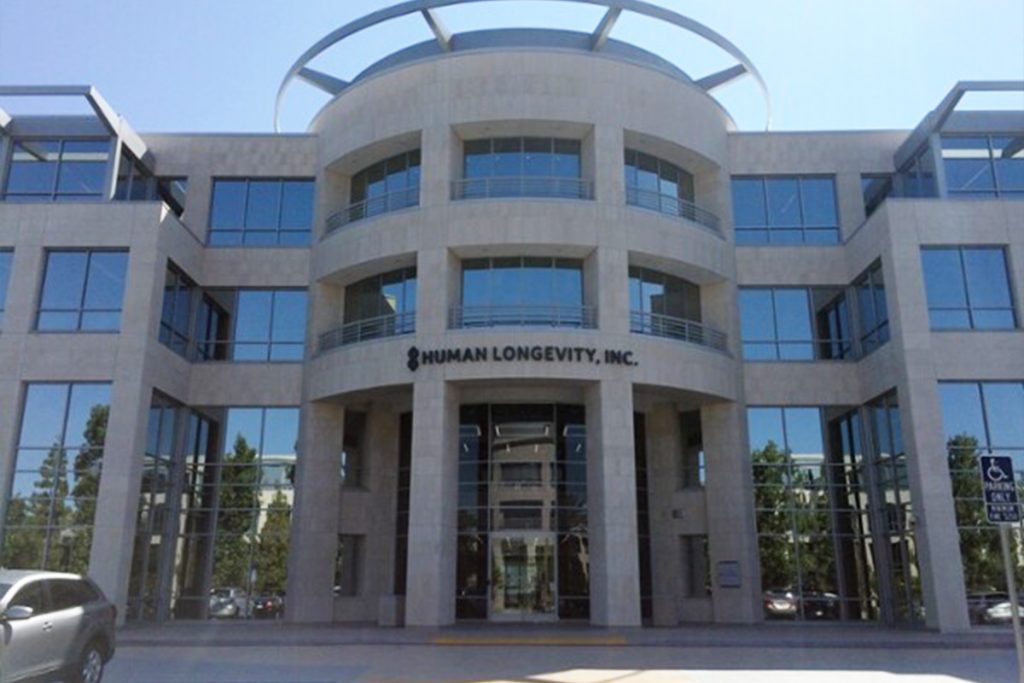
Founded in 2013 by genomics pioneer Dr J Craig Venter, San Francisco-based Human Longevity Inc. (HLI) aims to extend human health and performance beyond the traditional focus on treating illness. By continuously analyzing health data from its clients, HLI seeks to identify potential health risks – such as prostate cancer – early, enabling targeted interventions to extend both healthspan and lifespan.
Leveraging data collected from more than 5,000 men over the past decade, HLI claims it has developed what it believes to be the most advanced algorithm for early prostate cancer detection. As preventive medicine continues to demonstrate its capacity to mitigate previously life-threatening conditions, will we see commitments of this nature emerging for more diseases?
Longevity.Technology: While the $1 million pledge makes for a good headline, it’s clear that HLI doesn’t expect to have to deliver on its commitment. The real story is that a combination of advances in early detection and intervention means that no one should have to develop late-stage prostate cancer today. And yet, hundreds of thousands of people around the world still die from it every year, including Formula 1 legend Eddie Jordan who sadly passed away last week. So how can HLI’s approach be democratized? To learn more, we sat down with the company’s chairman Dr Wei-Wu He.
In 1993, Milken Institute founder Mike Milken was diagnosed with prostate cancer and given just 18 months to live. Refusing to simply lie down and take the news at face value, Milken dedicated his time and millions of dollars accessing the most cutting-edge approaches to treating the disease. Today, more than 30 years later, his cancer is still in remission and he remains one of the shining examples that the disease can be beaten.
Using Milken’s success as an example, Dr He says HLI’s commitment aims to ensure that its members also benefit from the latest developments in prostate cancer treatment, should they ever need it.
Early detection is key
The chances of being diagnosed with late stage prostate cancer while under the care of HLI are slim. Having worked on prostate cancer for the past 40 years, He has presided over significant progress in its diagnosis and treatment.

“Today, prostate cancer discovered at an early stage (stage zero or one) is almost 100% curable,” he says. “But when you discover prostate cancer at a stage four, the five year survival rate is still only about 30%, so, obviously, the key is to detect it as early as possible.”
The prostate-specific antigen test, widely used to aid prostate cancer diagnosis, measures the amount of PSA protein produced by the prostate gland, but is far from perfect.
“The holy grail is to discover a curable cancer at as early stage as humanly possible, with 100% sensitivity and 100% specificity, but PSA is nowhere near that,” says He, explaining that PSA tests have a low positive predictive value, meaning that a positive test result may not necessarily indicate cancer, and could lead to unnecessary biopsies and patient anxiety. “The only way to increase the sensitivity and specificity is to take more variables into account, and that’s what we do at HLI.”
‘We want to do this for all cancers’
So, what are the variables that HLI factors in to its prostate cancer algorithm? For a start, all its members undergo whole-genome sequencing – allowing them to be classified into a specific genetic risk category for prostate cancer.
“There are 50 or 60 genes involved in prostate cancer risk, including the well-known BRCA1 and BRCA2 gene mutations, which means your lifelong risk of getting the disease is much higher than the average population,” says He. “We also analyze your blood markers regularly – which includes your PSA levels. The important point here is doing the test longitudinally – everybody’s PSA level is different, so if it never changes, your prostate is probably fine. What we really want to know is when it changes, which may signal that something is wrong.”
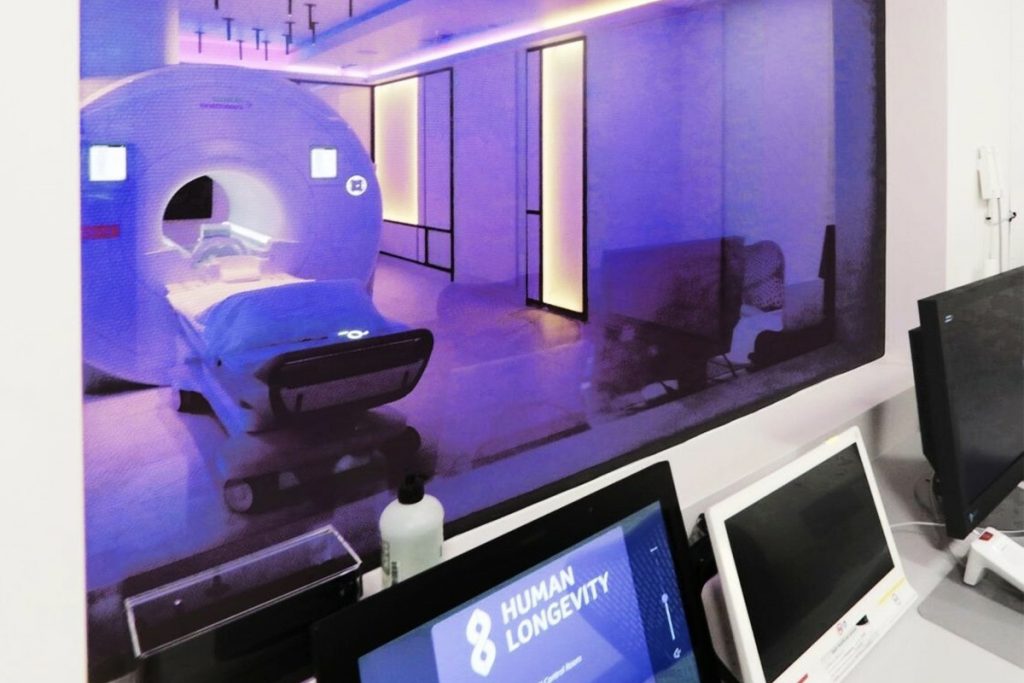
Another key element of HLI’s diagnostic approach is imaging – particularly whole-body MRI.
“Imaging technology is getting better all the time, and we use special techniques, including restriction spectrum imaging, which can see prostate cancer extremely early,” says He. “So because we do all these things – genetics, longitudinal blood work, and imaging – then we increase our algorithm’s sensitivity and we increase our positive predictive value dramatically.”
The company’s approach has been successful, with only one prostate cancer death among 5,000 members over 10 years, and that patient arrived with already late-stage cancer.
“Based on 10 years of data and a combination of early detection and intervention, we’re confident that nobody should get late stage prostate cancer anymore,” says He. “And we’re serious about it, so that’s why I’m committing a million dollars to giving our members the best possible treatment, in case we somehow miss it.”
“We ultimately want to do this for all cancers. And, to be honest, I think we are already close to being able to do this for lung cancer, breast cancer, colon cancer and liver cancer as well.”
Longevity algorithm will drive democratization
Of course, this is all great news for HLI members, who pay between $7,500 and $19,000 per year for its services, but He says the company is also committed to bringing its benefits to as many people as possible.
“Yes, our approach is expensive today, but ultimately it will be democratized,” he says. “In the future, we want to take the whole HLI system and reduce it to under a thousand dollars, so anybody can have access to it. That’s our goal.”
Citing the $3 billion it cost for Venter and others to decode the first human genome, He says that every innovation follows a similar path, and HLI will be no different.
“Today you can sequence a genome for $100 – and it only took 25 years to come down to that,” he explains. “So what are we doing right now for $7,000 a year will eventually will come down to $500 a year. You better believe it, because I believe it.”
While He doesn’t believe there will ever be a single drug for human longevity, he believes that a longevity algorithm for each individual could one day hold the key to personalized healthcare for all.
“Mike Milken effectively spent millions of dollars becoming his own algorithm to cure his prostate cancer,” he says. “Everybody’s biology is very different, everyone’s disease risk is very different, so one day, I think there will be a longevity algorithm for every individual. And that’s how precision medicine will become truly democratized.”
He says the Human Longevity team is confident that personalized care can significantly prevent late-stage prostate cancer. “Through this new initiative, we are inviting our members to be a part of something bigger than just their individual journey. Together, we can make a profound difference in the fight against prostate cancer.”

