
Longevity.Technology System users:
To understand how a cholesterol LDL/HDL imbalance impacts your health and manage associated risks effectively:
- Download the LT System app on your Android or Apple smartphone.
- Open the LT System app and select ‘Health Insights.’
- Under ‘Heart Health,’ scroll down and find ‘Cholesterol LDL/HDL Imbalance.’
- Now, scroll down to find your results and recommendations.
Not a user yet?
That’s OK; you can sign up for your Epigenetic & DNA test here.
Imagine finding out that your cholesterol levels are off balance, with HDL (the “good” cholesterol) too low and LDL (the “bad” cholesterol) too high. Would you reconsider your daily habits if it meant better heart health?
As more people become aware of the impact of cholesterol on overall wellness, understanding how to naturally manage these levels becomes crucial.
HDL helps clear excess cholesterol from the bloodstream, lowering the risk of heart problems. Conversely, LDL can accumulate in arteries, increasing the likelihood of cardiovascular disease. What strategies can be employed if HDL levels are low while LDL levels are high?
What is good and bad about cholesterol?
Although it sometimes receives a poor rap, cholesterol is necessary for human health. This greasy, fat-like material is present in all cells and is essential for the synthesis of hormones, vitamin D, and digestive enzymes. However, not all cholesterol is created equal. The key lies in the balance between the good and the bad types.
Understanding cholesterol
It’s crucial for producing hormones, vitamin D, and bile acids that help digest fat. The liver produces cholesterol naturally but also from dietary sources, particularly animal products like meat, eggs, and dairy.
While essential for various bodily functions, maintaining balance is key to avoiding health issues, as excess cholesterol can lead to heart disease.
HDL vs. LDL: Key differences
Both HDL and LDL cholesterol are necessary for proper bodily function, their impacts on health are distinct. To keep a healthy balance, it is essential to recognize their distinctions.
| HDL (high-density lipoprotein) | LDL (low-density lipoprotein) |
|---|---|
| Commonly known as the “good” cholesterol [1]. | Known as the “bad” cholesterol. |
| Aids in the movement of cholesterol from the arteries to the liver for excretion. | Transports cholesterol to the arteries, where plaques may develop. |
| High levels of HDL are associated with a lower risk of heart disease. | High levels of LDL increase the risk of atherosclerosis, heart attacks, and strokes. |
Why balance matters
Balancing HDL and LDL cholesterol is crucial for heart health. Excessive LDL cholesterol raises the risk of heart disease and stroke by causing plaque to accumulate in the arteries. Conversely, high HDL levels help remove excess cholesterol from the bloodstream, reducing this risk.
An optimal balance between HDL and LDL supports healthy blood flow, prevents artery blockage, and lowers the chances of cardiovascular issues.
What is the best natural remedy for high cholesterol?
Improving cholesterol levels naturally involves a combination of dietary changes, lifestyle modifications, and possibly the use of supplements. These strategies can help raise HDL and lower LDL, contributing to overall heart health [2].
Dietary changes
Improving cholesterol levels can be significantly influenced by making thoughtful dietary choices. Here are some effective changes:
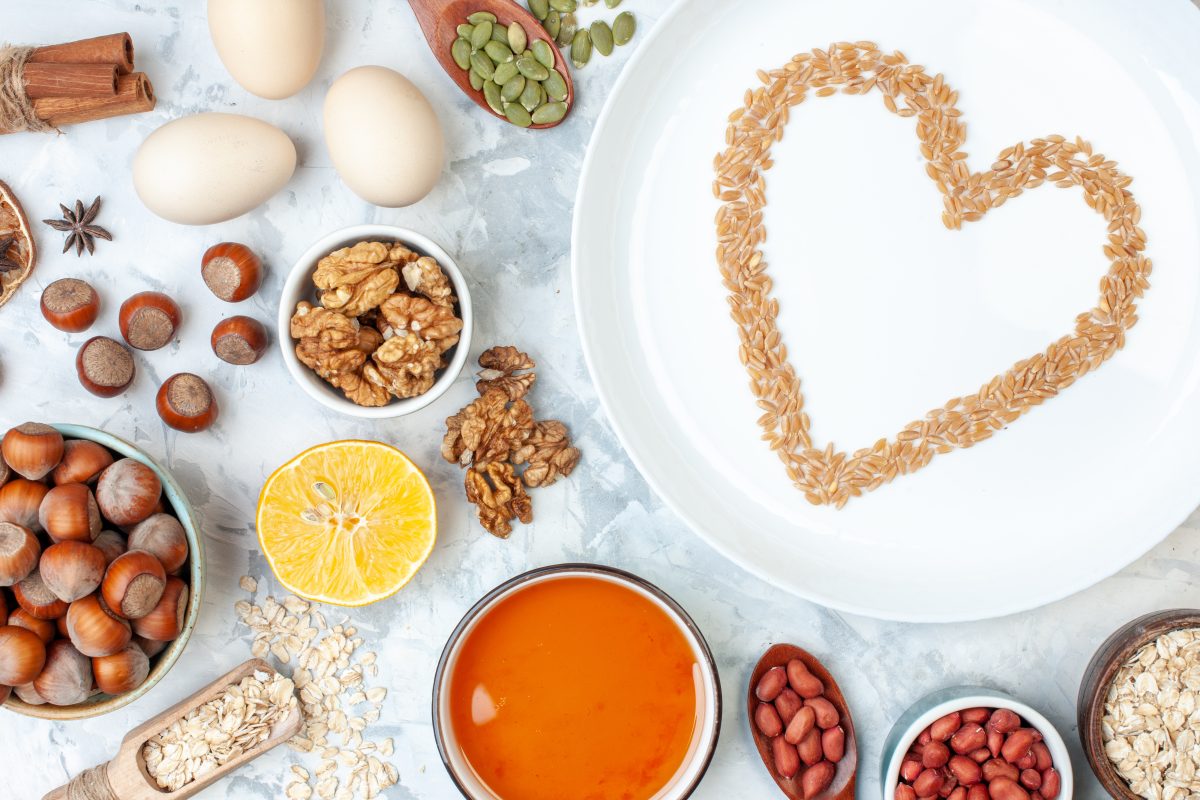
- Increase soluble fiber: Include foods like oats, beans, lentils, apples, and berries, which help reduce LDL cholesterol by removing it from the body.
- Choose healthy fats: Choose polyunsaturated fats like omega-3s from fatty fish (salmon, mackerel), flaxseeds, and walnuts over monounsaturated fats like those found in olive oil, avocados, and almonds.
- Eliminate trans fats: Avoid processed foods, baked goods, and margarines containing partially hydrogenated oils, which raise LDL and lower HDL cholesterol.
Lifestyle modifications
Adopting healthier lifestyle habits can greatly improve cholesterol levels and overall heart health. Key changes include:
- Regular exercise: To reduce LDL cholesterol and increase HDL cholesterol, spend at least half an hour most days of the week doing exercises like swimming, cycling, running, or brisk walking [3].
- Quit smoking: Stopping smoking can boost HDL cholesterol, improve circulation, and significantly reduce the risk of heart disease.
- Moderate alcohol consumption: If you do drink, limit your intake to one drink for women and two for men per day to potentially raise your HDL levels while lowering your risk of other health issues.
- Maintain a healthy weight: Achieving and maintaining a healthy weight helps lower LDL and triglycerides, while also raising HDL cholesterol. Cholesterol levels can be improved by even small weight loss.
Natural supplements and remedies
Incorporating natural supplements and remedies can support cholesterol management. Key options include:
- Omega-3 fatty acids: These help lower triglycerides and may raise HDL cholesterol. They also provide anti-inflammatory benefits, promoting heart health.
- Niacin: A B vitamin that can increase HDL cholesterol. However, because of possible adverse effects like flushing and liver problems, it should be used under medical care.
- Red yeast rice: Contains compounds similar to statins, which can lower LDL cholesterol. It’s a natural alternative to cholesterol-lowering medications but should be used with caution and under a healthcare provider’s guidance due to possible side effects and drug interactions.
How do you maintain healthy cholesterol levels?
Keeping track of your cholesterol levels is a vital step in maintaining heart health. It’s not just about knowing your numbers but also understanding what they mean and how to keep them in a healthy range.
Regular testing
Regular cholesterol testing is crucial for monitoring heart health and managing cholesterol levels effectively. Here’s what to consider:
Lipid panel components
- Total cholesterol: Provides an overall picture of cholesterol in the blood.
- HDL (high-density lipoprotein): The “good” cholesterol that helps clear excess cholesterol from the bloodstream.
- LDL (low-density lipoprotein): The “bad” cholesterol that can contribute to plaque buildup in arteries.
- Triglycerides: A type of fat in the blood, where high levels can increase the risk of heart disease [4].
Testing frequency
Adults should typically have their cholesterol checked every four to six years. Those with higher risk factors, such as a family history of heart disease or existing conditions like diabetes, may need more frequent testing.
Understanding results
With your healthcare practitioner, go over test results to determine your risk factors and any necessary changes to your lifestyle or medication regimen.
Regular testing helps identify potential issues early, allowing for timely interventions and better management of heart health.
Long-term maintenance
Maintaining healthy cholesterol levels requires ongoing commitment. Here are key strategies:
- Prioritize fruits, vegetables, whole grains, lean proteins, and healthy fats.
- Limit saturated and trans fats, and processed foods.
- To lower cholesterol, try to get in at least 150 minutes a week of moderate cardiovascular exercise, such as swimming or brisk walking.
Education and support
Staying informed and seeking support are vital for managing cholesterol levels. Here’s how:
- Follow the latest research and guidelines on cholesterol management to make informed decisions.
- Participate in local or online forums to learn from others going through similar struggles and to share experiences.
- Regular consultations with healthcare providers ensure personalized advice and monitoring.
Fix cholesterol imbalance with insights from Longevity.Technology Epigenetic & DNA Test
Struggling with cholesterol imbalance? The Longevity.Technology Epigenetic & DNA Test looks into your genetic predispositions and lifestyle factors, providing a detailed analysis of how they affect your HDL and LDL cholesterol.
- Personalized genetic insights: Uncover genetic markers that influence your cholesterol metabolism, including how your body processes fats and responds to dietary changes.
- Risk assessment: Understand your risk profile for cholesterol-related conditions, such as heart disease or metabolic syndrome, based on your genetic makeup and lifestyle factors.
- Lifestyle recommendations: Receive tailored advice on diet, exercise, and other lifestyle factors that can help optimize your cholesterol levels.
- Long-term monitoring: Use the test results as a baseline for tracking your cholesterol levels over time. This allows for ongoing adjustments and improvements in your lifestyle and diet.
Taking the Epigenetic & DNA Test is a proactive step towards better understanding your cholesterol profile and overall health.
In closing
Taking control of your cholesterol levels is more than just a medical necessity; it’s a proactive step toward a healthier life.
Understanding the balance between HDL and LDL, the importance of regular testing, and the impact of diet and lifestyle choices are all key elements in managing cholesterol effectively. Now is the time to put this knowledge into action!
Dealing with challenges related to a cholesterol LDL/HDL imbalance? The Longevity.Technology Epigenetic & DNA Test can pinpoint lifestyle factors affecting your cholesterol levels and offer personalized strategies to help you achieve and maintain a healthier balance.
FAQs
What are HDL and LDL cholesterol?
HDL (good cholesterol) helps remove cholesterol from the bloodstream, while LDL (bad cholesterol) can lead to plaque buildup in the arteries.
How often should I get my cholesterol checked?
Adults should get their cholesterol levels checked every four to six years. Those with risk factors may need more frequent testing.
What foods should I avoid to lower LDL cholesterol?
Limit foods high in saturated and trans fats, such as red meat and processed snacks. Opt for healthier fats found in olive oil and fatty fish.
How does exercise affect cholesterol levels?
Regular physical activity can raise HDL cholesterol and lower LDL cholesterol. It also helps manage weight and improve overall heart health.
[1] Clinical Research in Cardiology. HDL cholesterol: reappraisal of its clinical relevance.
[2] Uptodate. High Cholesterol Treatment Options.
[3] IDEA Health & Fitness Source. A Review of the Impact of Exercise on Cholesterol Levels.[4] National Institutes of Health. High Blood Triglycerides.

