
Glutathione, often dubbed the “master antioxidant,” plays a critical role in maintaining overall health by aiding in detoxification, enhancing immune function, and protecting cells from oxidative stress.
As awareness of its benefits grows, so does the debate on the most effective way to increase glutathione in the body: should you rely on supplements or focus on food sources?
A recent clinical study found that healthy volunteers who took 500 mg of oral glutathione twice daily for four weeks experienced no serious adverse effects [1], [2]. This finding suggests that glutathione supplements can be a safe and convenient option for boosting this vital antioxidant.
However, there’s also strong support for obtaining glutathione through dietary sources, which can provide additional nutrients and health benefits.
What are glutathione supplements?
Glutathione supplements are products designed to increase the levels of glutathione in the body.
Glutathione itself is a powerful antioxidant composed of three amino acids: cysteine, glutamate, and glycine [3]. It is crucial in protecting cells from oxidative damage, detoxifying harmful substances, supporting the immune system, and maintaining overall cellular health.
Types of glutathione supplements
- Liposomal glutathione: This form of glutathione is encased in lipid (fat) molecules, which enhances its absorption and bioavailability [4]. Liposomal technology helps protect glutathione from being broken down in the digestive tract, allowing more of it to reach your cells.
- Glutathione precursors: Supplements such as N-Acetylcysteine (NAC), glycine, and glutamate provide the building blocks your body needs to produce its own glutathione. These precursors are often used to support the body’s natural glutathione synthesis.
- Reduced glutathione: This is the active form of glutathione that is readily utilized by the body. It’s commonly found in various oral and injectable supplements and is known for its immediate antioxidant effects.
Pros of glutathione supplements
Adding glutathione supplements to your wellness regimen can provide various advantages, making them a favored option for improving your health and well-being.
- High bioavailability: Certain forms of glutathione, especially liposomal and reduced glutathione, are designed for optimal absorption, ensuring that your body gets the maximum benefit.
- Convenience and ease of use: Taking a supplement can be a quick and straightforward way to boost your glutathione levels, especially if you have a busy lifestyle.
- Targeted dosage: Supplements allow you to control and adjust the exact amount of glutathione you’re taking, which can be beneficial for addressing specific health concerns or deficiencies.
Cons of glutathione supplements
While glutathione supplements offer a convenient and effective way to boost your antioxidant levels, they have drawbacks:
- Cost: High-quality glutathione supplements can be expensive, especially if you’re taking them regularly.
- Potential side effects: Although rare, some individuals might experience mild side effects such as bloating or gastrointestinal discomfort when taking glutathione supplements.
- Quality and absorption issues: Not all glutathione supplements are created equal. The efficacy can vary greatly depending on the brand, formulation, and manufacturing practices.
Understanding the potential downsides of these supplements is crucial for making an informed decision about whether they are the right choice for you.
When selecting glutathione supplements, it’s crucial to opt for products from trusted brands and seek advice from a healthcare provider to find the most suitable form and dosage for your individual requirements.
What are the food sources of glutathione?
While glutathione supplements offer a targeted and convenient way to increase your antioxidant levels, many people prefer to rely on natural food sources. These foods not only boost glutathione but also provide a variety of other essential nutrients that contribute to overall health.
Let’s talk about the best foods for enhancing glutathione production and their benefits [5].
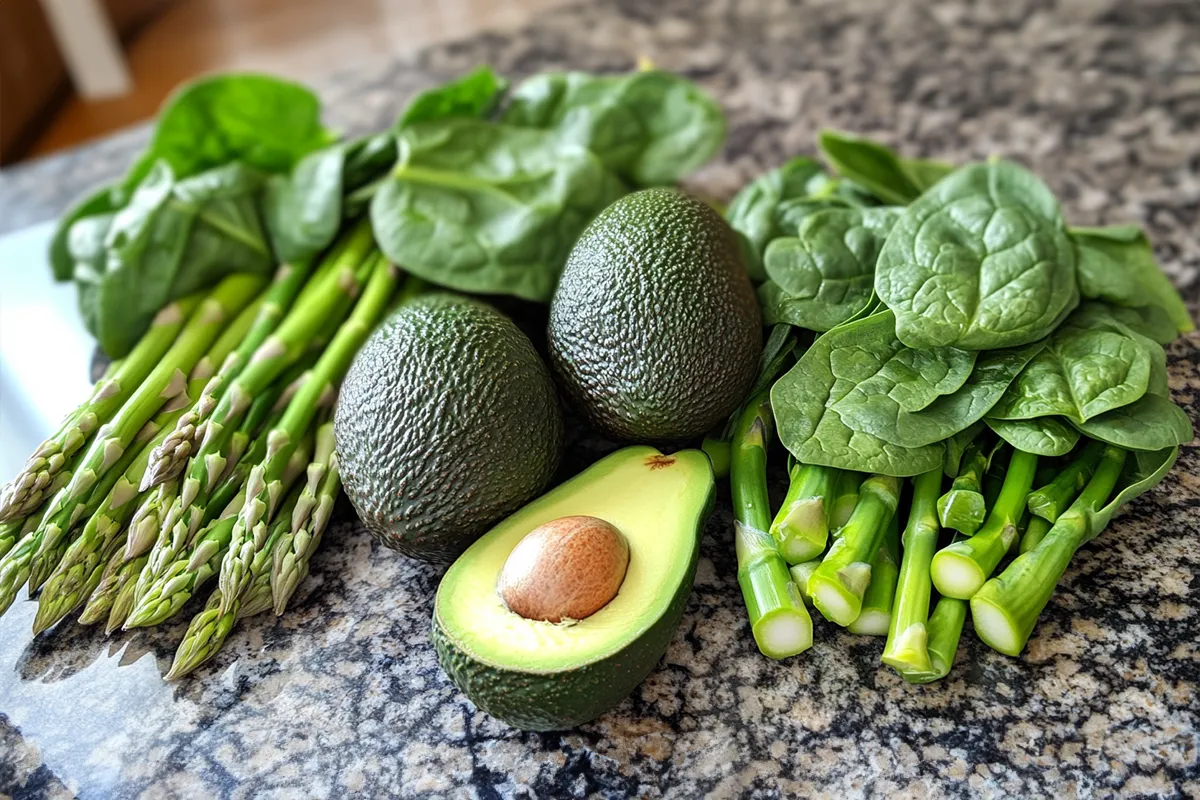
Foods rich in glutathione
| Food | Glutathione content (mg/100g) | Additional nutrients |
|---|---|---|
| Avocados | 27 | Healthy fats, fiber, vitamins C, E, K, B-vitamins, potassium |
| Spinach | 11 | Vitamins A, C, K, folate, iron, magnesium, calcium |
| Asparagus | 28 | Fiber, vitamins A, C, K, folate, potassium, antioxidants |
| Brocolli | 9 | Fiber, vitamins C, K, folate, potassium, sulforaphane, antioxidants |
| Garlic | 6 | Allicin, manganese, vitamin B6, vitamin C, selenium, fiber |
| Tomatoes | 6 | Vitamins C, K, potassium, folate, lycopene |
| Carrots | 6 | Beta-carotene, fiber, vitamins A, K, potassium |
| Peppers | 11 | Vitamins A, C, E, K, folate, potassium, antioxidants |
| Brussels sprouts | 12 | Fiber, vitamins C, K, folate, manganese, antioxidants |
| Cabbage | 3 | Fiber, vitamins C, K, folate, sulfur compounds |
Pros of getting glutathione from food
Choosing to boost your glutathione levels through food sources offers numerous advantages that extend beyond merely increasing this vital antioxidant:
- Natural and whole food benefits: Foods that contain or boost glutathione are also packed with other essential nutrients, such as vitamins, minerals, fiber, and phytonutrients. These additional nutrients work synergistically to support overall health and well-being.
- Additional nutrients and antioxidants: Whole foods provide a wide range of antioxidants and bioactive compounds that contribute to the body’s defense mechanisms against oxidative stress and inflammation.
- Lower risk of overconsumption: Obtaining glutathione from natural food sources reduces the risk of taking too much, which can sometimes be a concern with supplements. The body regulates the absorption and use of food nutrients more efficiently than supplements.
Cons of relying on food sources
While obtaining glutathione from natural food sources has many benefits, it also has limitations. Boosting glutathione levels solely through diet may not always be practical or effective.
- Variable glutathione levels: The glutathione content in foods can vary significantly based on factors such as soil quality, farming practices, and food preparation methods. This variability can make it challenging to obtain adequate amounts of glutathione from food alone consistently.
- Dietary restrictions and preferences: Individuals with certain dietary restrictions, allergies, or preferences may find it difficult to include a wide variety of glutathione-rich foods. This can limit their ability to boost glutathione levels naturally.
Analysis: Glutathione supplements vs. food sources
When deciding between glutathione supplements and food sources, various factors such as bioavailability, absorption rates, cost, and long-term health impacts must be considered.
This comparative analysis will help you understand each approach’s strengths and weaknesses, enabling you to make an informed choice.
Bioavailability: Supplements vs. food sources
Bioavailability refers to how well a nutrient is absorbed and utilized by the body. Glutathione supplements, especially liposomal and reduced forms, are designed for high bioavailability [6]. They are formulated to bypass digestive breakdown, allowing more glutathione to reach your cells.
On the other hand, the bioavailability of glutathione from food sources can be less predictable, as it depends on various factors such as food preparation and individual digestive efficiency.
Absorption rates and efficacy
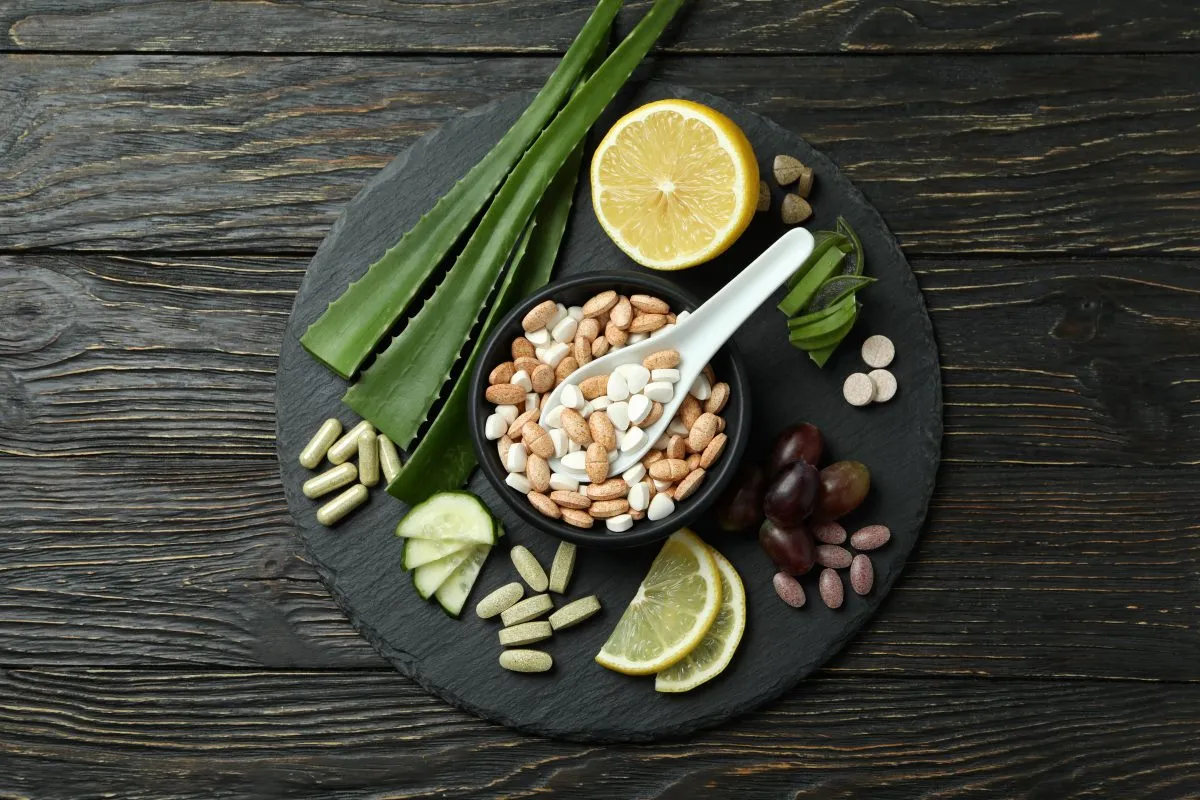
Glutathione supplements, especially those with enhanced delivery mechanisms, typically provide quicker and more reliable absorption, which can be advantageous for people with certain health issues or those needing a rapid increase in glutathione levels.
However, whole foods provide a range of nutrients and antioxidants that work synergistically, potentially enhancing overall health beyond just increasing glutathione levels.
Cost and affordability
Cost is a significant factor to consider. High-quality glutathione supplements can be expensive, especially when taken regularly. In contrast, obtaining glutathione from food sources can be more cost-effective, though it requires a well-planned diet to ensure adequate intake.
Long-term health impacts
Prolonged use of supplements requires monitoring for possible side effects and interactions with other medications or health conditions. Conversely, a diet abundant in glutathione-enhancing foods promotes overall health by providing extra nutrients and antioxidants, offering a more holistic approach.
We’ve compiled a comparative table to help you better understand the differences between glutathione supplements and food sources. This table highlights key aspects:
| Aspect | Glutathione supplements | Food sources |
|---|---|---|
| Bioavailability | High (especially liposomal and reduced forms) | Variable, depends on food preparation and digestion |
| Absorption rates | Fast and consistent | Slower, less predictable |
| Cost | Generally higher, ongoing expense | Generally lower, part of regular diet |
| Additional nutrients | Limited to the supplement formulation | Rich in vitamins, minerals, fiber, and antioxidants |
| Ease of use | Convenient, easy to control dosage | Requires dietary planning and variety |
| Long-term safety | Needs monitoring for side effects and interactions | Generally safe, promotes overall health |
Both glutathione supplements and food sources have their unique advantages and disadvantages.
Supplements are highly bioavailable and convenient, ideal for people with specific health requirements or those looking for a rapid increase. On the other hand, food sources offer a comprehensive approach, enhancing the diet with diverse nutrients that promote overall health.
Ultimately, the ideal choice varies based on your personal health objectives, lifestyle, and preferences. Seeking advice from a healthcare provider can help you identify the most appropriate way to boost your glutathione levels.
Final takeaways
Choosing between glutathione supplements and food sources ultimately depends on your individual health goals, lifestyle, and preferences.
Both approaches have their merits. For many, a balanced combination of glutathione supplements and a diet rich in glutathione-boosting foods may offer the best of both worlds.
FAQs
What’s the best source of glutathione?
Both glutathione supplements and sulfur-rich foods like broccoli and garlic are excellent sources.
Can you get enough glutathione from food?
Yes, a well-balanced diet with glutathione-rich and boosting foods can provide sufficient levels.
Are glutathione supplements effective?
Yes, glutathione supplements are effective, especially in forms designed for high absorption.
What is the most effective way to take glutathione?
Liposomal glutathione is considered the most effective due to its high bioavailability.
[1] https://www.ncbi.nlm.nih.gov/pmc/articles/PMC3162377/
[2] https://www.drugs.com/npp/glutathione.html
[3] https://www.nordic.com/healthy-science/benefits-of-glutathione-and-nac/
[4] https://coremedscience.com/blogs/wellness/glutathione-the-master-antioxidant
[5] https://biomprobiotics.com/food-with-the-highest-glutathione/
[6] https://www.emersonecologics.com/blog/post/the-truth-about-glutathione-absorption

