
Have you ever felt bloated, gassy, or had persistent abdominal pain? You’re not alone. In fact, two-thirds of Americans regularly experience these uncomfortable digestive symptoms, yet many choose not to consult their doctor about it [1].
A neglected gut can lead to discomfort, digestive issues, and even long-term health problems. But you can naturally cleanse and rejuvenate your gut by incorporating the right foods into your diet.
Maintaining a healthy gut is crucial for overall wellness, impacting everything from digestion to immunity and even mood.
What is the importance of gut health?
Your gut is more than just a part of your digestive system—it’s a powerhouse that significantly impacts your overall health.
Often referred to as the “second brain,” the gut is home to trillions of microorganisms that play a vital role in maintaining balance within your body [2]. But why exactly is gut health so important?
Digestion
Your gut breaks down the foods you eat and absorbs essential nutrients. When your gut is healthy, it efficiently processes food, ensuring that your body gets the vitamins, minerals, and energy it needs to function optimally.
Conversely, a compromised gut can lead to poor digestion, nutrient deficiencies, and uncomfortable symptoms like bloating, gas, and constipation.
Immune system
Beyond digestion, your gut health is closely linked to your immune system. Approximately 70% of your immune cells reside in your gut, making it a critical line of defense against pathogens [3].
A healthy gut helps to keep harmful bacteria and viruses at bay, reducing your risk of infections and illness. Research indicates that a well-balanced gut microbiome may boost immune function and decrease the likelihood of chronic conditions like diabetes and heart disease.
Gut-brain connection
Moreover, the gut-brain connection highlights another fascinating aspect of gut health. The gut-brain axis is a complex network of neurons, hormones, and chemicals that facilitates continuous communication between your gut and brain [4].
According to this connection, stress, anxiety, and depression symptoms can all be lessened by maintaining a healthy digestive system. Conversely, an imbalanced gut can contribute to mood disorders and cognitive issues.
Inflammation control
The importance of gut health extends to inflammation control as well. Chronic inflammation is at the root of many modern diseases, including arthritis, obesity, and even cancer.
A well-functioning gut helps to regulate inflammation by maintaining a healthy balance of gut bacteria and producing anti-inflammatory compounds.
With such a significant impact on various aspects of health, it’s clear that taking care of your gut is paramount. You can naturally cleanse and support this vital organ by incorporating gut-friendly foods into your diet.
What foods cleanse the gut?
When it comes to cleansing your gut naturally, certain foods stand out for supporting digestive health and maintaining a balanced microbiome.
Incorporating these gut-friendly foods into your diet can help your body remove toxins, improve digestion, and promote overall well-being. Let’s talk about the top 10 foods known to cleanse the gut:
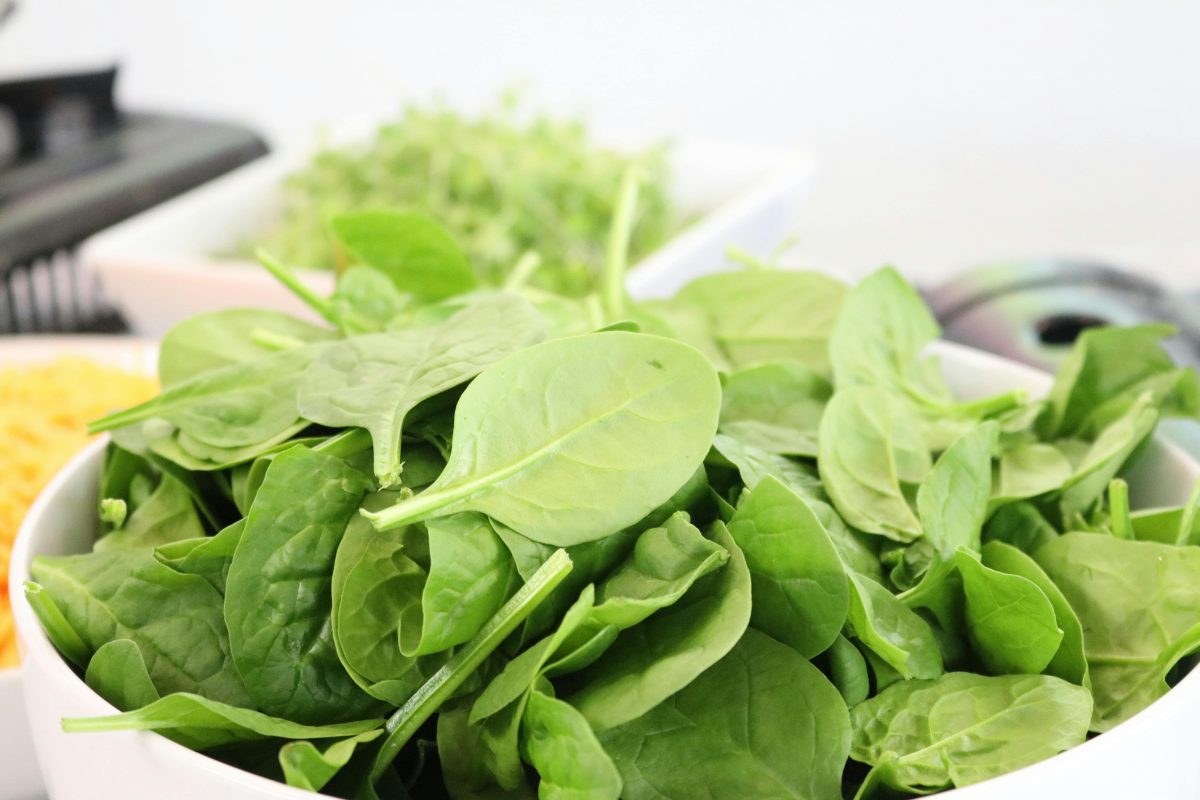
1. Spinach
Spinach is a nutrient-rich superfood that can significantly improve your digestive health. This leafy vegetable is filled with fiber, antioxidants, vitamins, and minerals, all vital in supporting a well-functioning digestive system.
| Component | Benefit | Impact on gut health |
|---|---|---|
| Fiber | Promotes regular bowel movements | Reduces constipation, improves digestion |
| Antioxidants | Protects gut cells from damage | Supports gut barrier integrity |
| Vitamins (A, C, K) | Supports immune function and overall health | Enhances gut lining health |
| Magnesium | Relaxes digestive tract muscles, aids in regularity | Reduces cramps and improves bowel movements |
| Folate | Supports cell growth and repair | Maintains healthy gut lining |
Spinach is versatile and can be easily added to various dishes. Here are some simple ways to include spinach in your meals:
- Salads: Add fresh spinach leaves to your salads for a nutrient boost.
- Smoothies: Blend spinach into your smoothies for extra vitamins and minerals.
- Soups: Stir spinach into soups towards the end of cooking to preserve nutrients.
- Stir-fries: Toss spinach into your stir-fries for a quick and healthy addition.
- Egg dishes: Add spinach to omelets, frittatas, or scrambled eggs for flavor and nutrition.
2. Sauerkraut
Sauerkraut, a fermented food made from cabbage, supports gut health [5]. Its rich probiotic content makes it an excellent choice for naturally cleansing the gut and maintaining a balanced microbiome.
| Component | Benefit | Impact on gut health |
|---|---|---|
| Probiotics | Supports the growth of healthy gut bacteria | Enhances the balance of the gut microbiome, improving digestion and immunity |
| Fiber | Aids in digestion and regular bowel movements | Aids in colon cleansing and encourages the formation of good bacteria |
| Vitamin C | Enhances immunity and has antioxidant properties | Supports overall health, reducing inflammation and supporting a healthy gut environment |
| Vitamin K | Essential for blood clotting and bone health | Indirectly supports gut health by maintaining overall bodily functions |
Incorporating sauerkraut into your diet is simple and versatile. Enjoy it as a side dish, add it to sandwiches, or mix it into salads for a tangy crunch.
Regular consumption of sauerkraut can help maintain a balanced gut microbiome, improve digestion, and boost your immune system. So, don’t hesitate to make this fermented delight a staple in your diet for optimal gut health.
3. Apples
Apples are nutritious and especially beneficial for gut health. They are rich in pectin, a type of soluble fiber that acts as a prebiotic [6], feeding the beneficial bacteria in your gut.
| Component | Benefit | Impact on gut health |
|---|---|---|
| Pectin | Acts as a prebiotic, aiding in the growth of beneficial bacteria | Enhances gut microbiome diversity and supports healthy digestion |
| Fiber | Promotes regular bowel movements and prevents constipation | Improves overall digestive function and maintains gut health |
| Antioxidants | Shields cells against harm caused by radicals | Reduces inflammation in the gut and supports a healthy gut lining |
By consuming apples regularly, you can boost your gut health naturally. Whether you enjoy them as a snack, add them to salads, or mix them into oatmeal, apples offer a delicious way to keep your digestive system in top shape.
4. Ginger
Ginger is widely recognized for its strong anti-inflammatory and digestive characteristics. This adaptable root has been employed for many years in traditional medicine to alleviate various digestive problems.
Incorporating ginger into your diet can help soothe your digestive tract, reduce bloating, and improve overall digestion.
| Component | Benefit | Impact on gut health |
|---|---|---|
| Gingerol | Anti-inflammatory | Reduces inflammation in the gut, alleviating discomfort and promoting a healthy digestive environment. |
| Shogaol | Anti-nausea | Helps to prevent nausea and vomiting, soothing the stomach and enhancing gut comfort. |
| Zingiberene | Digestive aid | Promotes healthy digestion and the absorption of nutrients by facilitating the effective breakdown of food. |
| Zingiberol | Antioxidant | Protects the gut lining from oxidative stress, supporting overall gut health. |
You can incorporate ginger into your diet through the following ideas:
- Teas: Brew fresh ginger tea by steeping sliced ginger in hot water. Add honey and lemon for extra flavor.
- Stir-fries: Add grated or chopped ginger to your stir-fries for a spicy kick and digestive boost.
- Smoothies: Blend a small piece of fresh ginger into your smoothies for added zest and health benefits.
- Soups: Incorporate ginger into soups and broths to enhance flavor and support digestion.
Regularly including ginger in your diet can harness its powerful benefits to naturally cleanse and soothe your gut, promoting better digestive health and overall well-being.
5. Garlic
Garlic stimulates the growth of good bacteria while suppressing the growth of dangerous ones, and it is well known for its antibacterial and prebiotic qualities. This makes it a necessary nutrient to keep your gut microbiota in balance.
| Component | Benefit | Impact on gut health |
|---|---|---|
| Allicin | Antimicrobial and antibacterial properties | Inhibits growth of harmful bacteria |
| Fructooligosaccharides (FOS) | Prebiotic fiber that feeds beneficial bacteria [7] | Promotes the growth of good bacteria in the gut |
| Sulfur compounds | Anti-inflammatory and antioxidant effects | Reduces inflammation and oxidative stress in the gut |
Adding garlic to your diet is easy and can enhance the flavor of many dishes while boosting your gut health. Here are a few ways to include garlic in your meals:
- Cooking: Use fresh garlic in stir-fries, soups, and sauces.
- Salads: Add raw garlic to salad dressings for an extra kick.
- Sauces: Blend garlic into marinades and dips for a flavorful twist.
- Infused oils: Make garlic-infused olive oil to drizzle over roasted vegetables or pasta.
6. Chia seeds
Chia seeds are packed with exceptionally beneficial nutrients for gut health. These seeds are a rich source of fiber, omega-3 fatty acids, and various essential minerals, making them a versatile addition to your diet.
| Component | Benefit | Impact on gut health |
|---|---|---|
| Allicin | Antimicrobial and antibacterial properties | Inhibits growth of harmful bacteria |
| Fructooligosaccharides (FOS) | Prebiotic fiber that feeds beneficial bacteria | Promotes the growth of good bacteria in the gut |
| Sulfur compounds | Anti-inflammatory and antioxidant effects | Reduces inflammation and oxidative stress in the gut |
Incorporate chia seeds into your diet by:
- Adding chia seeds to your yogurt for a crunchy texture and extra nutrients.
- Blending them into smoothies to boost your fiber intake.
- Using chia seeds in baking recipes, such as muffins or bread, to enhance their nutritional value.
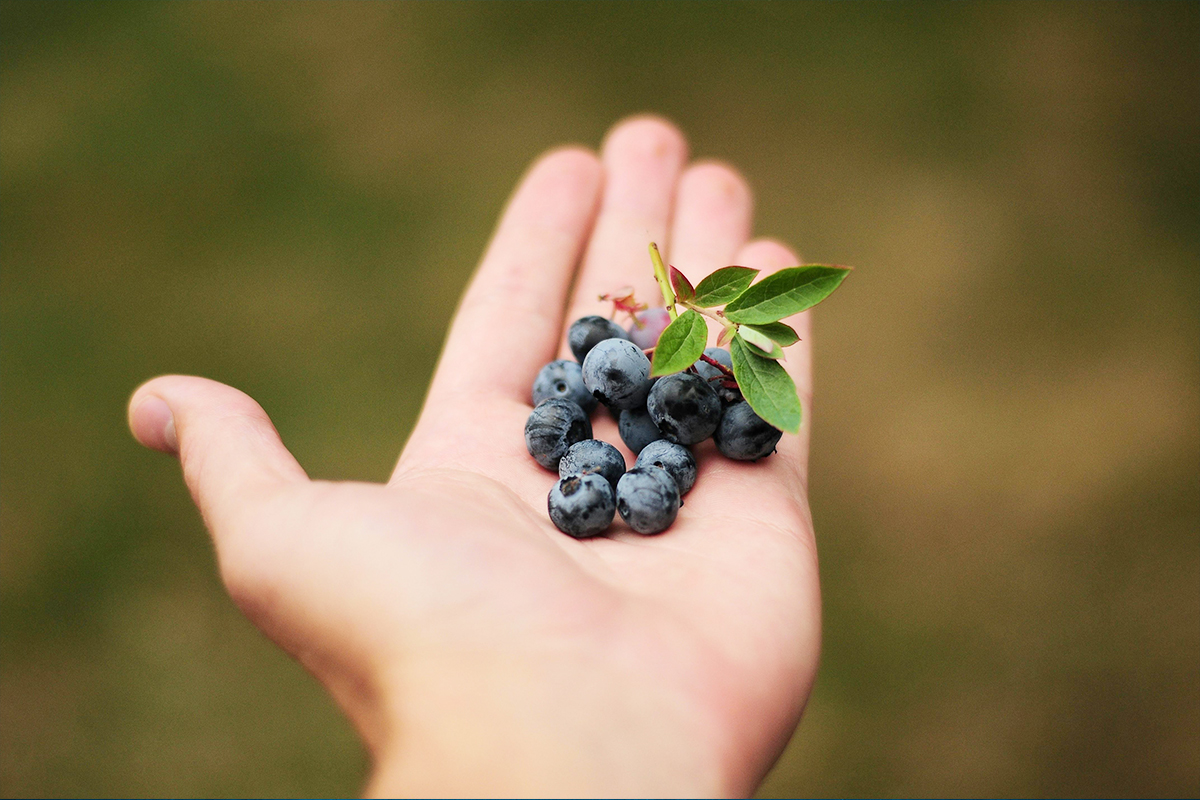
7. Blueberries
Superfood blueberries are great for your health, especially your digestive system. They are a great complement to a diet that is favorable to the gut because they are high in fiber, antioxidants, and important nutrients.
| Component | Benefit | Impact on gut health |
|---|---|---|
| Antioxidants | Protect cells from damage | Maintain a healthy gut barrier and reduce inflammation |
| Fiber | Promote regular bowel movements | Support digestion and prevent constipation |
| Polyphenols | Boost immune function and reduce inflammation | Act as prebiotics, feeding beneficial gut bacteria |
Whether you eat them as a snack, blend them into smoothies, or sprinkle them on your cereal, blueberries are a tasty and effective way to support a healthy gut.
8. Bone broth
Bone broth is a nourishing liquid made by simmering bones and connective tissues for an extended period [8]. This process extracts valuable nutrients that are beneficial for gut health.
Bone broth has been a staple in many traditional diets due to its rich composition of essential nutrients that support the digestive system.
| Component | Benefit | Impact on gut health |
|---|---|---|
| Collagen | Maintains the intestinal lining’s integrity | Helps reduce the symptoms of leaky gut by sealing and healing the gut lining. |
| Glutamine | An amino acid that aids in gut cell regeneration | Promotes the repair of the gut lining and reduces inflammation |
| Glycine | An amino acid that supports digestive function | Enhances the production of stomach acid, aiding digestion |
| Minerals (Calcium, magnesium, phosphorus) | Essential for overall health and bodily functions | Support various bodily functions, including the nervous system and muscle function, which indirectly benefits digestion |
You can incorporate bone broth into your diet in various ways:
- Soups and stews: Use bone broth as a base for nutritious and flavorful soups and stews.
- Warm beverage: Sip warm bone broth as a soothing and nourishing drink.
- Cooking liquid: Replace water with bone broth when cooking grains or vegetables to enhance flavor and nutrient content.
9. Green tea
Green tea is well known for its many health advantages, especially for improving gut health. This drink has a lot of polyphenols, which are substances that function as prebiotics, promoting the growth of good gut flora and improving digestive health in general.
| Component | Benefit | Impact on gut health |
|---|---|---|
| Polyphenols | Antioxidant and anti-inflammatory properties | Act as prebiotics, promoting the growth of good bacteria |
| Catechins | Enhance fat metabolism and reduce inflammation | Improve gut barrier function and reduce gut inflammation |
| L-theanine | Promotes relaxation and reduces stress | Helps maintain a healthy gut-brain axis |
| EGCG (Epigallocatechin gallate) | Potent antioxidant, supports immune function | Inhibits the growth of harmful bacteria while supporting beneficial bacteria [9] |
Incorporating green tea into your daily routine can be a simple yet effective way to enhance your gut health. Enjoy it as a warm beverage, iced tea, or even as an ingredient in smoothies to reap its numerous benefits.
10. Artichokes
Artichokes contain many nutrients that significantly benefit gut health. Rich in fiber and prebiotics, they play a crucial role in maintaining a healthy digestive system.
| Component | Benefit | Impact on gut health |
|---|---|---|
| Fiber | Encourages consistent bowel motions | Keeps the digestive system healthy overall and helps avoid constipation. |
| Inulin | Acts as a prebiotic | Feeds beneficial gut bacteria, promoting a balanced microbiome [10] |
| Antioxidants | Reduces inflammation | Protects the gut lining and reduces oxidative stress |
| Vitamin C | Boosts immune function | Supports a healthy gut by enhancing immune response |
| Magnesium | Supports muscle and nerve function | Aids in smooth muscle function in the digestive tract |
Incorporating artichokes into your meals can be easy and delicious. You can roast or steam them and add them to salads or enjoy them as a flavorful side dish. By doing so, you’ll take a significant step towards naturally cleansing your gut and supporting your digestive health.
Final takeaways
Maintaining the health of your digestive system is critical to your general wellbeing. You may enhance digestion, promote a balanced microbiota, and naturally cleanse your stomach by including these foods in your diet.
In addition to helping with digestion, a healthy gut strengthens your immune system, facilitates better nutritional absorption, and even lifts your spirits.
Start making small, manageable changes today by adding these nutrient-rich foods to your meals. Take charge of your gut health and embrace the journey to a healthier, happier you.
FAQs
What foods should you eat to clean your gut?
Eat foods rich in fiber, probiotics, and prebiotics, such as spinach, sauerkraut, and apples, to clean your gut.
What foods naturally heal the gut?
Foods like bone broth, ginger, and garlic naturally heal the gut by reducing inflammation and supporting the gut lining.
What is the best gut cleanse?
The best gut cleanse involves a diet rich in whole, fiber-rich foods, probiotics, and plenty of water to support overall digestive health.
[1] https://www.prnewswire.com/news-releases/two-thirds-of-americans-are-living-with-gut-issues-unaware-of-the-health-consequences-301833342.html
[2] https://www.ncbi.nlm.nih.gov/pmc/articles/PMC4566439/
[3] https://www.uclahealth.org/news/article/want-to-boost-immunity-look-to-the-gut
[4] https://asm.org/articles/2023/january/gut-microbiome-communication-the-gut-organ-axis
[5] https://www.clemson.edu/extension/food/canning/canning-tips/46fermenting-vegetables.html
[6] https://www.ncbi.nlm.nih.gov/pmc/articles/PMC8433104/
[7] https://www.optibacprobiotics.com/faqs/added-nutrients/what-is-fos
[8] https://draxe.com/nutrition/bone-broth-benefits/
[9] https://iovs.arvojournals.org/article.aspx?articleid=2270045
[10] https://www.chula.ac.th/en/highlight/62374/

