
Curious if green tea extract could harm your health? Green tea extract is popular for its potential health benefits, but it’s essential to know the full story, including the possible side effects. Imagine thinking you’re doing something great for your body, only to discover it might be causing harm.
What are the side effects of natural green tea?
Green tea extract is often seen as a magic potion for its numerous health benefits. However, like any supplement, it has potential side effects that are important to consider.
A review examining the safety of consuming green tea and green tea extract found that liver damage is the main concern, especially when taken in high doses. This is particularly true for catechins, like EGCG (epigallocatechin gallate) [1].
The review notes that consuming green tea extract as a solid bolus dose (like capsules) poses a higher risk of liver-related adverse events compared to brewed tea or extracts in beverages.
A safe intake level of 338mg EGCG per day was established for adults using green tea extract as a solid bolus dose, while a higher intake level of 704mg EGCG per day might be safe for tea preparations in beverage form [1]. Adhering to recommended dosages and being cautious with high-concentration supplements are important.
Let’s discuss the side effects of green tea extract and understand safety guidelines that can help you make informed decisions about its use:
Mild side effects
Green tea extract offers various health benefits, but some people may experience mild side effects. These side effects, although generally not serious, can be uncomfortable.
Gastrointestinal issues
Many users report nausea, stomach upset, or diarrhea, especially when taking the extract on an empty stomach or in high doses. Often, taking it alongside food helps to reduce these symptoms.
Insomnia and restlessness
Green tea extract contains caffeine, which may interfere with sleep. Consuming the extract late in the day might cause difficulty falling or staying asleep. If you’re sensitive to caffeine, consider a decaffeinated version or take it earlier.
Headaches
Headaches can occur due to caffeine sensitivity or an allergic reaction. If you experience headaches, monitor your intake and consider reducing the dosage.

Serious side effects
While green tea extract is popular for its health benefits, it’s important to be aware of potential serious side effects, which, although rare, can pose significant health risks.
Liver toxicity
Liver damage has been associated with high dosages of green tea extract. Symptoms may include jaundice, dark urine, abdominal pain, and unusual fatigue [2].
Always adhere to recommended dosages and consult a healthcare professional if you experience any liver-related symptoms.
Medication interactions
Certain antidepressants and blood thinners, like warfarin, in particular, may interact with green tea extract. These interactions can either diminish the effectiveness of the medication or heighten the risk of adverse effects.
Iron absorption inhibition
Green tea extract’s catechins might interfere with iron uptake from meals, potentially impacting people with anemia or at risk of iron deficiency. Timing your supplement intake to avoid iron-rich meals can help mitigate this effect.
A well-liked supplement, green tea extract is well-known for its health advantages and antioxidant qualities. It’s not appropriate for everyone, though. Being aware of who should avoid green tea extract can help you make health-related decisions with knowledge.
People with liver conditions
Excessive intake has been associated with liver problems, manifesting as jaundice (yellowing of the skin), darkened urine, and unexplained fatigue [3].
Those with pre-existing liver issues such as hepatitis or cirrhosis should avoid green tea extract to prevent exacerbating their condition.
Prioritizing liver health and being cautious with supplements can help avoid potentially serious complications. Always seek professional assistance to ensure that green tea extract is used safely and effectively.
Pregnant and breastfeeding women
Expectant or nursing mothers should use green tea extract with caution. Its effects on nursing and pregnancy have not been thoroughly investigated, and there is no way to completely rule out any hazards to the unborn child.
Green tea extract contains caffeine and catechins, which may impact fetal development or be transferred to the baby through breast milk, leading to problems such as restlessness and agitation. To ensure the safety of both mother and child, it’s best to avoid green tea extract during these periods.
Those with anemia or iron deficiency
Green tea extract can inhibit iron absorption, making it a concern for individuals with anemia or iron deficiency. The catechins in green tea extract bind to iron, reducing its bioavailability and potentially worsening these conditions.
If you have anemia or are prone to iron deficiency, it’s advisable to avoid green tea extract or carefully time its consumption between meals to minimize interference with iron absorption.
People on certain medications
Green tea extract can interact with various medications, leading to adverse effects or reduced efficacy. Here are some medications that might interact with green tea extract:
- Blood thinners: Enhances the effects of blood thinners like warfarin, increasing the risk of bleeding.
- Antidepressants: The caffeine in green tea extract can amplify side effects like restlessness and insomnia.
- Stimulants: Combining with other stimulants can lead to increased heart rate and high blood pressure.
Individuals with heart conditions
Due to its caffeine content, green tea extract could worsen existing heart problems. This is because caffeine can accelerate heart rate and trigger palpitations. Those with existing heart issues, such as arrhythmias or hypertension, should exercise caution when considering this supplement.
While caffeine can give you a boost, it may also lead to higher blood pressure and increased workload on the heart. If you have any heart-related conditions, it’s best to avoid green tea extract or opt for a decaffeinated version.
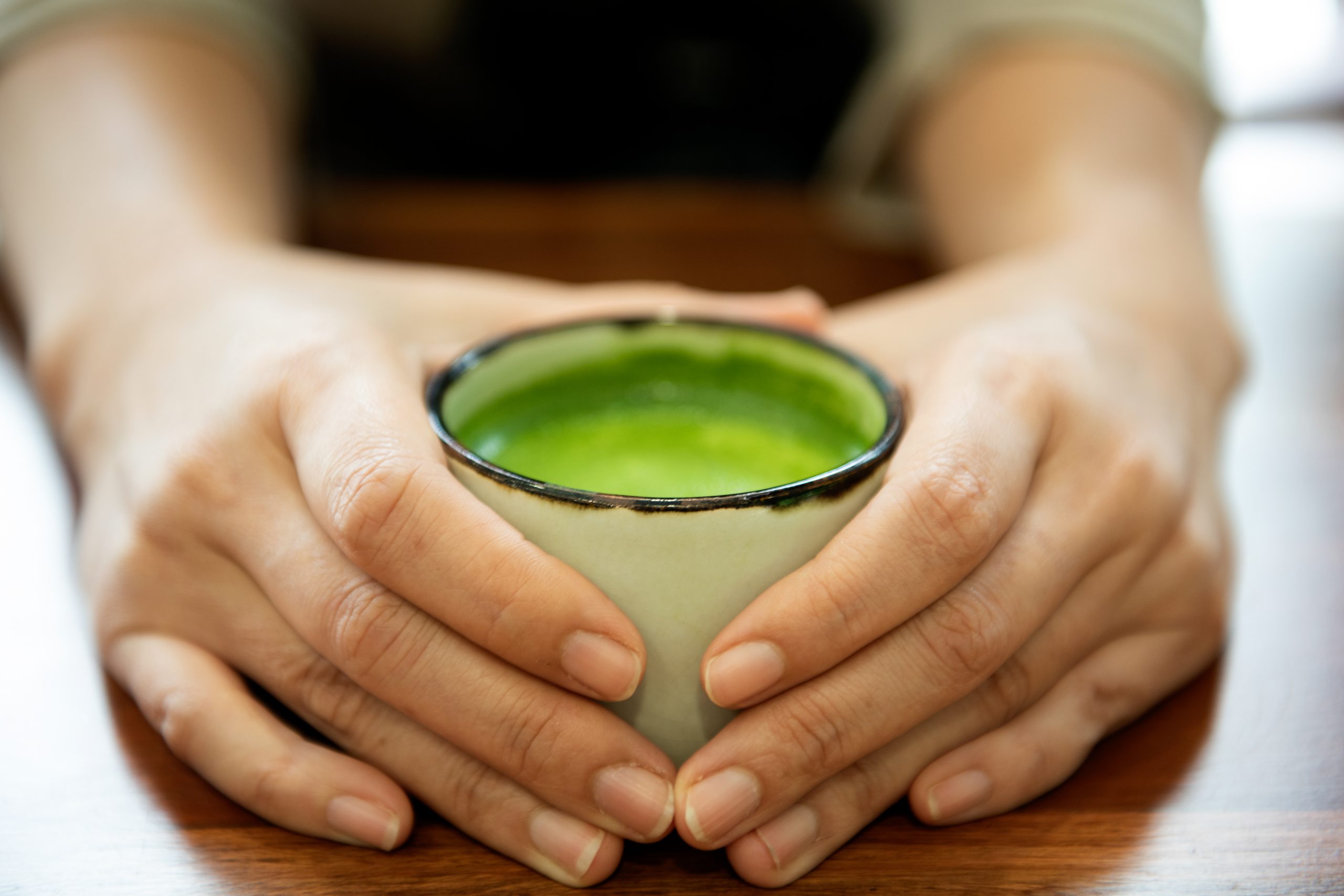
How to drink green tea safely?
Green tea extract can offer a range of health benefits, but it’s important to consume it safely to avoid potential side effects. Here are some practical tips to ensure you get the most out of green tea extract without risking your health.
Stick to recommended dosages
Following the recommended dosage for green tea extract is crucial to ensure safety and effectiveness.
According to research, consuming up to 338mg of EGCG daily as a solid bolus dose (such as capsules) is considered safe for adults. When consumed in beverage form, the safe intake level can be higher, up to 704mg of EGCG per day [1].
Always adhere to the dosage instructions on the product label and start with the lowest suggested dose to see how your body reacts. Gradually increase the dose if needed, but never exceed the maximum recommended amount.
Choose high-quality products
Seek goods whose purity and potency have been verified by a third party. Authentic brands frequently offer clear details about their sourcing and production procedures.
Read reviews and research brands with a good track record. Avoid supplements with artificial additives, fillers, or preservatives. Choose pure, natural extracts to enhance health benefits and reduce the possibility of negative consequences.
Time your intake wisely
Timing your green tea extract intake can significantly impact its effectiveness and reduce potential side effects. Here are some tips for optimal timing:
- Avoid late-day consumption: Taking green tea extract in the evening can interfere with sleep due to its caffeine content. Aim to consume it earlier in the day to prevent sleep disturbances.
- Take with food: Consuming green tea extract with meals can help mitigate gastrointestinal discomfort and enhance nutrient absorption. This approach is particularly beneficial for those with sensitive stomachs.
- Space out doses: If your supplement regimen includes multiple doses, space them throughout the day. This practice helps maintain stable energy levels and avoids overwhelming your system.
- Pair with hydration: Drinking plenty of water alongside green tea extract can counteract its diuretic effects and support overall hydration.
You may minimize any possible drawbacks and optimize the advantages of green tea extract by strategically scheduling your intake.
Monitor your body’s response
Pay close attention to how your body reacts to green tea extract. Note any side effects such as nausea, headaches, or insomnia. Should unpleasant effects arise, change the dosage or stop using the product.
Monitor any changes in your health, both good and bad, to make sure the supplement is helping you. Always prioritize your well-being and consult a healthcare provider as needed.
In closing
Green tea extract offers numerous health benefits, but it’s essential to use it wisely to avoid potential side effects.
Whether you’re looking to boost your metabolism, support heart health, or enhance cognitive function, understanding how to consume this supplement safely can make a significant difference.
Your health is unique, and what works for one person may not work for another—remember that!
FAQs
Are there any side effects of green tea extract?
Some people may experience mild side effects like nausea, headaches, or insomnia. Serious side effects can include liver toxicity and medication interactions, especially at high doses.
How should I take green tea extract?
Follow the dosage instructions on the product label and start with a low dose to see how your body reacts. It’s best to take it with food and earlier in the day to avoid sleep disturbances.
Can I take green tea extract if I’m pregnant or breastfeeding?
Pregnant and breastfeeding women should avoid green tea extract due to potential risks to the baby. Always consult a healthcare provider before taking any supplements during these periods.
Is green tea extract safe for everyone?
Green tea extract may not be suitable for individuals with liver conditions, iron deficiency, or anxiety disorders. Consult a healthcare professional to determine if it’s safe for you.
[1] Regulatory Toxicology and Pharmacology. The safety of green tea and green tea extract consumption in adults – Results of a systematic review.
[2] National Institutes of Health. Green Tea.
[3] EFSA Journal. Scientific opinion on the safety of green tea catechins.

