
Are you among the 159 million Americans who drink tea daily [1]? Green tea, known for its significant health benefits, is popular.
This article dives into the potent world of green tea extract, exploring its numerous advantages, potential side effects, and various applications.
Whether you’re looking to enhance weight management, boost mental clarity, or improve overall wellness, understanding the comprehensive properties of green tea extract is crucial for making an informed decision.
The concentrated form of green tea, known as green tea extract, is obtained from the leaves of the Camellia sinensis plant [2]. It is renowned for its high antioxidant content, especially catechins, which are the main active components.
The most notable catechin in green tea extract is epigallocatechin gallate (EGCG) [3], renowned for its health-promoting properties.
Key components
- Catechins –These are flavonoids that act as powerful antioxidants. EGCG is the most studied and responsible for many of green tea’s health benefits.
- Caffeine – A known stimulant, caffeine in green tea extract boosts metabolism and energy levels but is present in lower amounts than coffee.
Production process
The production of green tea extract involves steeping the green tea leaves and concentrating the components. This process ensures that the beneficial compounds are retained while excess water and impurities are removed.
The final product is available in various forms, including powders, capsules, and liquids, each designed to deliver a potent dose of green tea’s beneficial components.
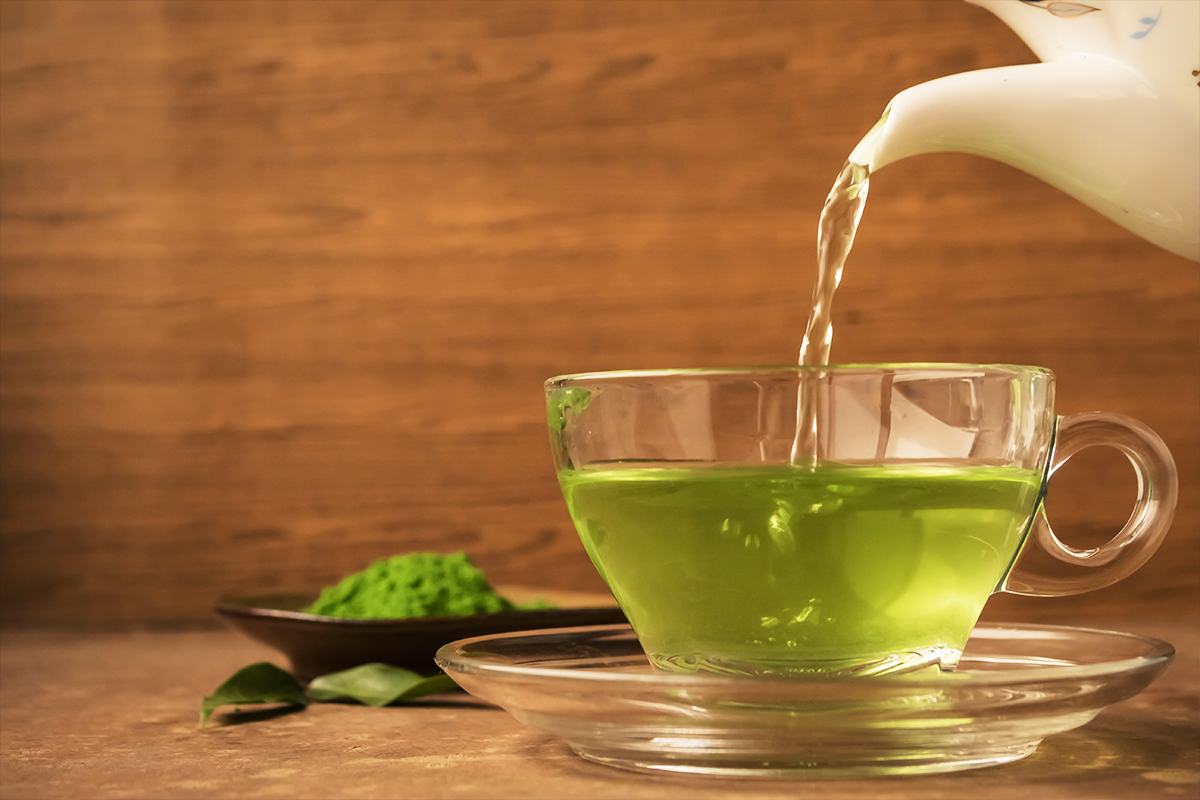
While green tea extract and green tea originate from the Camellia sinensis plant, they are different. The key difference lies in their form and concentration of active ingredients.
Main differences
1. Concentration
Being a concentrated form of green tea, green tea extract contains a higher density of active compounds, particularly catechins and caffeine, providing potent health benefits in smaller doses.
2. Form
Regular green tea is typically consumed as a brewed beverage, which involves steeping the leaves in hot water. This process dilutes many of the active ingredients. In contrast, green tea extract is often found in capsules, tablets, or liquid forms, designed for easy consumption and controlled dosage.
3. Usage
The extract is primarily used as a supplement for its health benefits, whereas green tea is commonly enjoyed as a refreshing drink.
Green tea extract is celebrated for its many health benefits, derived primarily from its high antioxidant content. Here’s an overview of the key advantages this powerful supplement offers:
1. Combats oxidative stress
EGCG and the other antioxidants in green tea extract, neutralize harmful free radicals in the body. This action is crucial for reducing oxidative stress linked to various chronic diseases [4].
2. Enhances metabolism
The catechins and caffeine green tea extract can enhance metabolic rate, aiding in more effective weight management [5].
Green tea extract has been shown to increase the rate at which your body burns fat as fuel, which can help in weight loss and overall energy levels.
3. Improves cholesterol and blood pressure levels
Regular intake of green tea extract may contribute to lower bad LDL cholesterol levels [6] and improved blood pressure, both important in maintaining a healthy heart.
4. Increases mental clarity
The caffeine and catechins have synergistic effects that may enhance brain function, improving alertness and performance [7].
5. Regulates blood sugar
Studies indicate that consuming green tea extract may assist in controlling blood sugar levels and enhancing insulin sensitivity, which could be beneficial in managing diabetes [8].
Green tea extract offers unique benefits and applications in several forms. Knowing the differences between these forms can help you choose the best option for your lifestyle and health goals.
| Form | Pros | Cons | Uses |
|---|---|---|---|
| Capsules and pills | Convenient, precise dosage | Limited immediate bioavailability | Ideal for those seeking ease of use and dose consistency. |
| Liquid extracts | Fast absorption, adjustable dosage | Taste may be a factor; storage required | Suitable for adding to beverages or for direct consumption. |
| Powders | Highly versatile, can adjust dosage | Requires measurement; mixability varies | Great for incorporating into smoothies, health drinks, or food. |
Despite its numerous health benefits, green tea extract can also pose potential side effects [1], particularly when consumed in high doses. Being aware of these risks is essential for safe supplementation.
1. Digestive issues
Some individuals may experience stomach upset, constipation, or nausea due to the high concentration of tannins in green tea extract.
2. Nervous system effects
The excessive consumption of green tea extract, because of its high caffeine content, may result in insomnia, anxiety, irritability, and jitteriness.
3. Liver health
Rare but serious cases of liver damage have been associated with very high intakes of green tea extract. Monitoring dosage and seeking medical advice are crucial to preventing such adverse effects.
4. Interactions with medications
Green tea extract can interact with various medications, including blood thinners and certain antidepressants, potentially altering their effectiveness.
Due to its caffeine and catechin content, pregnant or nursing women are generally advised to limit their intake of green tea extract to avoid potential risks to the baby [9].
If you have a heart condition, stomach ulcers, or anxiety disorders, you should consult a healthcare provider before starting supplementation to avoid exacerbating their conditions.
Green tea extract is versatile, finding its place in dietary supplements, skincare products, and clinical settings due to its rich antioxidant properties and other health-promoting compounds.
1. Dietary supplement
- Weight loss – Green tea extract is popular in weight management products. It has the potential to boost metabolic rate and improve fat oxidation, which is why it is a popular ingredient in diet pills and supplements.
- Health enhancement – Beyond weight loss, its high levels of catechins and caffeine boost cardiovascular health, enhance mental alertness, and improve immune function.
2. Skin health
The skincare benefits of green tea extract come from its antioxidant properties, which help shield the skin from environmental harm.
It is commonly found in creams and serums aimed at reducing inflammation, soothing acne-prone skin, and providing anti-aging benefits by improving skin elasticity and reducing wrinkles.
3. Research applications
Clinical research explores the potential therapeutic uses of green tea extract in treating various conditions.
Studies focus on its effectiveness in reducing chronic disease risks such as heart disease, Alzheimer’s, and even certain cancers [10].
Its role in improving brain function and managing blood sugar levels makes it a candidate for further clinical trials.
Dosage varies depending on the form of the extract, its concentration, and individual health goals.
Recommended dosages
- General health – 100-750 mg per day are commonly recommended for antioxidant and general health benefits.
- Weight loss – For metabolic enhancement and weight loss, dosages might range from 250-500 mg daily, often taken in multiple doses throughout the day to boost energy expenditure.
- Clinical applications – Higher dosages may be used under medical supervision for specific health conditions, but these are typically monitored closely in a clinical setting.
Variations in dosage recommendations
Form and concentration
The effective dosage of green tea extract can depend on whether it’s in liquid, powder, or capsule form. Due to variations in concentration, liquid extracts might require different dosing compared to capsules.
Individual factors
Age, health status, and any exising medical condition can influence the ideal dosage. For example, someone sensitive to caffeine may need a lower dose due to the caffeine content in the extract.
Before beginning any new supplement regimen, especially if you have pre-existing health conditions or are taking other medications, it is important to seek guidance from a healthcare provider.
When considering green tea extract as a supplement, comparing it with similar options like matcha, brewed green tea, pure EGCG supplements, and caffeine is useful. Each has unique attributes that cater to different health goals.
Green tea extract stands out for its high concentration of beneficial compounds like catechins, specifically EGCG, which can be more potent than simply drinking green tea.
This makes it ideal for those who want significant health impacts without consuming large quantities of tea. It’s particularly useful for weight management or intensive antioxidant supplementation.
Conversely, brewed green tea or matcha might be preferable for those looking for a more gentle introduction to the benefits of green tea or who enjoy the ritual of drinking tea.
Matcha also offers the additional benefits of consuming the whole leaf, which includes fiber and other nutrients not present in the extract form.
In summary, the choice between these supplements should be guided by specific health goals, lifestyle considerations, and personal preferences, always considering any potential side effects and interactions with other medications.
| Supplement | Primary benefits | Considerations | Best for |
|---|---|---|---|
| Green tea extract | Concentrated antioxidants, supports weight loss | Potent, precise dosage; possible liver concerns at high doses | Those seeking targeted health benefits |
| Matcha | High in antioxidants, boosts energy | Contains whole leaf benefits, higher in caffeine | Wellness enthusiasts, culinary uses |
| Green tea | Antioxidants, hydrating | Lower concentration of active compounds, gentle effect | Daily beverage for general health |
| EGCG supplements | Targeted catechin benefits | Highly specific, may require careful dosage to avoid side effects | Focused antioxidant and metabolic support |
| Caffeine | Increases alertness, enhances performance | Stimulant effects can vary, potential for nervousness and insomnia | Immediate energy and focus needs |
What are the benefits of combining green tea extract and L-theanine?
Green tea extract and L-theanine are compounds often found in green tea, each offering unique benefits. Combined, they provide a synergistic effect that enhances mental and physical health.
1. Enhanced cognitive function
L-theanine is an amino acid known for its ability to promote relaxation without sedation. Combined with the mild stimulatory effects of the caffeine in green tea extract, it helps improve focus and attention while reducing stress [11].
This balance can enhance cognitive performance, making the combination ideal for tasks requiring sustained mental effort.
2. Improved mood and stress reduction
L-theanine increases the activity of the neurotransmitter GABA, which has calming effects. This action helps mitigate the potential jitteriness caused by caffeine in green tea extract, resulting in a smoother, more sustained energy boost without the typical crash or anxiety associated with stimulants [12].
3. Boosted antioxidant effects
Both green tea extract and L-theanine have antioxidant properties. Together, they work to combat oxidative stress more effectively than alone, contributing to overall cellular health and potentially lowering the risk of chronic diseases [13].
4. Support for immune health
Studies suggest that combining these compounds can support immune health by enhancing the body’s ability to fight off pathogens due to their combined anti-inflammatory and antioxidant properties [13].
In closing
Green tea extract offers a wealth of health benefits, from boosting metabolic rates to enhancing cognitive function, all backed by its potent antioxidant properties.
When considering adding green tea extract to your regimen, weigh the potential side effects and consult your healthcare provider to tailor the dosage to your needs.
This supplement can be a valuable addition to a health-conscious lifestyle, whether in capsule, liquid, or powder form.
Remember, the combination with L-theanine can further augment its benefits, making it a powerful ally in your quest for improved health and well-being.
FAQs
Is green tea extract a fat burner?
Yes, green tea extract can aid in fat burning by enhancing metabolic rate and increasing fat oxidation, especially when combined with regular exercise.
How much green tea extract should I take for weight loss?
For weight loss, a typical dosage of green tea extract is between 250-500 mg per day, ideally split into two doses for sustained effect throughout the day.
Is green tea extract better than coffee?
Green tea extract offers a more stable release of energy without the jitters often associated with coffee and a higher antioxidant content, making it a healthier choice for some.
Should I take green tea extract in the morning or at night?
It’s best to take green tea extract in the morning or early afternoon to maximize its metabolic benefits and avoid potential sleep disturbances due to its caffeine content.
[1] United States Census Bureau. National Hot Tea Month: January 2024
[2] University of Rochester Medical Center. Green Tea Extract
[3] Biochemical Pharmacology. Green tea catechin, epigallocatechin-3-gallate (EGCG): mechanisms, perspectives and clinical applications
[4] Science Direct. Epigallocatechin Gallate
[5] Advances in Nutrition. The Effect of Green Tea Extract on Fat Oxidation at Rest and during Exercise: Evidence of Efficacy and Proposed Mechanisms1
[6] Nutrition Journal. Effect of green tea consumption on blood lipids: a systematic review and meta-analysis of randomized controlled trials
[7] International Journal of Molecular Sciences. Beneficial Properties of Green Tea Catechins
[8] The American Journal of Clinical Nutrition. Effect of green tea on glucose control and insulin sensitivity: a meta-analysis of 17 randomized controlled trials
[9] Saudi Journal of Biological Sciences. Effect of prenatal exposure of green tea extract on the developing central nervous system of rat fetuses; histological, immune-histochemical and ultrastructural studies
[10] Chinese Medicine. Beneficial effects of green tea: A literature review
[11] Journal of Medicinal Food. A Combination of Green Tea Extract and l-Theanine Improves Memory and Attention in Subjects with Mild Cognitive Impairment: A Double-Blind Placebo-Controlled Study
[12] Springer Link. The Effects of Green Tea Amino Acid L-Theanine Consumption on the Ability to Manage Stress and Anxiety Levels: a Systematic Review
[13] Biomedicine & Pharmacotherapy. Green tea (Camellia sinensis) and l-theanine: Medicinal values and beneficial applications in humans—A comprehensive review

