
Longevity.Technology System users:
To check your risks for vitamin D deficiency:
- Download the LT System app on your Android or Apple smartphone.
- Open LT System app and select ‘DNA Results’
- Under ‘Vitamins,’ scroll down and find ‘Vitamin D Deficiency’
- Now, scroll down to find your results and recommendations.
Not a user yet?
That’s OK, you can sign up for your Epigenetic & DNA test here.
Feeling constantly tired or experiencing unexplained aches and pains? You might be among the billions of people worldwide who suffer from vitamin D deficiency.
This essential component is critical for immune system support, bone health maintenance, and mood enhancement. Yet, despite its importance, many people need more vitamin D.
Low levels of this essential vitamin can be caused by a lack of sun exposure [1], dietary habits, and certain health conditions.
Prolonged deficiency can cause major health problems, including osteoporosis, cardiovascular disorders, and compromised immune systems; it’s not simply about feeling a bit weird.
What happens when your vitamin D is low?
Are you frequently tired or often experiencing unexplained aches and pains? These could be signs that you are among the billions worldwide suffering from vitamin D deficiency, a condition often silent yet significantly impactful [2].
Vitamin D is crucial in supporting the immune system, maintaining bone health, and enhancing mood. Recognizing the symptoms early can be crucial for timely intervention.
Common symptoms
- Persistent fatigue and general weakness
- Bone pain and frequent fractures
- Muscle weakness or cramps
- Mood changes, including depression or a general sense of feeling unwell

Long-term health consequences
Without adequate vitamin D, you risk developing serious health issues over time, including:
- Osteoporosis makes bones fragile and more prone to breaking
- Cardiovascular diseases, such as low vitamin D levels, may be linked to an increased risk of heart conditions
- Increased susceptibility to infections, particularly respiratory ones
- Potential impairment in glucose metabolism
Who is at most risk for vitamin D deficiency?
Identifying whether you are at risk can help you take preventive measures to maintain adequate vitamin D levels. Several factors can predispose individuals to vitamin D deficiency, making it essential to understand and recognize these risks in your daily life.
Key risk factors include
1. Geographic location
Living in northern latitudes or areas with long winters can significantly reduce your sun exposure, crucial for natural vitamin D synthesis.
2. Dietary habits
Those adhering to vegan or vegetarian diets may find it challenging to obtain sufficient vitamin D, which is predominantly found in animal-based foods.
3. Lifestyle choices
Limited outdoor activity or extensive use of sunscreen, while protective against skin cancer, can inhibit vitamin D production from sunlight.
4. Certain health conditions
Conditions such as Crohn’s disease, celiac disease, and certain genetic disorders can impair the body’s ability to absorb or convert vitamin D.
How can I stop being vitamin D deficient?
Preventing and treating vitamin D deficiency involves lifestyle changes, dietary adjustments, and, when necessary, supplementation [3]. Let’s break down the practical steps to maintain adequate vitamin D levels:
Sun exposure
Sun exposure is the most natural and efficient way to boost vitamin D levels. Here are some practical tips to get adequate sunlight:
- Depending on the tone of your skin, try to get 10 to 30 minutes of noon sun several times a week; darker skin tones require more time.
- Expose your arms, legs, and face without sunscreen for short periods to maximize vitamin D production. If you plan to stay out longer, protect your skin with sunscreen.
- Think about alternate sources, such as foods or supplements high in vitamin D, in the winter or areas with little sunlight.
Maintaining adequate amounts of vitamin D might be facilitated by incorporating these practices into your routine. Regular sun exposure supports overall well-being, but always balance it with skin protection to prevent damage.
Personalized health insights
Personalized health insights can significantly improve your approach to maintaining optimal vitamin D levels.
The Longevity.Technology Epigenetic & DNA Test provides tailored recommendations based on your unique genetic profile and lifestyle factors. Here’s how it helps:
- Understand your specific vitamin D needs based on genetic predispositions and lifestyle.
- Learn which dietary sources, supplements, and sun exposure habits are most effective for you.
- Track your vitamin D levels and receive personalized advice to adjust your routine as needed.
Personalized health insights allow you to take proactive steps suited to your needs. This approach ensures you maintain adequate vitamin D levels, effectively supporting overall well-being. Leveraging detailed health data can optimize your vitamin D intake and enhance your health strategy.
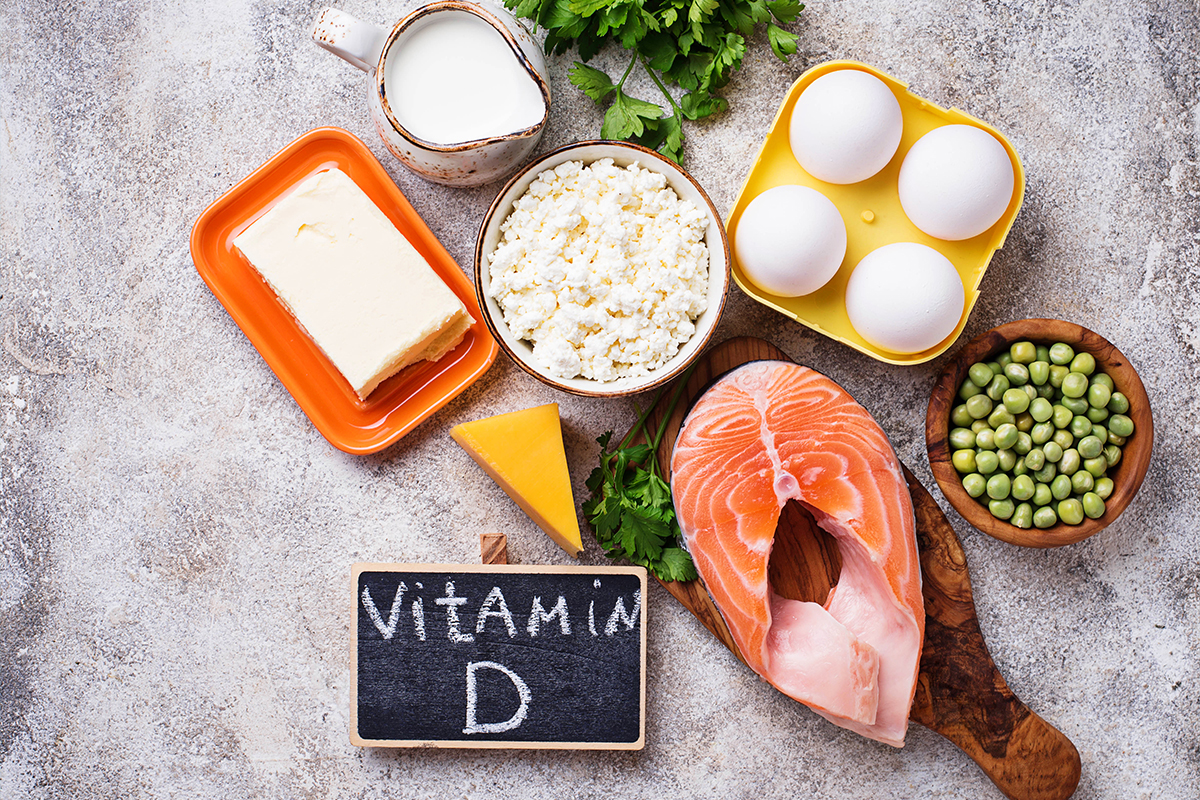
Dietary sources
Incorporating foods rich in vitamin D into your diet is crucial for maintaining healthy levels. Here are some excellent dietary sources:
- Fatty fish: Salmon, mackerel, and sardines are high in vitamin D. Including these in your meals a few times a week can significantly boost your intake.
- Fortified foods: Many dairy products, orange juice, cereals, and plant-based milk are fortified with vitamin D. Always check labels to ensure you’re choosing fortified options.
- Egg yolks and beef liver: These animal products are good sources of vitamin D. Adding them to your diet can help maintain your levels [4].
- Mushrooms: Certain mushrooms, like maitake and shiitake, are exposed to ultraviolet light, which provides vitamin D and offers a plant-based option.
Balancing your diet with these vitamin D-rich foods can help prevent deficiency and support overall health.
Supplements
Sometimes, diet and sunlight aren’t enough to maintain adequate vitamin D levels, making supplements necessary. Here are some tips for using supplements effectively:
- Vitamin D3 (cholecalciferol) raises and maintains vitamin D levels more effectively than D2 (ergocalciferol). Opt for D3 supplements for better results.
- The recommended daily allowance varies by age, gender, and health needs, ranging from 600 to 2000 IU daily.
- Take your vitamin D supplement regularly to keep levels steady. Pairing it with meals that contain fats can enhance absorption.
Regular supplementation, especially for those with limited sun exposure or dietary restrictions, can help maintain healthy vitamin D levels and support overall well-being.
Lifestyle tips
Integrating vitamin D-boosting habits into your daily routine can help maintain adequate levels [5]. Here are some practical lifestyle tips:
- Engage in outdoor activities like walking, gardening, or playing sports to increase sun exposure naturally. Aim for 10 to 30 minutes in the midday sun many times a week.
- Eat a range of fortified and vitamin D-rich foods with your meals, such as mushrooms, egg yolks, dairy products, and fatty fish.
- Keep track of your vitamin D levels, especially if you have risk factors for deficiency. Use home test kits or visit your doctor for regular check-ups.
Incorporating these simple habits can help you maintain healthy vitamin D levels, which can support your overall health and well-being. Regular sun exposure, a balanced diet, and monitoring your levels are key to preventing deficiency.
Combat the risks of vitamin D deficiency with Longevity.Technology Epigenetic & DNA Test
Understanding your risk for vitamin D deficiency and taking proactive steps to manage it is essential for maintaining optimal health.
The Longevity.Technology Epigenetic & DNA Test offers personalized insights based on your genetic makeup, helping you tailor your approach to vitamin D maintenance. Here’s an illustrative sample of what you can expect from the test:
DNA results
Your genetic variants show an increased risk for vitamin D deficiency.
Recommendations
Check your vitamin D levels aiming for 30-40 ng/ml. To maintain optimal levels, supplement with high-quality vitamin D3, 50-100 mcg daily.
Low vitamin D levels can cause:
- Increased vulnerability to infections (especially upper respiratory tract)
- Depressed mood
- Fatigue
- Weakness
- Insomnia
- Fertility disorders
Research shows that nearly 10% of the human genome is influenced by vitamin D, which is crucial for health and longevity. Enhance vitamin D absorption by increasing the intake of co-factor nutrients like magnesium, calcium, and vitamin K, for effective vitamin D absorption.
Health top tips
- Sun exposure: Get out in the fresh air during the summer months, avoiding the hottest parts of the day.
- Diet: Avoid low-fat diets; you need adequate cholesterol for optimum vitamin D absorption.
- Supplementation: Use a good quality D3 supplement, especially during the winter months.
This sample is illustrative and may differ from your personal results. The Longevity.Technology Epigenetic & DNA Test provides you with tailored recommendations based on your unique genetic profile, helping you take control of your vitamin D levels and overall health.
In closing
Adequate vitamin D levels are crucial for overall health and well-being. Understanding the causes of deficiency and taking proactive steps can make a significant difference. Remember, a few lifestyle adjustments can go a long way.
These steps can help you maintain optimal vitamin D levels, supporting your immune system, bone health, and overall well-being. Make these changes part of your daily routine and experience the benefits of a healthier, more vibrant life.
Stay proactive about your vitamin D intake and enjoy the lasting positive impact on your health.
Want to overcome vitamin D deficiency and enhance your health? Get the Longevity.Technology Epigenetic & DNA Test for personalized insights, optimize your vitamin D levels, and enhance your well-being today!
FAQs
What are the symptoms of vitamin D deficiency?
Common symptoms include fatigue, muscle weakness, and bone pain. Mood changes, such as depression, can also be a sign.
How much vitamin D do I need daily?
The recommended daily allowance is 600 to 800 IU for most adults. Your needs may vary based on age, health, and lifestyle.
Can I get enough vitamin D from sunlight alone?
Sun exposure is effective, but factors like location, weather, and skin tone can affect production. It’s often challenging to get sufficient vitamin D from sunlight alone.
What foods are rich in vitamin D?
Fatty fish, fortified dairy products, egg yolks, and certain mushrooms are excellent sources. Including these in your diet can boost your vitamin D intake.
[1] https://www.atsdr.cdc.gov/emes/training/page5773.html
[2] https://ods.od.nih.gov/factsheets/VitaminD-HealthProfessional/
[3] https://www.ncbi.nlm.nih.gov/pmc/articles/PMC8074587/
[4] https://www.healthline.com/nutrition/9-foods-high-in-vitamin-d
[5] https://www.healthline.com/nutrition/how-to-increase-vitamin-d

