
Longevity.Technology System users:
To understand your risk of Achilles tendinopathy and enhance your body’s defenses effectively:
- Download the LT System app on your Android or Apple smartphone.
- Open the LT System app and select ‘Health Insights.’
- Under ‘Injury Risk,’ scroll down and find ‘Achilles Tendinopathy’
- Now, scroll down to find your results and recommendations.
Not a user yet?
That’s OK; you can sign up for your Epigenetic & DNA test here.
Achilles tendinopathy is a condition that affects the Achilles tendon, the robust band of tissue connecting calf muscles to the heel bone. It is commonly seen in athletes but can afflict anyone [1].
This condition arises from overuse, leading to pain, swelling, and impaired movement. Understanding its causes, recognizing symptoms early, and exploring effective treatments and preventive measures are crucial.
This blog serves as a guide to help you understand Achilles tendinopathy, ensuring you can manage or even prevent this debilitating condition.
What is Achilles tendinopathy?
Achilles tendinopathy is a degenerative, non-inflammatory condition of the Achilles tendon, a thick and robust tendon connecting the calf muscles to the heel bone.
This ailment is characterized by pain, swelling, and a decreased ability to bear weight or pressure on the affected limb.
The tendon itself is critical for walking, running, and jumping, acting as a powerful spring that propels the body forward.
However, when overstressed, the tendon’s fibers can suffer from microtears, leading to a breakdown over time rather than the typical inflammation seen in other injuries.
This condition is often mistaken for Achilles tendonitis, which involves inflammation but is a distinct issue requiring different treatment approaches.
A sudden rise in the intensity or frequency of physical activity, insufficient stretching before exercise, or wearing inappropriate footwear that doesn’t provide adequate tendon support can all trigger tendinopathy.
Age also plays a role, as tendons become less flexible and more prone to injury as one ages.
The progression of Achilles tendinopathy can be gradual, with the tendon becoming thicker, losing its elasticity, and forming nodules where the tissue has degenerated.
How does tendinopathy differ from other Achilles injuries?
Achilles tendinopathy differs significantly from other Achilles injuries, such as tendonitis and tendon rupture, in both symptoms and underlying causes.
Tendonitis, often confused with tendinopathy, specifically involves inflammation of the tendon.
This inflammation typically results from acute overuse or injury. It presents with redness, warmth, and swelling—less prominent features in tendinopathy, a chronic, degenerative condition not primarily characterized by inflammation.
On the other hand, an Achilles tendon rupture involves a complete or partial tendon tear, which is a more severe and sudden injury [2].
This type of injury results in intense, immediate pain, a popping or snapping sound, and significant difficulty walking. Unlike tendinopathy, which develops gradually due to repetitive stress without adequate recovery, a rupture is traumatic and unmistakably debilitating.
What causes of Achilles tendinopathy?
Achilles tendinopathy stems from a combination of factors contributing to the tendon’s degeneration over time.
Chronic overuse is usually the main reason, particularly among athletes participating in sports that require running and jumping.
However, non-athletes are not immune, especially those with certain lifestyle or biomechanical issues.
1. Biomechanical factors
A person’s anatomy can predispose them to tendinopathy. Variations like flat feet or overpronation (where the feet roll inwards excessively when walking) can increase the strain on the Achilles tendon [3].
Similarly, a misaligned posture or imbalance in muscle strength and flexibility can also lead to abnormal forces being exerted on the tendon.
2. Physical activity
Sudden increases in the intensity or duration of physical activities can stress the tendon beyond its capacity to adapt and recover.
This is often seen when individuals abruptly change their exercise routines or increase their training volume without sufficient conditioning.
3. Age and lifestyle
As we age, our tendons naturally lose elasticity and become more prone to injury. Additionally, lifestyle factors like obesity can increase the load on the tendon, exacerbating the risk of tendinopathy [3].
4. Footwear and external factors
Inappropriate footwear that doesn’t provide adequate support or cushioning can contribute to the development of tendinopathy [3]. Environmental factors, like training on hard or uneven surfaces, can also play a role in tendon strain.
What are the trigger points for Achilles tendinopathy?
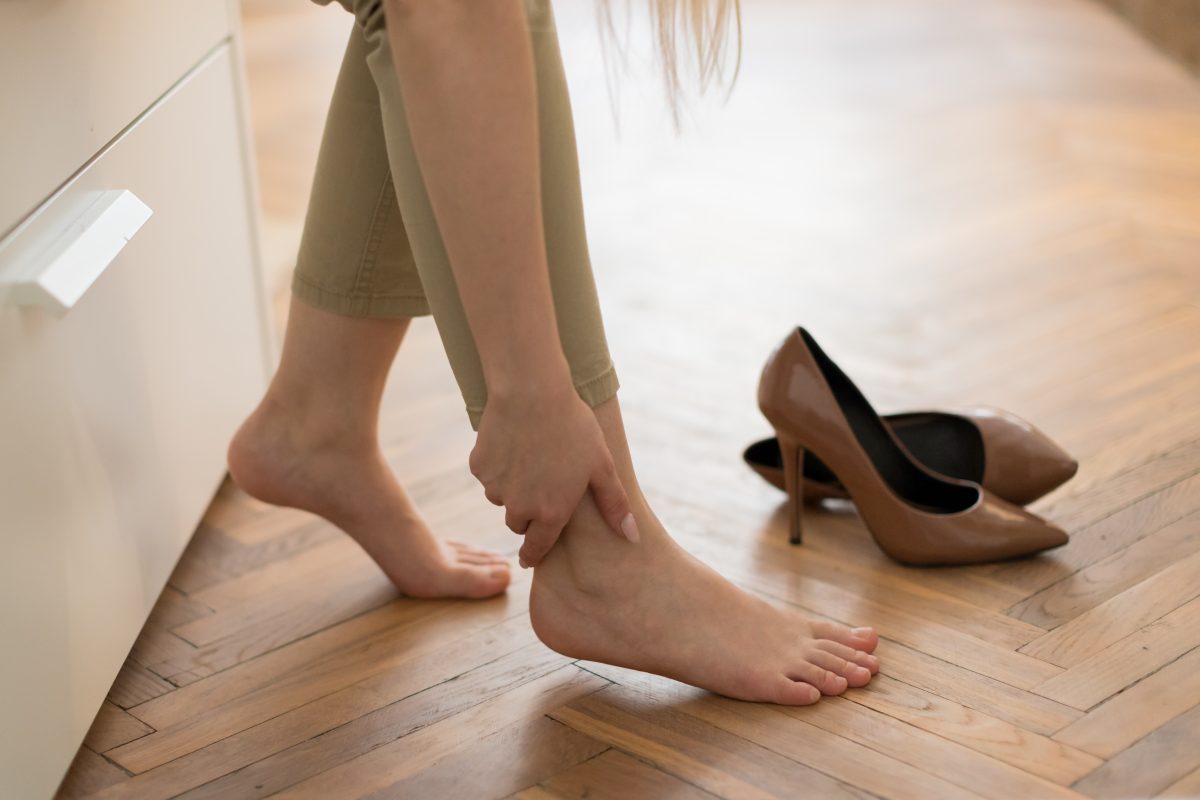
Trigger points for Achilles tendinopathy are specific scenarios or conditions that can precipitate or exacerbate the degeneration of the Achilles tendon; these can include:
1. Sudden increase in activity
A rapid escalation in physical activity—particularly running or jumping—without adequate preparation or conditioning can overload the tendon. This sudden stress can initiate or worsen tendinopathy.
Shoes that lack proper support or cushioning can fail to absorb the impact during physical activities, placing increased stress on the Achilles tendon. Old or worn-out shoes often contribute significantly to this issue.
3. Lack of flexibility
Limited flexibility in the calf muscles can lead to a tighter Achilles tendon, increasing the strain with each movement. Regular stretching and flexibility exercises can mitigate this risk.
4. Cold weather
Lower temperatures can make tendons stiffer and more brittle, making them more susceptible to injury during physical activity [4].
What are the symptoms of Achilles tendinopathy?
Symptoms of Achilles tendinopathy can vary in intensity and progression, often developing gradually and worsening over time if not properly addressed.
Below are some symptoms to recognize for effective management and prevention of more severe complications [3]:
1. Pain along the Achilles tendon
This is the most common symptom. Initially, the pain may only occur during or after intense physical activity and improve with rest. However, as the condition progresses, pain might become persistent, even during everyday activities.
2. Stiffness in the heel
You may experience stiffness, especially in the morning or after periods of inactivity. This stiffness can ease with gentle activity but might return after prolonged or intense use of the tendon.
3. Swelling along the tendon
Swelling or thickening of the tendon near the heel can indicate tendinopathy. This swelling is often tender to touch and can be accompanied by a warm sensation.
4. Decreased range of motion
As the condition worsens, the ability to flex the foot decreases, making it difficult to stand on tiptoes or climb stairs.
5. Nodules or lumps
In chronic cases, nodules or lumps may form on the tendon, indicating areas where the tendon fibers have degenerated.
How do you diagnose Achilles tendinopathy?
Diagnosing Achilles tendinopathy typically begins with a physical examination, where a healthcare provider assesses the tendon for pain, swelling, and stiffness.
They may also perform tests to evaluate the strength and flexibility of the calf muscles and the range of motion in the ankle.
Imaging tests like an ultrasound or MRI can be instrumental in viewing the structure of the Achilles tendon, helping to confirm the diagnosis and assess the extent of tendon damage [5].
These imaging techniques provide detailed visuals of the tendon’s condition, revealing tears, thickening, or degeneration that might not be fully apparent through a physical exam alone.
Additionally, incorporating an epigenetic and DNA test can offer deeper insights into individual predispositions to tendon issues.
This advanced testing can identify genetic markers associated with tissue repair and inflammatory responses, which are significant in understanding personal risk factors and tailoring a precise treatment plan.
By understanding your genetic makeup, interventions can be more accurately directed, potentially improving outcomes in managing or even preventing tendinopathy.
What is the best treatment for Achilles tendinopathy?
Treatment options for Achilles tendinopathy are varied and are tailored to the person’s specific symptoms and the severity of the condition.
A comprehensive approach often combines conservative treatments with targeted therapies to promote healing and prevent recurrence.
Conservative treatments
1. Rest and ice
Initially, reducing or stopping activities that cause pain and applying ice to the affected area can help reduce swelling and discomfort [6].
2. Physical therapy
A physical therapist can design a program to stretch and strengthen the calf muscles and Achilles tendon gradually. This can improve flexibility and decrease stress on the tendon.
3. Orthotic supports
Custom orthotics or supportive footwear can help correct structural issues and reduce strain on the Achilles tendon during activities.
Medications
Anti-inflammatory drugs
OTC pain relievers like ibuprofen or aspirin can help reduce pain and swelling. However, their use should be monitored, as excessive use can hinder tendon healing.
Advanced treatments
1. Platelet-Rich Plasma (PRP) injections
Injecting concentrated platelets from your own blood into the tendon is part of this treatment to stimulate healing [7].
2. Surgery
When non-invasive treatments have been unsuccessful, and the tendon has deteriorated significantly, surgery may be required to eliminate the damaged tissue and repair the tendon.
Diet and supplements
Nutritional support
Adequate nutrition, particularly protein and specific amino acids, is vital for tendon repair. Supplements like omega-3 fatty acids can also support healing processes [8].
How long does it take for Achilles tendinopathy to heal?
The healing time for Achilles tendinopathy varies widely depending on the severity of the condition, your health, and how promptly and effectively treatment is initiated.
Generally, recovery can take anywhere from weeks to months [9]. Mild cases of tendinopathy might improve within six to eight weeks with proper rest and physical therapy, while more severe or chronic conditions could require several months or even longer to heal fully.
Adherence to a structured treatment plan is crucial for recovery. This includes engaging in prescribed physical therapy exercises, making necessary lifestyle adjustments, and possibly using supportive devices or footwear.
If you’re undergoing advanced treatments like PRP injections or surgery, recovery times may be extended, and rigorous rehabilitation will be necessary to regain full tendon functionality.
Patience and consistency in following medical advice are essential, as premature return to intense activities can lead to re-injury and prolong the healing process.
Regular follow-up with healthcare providers can help adjust treatment plans as needed and support optimal recovery.
What exercises can you do with Achilles tendinopathy and what to avoid?
Recommended exercises
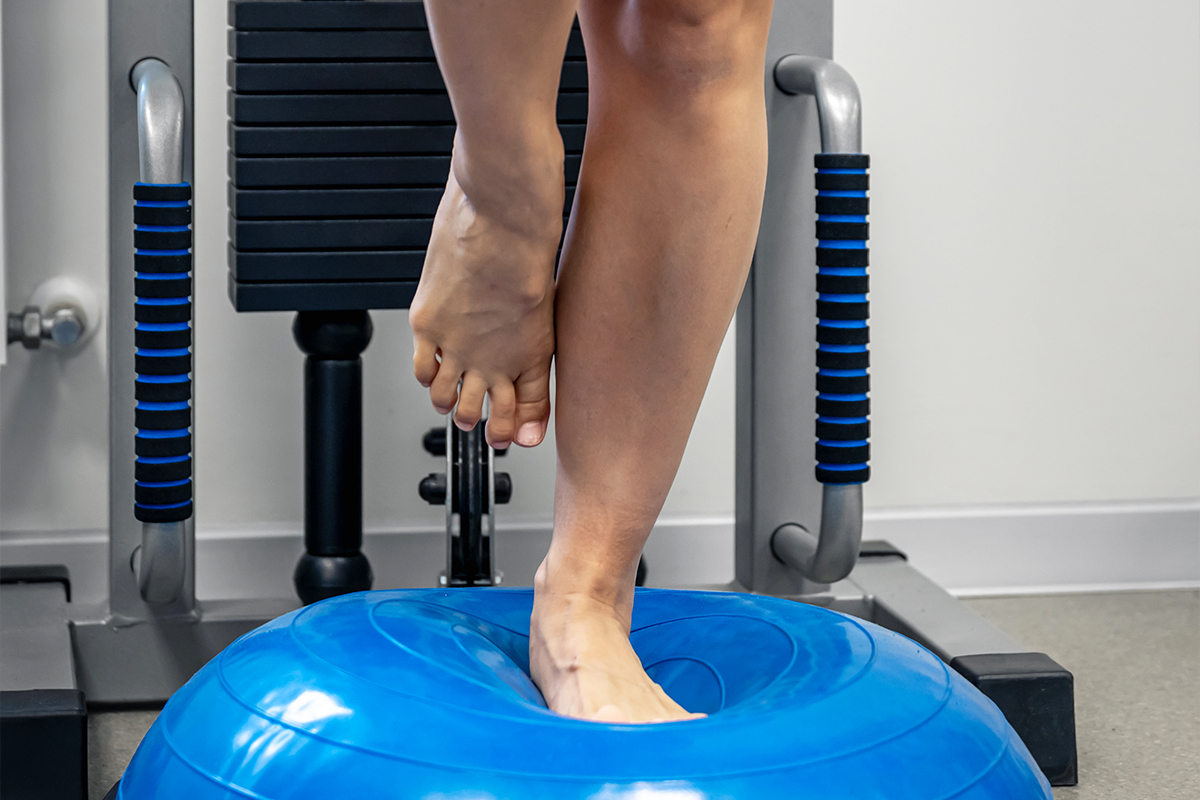
1. Calf raises
Slowly raise your heels until you’re on your tiptoes, then lower back down. This exercise helps strengthen the calf muscles and the Achilles tendon.
2. Eccentric heel drop
Stand on a step with your heels hanging off the edge. Slowly lower your heels below the level of the step, then rise back up with both legs to avoid strain. This exercise specifically targets the Achilles tendon and encourages strengthening during the lengthening of the muscle.
3. Stretching
Gentle stretching of your calf muscles and Achilles tendon can improve flexibility. For example, a wall or towel stretch held for 20-30 seconds can help elongate the calf muscles without overloading the tendon.
Exercises to avoid
1. High-impact activities
Running, jumping, or other high-impact sports can further strain the Achilles tendon and should be avoided until the tendon has sufficiently healed.
2. Rapid movements
Sudden starts, stops, or changes in direction can increase the risk of worsening the tendinopathy.
How can you prevent Achilles tendinopathy?
Here are effective strategies to help reduce the likelihood of developing this condition:
Wear shoes that provide adequate support and cushioning to reduce stress on the Achilles tendon, especially during exercise.
2. Progress gradually activities
Avoid sudden increases in exercise intensity or duration. Gradually build up your activity level, especially when starting a new sport or training routine.
3. Do regular stretching and strengthening
Incorporate calf and Achilles tendon stretches into your daily routine to maintain flexibility. Strengthening exercises for the calf muscles can also help support and stabilize the Achilles tendon.
4. Balance your training
Mix high-impact activities like running with lower-impact exercises like swimming or cycling to reduce tendon strain.
5. Hydrate and eat proper nutrition
Maintain a balanced diet rich in nutrients that support tendon health, like protein, vitamin C, and omega-3 fatty acids. Stay hydrated to help maintain the elasticity and health of connective tissues.
Prevent Achilles Tendinopathy risks with genetic testing
The Longevity.Technology Epigenetic & DNA Test offers a proactive approach to mitigating the risks associated with Achilles tendinopathy by providing personalized genetic insights.
This test analyzes specific markers related to tissue repair, inflammation, and muscle health, enabling individuals to understand their genetic predisposition towards tendon-related injuries.
With this information, users can tailor their exercise routines, recovery strategies, and nutritional plans to better support their tendon health.
For instance, if the test reveals a genetic tendency towards slow tissue repair, individuals can incorporate more recovery time and targeted nutrition into their routines to enhance tendon resilience.
Moreover, the test results guide users in choosing exercises that maximize benefits while minimizing risks to the Achilles tendon, ensuring a balanced approach to fitness and health.
By integrating genetic insights from the Longevity.Technology Epigenetic & DNA Test, individuals can take preventative measures, reducing the likelihood of developing tendinopathy and maintaining optimal tendon health.
Learn more about how this test can support your tendon health here.
Closing thoughts
Achilles tendinopathy, while common, requires careful management to ensure effective recovery and prevent further issues.
Recognizing early symptoms and understanding the underlying causes are key steps toward successful treatment. Tailored exercises and appropriate medical interventions can significantly improve outcomes.
Additionally, leveraging advances in genetic testing, such as the Longevity.Technology Epigenetic & DNA Test, provides valuable insights that help customize prevention strategies.
By adopting comprehensive care and prevention practices, individuals can maintain tendon health and continue enjoying active lifestyles without the setbacks of tendinopathy.
FAQs
Is it OK to walk with Achilles tendinopathy?
Walking with Achilles tendinopathy is usually safe, but it should be done cautiously and within comfort limits to avoid aggravating the condition.
Can Achilles tendinopathy heal on its own?
Achilles tendinopathy may improve on its own with proper rest and reduced activity; however, proactive treatment typically speeds recovery and prevents worsening.
Can you massage Achilles tendinopathy?
Massaging the Achilles tendon can be beneficial as part of a broader physical therapy approach, helping reduce stiffness and improve circulation in the area.
Should you stretch an Achilles tendinopathy?
Stretching an Achilles tendinopathy is recommended, focusing on gentle stretches that do not cause pain to maintain flexibility and promote healing.
[1] Physiopedia. Achilles Tendinopathy
[2] TriHealth. Achilles Tendonitis and Rupture
[3] Better Health. Achilles tendinopathy
[4] Medical Science Monitor. Effect of heat and cold on tendon flexibility and force to flex the human knee
[5] National Library of Medicine. Achilles Tendinopathy
[6] John Hopkins Medicine. Ice Packs vs. Warm Compresses For Pain
[7] World Journal of Orthopedics. Effectiveness of platelet-rich plasma in the treatment of Achilles tendon disease
[8] Journal of the International Society of Sports Nutrition. The impact of nutrition on tendon health and tendinopathy: a systematic review
[9] NHS Lanarkshire. Achilles Tendinopathy

