
New data from a 12-week trial indicate that treating the skin may reduce inflammatory markers and slow biological aging processes.
A new study published in the Journal of Cosmetic Dermatology has examined the effects of a topical formulation containing OS-01, a senotherapeutic peptide, on skin barrier function and systemic biomarkers of aging. The pilot trial, led by researchers from OneSkin and academic collaborators, explored whether treating the skin could deliver measurable outcomes not only at the epidermal level but also systemically – specifically in terms of inflammation and biological aging indicators.
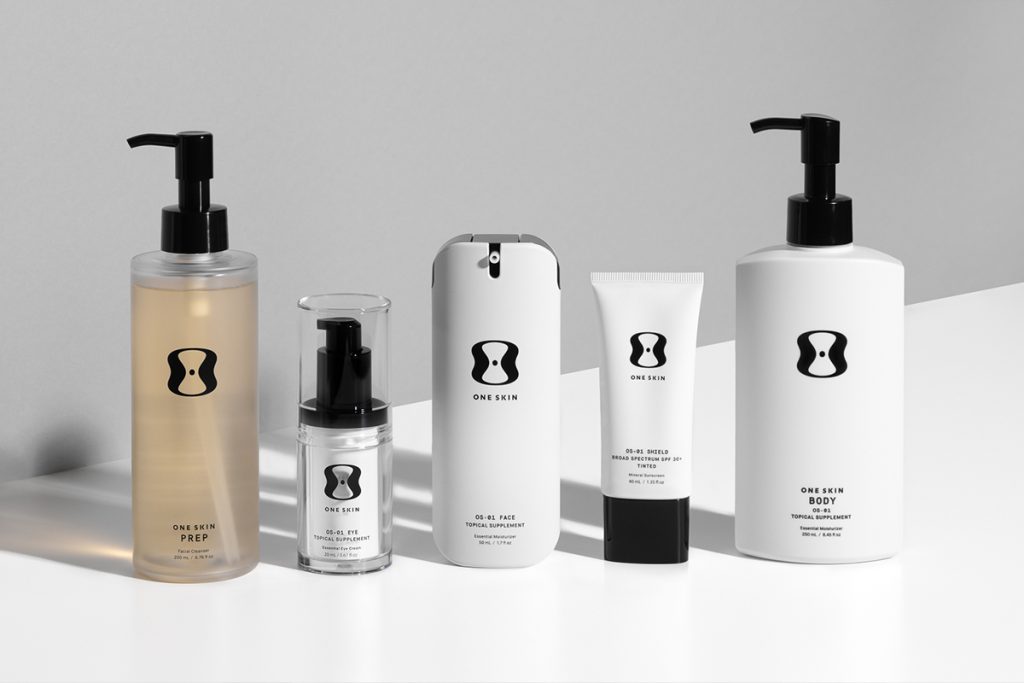
The 12-week randomized, double-blind trial recruited 60 women aged between 60 and 90; participants were assigned either a commercially available moisturizer or the OS-01 formulation, which combines Peptide 14 with a blend of antioxidant and anti-inflammatory ingredients. The study assessed skin barrier metrics such as hydration and transepidermal water loss (TEWL), subjective skin perceptions and systemic changes including plasma cytokine levels and biological age using GlycanAge testing [1].
Longevity.Technology: The recent clinical trial of the OS-01 peptide topical formulation marks a notable advance in our understanding of the skin’s role in systemic aging. Zonari et al (2025) report preliminary evidence that a topical, non-invasive intervention may improve skin barrier integrity and is associated with favorable trends in systemic inflammatory markers and biological aging metrics such as GlycanAge.
However, these findings stem from a small, short-duration study involving a homogenous female cohort, and the proprietary nature of the formulation limits mechanistic attribution to the peptide alone. Larger, longer-term studies with more diverse populations and standardized lifestyle controls will be necessary to validate and expand upon these findings.
This convergence of dermatology and longevity science is timely and compelling, particularly as researchers explore senotherapeutic strategies that extend beyond internal pharmacological interventions. While early results are promising, the absence of long-term follow-up data reinforces the need for cautious interpretation. Nonetheless, this work lays important groundwork, pointing to the skin not just as a mirror of aging, but as a modifiable interface through which aging itself might be decelerated.
Biological and perceptual changes
Instrumental assessments showed that the OS-01 group experienced greater improvements in skin hydration and TEWL compared with the control group; these results were particularly marked on the upper arms, where the active formulation significantly outperformed the comparator. Participants also reported improved skin quality – including elasticity, hydration and general appearance – supporting the objective measurements gathered during the study [1].
At a systemic level, the trial measured cytokine profiles and found that those using OS-01 had reduced levels of IL-8 and IL-10. While IL-8 is a proinflammatory cytokine commonly linked to age-related inflammation, IL-10 is typically considered anti-inflammatory. The study authors suggest that the observed reduction in IL-10 may reflect a normalization of the broader cytokine environment, rather than a detrimental loss, especially as IL-10 levels remained within the normal physiological range. In contrast, the control group experienced significant increases in TNF-α and IFN-γ – both of which have been linked with age-related disease and immune dysregulation. Mass spectrometry analysis confirmed that the OS-01 peptide was not detected in the bloodstream at either baseline or after 12 weeks of treatment, indicating that its effects are localized to the skin. Despite the lack of systemic circulation, participants exhibited measurable reductions in systemic inflammatory markers, suggesting that improving skin barrier integrity alone may influence systemic physiological pathways. [1].
GlycanAge analysis, which assesses biological aging by examining IgG glycosylation patterns, indicated that participants using the OS-01 formulation did not experience the expected increase in biological age over the 12-week period; the control group, in contrast, showed an average increase of nearly three-quarters of a year [1]. The authors – including OneSkin co-founders Alessandra Zonari, Mariana Boroni, Carolina Reis de Oliveira and Juliana Carvalho – interpret this as a possible slowing of systemic aging processes, though they acknowledge the need for further investigation.
Reframing skin’s role in aging
While traditionally the focus of cosmetic science and dermatology, the skin is increasingly being considered a site of broader biological relevance – particularly in the context of immune modulation and inflammation. The authors of the study cite existing research linking epidermal dysfunction with elevated systemic cytokine levels and chronic inflammation, both of which are core drivers of aging and frailty. This trial contributes to a growing body of evidence suggesting that enhancing skin health may exert upstream effects on systemic aging biology.
Nonetheless, the exclusive use of a female cohort, modest sample size and limited trial duration underscore the need for cautious interpretation and further validation. No long-term data are yet available to determine whether the observed benefits persist or scale with time – nor is it yet clear how such effects might differ across more diverse populations or with varying baseline skin conditions.
As interest in senotherapeutics continues to grow, studies such as this prompt important questions about the interfaces between localized treatment and systemic outcomes. The possibility that the skin may act not only as a barrier but as a regulatory surface in the aging process invites deeper inquiry – both in clinical research and in the development of next-generation longevity interventions.
[1] https://onlinelibrary.wiley.com/doi/epdf/10.1111/jocd.70169

