
Did you know that while 74% of Americans suffer from digestive symptoms like bloating, excessive gas, diarrhea, or heartburn [1], most turn to probiotics as the sole solution?
Probiotics have soared in popularity as a gut health miracle, but is relying just on them enough to maintain a healthy digestive system?
This article explores whether probiotics can single-handedly manage your gut health or if a broader approach is necessary.
Explore the detailed world of gut microbiology with us as we reveal the comprehensive spectrum of maintaining a robust digestive ecosystem.
What are probiotics?
Probiotics are live microorganisms that provide a health benefit to the host when taken in adequate amounts.
Commonly known as “good” or “friendly” bacteria, these small helpers are vital for a well-functioning digestive system. They are naturally found in your body and can be ingested through certain foods and supplements.
Once in the gut, probiotics balance the microbial environment. They compete with harmful bacteria for nutrition and attachment sites to control bad bacteria.
This process is crucial for maintaining intestinal health and ensuring the proper digestion of food.
The benefits of probiotics extend well beyond digestion. They enhance immune function, reduce inflammation, and may even prevent allergies and chronic diseases like obesity and depression.
Regular intake of probiotics helps maintain gut barrier integrity, preventing harmful substances from leaking into the body—a condition known as “leaky gut.”
With their comprehensive impact on gut health, probiotics are key in maintaining overall wellness.
What does your gut microbiome mean for your health?
The gut microbiome, consisting of trillions of bacteria, viruses, fungi, and other microorganisms, plays a crucial role in human health.
This complex ecosystem, residing in your digestive tract, influences more than just digestion. It affects everything from metabolism to immune response and even mood regulation.
The diversity and balance of this gut flora are critical. A healthy microbiome supports efficient nutrient absorption, produces essential vitamins, and forms a formidable barrier against pathogens.
Conversely, imbalances in the gut microbiome—known as dysbiosynthesis—can contribute to several health issues, including obesity, inflammatory bowel disease, diabetes, and even mental health issues like anxiety and depression.
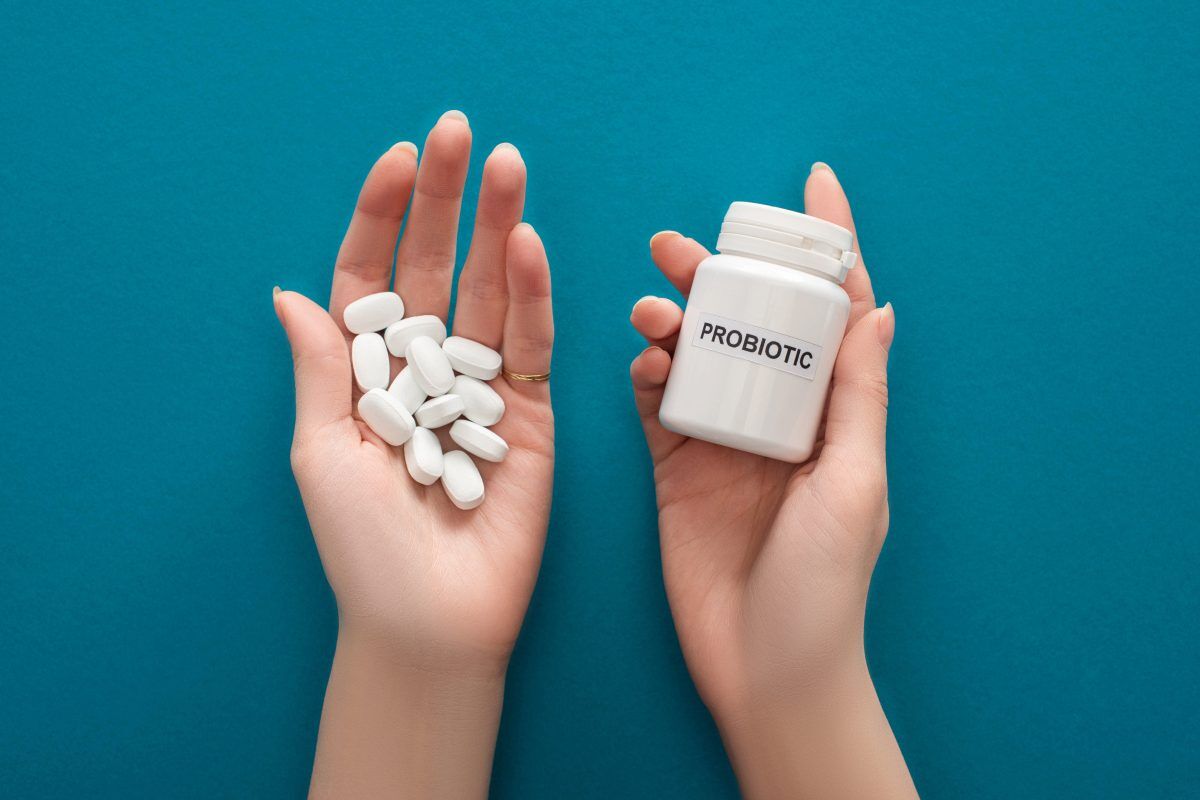
Are probiotics enough for optimal gut health?
While probiotics offer numerous benefits, relying solely on them for gut health has its limitations. Research indicates that probiotics, although beneficial, cannot completely rectify severe imbalances in the gut microbiome on their own [2].
For instance, a study suggests that probiotics are less effective in environments where the gut flora is unbalanced due to poor diet, antibiotics, or disease [2].
Additionally, the effectiveness of probiotics can vary widely among individuals. Factors such as the strain of the probiotic, the dosage, and the existing gut environment play significant roles, leading to inconsistent results in enhancing gut health.
Moreover, probiotics might not colonize the gut long-term; they often provide benefits only while they are being taken. Thus, the positive impacts may be temporary without continued intake and accompanying lifestyle changes.
This highlights the need for a broader, more holistic approach to managing gut health, including dietary adjustments, regular physical activity, and stress management.
How do you know if your gut needs probiotics?
Recognizing the signs that your gut may benefit from probiotics is key to maintaining overall digestive health. Here are some indicators:
1. Digestive irregularities
Frequent issues like bloating, gas, diarrhea, or constipation can signal an imbalance in your gut microbiome [3]. Probiotics help restore good bacteria balance which improves digestive function.
2. After antibiotic treatment
Antibiotics can significantly reduce the diversity and number of beneficial bacteria in the gut. If you’ve recently completed a course of antibiotics, incorporating probiotics might help replenish your gut flora.
3. Weakened immune system
If you catch colds or infections more often, it could be due to a weakened gut barrier. Since a substantial part of the immune system is located in the gut, boosting your microbiome with probiotics can enhance your immune response.
4. Chronic fatigue or mood disorders
Emerging research suggests a link between gut health, mood, and energy levels [4]. Symptoms like fatigue or mood swings might be connected to gut dysbiosis, which probiotics can help address.
How long does it take for probiotics to heal your gut?
The time it takes for probiotics to impact gut health positively can vary based on individual factors such as the existing gut microbiome, the specific probiotic strains used, and lifestyle habits.
Some people may start to notice improvements in digestive function and general well-being within a few days, while for others, it may take several weeks.
Consistent daily intake is crucial. Research suggests that noticeable changes, such as reduced bloating and improved bowel regularity, can often be observed within two to three weeks [5].
However, it typically takes four to eight weeks for probiotics to colonize the gut and fully restore microbial balance.
It’s important to note that the benefits of probiotics are cumulative and depend on continued use.
Additionally, the efficacy of probiotics can be enhanced by combining them with a diet high in fiber and low in processed foods, alongside maintaining a healthy lifestyle.
Probiotics should be part of a comprehensive approach to gut health for long-lasting effects and to truly “heal” the gut.
What else does your gut need besides probiotics?
To maintain a thriving gut microbiome, several factors beyond probiotics are crucial. Here’s a breakdown of additional essential components for optimal gut health:
1. Dietary fiber
Dietary fiber plays a fundamental role in nurturing gut flora. It acts as a prebiotic, providing nutrients that help beneficial bacteria flourish.
High-fiber foods encourage a diverse and robust microbiome, key for effective digestion and immune function. Examples include:
- Legumes – Beans (like black beans, kidney beans, and garbanzos), lentils
- Whole grains – Oats, barley, quinoa, whole wheat, and bran
- Fruits – Berries (raspberries, blackberries), apples (with skin), pears, and oranges
- Vegetables – Broccoli, Brussels sprouts, carrots, and leafy greens like spinach and kale
- Nuts and seeds – Almonds, chia seeds, flaxseeds, and sunflower seeds
2. Hydration
Adequate hydration is vital for maintaining mucosal integrity in the gut and facilitating the transport of nutrients and waste.
Water helps dissolve fibers and nutrients, making them easier for the gut to absorb. It also ensures smooth passage through the digestive system, reducing constipation and promoting a healthy microbial balance.
3. Regular exercise
Regular physical activity has been shown to significantly improve gut motility [6], which in turn helps maintain a balanced gut microbiome.
Exercise stimulates the gut and can increase microbiota diversity, linked to improved metabolism, enhanced immune function, and a lower risk of gastrointestinal disorders.
4. Stress management
Chronic stress has a negative impact on the gut microbiome, which may lead to dysbiosis (microbial imbalance). Managing stress through meditation, yoga, or regular therapy can help maintain gut health and overall well-being.
5. Avoidance of harmful substances
Regular consumption of alcohol, overuse of antibiotics, and high intake of processed foods can disrupt the gut flora.
Alcohol and certain additives found in processed foods can kill beneficial gut bacteria, while antibiotics, though sometimes necessary, can decimate harmful and beneficial bacteria indiscriminately.
How can you enhance gut health beyond probiotics?
Achieving optimal gut health requires a comprehensive approach integrating probiotics with essential dietary and lifestyle adjustments. Here’s how to create a synergistic gut health regimen:
1. Combine probiotics with prebiotics
Probiotics benefit greatly when combined with prebiotics, which are fibrous foods that feed the beneficial bacteria in your gut.
Foods like bananas, onions, garlic, and asparagus provide the nutrients that help probiotics thrive. Prebiotics and probiotics create a symbiotic environment conducive to a healthy gut.
2. Make dietary changes
Incorporate a diverse range of fiber-rich foods to encourage a balanced microbiome. Reduce sugar and processed food intake to prevent the overgrowth of harmful bacteria that disrupt gut health.
3. Keep hydrated and exercise regularly
Regular physical activity and proper hydration are crucial for overall health. Exercise promotes digestive efficiency and microbial diversity, while drinking enough water ensures that the digestive system functions smoothly.
4. Reduce your stress
Managing stress through mindfulness, yoga, or meditation can positively affect your gut microbiome, reducing the risk of inflammation and other digestive issues.
Closing thoughts
To maintain a healthy gut, adopting a holistic approach that goes beyond just taking probiotics is essential.
Incorporating a diverse, fiber-rich diet, staying hydrated, engaging in regular physical activity, managing stress, and avoiding harmful substances play pivotal roles.
While probiotics offer significant benefits, they work best when part of a broader health strategy.
Understand the importance of a balanced gut microbiome and recognize the signs that your gut might need extra help so you can improve your overall health and quality of life.
FAQs
Do probiotics cleanse your gut?
Probiotics don’t cleanse the gut; they balance the microbiome by promoting good bacteria growth, improving overall gut health.
How can I heal my gut without probiotics?
To heal your gut without probiotics, focus on fibers and fermented foods, reduce stress levels, avoid antibiotics and processed foods, and ensure adequate hydration and regular exercise.
How can you tell if you have poor gut health?
Signs of poor gut health include frequent digestive issues such as bloating, gas, diarrhea, constipation, and discomfort, as well as unexpected changes in weight and chronic fatigue.
How do you know if you have enough good bacteria in your gut?
If you experience regular digestion without frequent issues, maintain a stable weight, and have a generally strong immune system, you might have enough good bacteria in your gut.
[1] https://www.foxnews.com/health/survey-shows-74-percent-of-americans-living-with-gi-discomfort
[2] https://www.bmj.com/content/361/bmj.k2179
[3] https://drruscio.com/what-are-the-signs-you-need-probiotics/
[4] https://www.turtletree.com/how-your-gut-microbiome-influences-mental-health-mood-and-energy/
[5] https://gutpowerdrinks.com/blogs/blog/how-long-does-it-take-for-probiotics-to-work
[6] https://www.ncbi.nlm.nih.gov/pmc/articles/PMC4130869/

