
Longevity.Technology System users:
To check your bone mineral density:
- Download the LT System app on your Android or Apple smartphone.
- Open the LT System app and select ‘DNA Results.’
- Under ‘Health,’ scroll down and find ‘Genetic Bone Mineral Density.’
- Now, scroll down to find your results and recommendations.
Not a user yet?
That’s OK; you can sign up for your Epigenetic DNA test here.
Maintaining strong, healthy bones requires a certain level of bone mineral density (BMD). Our bones gradually weaken with age, increasing our risk of osteoporosis and fractures. On the other hand, being aware of your genetic predispositions will enable you to take proactive measures to raise and sustain your BMD.
Genetic testing can identify specific genes and markers that impact bone density. These tests provide a personalized view of your bone health, allowing for tailored nutrition and lifestyle recommendations.
For instance, certain genetic markers might indicate a higher need for calcium or vitamin D, while others could suggest a predisposition to lower BMD, prompting earlier interventions.
The Longevity.Technology Epigenetic & DNA Test is an excellent tool for gaining these insights. This comprehensive test analyzes your genetic makeup to identify factors influencing your bone health.
With this information, you can make informed decisions about your diet, supplements, and lifestyle, ensuring your bones receive the necessary support to remain strong and healthy.
What gene is responsible for bone growth?
Genetics plays a critical role in bone health through specific genes and genetic markers that affect bone density. These genes regulate various processes, such as calcium absorption, bone formation, and bone resorption.
Understanding these genetic factors can help tailor personalized strategies for improving and maintaining BMD.
Vitamin D receptor (VDR) gene
The Vitamin D Receptor (VDR) gene plays a crucial role in how your body processes vitamin D, which is essential for calcium absorption and bone health [1]. Variations in the VDR gene can affect your ability to absorb and utilize vitamin D effectively.
People with certain VDR gene variants might need higher vitamin D intake to maintain optimal bone density. This gene influences not only bone health but also overall immune function.
Genetic testing can reveal your VDR gene status, enabling you to tailor your vitamin D intake through diet and supplements, ensuring your bones receive the necessary support to stay strong and healthy.
Collagen type I alpha 1 (COL1A1) gene
Type I collagen, an essential structural element of bones, is produced by the Collagen Type I Alpha 1 (COL1A1) gene [2].
Reduced collagen production from mutations or polymorphisms in the COL1A1 gene can weaken bones and increase the risk of fractures.
This gene plays a vital role in bone strength and integrity. Identifying COL1A1 gene variants through genetic testing can provide insights into your bone health risks.
With this knowledge, you can take proactive steps, such as incorporating collagen supplements and targeted nutrition, to support bone structure and improve overall bone density.
Understanding your COL1A1 gene status can help tailor a personalized approach to maintaining strong, healthy bones.
Estrogen Receptor (ESR1) gene
The Estrogen Receptor (ESR1) gene is crucial for maintaining bone density, particularly in women. This gene regulates how your body responds to estrogen, a hormone essential for bone health [3].
Variations in the ESR1 gene can impact estrogen levels and receptor activity, influencing bone density and increasing the risk of osteoporosis. Genetic testing can identify ESR1 gene variants, providing insights into your bone health risks.
With this information, you can adopt strategies to support healthy estrogen levels, such as dietary changes, supplements, or lifestyle modifications. Understanding your ESR1 gene status allows you to take personalized steps to preserve bone strength and prevent bone-related issues.
Parathyroid hormone (PTH) gene
The Parathyroid Hormone (PTH) gene regulates calcium levels in your blood by producing parathyroid hormone. This hormone plays a crucial role in bone remodeling by controlling calcium absorption and release from bones [4].
Variations in the PTH gene can affect how effectively your body manages calcium, impacting bone density and overall bone health. Genetic testing can identify these variations, offering insights into potential risks for conditions like osteoporosis.
Knowing your PTH gene status allows you to make informed decisions about your diet, supplements, and lifestyle to optimize calcium levels and support strong, healthy bones. Understanding the PTH gene helps tailor a personalized approach to maintaining optimal bone health.

How to improve bone mineral density?
Improving bone mineral density (BMD) can seem challenging, but genetic insights provide a personalized approach to enhancing bone health.
Your genes influence how your body processes nutrients, responds to physical activity, and maintains bone strength. By understanding your genetic predispositions, you can tailor your diet, supplements, and lifestyle to improve your BMD effectively.
Discover your genetic profile
To get started on your personalized bone health journey, consider the Longevity.Technology Epigenetic & DNA Test. This comprehensive test offers detailed insights into your genetic predispositions, allowing you to tailor your approach to improving bone mineral density.
- Simple process: The test involves a non-invasive saliva sample, making it easy and convenient to complete at home.
- Comprehensive analysis: Your sample is analyzed to identify genetic markers related to bone health. This includes genes involved in calcium absorption, collagen production, vitamin D metabolism, and more.
- Detailed report: Receive a comprehensive report outlining your genetic predispositions and actionable recommendations. Understand your unique genetic profile and how to use this information to improve your bone health.
Taking the test is a proactive step towards optimizing your bone health. With a detailed understanding of your unique genetic profile, you can start your journey to stronger, healthier bones today.
Personalized nutrition
Personalized nutrition tailored to your genetic profile can significantly enhance your bone mineral density (BMD). Here’s how to optimize your diet based on genetic insights:
- Calcium and vitamin D: Ensure adequate calcium intake from sources like dairy products, leafy greens, and fortified foods.
- Magnesium: To support bone health, include magnesium-rich foods such as nuts, seeds, whole grains, and dark chocolate.
- Vitamin K: Consume green leafy vegetables (like spinach and kale) and fermented foods to enhance bone mineralization.
- Protein: Ensure sufficient protein intake to support bone repair and growth. Incorporate lean meats, fish, beans, and legumes into your diet.
- Other nutrients: Consider foods rich in other bone-supporting nutrients like phosphorus (found in meat, fish, and dairy) and zinc (found in meat, shellfish, and seeds).
By aligning your nutritional intake with your genetic needs, you can support optimal bone health and improve your BMD effectively.
Targeted supplements
Targeted supplements can enhance your bone mineral density (BMD) based on your genetic profile. Here’s how to choose the right ones:
- Calcium supplements: If your diet lacks sufficient calcium or if you have a genetic predisposition to lower calcium absorption, consider calcium citrate or calcium carbonate supplements [5].
- Vitamin D supplements: Higher doses of vitamin D supplements might be necessary for those with variations in the VDR gene to ensure adequate absorption and utilization.
- Collagen supplements: For individuals with COL1A1 gene variations, collagen supplements can support bone structure and strength, aiding in bone repair and growth.
- Magnesium supplements: If genetic insights indicate a need, magnesium supplements can help enhance bone health by supporting calcium absorption and bone mineralization.
- Multivitamins: Choose multivitamins that include essential bone health nutrients like vitamin K, boron, and zinc, tailored to your genetic requirements.
Supplements targeted to your genetic profile can help you meet specific nutritional needs, supporting stronger, healthier bones and improving your overall BMD.
Exercise regularly
Regular exercise is crucial for maintaining and improving bone mineral density (BMD). Here are some effective strategies to support bone health:
Weight-bearing exercises
- Walking and jogging: These activities stimulate bone growth by applying gentle stress to the bones.
- Resistance training: Lifting weights or using resistance bands helps build and maintain bone density by challenging the bones and muscles.
High-impact activities
- Sports: Engage in high-impact sports like tennis, basketball, and aerobics. These activities provide intense bone-loading benefits, particularly useful if you have a genetic predisposition for lower bone density.
Flexibility and balance training
- Yoga and Tai Chi: These exercises improve flexibility and balance, reducing the risk of falls and fractures. They are especially beneficial for enhancing overall bone strength and stability.
Aim for at least 30 minutes of weight-bearing and high-impact activities most days of the week. Incorporate flexibility and balance exercises a few times a week. Consistent, targeted exercise tailored to your genetic profile can significantly boost your bone health and improve your BMD.
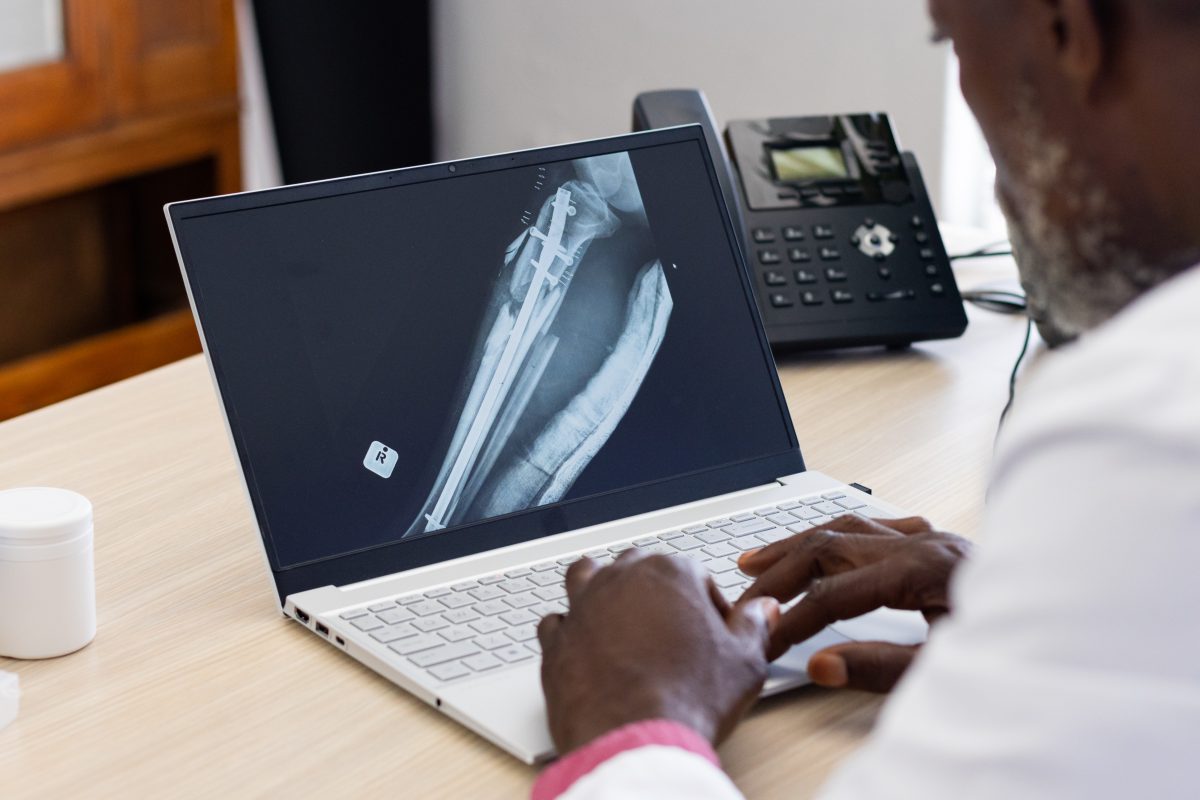
Monitor and adjust
Regularly monitoring your bone health and making necessary adjustments are crucial for maintaining strong bones. Here’s how to stay on top of it:
- Regular check-ups: Schedule bone density tests, such as DEXA scans, to track changes in your bone health. These tests can detect early signs of bone loss [6].
- Adapt strategies: Adjust your nutritional intake and supplement regimen based on test results and any new genetic insights. If your bone density decreases, you might need more calcium, vitamin D, or other bone-supporting nutrients. Modify your exercise plan to address any weaknesses or specific needs identified in your check-ups. Incorporate more weight-bearing or high-impact activities if necessary.
- Professional guidance: Regularly consult with your doctor, nutritionist, or genetic counselor to ensure your approach aligns with your evolving health needs. You can effectively maintain and enhance your bone mineral density by monitoring and adjusting your strategies.
Healthy lifestyle choices
Adopting healthy lifestyle choices can significantly enhance your bone health. Here are some practical tips:
- Avoid smoking: Reduces bone mass and increases fracture risk. Quitting smoking can improve your bone density and overall health.
- Limit alcohol consumption: Excessive alcohol can weaken bones and increase the risk of osteoporosis. Stick to moderate drinking guidelines to protect your bones.
- Get adequate sleep: Essential for bone repair and overall health. Aim for 7-9 hours of sleep per night to support bone health and overall well-being.
- Maintain a healthy weight: Both underweight and overweight conditions can harm bone health. Eat right and exercise frequently to reach and stay at a healthy weight.
- Nutritious diet: Incorporate a variety of nutrients essential for bone health, including calcium, vitamin D, magnesium, and protein. Focus on whole foods like fruits, vegetables, lean meats, and whole grains.
- Stay active: Engage in weight-bearing and high-impact activities to strengthen bones. Include flexibility and balance exercises to reduce fall risk.
Implementing these healthy lifestyle choices can significantly support your bone health, helping you maintain strong and resilient bones throughout your life.
Improve your bone mineral density with Longevity.Technology Epigenetic & DNA Test
Taking control of your bone health is now more accessible and precise with the Longevity.Technology Epigenetic & DNA Test. This innovative test helps identify your genetic predispositions and provides actionable insights to optimize your bone mineral density (BMD).
1. Uncover hidden risk factors
- Genetic predispositions: Many people are unaware of their genetic risk factors for conditions like osteoporosis. The Epigenetic & DNA Test reveals these hidden risks, allowing you to take preemptive measures.
2. Epigenetic modifications
- Lifestyle impact on genes: Learn how your lifestyle choices may be impacting your genes through epigenetic modifications. This test highlights how factors like diet, stress, and exposure to toxins can influence gene expression related to bone health.
- Personalized interventions: Based on your epigenetic profile, receive personalized recommendations to optimize your lifestyle for better bone health.
3. Holistic health integration
- Comprehensive health insights: The test goes beyond bone health, providing a holistic view of your genetic makeup. This can help you understand other aspects of your health that might indirectly affect your bone density, such as inflammation, hormonal balance, and metabolic health.
- Integrated wellness plan: Receive a comprehensive wellness plan that integrates your genetic and epigenetic insights. This plan includes dietary guidelines, exercise recommendations, and lifestyle adjustments tailored to your genetic profile.
4. Future-proofing your health
- Proactive health management: Stay ahead of potential health issues by regularly updating your genetic and epigenetic data. The test allows for ongoing monitoring, helping you adjust your health strategies as you age and your body’s needs change.
Improving your bone mineral density is now within your reach with the Longevity.Technology Epigenetic & DNA Test. Unlock the power of your genetic and epigenetic information to build stronger, healthier bones and enhance your overall health.
Closing thoughts
Improving and maintaining strong bone mineral density is essential for a healthy, active life. You can tailor your diet, supplements, and exercise routines to meet your unique needs by identifying specific genetic factors
Taking proactive steps today can lead to stronger, healthier bones. Empower yourself with the knowledge to make informed decisions about your bone health and overall well-being.
FAQs
How can genetic insights help improve bone mineral density?
Genetic insights identify specific genes affecting bone health, allowing for personalized diet, supplements, and lifestyle modifications to enhance BMD.
What nutrients are essential for improving BMD based on genetic profiles?
Calcium, vitamin D, magnesium, and vitamin K are crucial nutrients that can be optimized based on your genetic needs.
Can genetic testing reveal hidden risk factors for bone diseases?
Yes, genetic testing can uncover predispositions to conditions like osteoporosis, enabling proactive measures to maintain bone health.
[1] https://www.genecards.org/cgi-bin/carddisp.pl?gene=VDR
[2] https://www.genecards.org/cgi-bin/carddisp.pl?gene=COL1A1
[3] https://www.genecards.org/cgi-bin/carddisp.pl?gene=ESR1
[4] https://www.genecards.org/cgi-bin/carddisp.pl?gene=PTH
[5] https://www.health.harvard.edu/nutrition/choosing-a-calcium-supplement
[6] https://my.clevelandclinic.org/health/diagnostics/10683-dexa-dxa-scan-bone-density-test

