
Longevity.Technology System users:
To check your genetic Type 2 diabetes risk:
- Download the LT System app on your Android or Apple smartphone.
- Open the LT System app and select ‘DNA Results.’
- Under ‘Health,’ scroll down and find ‘Genetic Type 2 Diabetes Risk’
- Now, scroll down to find your results and recommendations.
Not a user yet?
That’s OK, you can sign-up for your Epigenetic & DNA test here.
A genetic predisposition to type 2 diabetes indicates that specific inherited genes can increase your likelihood of developing the disease. However, this does not mean type 2 diabetes is unavoidable.
With the right information and proactive measures, you can effectively manage your health. Knowing how to manage a high genetic risk for type 2 diabetes can revolutionize your health strategy.
What are the genetic risk factors for type 2 diabetes?
Grasping your genetic risk for type 2 diabetes is essential for proactive health management. Certain genes can increase your likelihood of developing this condition, but this doesn’t mean diabetes is inevitable.
Specific genes inherited from your parents influence how your body processes insulin and regulates blood sugar levels [1].
Tests like the Longevity.Technology Epigenetic & DNA Test can identify your risk and provide valuable insights into your genetic makeup.
Understanding your genetic risk empowers you to take preventive measures. To understand the consequences of your results and make appropriate plans, discuss them with a healthcare expert.
Knowing your genetic inclination empowers you to adopt well-informed lifestyle decisions that can dramatically lower your risk of type 2 diabetes. By taking the appropriate action, you can take charge of your health and stop this illness from getting worse.
What can you do to prevent diabetes?
Even with a high genetic risk, you can greatly reduce your chances of developing type 2 diabetes by making lifestyle changes. Here are some practical steps you can take to manage your risk effectively.
1. Change your diet
Your diet is crucial for managing your risk of type 2 diabetes. To help control blood sugar levels, emphasize well-balanced meals that provide a range of nutrients.
- Healthy eating habits: Adopt a diet high in fruits, vegetables, whole grains, and healthy fats, such as olive oil, known as the Mediterranean diet.
| Foods to include | Foods to avoid |
|---|---|
| Fiber-rich foods: Beans, lentils, and whole grains to help control blood sugar. | Sugary drinks: Sodas and sweetened teas that spike blood sugar. |
| Healthy fats: Avocados, nuts, and seeds provide essential fatty acids. | Processed foods: Snacks like chips and cookies with unhealthy fats and sugars. |
| Lean proteins: Fish, poultry, and plant-based proteins for muscle health. | Refined carbohydrates: White bread and pastries that cause rapid blood sugar increases. |
Making these dietary changes can help you manage your genetic risk for type 2 diabetes effectively. Small adjustments in your eating habits can lead to significant health benefits.
2. Be active
Staying active is essential for managing your genetic risk for type 2 diabetes [2]. Exercise, especially at night, reduces blood sugar levels, enhances insulin efficiency, and lowers stress, which can negatively impact blood sugar.
Exercise recommendations:
- Aerobic activities: Engage in at least 150 minutes of moderate aerobic activity each week, like brisk walking or cycling.
- Strength training: Include muscle-building exercises twice a week, such as weightlifting or resistance training with bands.
- Flexibility and balance: Activities that improve balance and flexibility, like yoga and tai chi, are good for overall health.
Exercise doesn’t need to be strenuous. Opt for activities you find enjoyable to maintain motivation. Staying consistent is crucial; mixing various exercise forms can offer extensive health benefits.
Implementing these measures can help you control your genetic risk for type 2 diabetes and enhance your overall health.
3. Manage your weight
Maintaining a healthy weight is crucial, especially if you have a high genetic predisposition to type 2 diabetes. Excess abdominal fat, in particular, can impair blood sugar regulation and heighten insulin resistance.
For healthy weight goals, monitor your weight regularly and aim to keep it within a healthy range for your body type.
Tips for weight loss and maintenance:
- Set realistic goals: Focus on gradual weight loss instead of quick fixes.
- Mindful eating: Pay attention to hunger and fullness cues. Avoid eating out of boredom or stress.
- Regular meals: Eating at consistent times helps regulate blood sugar levels and prevents overeating.
- Portion control: Be mindful of portion sizes to avoid consuming too many calories.
Integrating these methods with a healthy diet and regular physical activity can establish a lasting weight management plan. Making small, steady adjustments can greatly enhance your health, enabling you to manage your genetic risk for type 2 diabetes effectively.
4. Get regular check-ups
Regular check-ups are crucial in managing your risk for type 2 diabetes. These visits help detect changes in your health early, allowing for timely intervention. Routine visits to your healthcare provider enable early detection and management of potential health issues.
Recommended tests and frequency:
- HbA1c test: Measures your average blood sugar levels over the past two to three months [3]. Have this test done at least twice a year.
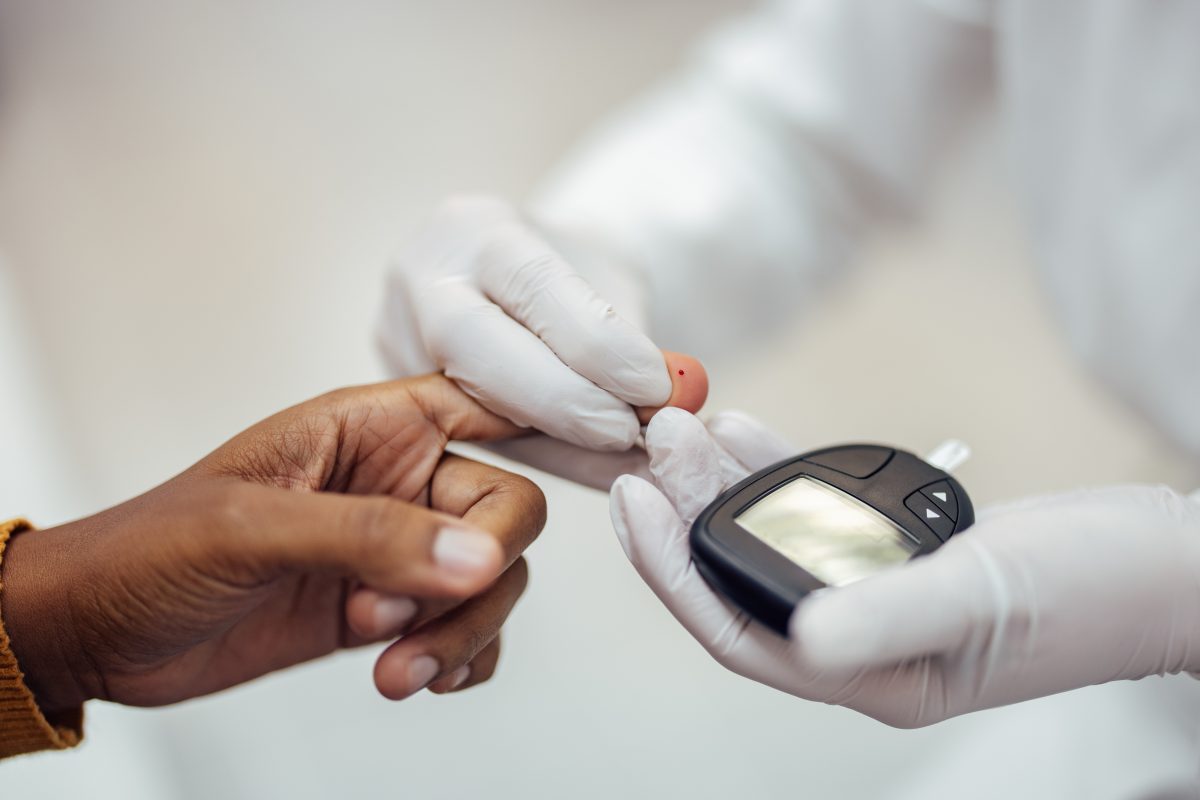
- Fasting glucose test: This test checks your blood sugar levels after an overnight fast. It is recommended annually or more frequently if you have additional risk factors [4].
- Oral glucose tolerance test: This test measures blood sugar before and after consuming a glucose-rich drink. It is typically recommended if your fasting glucose or HbA1c results are borderline.
Regular check-ups and these crucial tests make monitoring your blood sugar levels and general health easier. By being proactive with these appointments, you may ensure improved health management by halting the development of pre-diabetes into type 2 diabetes.
5. Pre-diabetes management
Managing pre-diabetes is essential to prevent the progression of type 2 diabetes. Recognizing and addressing pre-diabetes can significantly reduce your risk.
Look for symptoms like increased thirst, frequent urination, exhaustion, and blurry vision. If you encounter these symptoms, get a blood sugar test from your doctor.
Prevention strategies:
- Healthy diet: Ensure your meals are well-balanced with healthy fats, fiber, lean proteins, and non-starchy vegetables. Steer clear of processed foods, sugary beverages, and refined carbs.
- Regular exercise: Strive for 150 minutes of moderate to vigorous aerobic exercise weekly, like brisk walking or cycling, and add two strength training sessions.
- Weight management: Aim for a healthy weight through mindful eating and regular physical activity.
- Medication: Your doctor may prescribe medicines like metformin to help manage blood sugar levels and prevent the onset of type 2 diabetes.
Adopting these strategies can help manage pre-diabetes effectively, reducing your risk of developing type 2 diabetes and promoting overall health.
6. Medical interventions
When lifestyle changes aren’t enough, medical interventions can be crucial in managing your risk for type 2 diabetes. These interventions help control blood sugar levels and prevent complications.
Several medications can help manage blood sugar levels:
- Metformin lowers blood sugar and improves insulin sensitivity [5]. SGLT2 inhibitors help the kidneys remove glucose from the bloodstream.
- Your doctor may recommend medication if lifestyle changes cannot control your blood sugar levels. It’s important to follow their advice and take the prescribed medications correctly.
Regular consultations with your healthcare provider are crucial. They monitor your progress, adjust your treatment plan as needed, and provide guidance.
If necessary, your doctor may refer you to an endocrinologist or diabetes specialist for more advanced care. These specialists offer advanced treatment options and help manage complex cases.
Medical interventions, combined with lifestyle changes, can significantly improve your ability to manage your risk for type 2 diabetes, ensuring better long-term health outcomes.
7. Lifestyle support and resources
Leveraging support systems and resources can simplify and enhance the management of your genetic risk for type 2 diabetes.
Support systems
- A robust support system offers encouragement and helps keep you accountable. Discuss your health objectives with family and friends, and invite them to participate in healthy activities with you.
- Joining support groups or online communities offers a sense of belonging and valuable tips from others facing similar challenges.
Educational resources
- Books, websites, and online courses provide in-depth information and practical advice on managing diabetes risk. Look for reputable sources that offer evidence-based information.
- Many apps are available to monitor diet, exercise, and blood sugar levels. These tools provide valuable insights into habits and assist in maintaining health goals.
Utilizing these support systems and resources can help you make informed choices and sustain a healthy lifestyle, effectively reducing your risk for type 2 diabetes.

Prevent diabetes with Longevity.Technology Epigenetic & DNA Test
Understanding your genetic predisposition is just the beginning. The Longevity.Technology Epigenetic & DNA Test offers a comprehensive analysis that not only highlights your risk for type 2 diabetes but also provides actionable insights tailored to your unique genetic profile.
The test involves a simple, non-invasive saliva sample you can collect at home. Once your sample is analyzed, you receive a detailed report that outlines your genetic risk factors for type 2 diabetes and other health conditions.
But it doesn’t stop there. The report also includes personalized diet, exercise, and lifestyle recommendations that can help mitigate these risks.
Personalized lifestyle recommendations
The results from the Longevity.Technology Epigenetic & DNA Test come with tailored advice on diet, exercise, and other lifestyle changes.
For example, if the test reveals a higher sensitivity to refined sugars, you’ll receive specific dietary guidelines to help manage your blood sugar levels effectively. Similarly, if your genes suggest a predisposition to insulin resistance, the report might recommend particular types of physical activities known to improve insulin sensitivity.
Early intervention and monitoring
Knowing your genetic risk allows for early intervention. The test results can guide you and your healthcare provider in creating a monitoring plan tailored to your needs.
Schedule regular check-ups and specific tests to closely monitor your blood sugar levels and other key health indicators, ensuring prompt attention to any potential issues.
Empowerment through knowledge
Opting for the Longevity.Technology Epigenetic & DNA Test goes beyond merely identifying your genetic risk; it equips you with the knowledge to make well-informed choices. Detailed insights and tailored recommendations empower you to take proactive measures to prevent type 2 diabetes, promoting a healthier future.
Closing thoughts
Take charge of your health today. Schedule a genetic test, consult your healthcare provider, and implement the lifestyle changes discussed. Every step you take brings you closer to managing your genetic risk for type 2 diabetes effectively.
Start with a genetic test, like the Longevity.Technology Epigenetic & DNA Test, to understand your risk factors. Your proactive efforts today can significantly impact your long-term health and well-being.
FAQs
Is type 2 diabetes genetic curable?
Type 2 diabetes is not curable, but it can be effectively managed with lifestyle changes and medication.
How can you prevent genetic type 2 diabetes?
Prevent genetic type 2 diabetes through a healthy diet, regular exercise, weight management, and regular medical check-ups.
What to do if you’re genetically predisposed to diabetes?
If you’re genetically predisposed to diabetes, take proactive steps such as monitoring your blood sugar levels, maintaining a healthy lifestyle, and consulting your doctor regularly.
How do you treat genetic diabetes?
Treat genetic diabetes with medication, healthy eating, regular physical activity, and continuous monitoring of blood sugar levels.
[1] https://www.ncbi.nlm.nih.gov/pmc/articles/PMC5275752/
[2] https://diabetesjournals.org/care/article/46/6/1132/148916/Physical-Activity-for-Type-2-Diabetes-Prevention
[3] https://medlineplus.gov/lab-tests/hemoglobin-a1c-hba1c-test/
[4] https://www.healthdirect.gov.au/blood-glucose-test
[5] https://www.ncbi.nlm.nih.gov/pmc/articles/PMC8836112/

