
Longevity.Technology System users:
To check your soft tissue inflammation:
- Download the LT System app on your Android or Apple smartphone.
- Open LT System app and select ‘DNA Results’
- Under ‘Physical,’ scroll down and find ‘Soft Tissue Inflammation’
- Now, scroll down to find your results and recommendations.
Not a user yet?
That’s OK, you can sign-up for your Epigenetic & DNA test here.
Soft tissue inflammation often occurs due to injuries like sprains, strains, or overuse. These types of inflammation affect muscles, tendons, and ligaments, leading to pain, swelling, and reduced mobility. Knowing how to manage these symptoms effectively is crucial for a swift recovery.
Ice therapy and heat therapy are two of the most common treatments for soft tissue inflammation. Each has its benefits, but they work differently and suit different situations. So, how do you decide which one to use?
Choosing between ice and heat depends on the nature of your injury and the symptoms you’re experiencing. Acute injuries typically benefit from ice, while chronic issues may respond better to heat.
Is heat or cold better for soft tissue damage?
When faced with soft tissue inflammation, knowing whether to use ice or heat can significantly impact your recovery [1]. Both therapies offer unique benefits but cater to different needs and types of injuries. Understanding these differences helps you make an informed decision.
Ice therapy
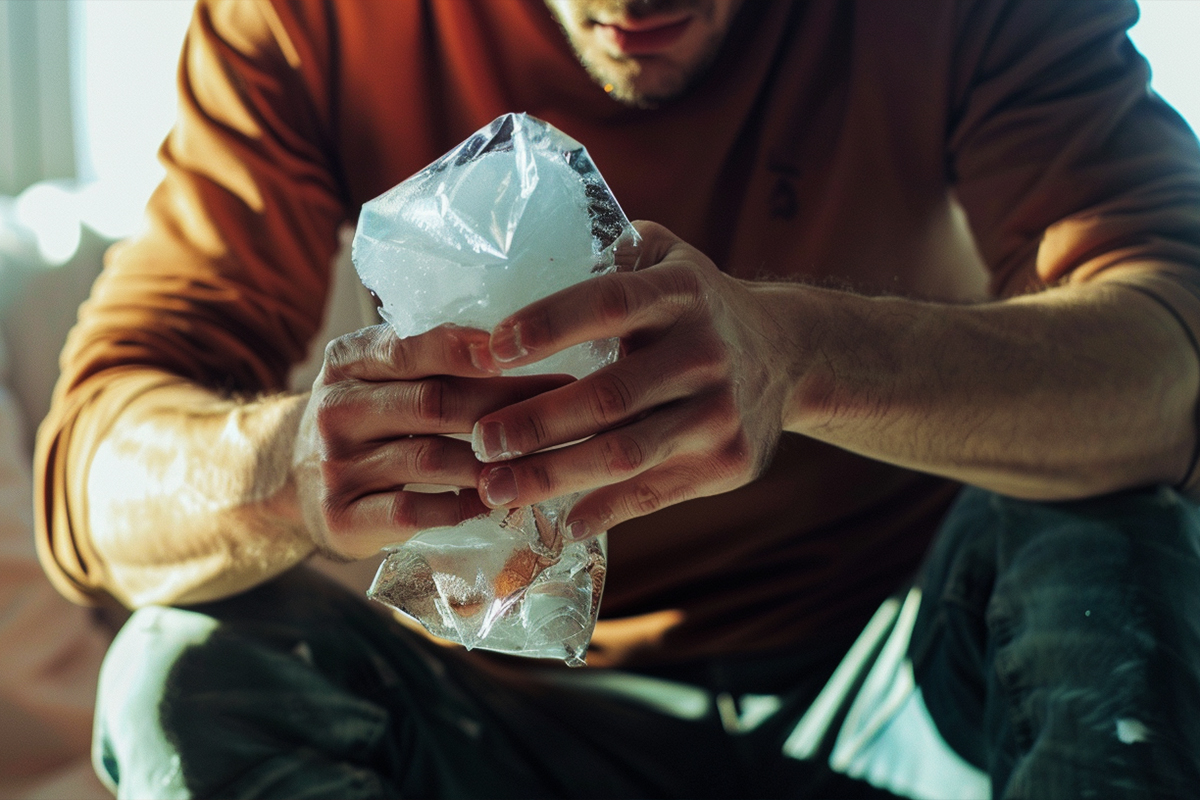
Ice therapy, commonly referred to as cryotherapy, is a typical treatment for minor injuries like sprains and strains. It decreases blood flow to the injured area, lessening pain and edema.
Best for:
- Acute injuries (sprains, strains, bruises)
- Post-exercise inflammation
- Swelling control
How it works:
Ice therapy, or cryotherapy, reduces blood flow to the injured area, which helps limit swelling and inflammation. The cold also numbs the area, relieving pain and reducing muscle spasms.
Benefits:
- Pain reduction: Ice numbs the area, offering immediate pain relief.
- Swelling control: Reduces blood flow, minimizing swelling.
- Prevention of further damage: Slows down cellular metabolism, protecting injured tissues.
Application tips:
- Apply ice for 15-20 minutes every 1-2 hours during the first 48 hours after an injury.
- Use a cloth or barrier to prevent frostbite.
Ice therapy is an essential tool for managing acute injuries, promoting faster recovery, and effectively reducing pain and inflammation.
Heat therapy
Heat therapy, or thermotherapy, is effective for soothing chronic conditions like muscle tension and arthritis. It increases blood flow to the affected area, promoting relaxation and pain relief.
Best for:
- Chronic conditions (arthritis, muscle tension)
- Pre-exercise warm-up
- Muscle stiffness
How it works:
Heat therapy, or thermotherapy, increases blood flow to the affected area, enhancing the supply of oxygen and nutrients to damaged tissues. This promotes healing and helps relax tight muscles [2].
Benefits:
- Muscle relaxation: Heat soothes tight muscles and improves flexibility.
- Pain relief: Enhanced blood flow reduces pain signals.
- Increased flexibility: Loosens joints and tissues, making movement easier.
Application tips:
- Apply heat for 15-20 minutes using a warm towel, heating pad, or warm bath.
- Ensure the heat is comfortable and not too hot to avoid burns.
Heat therapy is ideal for warming up muscles before exercise, reducing the risk of injury. It’s also helpful post-exercise to relax muscles and alleviate any residual stiffness. Always monitor the temperature to ensure safety and effectiveness.
Situational usage
Choosing between ice and heat therapy depends on the nature of your injury and the symptoms you’re experiencing. Here’s a guide to help you decide:
- Acute injuries: Ice therapy is ideal for sudden injuries like sprains, strains, or bruises. Applying ice within the first 48 hours helps reduce swelling, numb pain, and prevent further tissue damage. It’s particularly effective immediately after the injury to control inflammation.
- Chronic conditions: Heat therapy works best for ongoing issues such as arthritis, muscle tension, or stiffness. Heat increases blood flow, relaxes muscles, and alleviates persistent pain. Use heat before physical activity to warm up muscles or during rest periods to ease discomfort and improve flexibility.
- Pre-exercise: Heat therapy is beneficial for warming up muscles, making them more flexible and less prone to injury.
- Mixed symptoms: For injuries with both acute and chronic elements, consider contrast therapy, alternating between ice and heat. This method leverages the benefits of both treatments, reducing inflammation and promoting healing simultaneously.
Should you do ice or heat therapy first?
Combining ice and heat therapy, known as contrast therapy, can be highly effective for managing injuries with both acute and chronic symptoms.
This approach involves alternating between ice and heat to leverage the benefits of both treatments. How it works:
- Start with ice: Apply ice to the affected area for 10-15 minutes. This helps reduce initial swelling and numb pain.
- Switch to heat: Follow with heat therapy for 15-20 minutes. The increased blood flow promotes healing, relaxes muscles, and alleviates stiffness.
- Repeat: Alternate between ice and heat, ensuring each session is followed by rest.
Contrast therapy helps reduce inflammation while promoting muscle relaxation and flexibility. It’s particularly useful for injuries like tendonitis or muscle strains, where inflammation and muscle tension are present [3].
For a more personalized approach to injury management, consider using the Longevity.Technology Epigenetic & DNA Test. This test provides insights into your genetic predispositions, helping you tailor therapies like contrast therapy to your needs.
Understanding your genetic profile can guide you in making informed decisions about your health, ensuring that treatments like contrast therapy are safe and effective.
Finally, always consult a healthcare professional to tailor the therapy to your needs and ensure safe and effective treatment.
How do you alternate cold and heat therapy?
Ice and heat therapy are popular choices when dealing with soft tissue inflammation, but they’re not the only options available. Exploring other methods can provide additional ways to manage pain, reduce swelling, and promote healing.
Here are some effective alternatives:
Compression therapy
Elastic bandages, compression sleeves, and specialized garments help prevent fluid buildup and stabilize the injured area. This method eases discomfort through gentle pressure and can be used with other treatments like ice or elevation.
To apply, wrap the affected area snugly but not too tightly, ensuring proper circulation. Compression therapy is particularly effective for injuries like sprains and strains, offering a simple and practical way to manage pain and promote healing.
Elevation
Raising the injured area above the heart level helps decrease blood flow and fluid buildup. Use pillows or cushions to support the injured limb while resting. This technique works well with other treatments like ice or compression [4].
Elevate the area for 15-20 minutes daily, especially during inactivity. Elevation benefits sprains, strains, and other acute injuries, promoting faster recovery and minimizing swelling and discomfort.
Physical therapy
Physical therapy involves guided exercises and treatments designed to improve mobility, strengthen muscles, and promote healing.
A physical therapist creates a personalized plan to address specific injuries, incorporating techniques such as stretching, strengthening exercises, and manual therapy. Benefits include:
- Improved mobility: Exercises help restore movement and flexibility.
- Strength building: Strengthens muscles around the injury for better support.
- Pain management: Techniques like massage and stretching alleviate pain.
Physical therapy aids in recovery and helps prevent future injuries by improving overall function and resilience. Regular sessions ensure optimal progress and tailored care.
Anti-inflammatory medications
Anti-inflammatory drugs like ibuprofen and naproxen help manage pain and reduce inflammation from soft tissue injuries [5].
These over-the-counter drugs work by blocking substances in the body that cause inflammation and pain. They are effective for short-term relief of swelling, redness, and discomfort.
Key benefits include:
- Pain relief: Quickly alleviates pain associated with inflammation.
- Inflammation control: Reduces swelling and redness.
Follow the directions on these drugs to prevent any negative effects, such as an irritated stomach. When in doubt, seek advice regarding acceptable use from a medical practitioner, particularly for long-term treatment.
Massage therapy
Massage therapy alleviates muscle tension, improves circulation, and reduces pain from soft tissue injuries.
A professional massage therapist targets specific areas to enhance healing and relaxation. Key benefits include:
- Muscle relaxation: Eases tight muscles and improves flexibility.
- Improved circulation: Enhances blood flow, promoting faster recovery.
- Pain reduction: Alleviates discomfort through targeted pressure and manipulation.
Regular sessions can help manage chronic conditions and prevent future injuries. Always consult a certified massage therapist to ensure the treatment is tailored to your needs and injury.

Get insights on soft tissue inflammation from Longevity.Technology Epigenetic & DNA Test
Understanding how your body responds to inflammation can be crucial for managing and preventing soft tissue injuries.
The Longevity.Technology Epigenetic & DNA Test offers personalized insights into your genetic predisposition to inflammation, helping you tailor your approach to health and wellness.
Below is an illustrative sample to show what you can expect from the test when checking your soft tissue inflammation. This is only a sample and may differ from your personal results.
DNA results
Genetically, you have a lower inflammatory response, and the genetic markers linked to inflammation are favorable for you.
Recommendations
While your genes indicate a lower inflammatory response, multiple factors such as nutrition, pollution, and stress can still affect inflammation levels. Inflammation is a natural and essential response of the immune system, helping the body deal with injuries and infections.
- Anti-inflammatory foods: Incorporate New Zealand black currants and tart cherries into your diet to improve recovery rates and reduce pain.
- Avoid pro-inflammatory foods: Reduce intake of sugar, refined grains, certain cooking oils, additives, sweeteners, and trans fats found in fast foods and margarine.
- Cold showers: Taking a cold shower after exercise activates genes that help lower inflammation levels, especially in the intestines, enhancing nutrient absorption post-exercise.
- Supplements: Consider using turmeric as an anti-inflammatory and creatine to reduce inflammation.
These insights from the Longevity.Technology Epigenetic & DNA Test can guide you in making informed decisions about your diet, exercise, and overall health management.
Personalized genetic information helps you understand your body’s unique needs, allowing you to optimize your approach to reducing inflammation and promoting faster recovery.
Closing thoughts
Effective management of soft tissue inflammation requires understanding and choosing the right therapy. Ice therapy is best for acute injuries, providing quick pain relief and reducing swelling. Heat therapy works well for chronic conditions, relaxing muscles and improving flexibility.
Both methods have their place in injury management, but alternatives like compression therapy, elevation, physical therapy, anti-inflammatory medications, and massage therapy offer additional options.
Staying informed and proactive about your health makes a significant difference. Taking the right steps towards effective injury management ensures a healthier, more active lifestyle. Make informed choices, and don’t hesitate to seek professional advice for the best outcomes.
Ready to optimize your recovery and maintain a healthy, active lifestyle? Get the Longevity.Technology Epigenetic & DNA Test to receive personalized insights, enhance your inflammation management, and achieve your wellness goals today!
FAQs
Can I use both ice and heat therapy on the same injury?
Yes, alternating between ice and heat, known as contrast therapy, can be beneficial. Start with ice to reduce swelling, then use heat to relax muscles.
How long should I apply heat therapy?
Apply heat therapy for 15-20 minutes at a time. Ensure the heat is comfortable and not too hot to avoid burns.
What are the benefits of compression therapy?
Compression therapy helps reduce swelling, provides support to the injured area, and eases discomfort through gentle pressure.
How does elevation help with soft tissue injuries?
Elevation reduces blood flow and fluid buildup, minimizing swelling. For best results, raise the injured area above heart level.
[1] https://www.osfhealthcare.org/blog/when-to-use-ice-or-heat-on-an-injury/
[2] https://www.ncbi.nlm.nih.gov/pmc/articles/PMC8401625/
[3] https://www.medicalnewstoday.com/articles/29108
[4] https://www.medicalnewstoday.com/articles/321469
[5] https://www.ncbi.nlm.nih.gov/pmc/articles/PMC7438775/

