
Ever wondered if there’s a simple way to supercharge your health with the foods you eat? If you’re trying to boost your wellness, it’s time to explore the power of resveratrol-rich foods.
Resveratrol, a potent antioxidant in certain plants, has been linked to numerous health benefits. This natural compound helps combat oxidative stress, supports healthy aging, and enhances cardiovascular function.
What food is highest in resveratrol?
When maximizing the health benefits of resveratrol, you might wonder, “What food is highest in this powerful antioxidant?” With so many foods claiming to be beneficial, identifying the richest source can be challenging.
Let’s reveal the food that tops the list in resveratrol content, offering the most potent dose to enhance your well-being:
1. Grapes
Grapes, especially red and purple varieties, are a delicious and powerful source of resveratrol. A study revealed that grapes, particularly their skins and seeds, are loaded with resveratrol [1].
Resveratrol content in grapes helps protect the heart by reducing inflammation and preventing harmful cholesterol buildup. Its cell-protective properties may also contribute to healthy aging by preventing cellular damage.
Eating grapes helps keep your heart in top shape, lower the risk of chronic inflammation, and slow the aging process.
2. Blueberries
Not only are blueberries delicious, but they’re also brimming with vitamins and antioxidants, making them a superfood.
A review on resveratrol in berries revealed that blueberries contain notable amounts of this beneficial compound [2]. Blueberries, particularly wild varieties, have varying levels of resveratrol depending on their growing conditions and species. This variability is due to factors such as:
- Soil quality
- Environmental stress
- Cultivation practices
Interestingly, the resveratrol content decreases when blueberries are exposed to heat, such as during baking or cooking [3]. For instance, baking blueberries can significantly reduce their resveratrol content, with losses ranging between 14-34% of the initial resveratrol levels
Blueberries are rich in antioxidants and linked to a healthier heart, sharper mind, and decreased inflammation. The resveratrol in blueberries is crucial in these benefits by protecting cells from oxidative stress and improving blood flow.
3. Peanuts
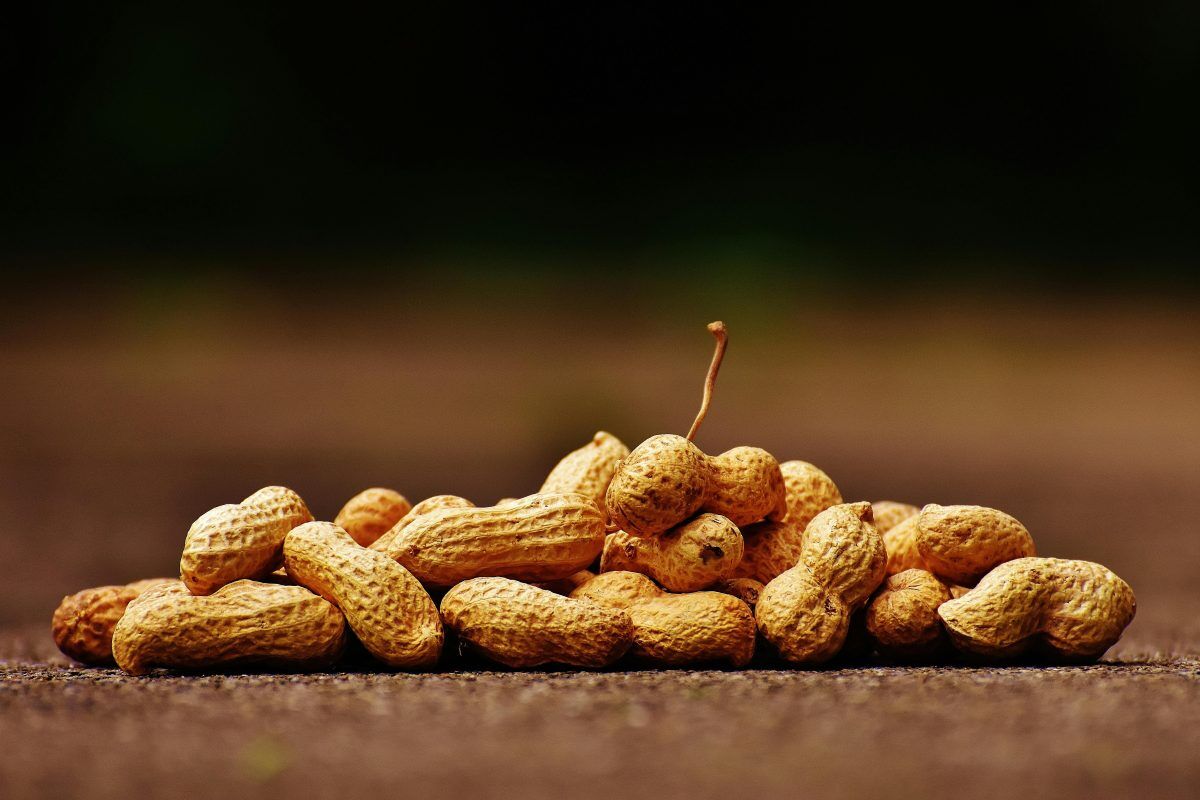
Resveratrol, known for its potential to reduce the risk of cancer, cardiovascular diseases, and Alzheimer’s disease and to delay aging, is naturally produced in peanuts as a response to stress [4].
Peanuts produce resveratrol in response to various stresses, such as UV radiation, fungal infection, and physical injury. These stress conditions trigger the plant to synthesize resveratrol as a defensive mechanism.
Peanuts can have varying levels of resveratrol, depending on how they are processed and grown. For instance, raw peanuts tend to have higher resveratrol content than roasted peanuts, where the heat from roasting can degrade some of the resveratrol. However, even after roasting, peanuts retain a significant amount of this beneficial compound.
4. Dark chocolate
Dark chocolate isn’t just a delicious treat; it’s also a noteworthy source of resveratrol – linked to improved metabolic health and potential protective effects against heart disease and certain chronic diseases.
A study analyzed 19 popular cocoa and chocolate products in the U.S. market, and found that the levels of resveratrol varied depending on the product type.
Specifically, dark chocolate contained about 0.35 micrograms of trans-resveratrol per gram, making it one of the richer sources of chocolate products [5].
To put this in perspective, while cocoa powder had the highest resveratrol content among the products tested, dark chocolate still stands out with a substantial amount of this beneficial compound.
5. Red wine
The “French Paradox,” where a diet high in saturated fat coincides with lower heart disease rates, has brought attention to red wine as a potential source of resveratrol.
Red wine contains varying amounts of resveratrol, ranging from 1.92 to 12.59 mg per liter, depending on the type and origin of the wine
Resveratrol in red wine is primarily found in the skin of grapes and is extracted during fermentation. This process allows red wine to maintain a higher resveratrol content than other grape products
Beyond its cardiovascular benefits, resveratrol in red wine is also noted for its potential anti-aging properties. Research indicates that resveratrol might trigger genes linked to aging well, like SIRT1.
This effect could be similar to reducing calorie intake, a practice known to lengthen lifespans in different creatures
However, it’s important to note that while these findings are promising, the amounts of resveratrol required to achieve such effects are significantly higher than what one would typically consume through red wine alone.
How can we improve resveratrol absorption?
While renowned for its health benefits, resveratrol faces a significant challenge: low bioavailability. Simply put, only a small fraction of ingested resveratrol is absorbed into the bloodstream, where it can exert its beneficial effects.
Understanding how to enhance the absorption of resveratrol can maximize its potential benefits. Here are some strategies based on recent research:
Consume with fat
One effective method to improve resveratrol absorption is to consume it with dietary fats. Fats can increase the solubility of resveratrol, making it easier for your body to absorb.
For instance, taking resveratrol supplements with meals that contain healthy fats, like avocados or nuts, can enhance its bioavailability.
Consider micronized formulations
Resveratrol, in its standard form, is not easily absorbed. However, micronized formulations, which involve reducing the particle size of resveratrol, have shown promise.
Due to a higher surface area to volume ratio, smaller particles experience increased absorption within the gastrointestinal tract. A study demonstrated that micronized resveratrol significantly increases plasma levels of the compound compared to regular formulations [7].
Avoid high-fat meals
While consuming resveratrol with healthy fats can enhance its absorption, it’s essential to differentiate between healthy fats and high-fat meals, particularly those high in unhealthy fats.
Meals high in fat, particularly saturated and trans fats, may hinder how well your body absorbs resveratrol and reduce its effectiveness in several ways:
- Delayed gastric emptying: High-fat meals can slow down the digestive process. When your stomach takes longer to empty its contents into the small intestine, the absorption of nutrients, including resveratrol, is delayed.
- Decreased solubility: Unhealthy fats, like those found in fried foods, fast food, and processed snacks, do not aid in the solubility of resveratrol. In contrast, healthy fats such as those found in nuts, seeds, and avocados help dissolve resveratrol, making it easier for your body to absorb.
- Competition with other nutrients: High-fat meals often contain a load of other nutrients that require processing, which can lead to competition for absorption. Your body may prioritize digesting and absorbing other components of the meal over resveratrol, reducing its bioavailability.
- Impact on liver function: Consuming large amounts of unhealthy fats can strain the liver, an organ crucial for metabolizing many compounds. A liver burdened with processing unhealthy fats may be less efficient at handling the effectiveness of resveratrol.
- Oxidative stress: High-fat diets, especially those rich in unhealthy fats, can increase oxidative stress and inflammation. This can counteract the antioxidant benefits of resveratrol, diminishing its overall health impact.
By paying attention to the type and amount of fat in your diet, you can improve the absorption of resveratrol and enhance its health benefits, ensuring you get the most out of this potent antioxidant.
Final takeaways
Is there a simple way to supercharge your health with the foods you eat, you asked? Incorporating resveratrol-rich foods into your diet might be the answer you’re looking for!
From grapes and blueberries to red wine, these foods offer a delicious and natural way to boost your health. Incorporating these foods can help you harness the numerous health benefits of resveratrol.
As Hippocrates said, “Let food be thy medicine and medicine be thy food.” Embrace the power of nutrition and let resveratrol-rich foods be a key part of your healthy lifestyle.
FAQs
What foods are rich in resveratrol?
Grapes, blueberries, dark chocolate, peanuts, and red wine are some of the richest sources of resveratrol.
Is it safe to drink red wine daily for resveratrol?
Moderate consumption of red wine (one glass per day) can be beneficial, but excessive alcohol intake should be avoided.
Can I get enough resveratrol from food alone?
While foods like grapes, blueberries, and peanuts provide resveratrol, supplements can help achieve higher intake levels if needed.
How much resveratrol is safe to take daily?
Most studies suggest that up to 500 mg of resveratrol per day is safe for most people, although typical dietary intake from food sources is much lower.
[1] National Library of Medicine. Resveratrol, in its natural combination in whole grape, for health promotion and disease management.
[2] Nova Science Publishers, Inc. Resveratrol in berries: A review.
[3] MDPI. Retaining Resveratrol Content in Berries and Berry Products with Agricultural and Processing Techniques: Review.
[4] Taylor & Francis Online. Resveratrol in Peanuts.
[5] National Library of Medicine. Survey of the trans-resveratrol and trans-piceid content of cocoa-containing and chocolate products.
[6] Springer. Erratum to: Resveratrol and red wine, healthy heart and longevity.
[7] MDPI. Enhancing the Delivery of Resveratrol in Humans: If Low Bioavailability is the Problem, What is the Solution?

