
Imagine you’re striving to boost your health and longevity, and you’ve heard about the potential benefits of resveratrol. Are you taking the right amount of resveratrol for optimal health, or could you be missing the mark?
As more people explore supplements to enhance their well-being, understanding the correct resveratrol dosage becomes crucial.
Resveratrol, a natural compound found in red wine, grapes, and certain berries, has gained significant attention for its potential health benefits.
From anti-aging properties to cardiovascular support, this powerful antioxidant is touted for its wide-ranging effects. However, with all the hype, the question of the right dosage often needs to be addressed.
How much resveratrol should I take per day?
Understanding the right dosage of resveratrol for different health goals can help you harness its full potential. Whether you’re aiming to slow the aging process, boost heart health, or reduce inflammation [1], getting the dosage right is key.
Let’s explore the recommended dosages for various health goals:
1. Anti-aging
Resveratrol is popular for its anti-aging properties thanks to its ability to activate genes linked to longevity. Studies show that this powerful antioxidant can help slow aging by improving cellular health and protecting against age-related decline.
- For general anti-aging benefits, 150-500 mg per day is often recommended. This range can enhance cellular function and combat oxidative stress.
- Some studies suggest up to 1,000 mg daily for more pronounced effects. It is crucial to start with a lower dose and gradually increase it while monitoring your body’s response.
Harnessing the right amount of resveratrol can help you achieve optimal anti-aging benefits, supporting a healthier, more vibrant you.
2. Heart health
Resveratrol is renowned for its cardiovascular benefits. It helps reduce inflammation and oxidative stress, key factors in heart disease. Incorporating resveratrol into your daily regimen can support heart health and improve cardiovascular function.
- A daily dose of 100-250 mg is recommended for general heart health. This amount can help maintain healthy blood vessels and reduce the risk of heart disease.
- Higher doses of 250-500 mg per day may be more effective for those with existing cardiovascular conditions. Always consult with a healthcare provider before starting higher doses.
Optimizing your resveratrol intake can significantly enhance cardiovascular health, contributing to a stronger, healthier heart.
3. Anti-inflammatory
Resveratrol is highly valued for its anti-inflammatory effects, making it an effective tool in managing chronic inflammation and related conditions. This compound can help reduce inflammation throughout the body, supporting overall health and well-being.
- Daily intake of 100-200 mg is typically recommended to help manage general inflammation and promote overall health.
- For more severe inflammatory conditions, doses ranging from 200-500 mg per day might be more effective. It’s essential to consult with a healthcare provider to tailor the dosage to your specific needs.
Incorporating the right amount of resveratrol can help you manage inflammation effectively, enhancing your health and quality of life.
4. Weight management and metabolic health
Resveratrol has shown promise in supporting weight management and metabolic health. It helps improve insulin sensitivity and promotes fat loss, making it a valuable addition to a healthy lifestyle aimed at maintaining optimal weight and metabolic function.
- A daily dose of 150-300 mg is generally recommended to enhance metabolic health. This range can improve insulin sensitivity and support healthy glucose levels.
- For those focusing on weight loss, slightly higher doses of 300-500 mg per day may be beneficial. Combining resveratrol supplementation with a balanced diet and regular exercise can maximize its effects.
Resveratrol can be a powerful ally in achieving and maintaining a healthy weight and optimal metabolic health [2].
5. Cognitive function
Resveratrol may support brain health and cognitive function, potentially reducing the risk of neurodegenerative diseases. This compound is believed to protect brain cells and improve mental clarity, making it a valuable addition to a brain-healthy regimen.
- A daily dose of 200-300 mg is often recommended to enhance brain health and protect against cognitive decline. This amount can help improve memory, focus, and overall mental performance.
- For those at risk of or managing neurodegenerative conditions, higher doses of up to 500 mg per day might be beneficial. Consulting with a healthcare provider is crucial to determine the best approach.
Optimizing resveratrol intake can support cognitive function and help maintain a sharp, healthy mind.
Can you take too much resveratrol?
It is imperative to get the dosage just right to maximize the health advantages of resveratrol while minimizing any potential dangers. Adequate or excessive consumption may result in unforeseen outcomes. If you are aware of these concerns, you can choose your resveratrol supplementation wisely.
Risks of taking too much resveratrol
While high doses of resveratrol can potentially offer greater benefits, they can also lead to significant health risks. Understanding these risks is crucial for anyone considering resveratrol supplementation.
1. Gastrointestinal issues
Excessive resveratrol intake, particularly doses over 1,000 mg per day, can cause gastrointestinal discomfort. Common symptoms include nausea, diarrhea, and abdominal pain. These side effects can disrupt daily life and may lead to more serious digestive issues if not addressed.
2. Blood thinning
Resveratrol has natural blood-thinning properties. While beneficial for cardiovascular health in moderate amounts, high doses can increase the risk of bleeding and bruising [3].
This is particularly dangerous for individuals on anticoagulant medications or those with bleeding disorders, as it can exacerbate their condition and lead to severe complications.
3. Kidney problems
Studies on animals have indicated that very high doses of resveratrol can lead to kidney damage. Though human studies are limited, these findings suggest a need for caution, especially for individuals with pre-existing kidney conditions. The potential for renal issues underscores the importance of adhering to recommended dosages.
4. Hormonal imbalance
Resveratrol can affect estrogen levels, potentially leading to hormonal imbalances. High doses may disrupt menstrual cycles in women and influence hormone-sensitive conditions, such as breast cancer.
This disruption can have wide-ranging effects on overall health and well-being. Balancing resveratrol intake is key to maximizing its benefits while minimizing the risks.
Risks of taking too little resveratrol
Taking too little resveratrol can mean missing out on its full health benefits. Understanding these potential drawbacks is important for anyone looking to optimize their resveratrol intake.
1. Ineffective supplementation
Low doses of resveratrol might not activate the genes and pathways necessary for its beneficial effects. This means you could be taking the supplement without seeing significant improvements in your health.
The anti-aging, anti-inflammatory, and cardiovascular benefits of resveratrol often require a certain threshold of intake to be effective.
2. Missed health benefits
Insufficient resveratrol intake can result in missed opportunities for health improvements. For instance:
- Without an adequate dose, you might not experience the full anti-aging benefits, such as improved cellular health and reduced oxidative stress.
- Lower doses might not effectively reduce inflammation or support heart health, leading to suboptimal cardiovascular benefits.
- Insufficient amounts may not provide the neuroprotective effects needed to support brain health and cognitive function.
Ensuring the right amount of resveratrol helps you fully leverage its potential, supporting overall health and well-being.
What is the best way to use resveratrol?
Integrating resveratrol into your daily routine can significantly enhance your health and well-being. This powerful antioxidant, found in certain foods and supplements, offers various benefits when taken correctly.
Here’s how you can seamlessly incorporate resveratrol into your lifestyle.
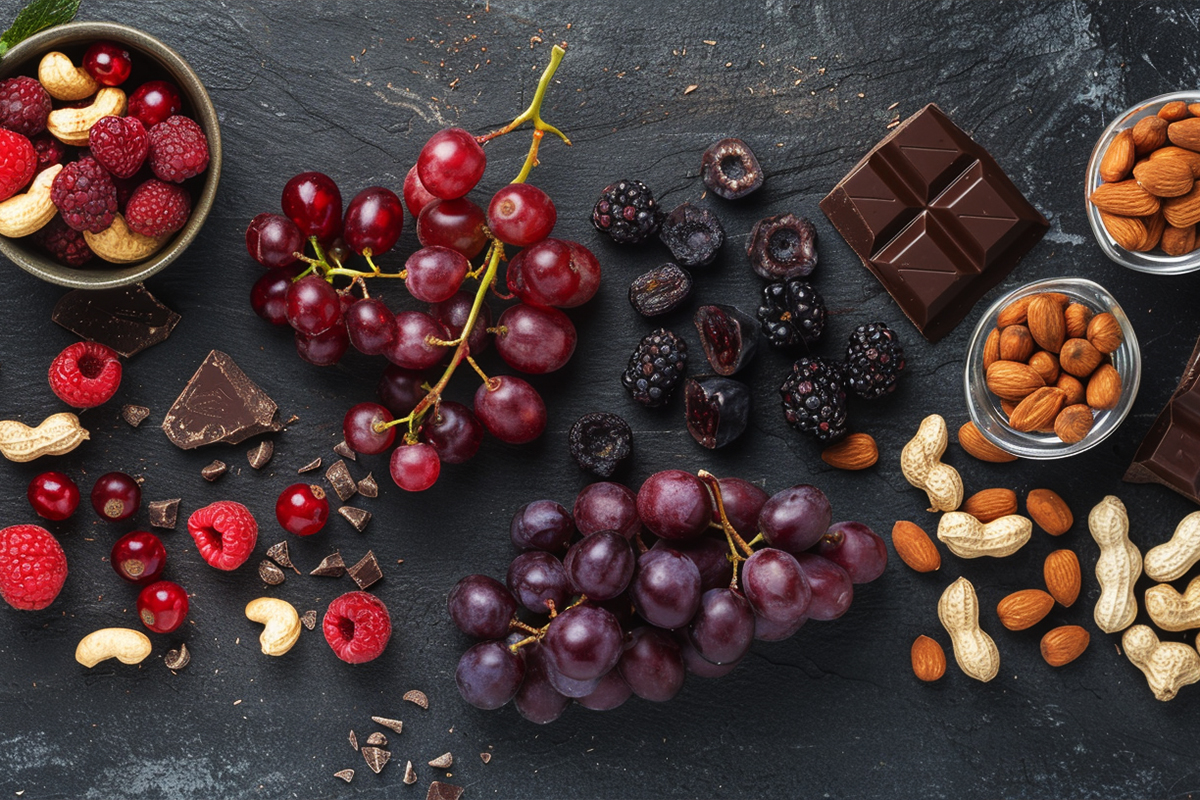
1. Include resveratrol-rich foods
Adding resveratrol-rich foods to your diet is a simple way to boost your intake naturally:
Incorporating these foods into your meals can help you effortlessly harness the health benefits of resveratrol.
2. Choose quality supplements
Selecting high-quality resveratrol supplements ensures you receive maximum benefits:
- Opt for supplements from well-known, trusted brands to guarantee purity and potency.
- To prevent under- or overdosing, adhere to the recommended dosage listed on the label or as instructed by your healthcare provider.
- Take your supplement at the same time each day to establish a reliable routine.
Prioritize quality and adhere to dosage guidelines to maximize your resveratrol supplementation and effectively support your overall health and well-being.
3. Pair with healthy habits
Combining resveratrol with healthy habits can amplify its benefits:
- Balanced diet: To promote general health, eat a variety of fruits, vegetables, whole grains, and lean meats.
- Regular exercise: To improve cardiovascular and metabolic health, exercise regularly, such as walking, cycling, or weight training.
- Adequate sleep: To improve your health, make sure you get seven to nine hours of quality sleep every night.
These habits complement resveratrol’s effects, promoting a holistic approach to health and maximizing the benefits of your supplementation.
4. Practical tips
Incorporating resveratrol into your daily routine can be simple with these practical tips:
- Smoothies: Add resveratrol-rich foods like grapes or berries to your morning smoothie for a nutritious start.
- Meals: Sprinkle peanuts over salads or yogurt for an easy, resveratrol-boosted meal.
- Routine: Set a daily reminder to take your supplement, perhaps alongside brushing your teeth or having breakfast.
Monitor your body’s response and adjust your intake if needed. Consulting with a healthcare provider ensures personalized guidance, helping you optimize your resveratrol regimen effectively.
In closing
Resveratrol offers many health benefits, from anti-aging to improved cardiovascular health. Ensuring the correct dosage maximizes these benefits while minimizing potential risks. Taking action to integrate resveratrol into your daily routine can significantly enhance your well-being.
Consider adding resveratrol-rich foods to your diet. Simple choices like red grapes, berries, peanuts, and dark chocolate can naturally boost your intake. Incorporating these foods into your meals makes your diet more nutritious and helps you effortlessly enjoy the benefits of resveratrol.
FAQs
What are the health benefits of resveratrol?
Resveratrol may help reduce inflammation, support cardiovascular health, and slow the aging process. It also shows promise in improving metabolic health and cognitive function.
How much resveratrol should I take daily?
The recommended daily dosage varies, typically between 100-500 mg depending on your health goals. Always consult a healthcare provider for personalized advice.
Can I get enough resveratrol from food alone?
While foods like red grapes and peanuts contain resveratrol, they may not provide enough for significant health benefits. Supplements can help achieve the necessary dosage.
Can resveratrol help with weight loss?
Resveratrol can improve metabolic health and support weight management. Combining it with a healthy diet and regular exercise maximizes its benefits.
[1] National Library of Medicine. Resveratrol: A Double-Edged Sword in Health Benefits.
[2] National Institutes of Health. Resveratrol and Its Human Metabolites—Effects on Metabolic Health and Obesity.
[3] PharmEasy. Resveratrol Benefits: An In-Depth Research-Based Exploration.

