
Subsense secures additional $10m following progress towards nanoparticle-based approach to neural interface control.
Neurotech startup Subsense has expanded its total financing to $27 million as it accelerates its non-surgical approach to brain–computer interfaces built around nanoparticles rather than implanted electrodes. Following an initial $17 million seed round earlier this year, the company today closed an additional $10 million from Golden Falcon Capital after reporting early progress in materials development, nanoparticle stimulation and neural signal detection.
The BCI market continues to accelerate apace, with significant investments secured by a host of companies working on a variety of approaches and attracting the interest of tech moguls including Elon Musk and Sam Altman. However, most systems currently under development depend on implants requiring invasive surgical procedures. Subsense is plotting a different path, aiming to create a bidirectional interface that can record and modulate brain activity without surgery, anesthesia or permanent hardware.

“We are developing a new kind of neural interface, which integrates seamlessly with the human body,” said Subsense co-founder and CEO Tetiana Aleksandrova. “This bio-integrated approach is fundamentally enhancing safety and expanding accessibility.”
Aleksandrova told us that the new funding was secured based on “exciting” early results relating to the optimization of nanoparticle properties specifically for neurotech applications, including functional mechanisms relating to both stimulation and reading, as well as biocompatibility.
“The increased investment will be used primarily to accelerate and enhance our preclinical in vivo research program, which we have already begun,” she said. “Pilot human clinical trials are projected to begin in 2027.”
Subsense’s approach seeks to pair engineered biocompatible nanoparticles – delivered via nasal spray to cross the blood–brain barrier – with specialized hardware and neural decoding software. Once in the brain, the particles are designed to bind to specific receptors and act as transducers for high-fidelity signal capture and stimulation. The company claims this architecture could offer temporal and spatial precision on par with implanted electrodes while avoiding the risks associated with placing devices directly into neural tissue. By using particles that can be updated or replaced over time, the platform is intended to remain compatible with evolving formulations and signal-processing models.
Subsense is positioning its system for therapeutic use cases such as targeted stimulation for Parkinson’s disease, Alzheimer’s, epilepsy, stroke recovery, depression and chronic pain, as well as for motor rehabilitation. The company says it is also exploring broader capabilities, including sensory restoration, inner-speech decoding and long-term human–machine interaction models that could one day enable direct links to artificial intelligence systems or external memory.
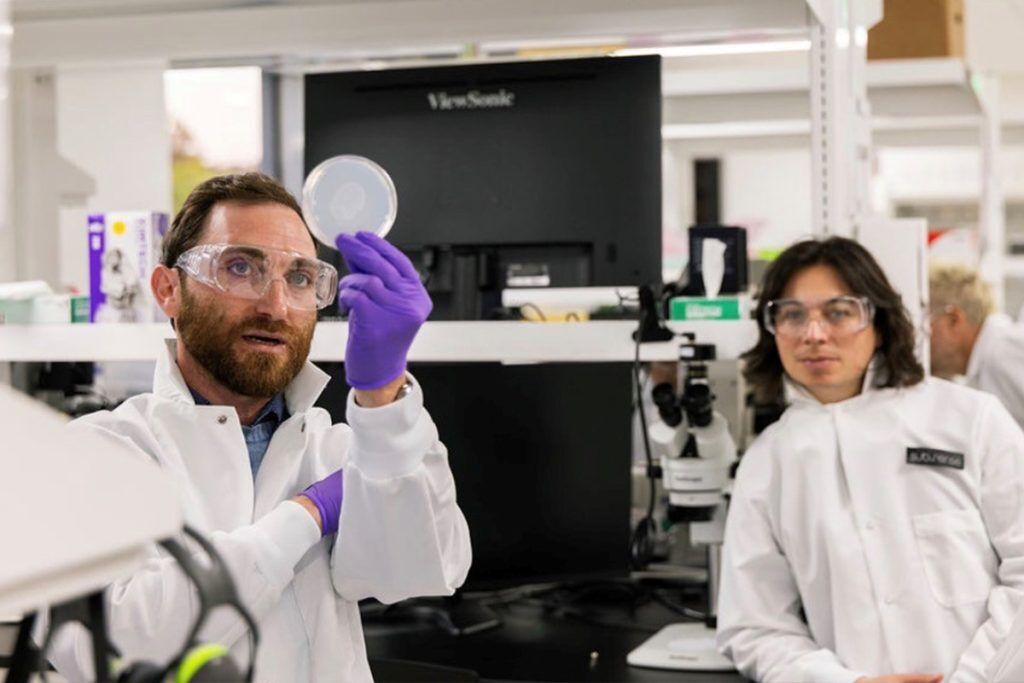
Having opened a dedicated neuroengineering laboratory in Palo Alto, Subsense is now seeking to advance its preclinical and safety programs and to accelerate development of next-generation nanoparticle chemistries and hardware miniaturization. The company says it has established collaborations with academic partners in both North America and Europe as it prepares for its first in vivo studies.

