
Four-time Olympian Genevieve Gregson says starting from zero is normal and shares simple, realistic running guidance for the year ahead.
As we head into the festive season, people start to think about what their New Year’s resolutions for 2026 might be.
In association with Australian sports nutrition company True Protein, four-time Olympian and new mom Genevieve Gregson has released some advice on running – and her message is far more relatable than people expect.
Despite decades of elite training, Gregson says she has started from scratch “more times than she can count”, rebuilding after injuries, recovery phases and pregnancy. Her experience, she says, mirrors what beginners feel each January: excitement mixed with fear, comparison and uncertainty about where to begin.
“For some, getting back into running or starting a new fitness routine is thrilling. For others, it can be daunting,” she explains. Fear of being unfit, feeling judged or simply not knowing what to do can stop people before they even begin.
“If you can run even for 10 seconds, you’re a runner.”
Gregson believes the biggest barrier for beginners is overcomplication…and comparison. Running, she argues, isn’t a title you earn; it’s something you do.
“I think people overcomplicate it. If you can run even for 10 seconds, you’re a runner; how good just depends on the effort you want to put into it,” she said.

She admits even Olympians struggle with comparison, especially in a world shaped by social media highlight reels. “Comparing yourself to others is such a rookie mistake. It’s great for inspiration, but it can also make you feel like you’re not doing enough,” Gregson explained.
The Olympian reminds runners that every journey is unique, and that’s what makes it meaningful.
Mindset reset: “I GET to run, not that I have to.”
Even after four Olympic Games, Gregson still experiences pressure and nerves. What’s changed is her mindset. Instead of thinking about performance or expectations, she focuses on gratitude.
“I remind myself I get to run, it’s something I’m lucky to be able to do,” she said.
This shift, she says, helps beginners, too. Whether someone is entering a gym for the first time or attempting a 5K, framing running as a privilege rather than a chore reduces anxiety and builds confidence.
Such a mindset works because it removes the perfection trap. You don’t need a perfect week, a perfect run or a perfect pace. You just need to show up.
Small wins build big confidence
Like many elite athletes, Gregson breaks her goals into manageable pieces. It’s not the finish line that motivates her; it’s the small, steady wins along the way.
“Setting small, achievable goals makes running more enjoyable. Instead of focusing on the end result, celebrate the little wins… just getting out the door,” she said.
Think of progress like stacking tiny bricks. On their own, they seem small. But over weeks and months, those bricks build a strong foundation – one even Olympians rely on.
Why fuel, recovery and rest matter more than pace
Beginners often think the key to progress is grinding harder. Gregson says the opposite is true: real improvement comes from fueling, recovering and resting properly.
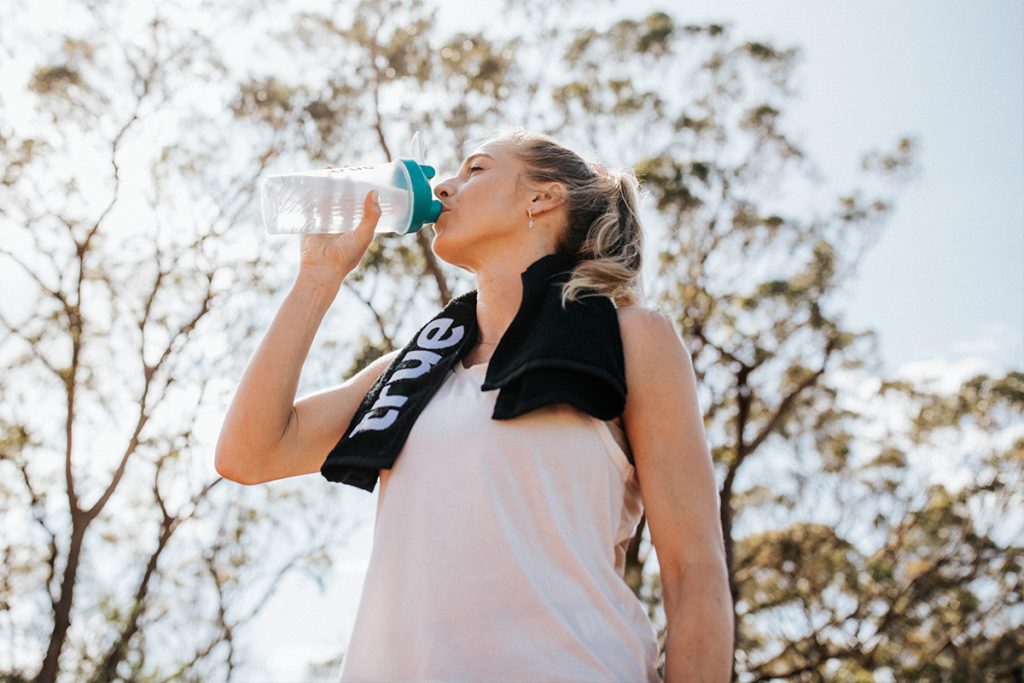
“Fueling is so important… Don’t run on an empty stomach. Your body needs energy to move,” she explains. She also emphasizes the importance of protein within 30 minutes of finishing a run, a window where the body begins repairing itself.
She adds that rest days and proper nutrition aren’t signs of weakness. They are the backbone of sustainable progress, reducing injury risk and boosting consistency, something beginners often overlook.
Accountability: the secret ingredient
Gregson insists that motivation is unreliable, even for seasoned athletes. What keeps people showing up is accountability.
“There will be days you don’t want to run; having someone rely on you helps you show up,” she said. Whether it’s a friend, a running group or a virtual community, shared commitment turns running from a chore into a social anchor.
Gregson’s New Year advice for beginners
As people set their goals for the year, Gregson offers one final message grounded in empathy and lived experience: “Remember that you’re already doing enough by starting. Be kind to yourself, stay consistent, and enjoy the process.”
Her advice is simple: don’t let fear of the starting line keep you from crossing it. Every step – even the shaky, breathless ones – counts.

